Newsletters


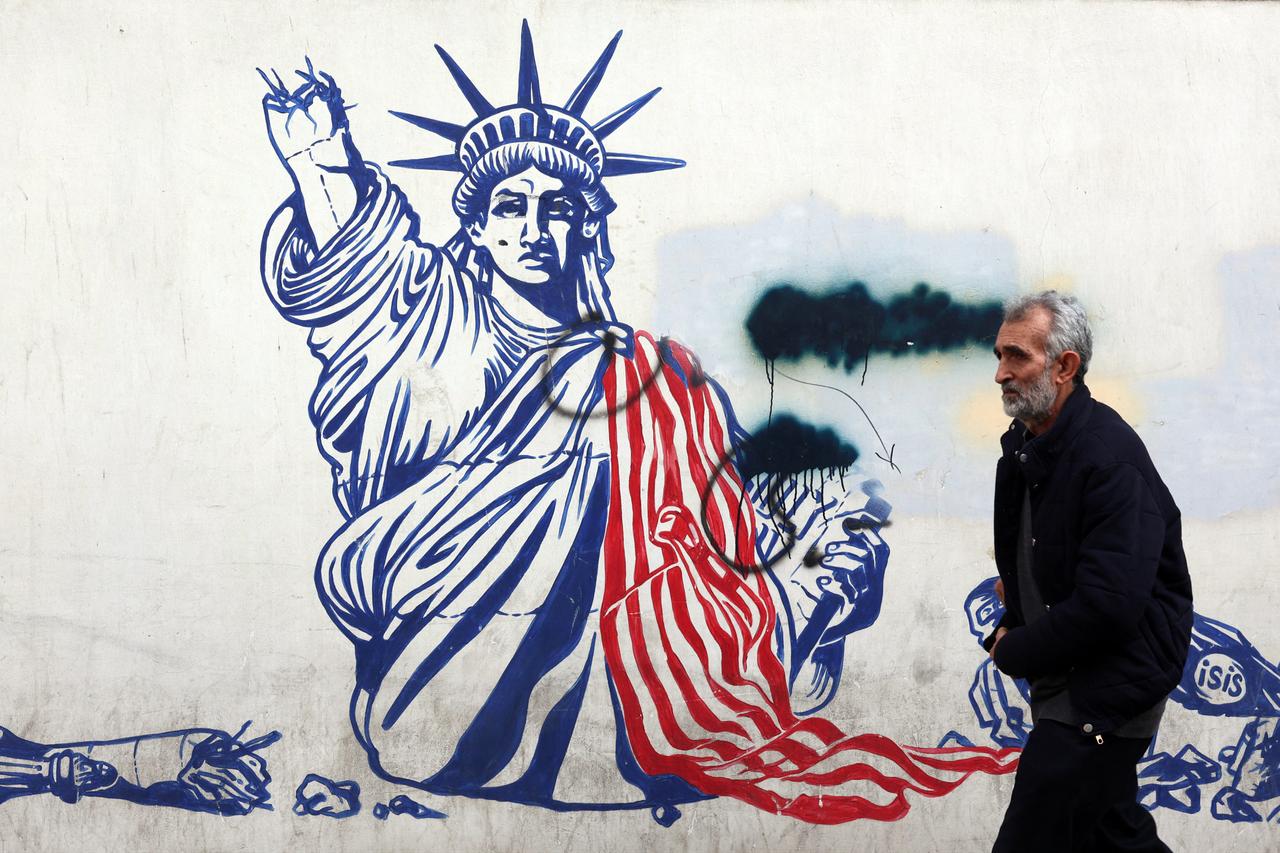


The United States announced fresh sanctions targeting Iran's oil exports Friday, just hours after American and Iranian delegations concluded indirect negotiations in Oman that both sides described as productive, creating a mixed signal as the adversaries navigate their first diplomatic engagement since US strikes on Iranian nuclear facilities last summer.
Iran said it expected to hold more negotiations with Washington after what Foreign Minister Abbas Araghchi called a "very positive atmosphere" during the day-long talks. Nearly simultaneously, the State Department unveiled sanctions blocking transactions involving 14 vessels accused of transporting Iranian oil, including ships flagged from Türkiye, India and the United Arab Emirates, along with penalties against 15 entities and two individuals.
State Department spokesman Tommy Pigott said Iran uses oil revenue to "fund destabilizing activities around the world and step up its repression inside Iran," describing the measures as part of President Donald Trump's "maximum pressure campaign." It remained unclear whether the sanctions announcement was connected to the outcome of the Muscat talks or represented a predetermined escalation.
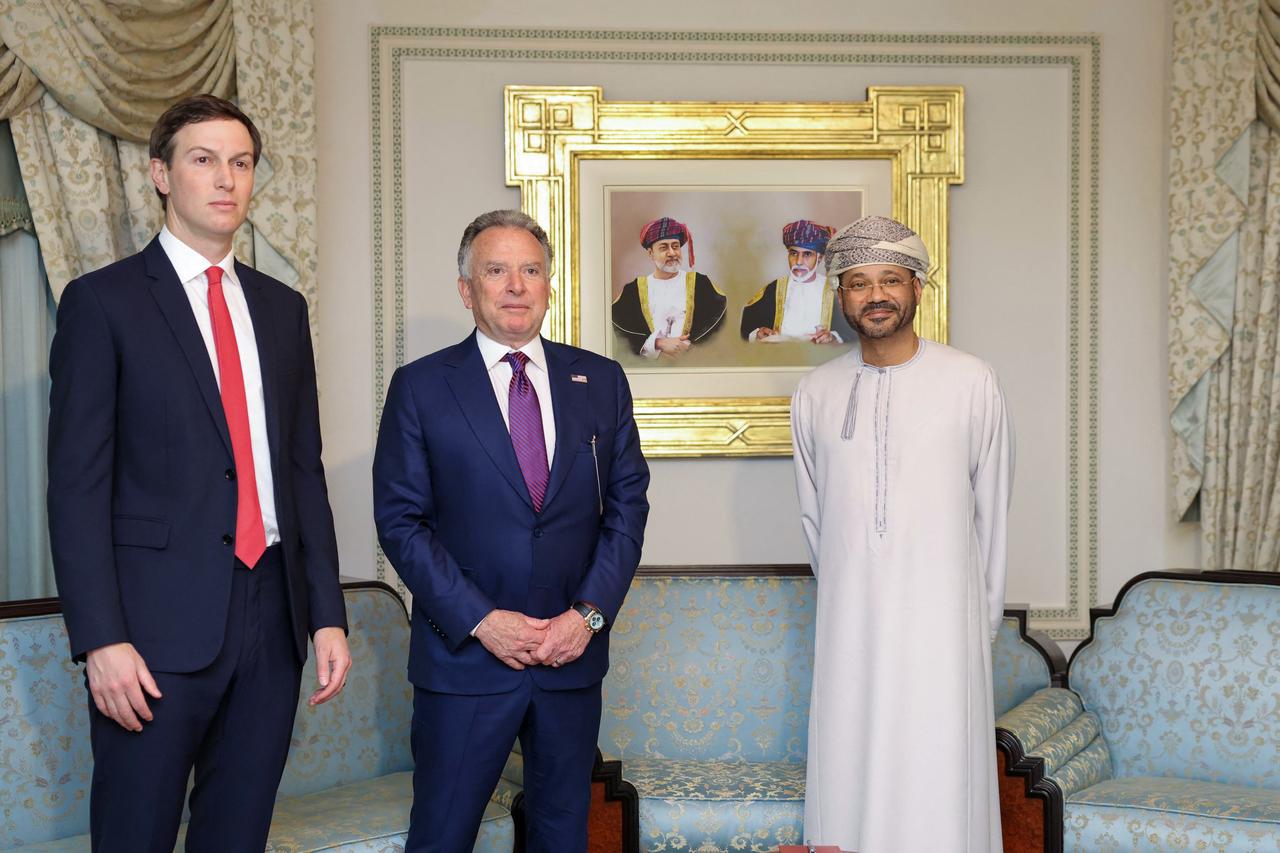

Araghchi, who led Tehran's delegation, said the talks focused exclusively on Iran's nuclear program, which Western powers believe aims to develop atomic weapons but Tehran insists remains peaceful. The negotiations were mediated by Omani officials, with the US and Iranian teams not meeting face-to-face.
"Our arguments were exchanged and the views of the other side were shared with us," Araghchi told Iranian state television. He said both sides agreed to continue negotiations but would determine the format and timing later, adding that progress would "depend on our consultations with capitals."
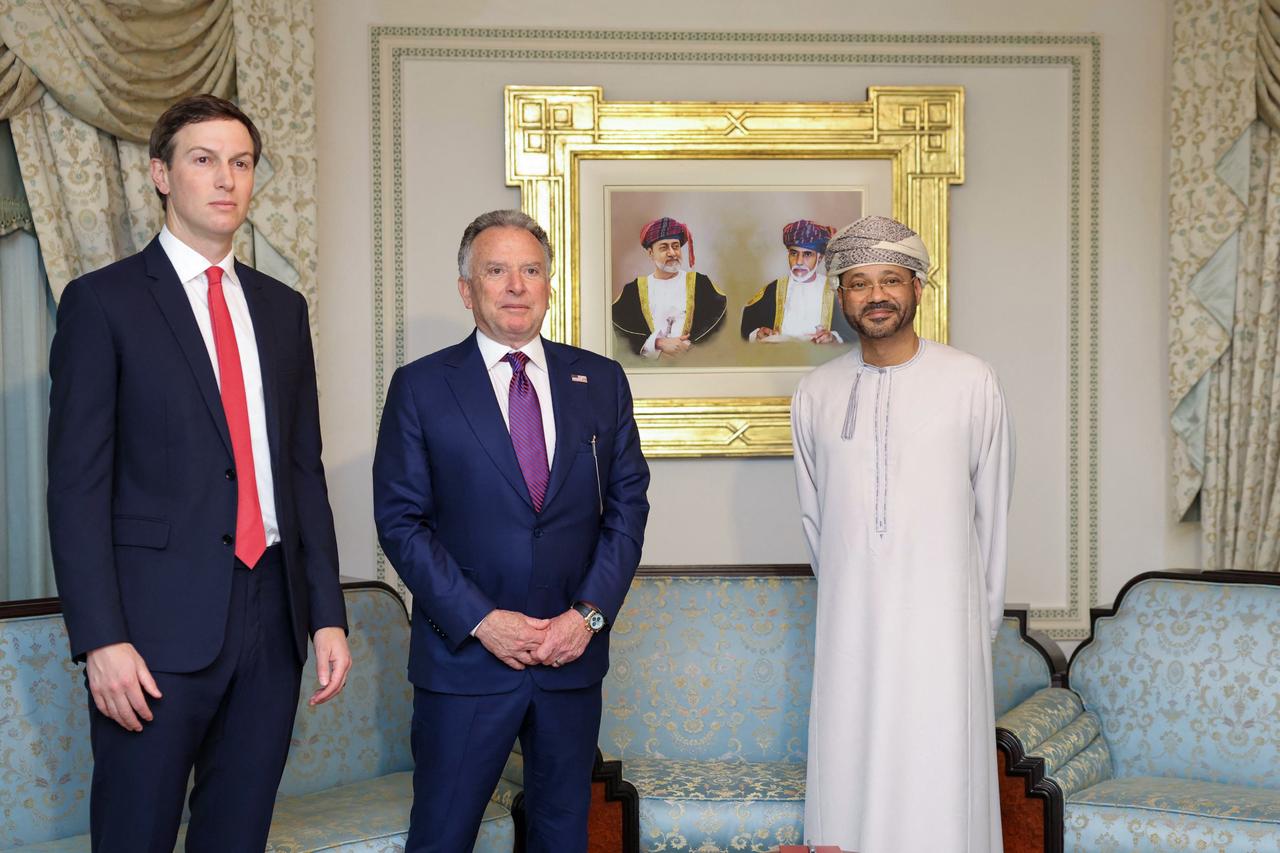
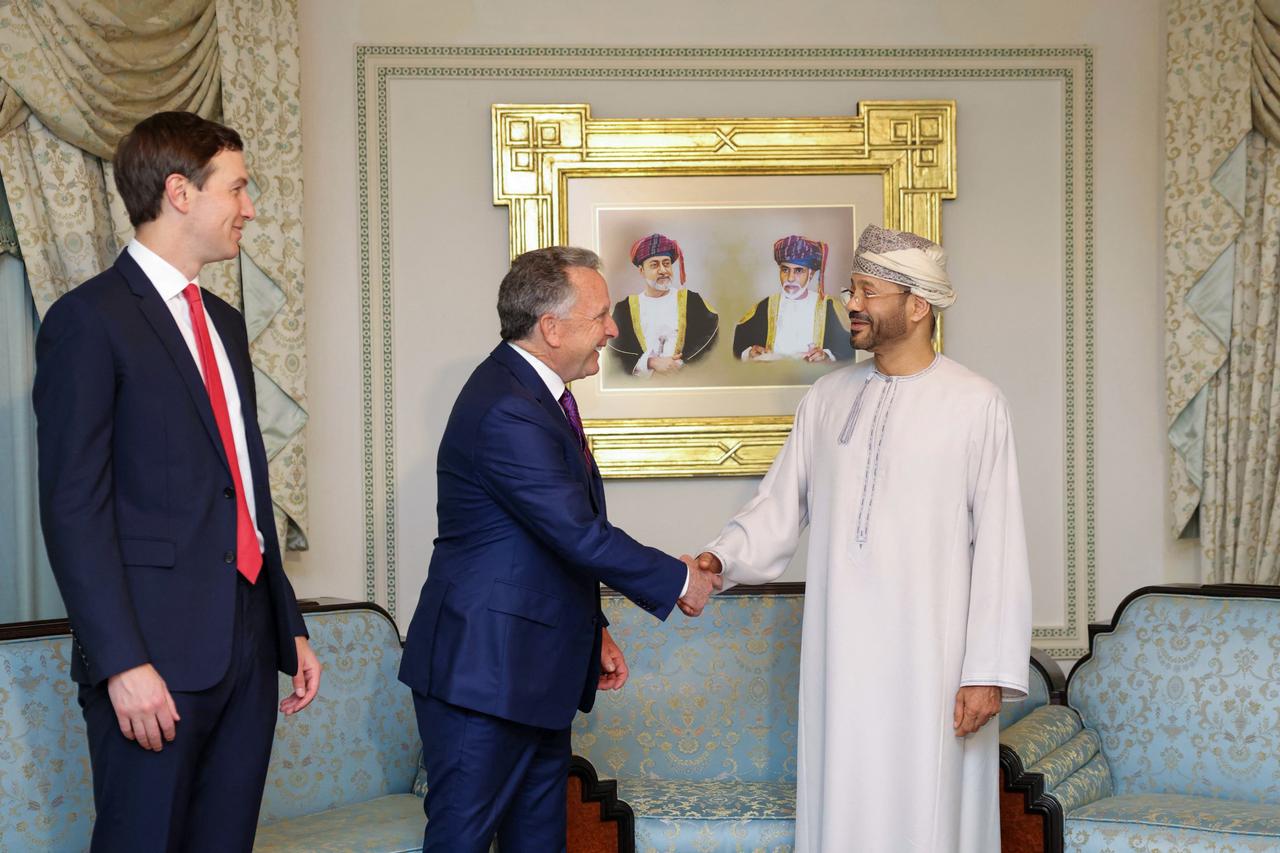
The Iranian foreign minister urged Washington to refrain from "threats and pressure" to allow talks to proceed. There was no immediate comment from the American delegation, which included Middle East envoy Steve Witkoff and Jared Kushner, Trump's son-in-law.
Omani Foreign Minister Badr Albusaidi said in a message on social media that "we aim to reconvene in due course." Qatar's foreign ministry expressed hope the talks would "lead to a comprehensive agreement that serves the interests of both parties and enhances security and stability in the region."
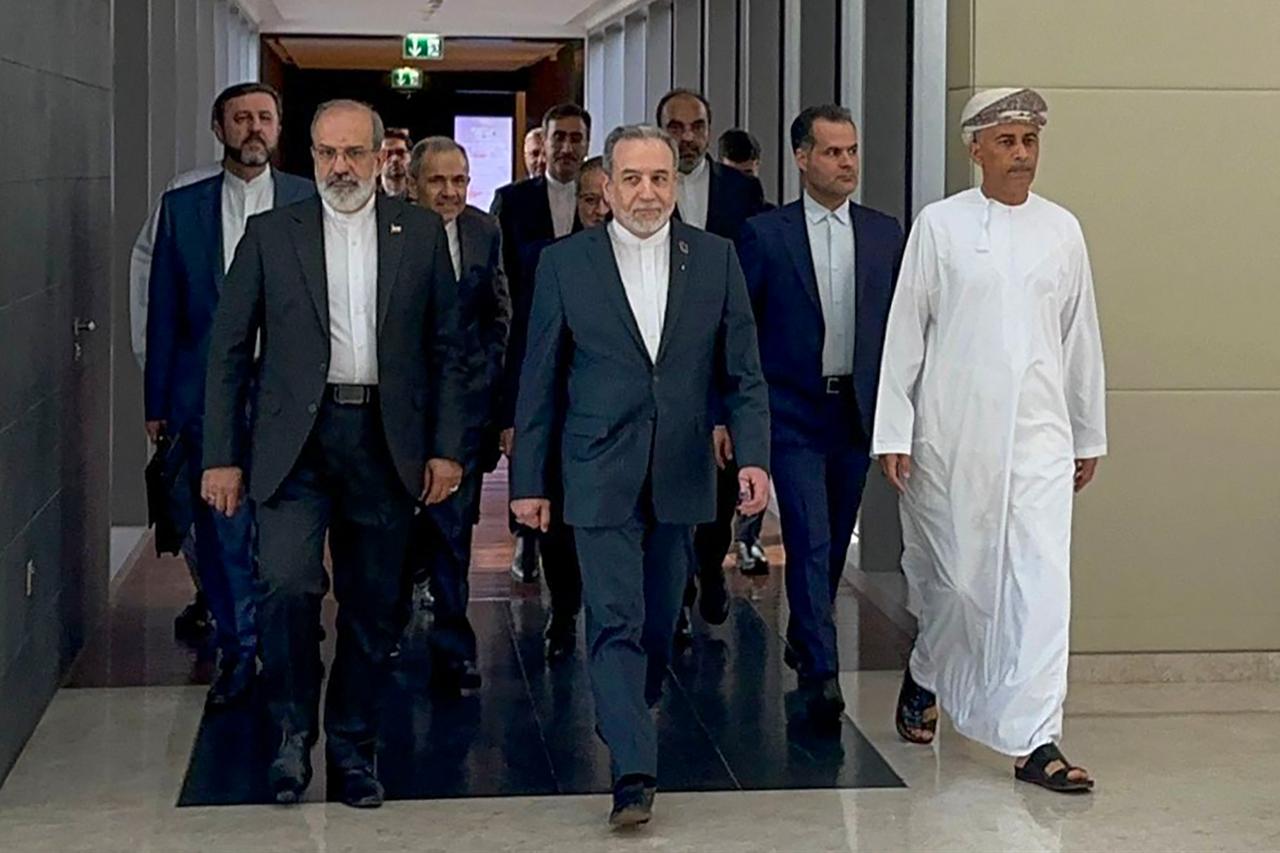
The talks unfolded against a backdrop of heightened military tensions, with Admiral Brad Cooper, commander of US Central Command, present at the negotiations according to images published by the Oman News Agency. Trump has deployed a naval group led by the aircraft carrier USS Abraham Lincoln to the region, repeatedly referring to the force as an "armada."
"They're negotiating," Trump said Thursday. "They don't want us to hit them, we have a big fleet going there."
Iran has repeatedly vowed to strike US bases in the region if attacked. The White House has made clear it wants the talks to prevent Tehran from developing nuclear weapons capability, an ambition Iran consistently denied.
The negotiations come just under a month after Iranian authorities violently suppressed nationwide protests against the clerical leadership. The US-based Human Rights Activists News Agency reported 6,495 protesters confirmed killed, along with 214 security force members and 61 bystanders, though rights groups warn the final toll may be far higher due to a two-week internet shutdown imposed by authorities. Nearly 51,000 people were confirmed arrested, according to the organization.
Trump initially threatened military action over the crackdown and told demonstrators "help is on its way," but regional powers including Türkiye, Saudi Arabia and Qatar urged Washington not to intervene and instead pursue diplomatic talks.
The US delegation had sought to include Iran's support for militant groups, its ballistic missile program and treatment of protesters on the agenda, though Araghchi said discussions remained limited to the nuclear issue.


 Set as preferred source
 Set as preferred source


 1 min read
 1 min read