Newsletters


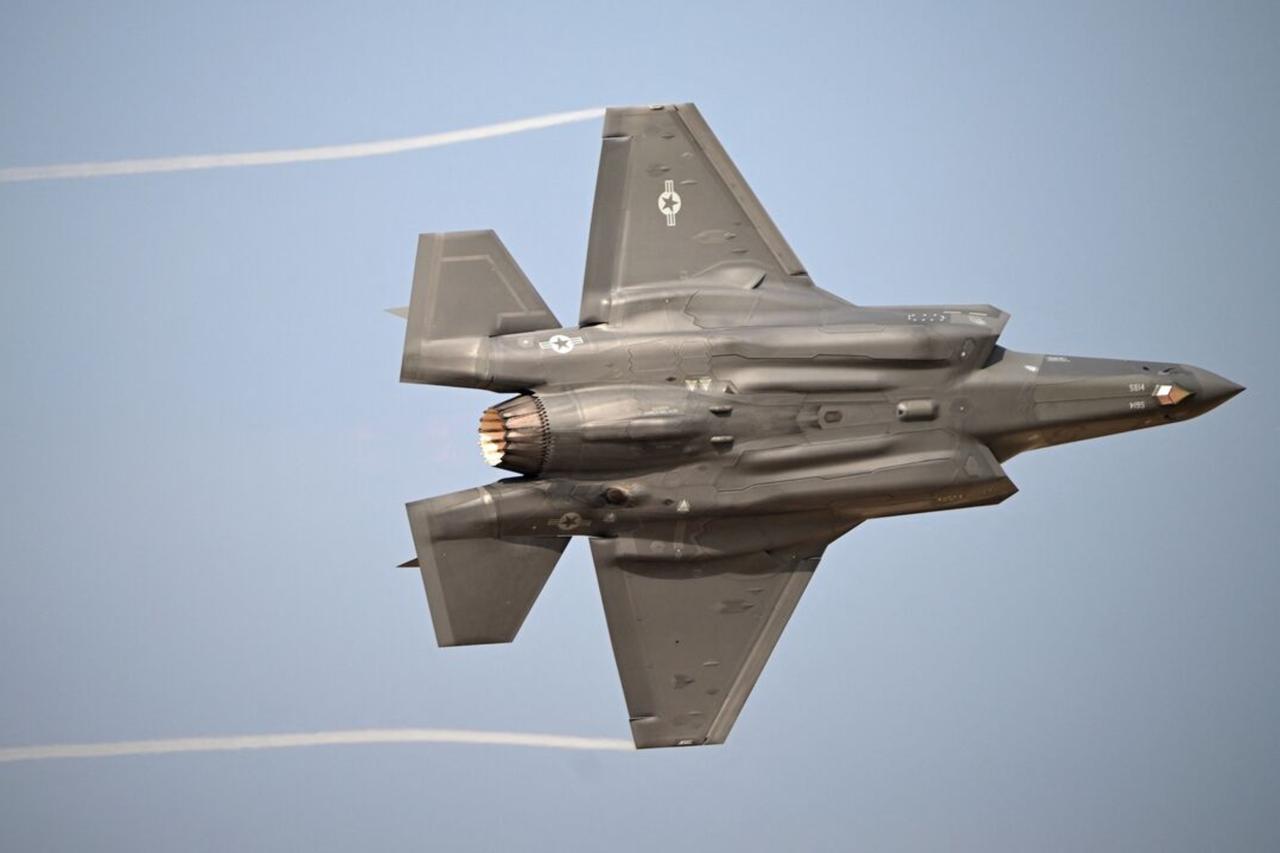


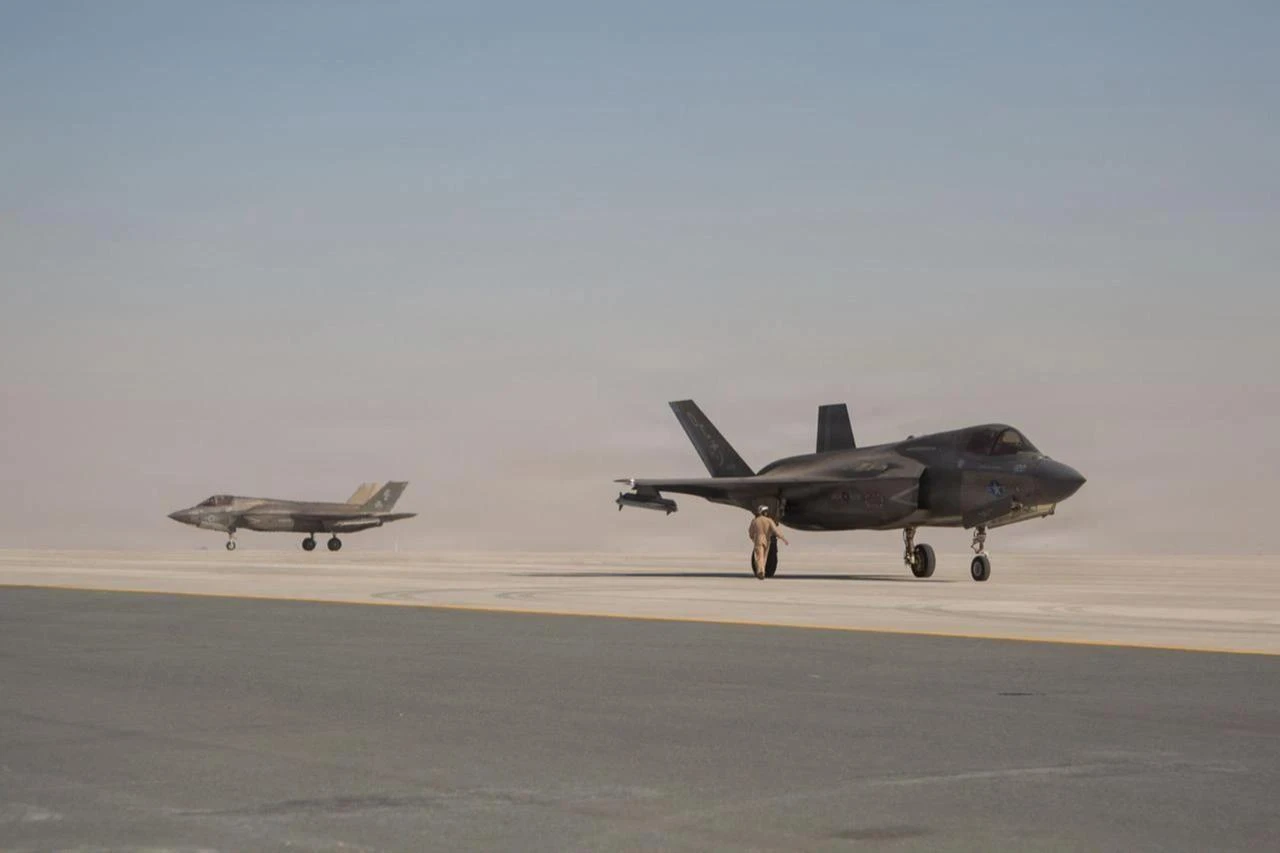
U.S. intelligence officials have raised concerns that China could gain access to sensitive F-35 fighter jet technology if Washington proceeds with a proposed $24 billion sale of 48 aircraft to Saudi Arabia, The New York Times reported, citing American officials.
Internal assessments, including a recent Defense Intelligence Agency report, examined the possibility that China could acquire F-35 technology through espionage in Saudi Arabia or through its military and security relationship with the kingdom.
The report cited Chinese military access to Saudi bases and the kingdom’s use of Chinese technology in telecommunications infrastructure, while questioning whether U.S. and Saudi authorities could maintain secure facilities for the aircraft’s sensitive systems.
The State Department sent the proposed package of 48 F-35s and a spare engine to two congressional committees in June for informal approval. Some lawmakers and aides have since pressed the administration over the intelligence concerns.
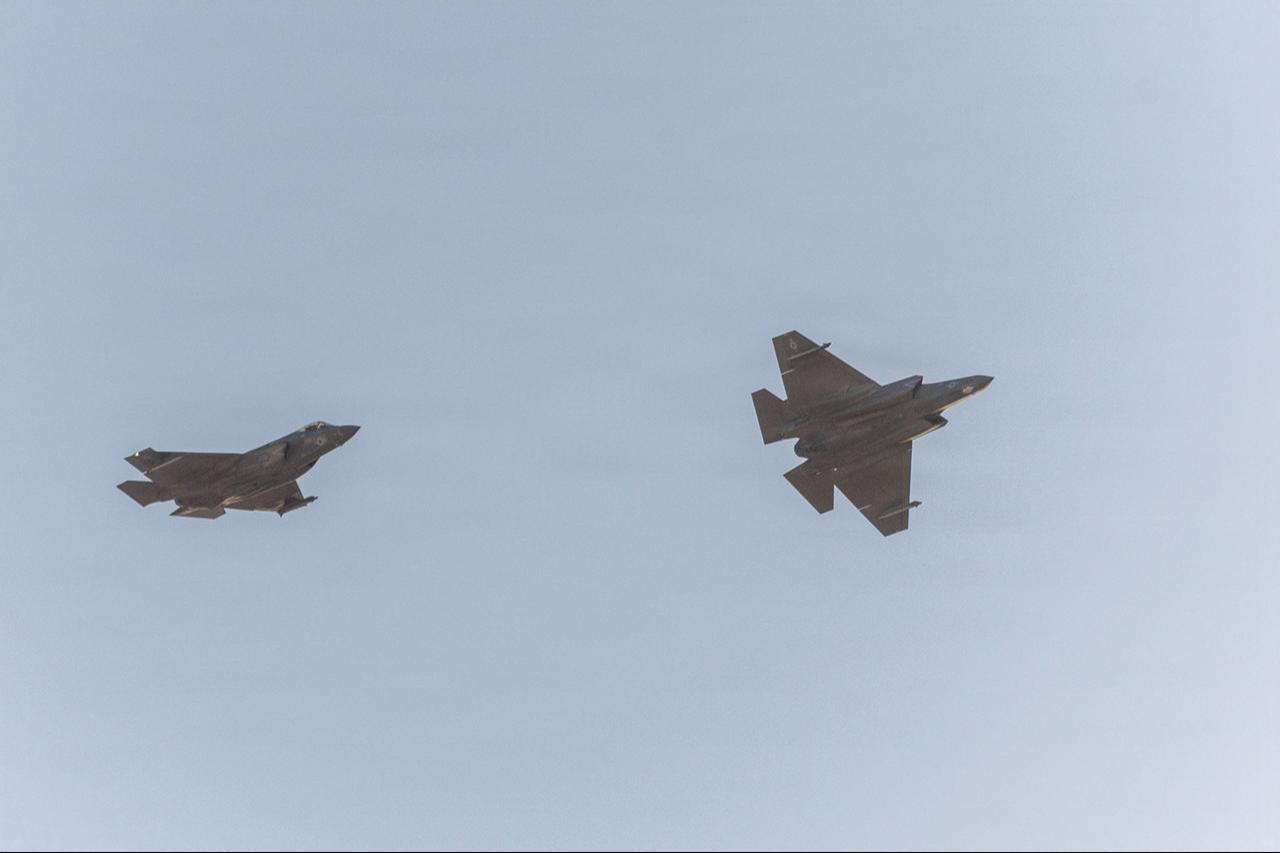

According to the Times, Pentagon officials are particularly concerned about protecting the F-35’s advanced radar and surveillance systems.
The intelligence assessment raised questions about whether Saudi Arabia would limit contact with Chinese military and intelligence personnel and associated entities.
It also examined whether Saudi authorities would remove equipment made by Huawei and ZTE from telecommunications, router infrastructure and defense facilities where sensitive F-35 technology could be present.
Saudi Arabia buys ballistic missiles from China, while the Chinese military is helping the kingdom develop missile production facilities, improve operations and learn how to build ballistic missiles, according to the report.
The State Department, Pentagon and Saudi Embassy in Washington declined to comment to the Times. The White House and Chinese Embassy did not respond to requests for comment.
U.S. intelligence agencies raised similar concerns during President Donald Trump’s first term after he agreed in 2020 to sell F-35s to the United Arab Emirates as part of its normalization agreement with Israel.
The Biden administration later reviewed the planned sale as U.S. intelligence agencies raised concerns over the UAE’s expanding military, intelligence and technology ties with China. U.S. officials eventually ended the sales process.
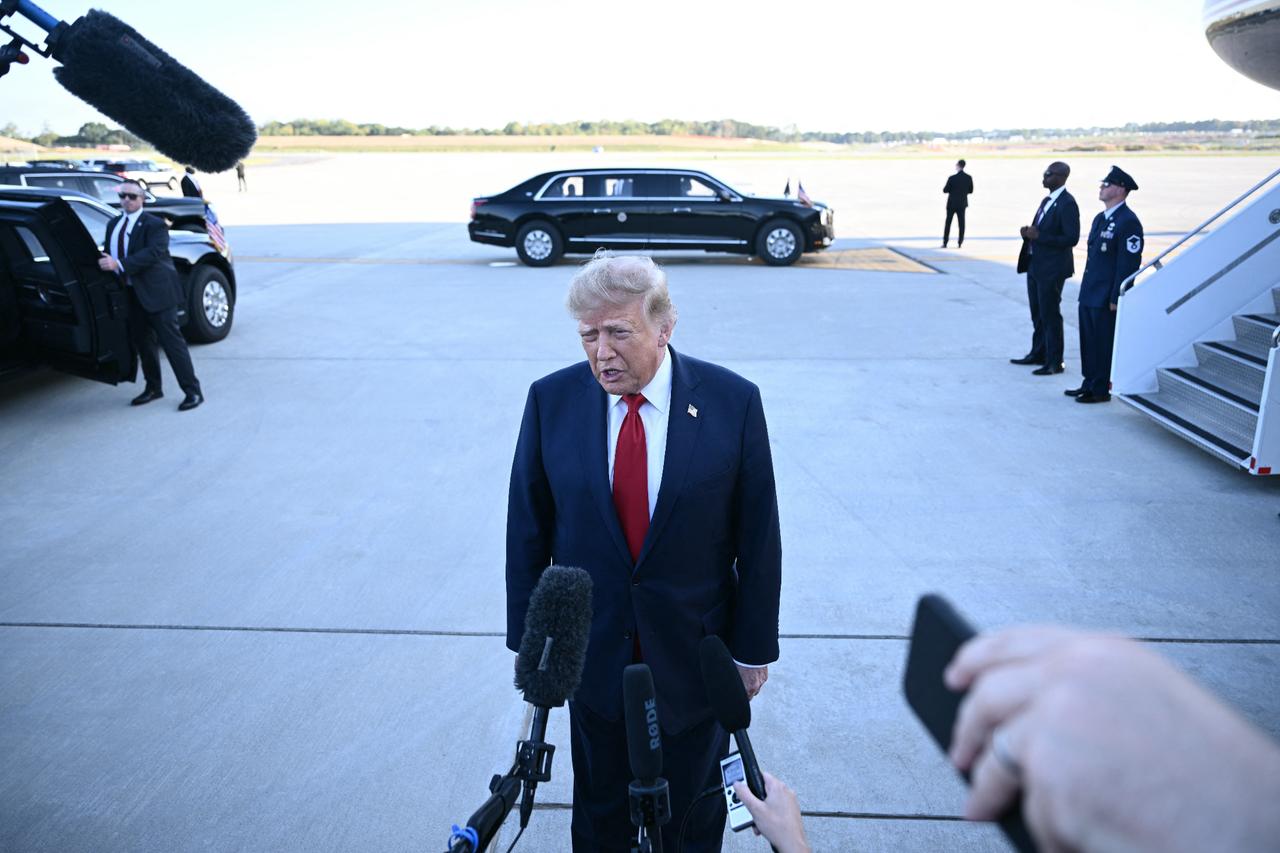
Trump announced the Saudi F-35 sale last November, a day before hosting Crown Prince Mohammed bin Salman at the White House. The crown prince had long sought the aircraft as part of efforts to expand Saudi military capabilities.
Saudi Arabia and the U.S. have maintained decades of military cooperation, with the kingdom the largest buyer of American weapons and defense equipment.
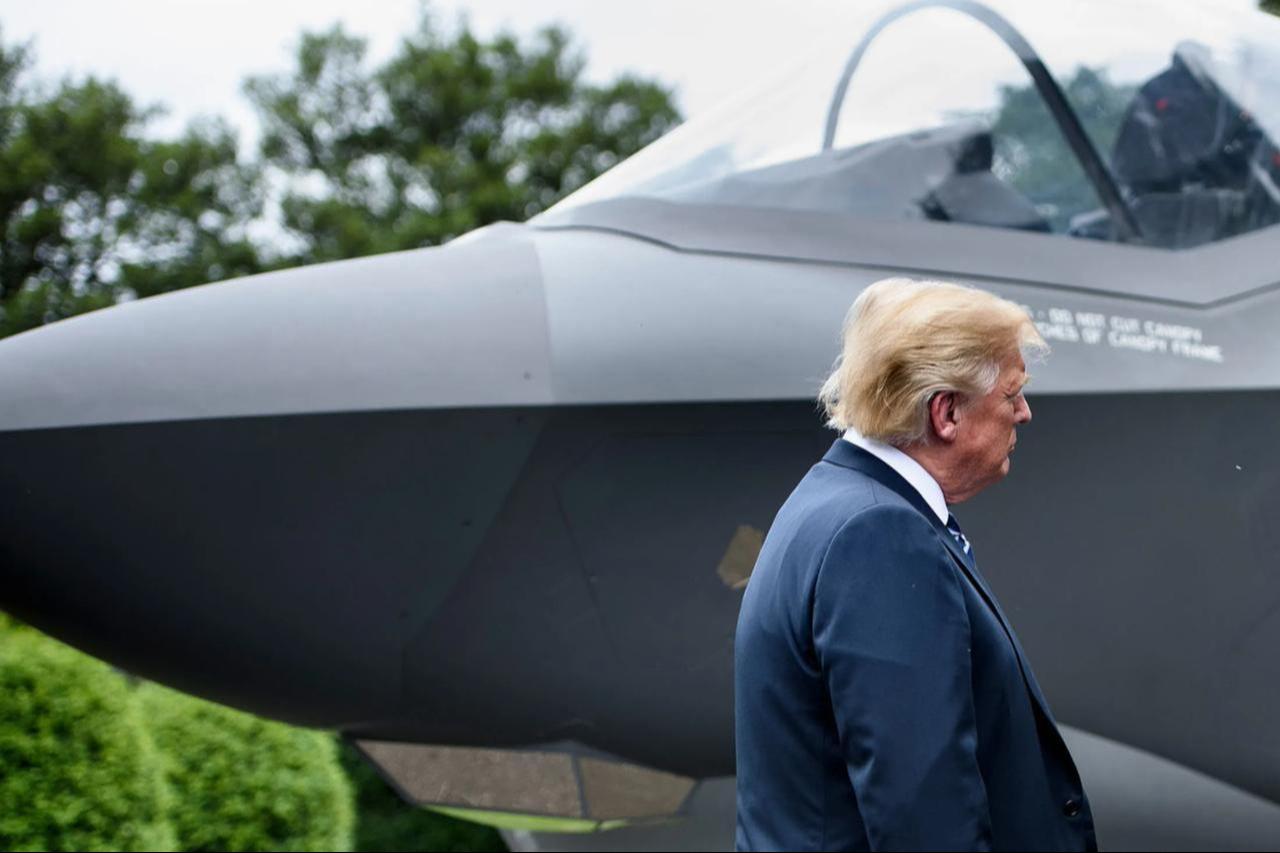
Some Israeli officials have also expressed concerns about the proposed sale. Israel is currently the only Middle Eastern country operating F-35s and has used the aircraft in strikes against Iran.
U.S. policy since the 1973 Arab-Israeli war has sought to preserve Israel’s congressionally mandated “qualitative military edge,” with previous administrations conducting classified reviews of major arms sales to Arab states.
Secretary of State Marco Rubio has previously bypassed the normal congressional approval process to accelerate arms shipments to Israel by citing regional emergencies. According to the Times, he could choose a similar route if congressional leaders do not approve the Saudi F-35 sale.
Trump has separately agreed to help Saudi Arabia develop a civilian nuclear program, another project that has raised security concerns because Crown Prince Mohammed has said the kingdom would develop nuclear weapons if Iran did so.


 Set as preferred source
 Set as preferred source


 2 min read

 1 min read