Newsletters


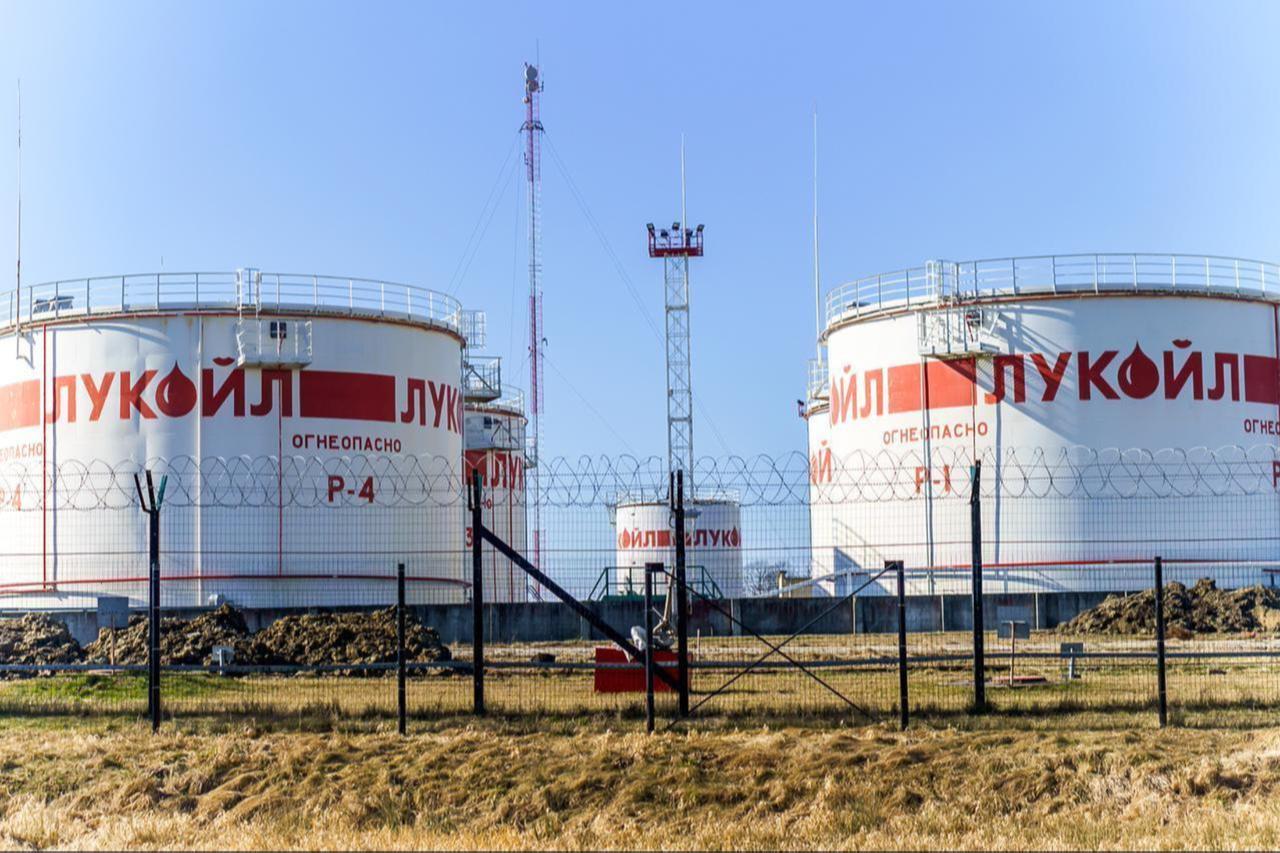


U.S.-Russia negotiations over ending the war in Ukraine have expanded to include a multibillion-dollar deal for international assets owned by Russian energy giant Lukoil, The New York Times reported.
The proposed transaction involves oil fields, refineries and gas stations around the world and includes investors with business ties to people close to Trump’s top negotiators, Steve Witkoff and Jared Kushner.
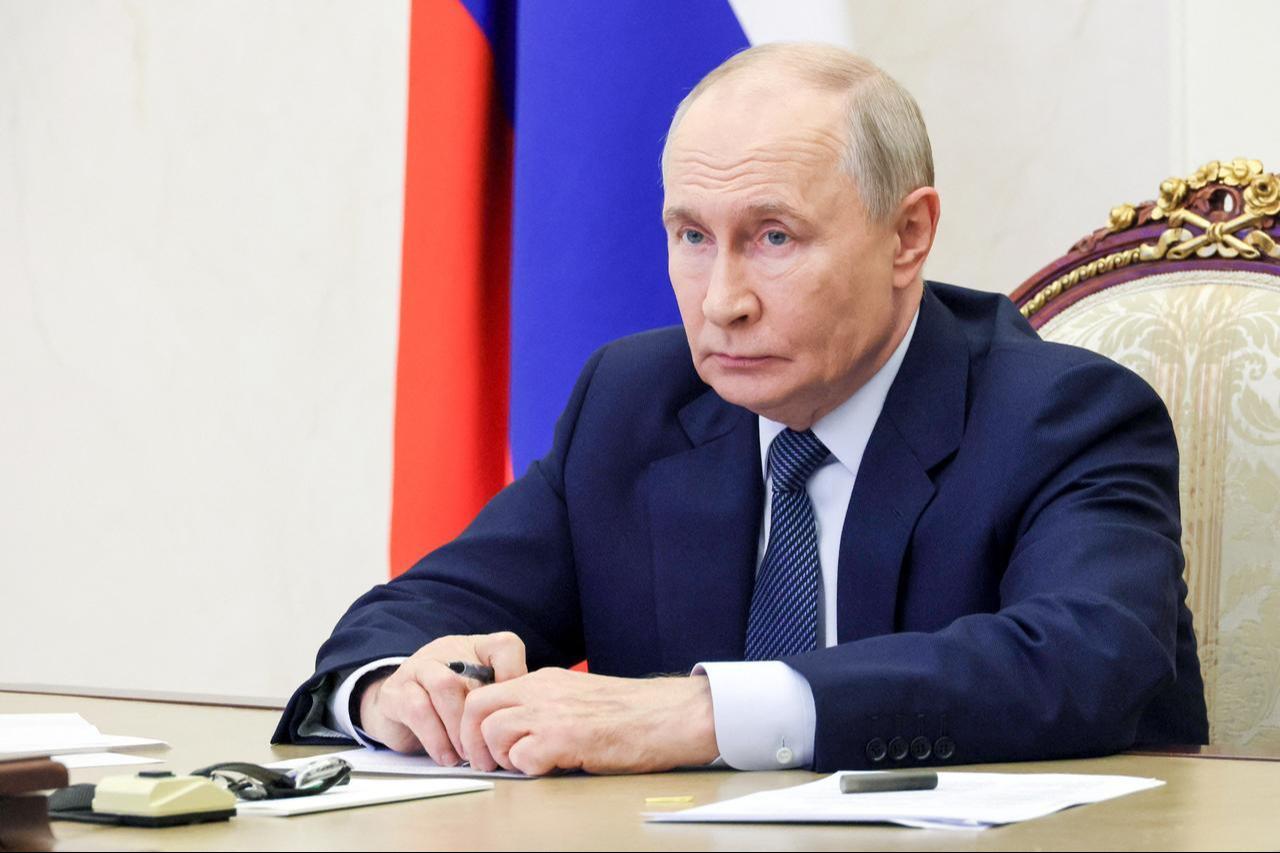
Russian President Vladimir Putin raised the deal during a Sept. 5 Kremlin meeting with Witkoff and Kushner, according to people familiar with the talks cited by the newspaper.
Putin presented the transaction as a way to show Russians that business with the U.S. could resume. The American negotiators said they would work on it, viewing the deal as a potential way to build goodwill with Moscow and lower global energy prices.
There is no indication that Witkoff or Kushner themselves stand to profit, according to The Times.

The leading group seeking Lukoil’s assets includes U.S. investor Todd Boehly, Middle Eastern business groups with ties to Kushner or Witkoff’s family and the U.S. government.
Boehly, a billionaire co-owner of the Los Angeles Dodgers, donated $1 million to Trump-aligned MAGA Inc. in December 2025 and another $1 million through Eldridge Industries to Trump’s inauguration.
The U.S. International Development Finance Corporation, or DFC, is also seeking a stake.
A senior administration official confirmed that Witkoff and Kushner helped negotiate the federal government’s financial terms, including “a substantial upfront payment and profits interest for the United States.”
A DFC official said the deal could strengthen U.S. economic security, support foreign policy goals, lower energy prices and keep strategic assets away from adversaries.
A major equity holder would be a Qatar-based conglomerate controlled by Moutaz and Ramez Al-Khayyat.
The brothers attended Trump’s 2025 inauguration and later partnered with Kushner and Ivanka Trump on financing a multibillion-dollar luxury resort project in Albania.
Another major stakeholder would be an Abu Dhabi investment fund controlled by Sheikh Tahnoon bin Zayed Al Nahyan, the United Arab Emirates’ national security adviser.
A separate fund controlled by Sheikh Tahnoon bought a major stake in World Liberty Financial, the Trump family cryptocurrency company co-founded by Witkoff and partly run by his son.
Trump’s sons are also involved in World Liberty, which generated $799 million for Trump last year, according to the report. Witkoff has since sold his stake, a person close to him said.
Sheikh Tahnoon also helps oversee Lunate, an Abu Dhabi fund that is among the largest stakeholders in Kushner’s private equity firm.
Witkoff’s spokeswoman said he has “no conflict of interest and no financial stake in this matter.”
Former Justice Department prosecutor and ethics adviser Hui Chen described the connections as “an alarming and very concerning set of entanglements.”
Lukoil valued its international assets at about $20 billion earlier this year, although the proposed deal’s final price and structure remain unclear.
The portfolio includes oil fields in Cameroon, refineries in Europe and gas stations in New Jersey.
Its refineries in the Netherlands, Bulgaria and Romania produce diesel and jet fuel, which have been in short supply since the start of the Iran war, according to The Times.
U.S. approval of the sale would remove the assets from American sanctions, potentially increasing their value.
Trump has promoted business opportunities with Russia since early last year, calling the country a “tremendous opportunity.”
Witkoff and Kushner have argued that rebuilding economic ties with the West could encourage Putin to compromise over Ukraine.
Several bidders have sought Lukoil’s international portfolio, including Chevron.
Private equity firm Carlyle reached a tentative, nonexclusive agreement in January to buy a large share of the assets, arguing that U.S. ownership would support the administration’s “energy dominance” strategy.
But U.S. approval stalled, allowing the Boehly-led group to emerge as the leading bidder.
The Treasury Department had earlier rejected an offer from Swiss-based energy trader Gunvor, saying the company would not receive approval while Putin continued the war.
Lukoil also hired Bryan Lanza, a former senior adviser to Trump’s 2024 campaign, as a Washington consultant. A person familiar with the matter said he no longer works for the company.
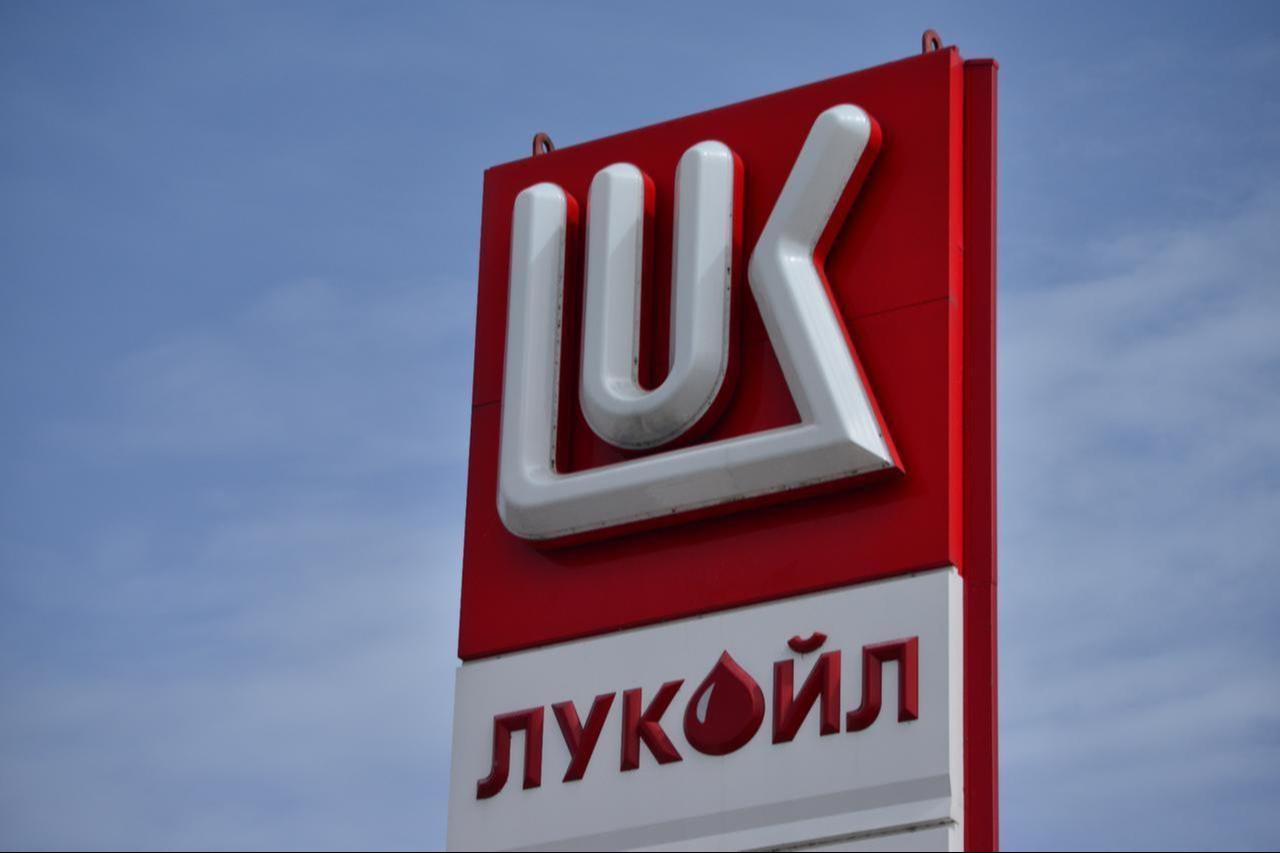
The transaction is not final and still requires approval from the Treasury Department, which oversees sanctions enforcement.
A Treasury spokeswoman said the Office of Foreign Assets Control “implements foreign policy as determined by the White House.”
Russian economic envoy Kirill Dmitriev has also been involved in the process and traveled to New York and Washington last month. He later said U.S.-Russia “dialogue” was continuing in several areas, including energy.
Because Lukoil is technically private but major decisions are widely viewed as requiring Putin’s approval, people involved in the process said the transaction ultimately depends heavily on decisions by Trump and Putin.
The Treasury Department has repeatedly extended sanctions deadlines while negotiations continue, allowing Lukoil gas stations in the U.S. and other businesses to keep operating with financial partners.
The latest extension runs through Oct. 29.


 Set as preferred source
 Set as preferred source


 1 min read
 1 min read