Newsletters


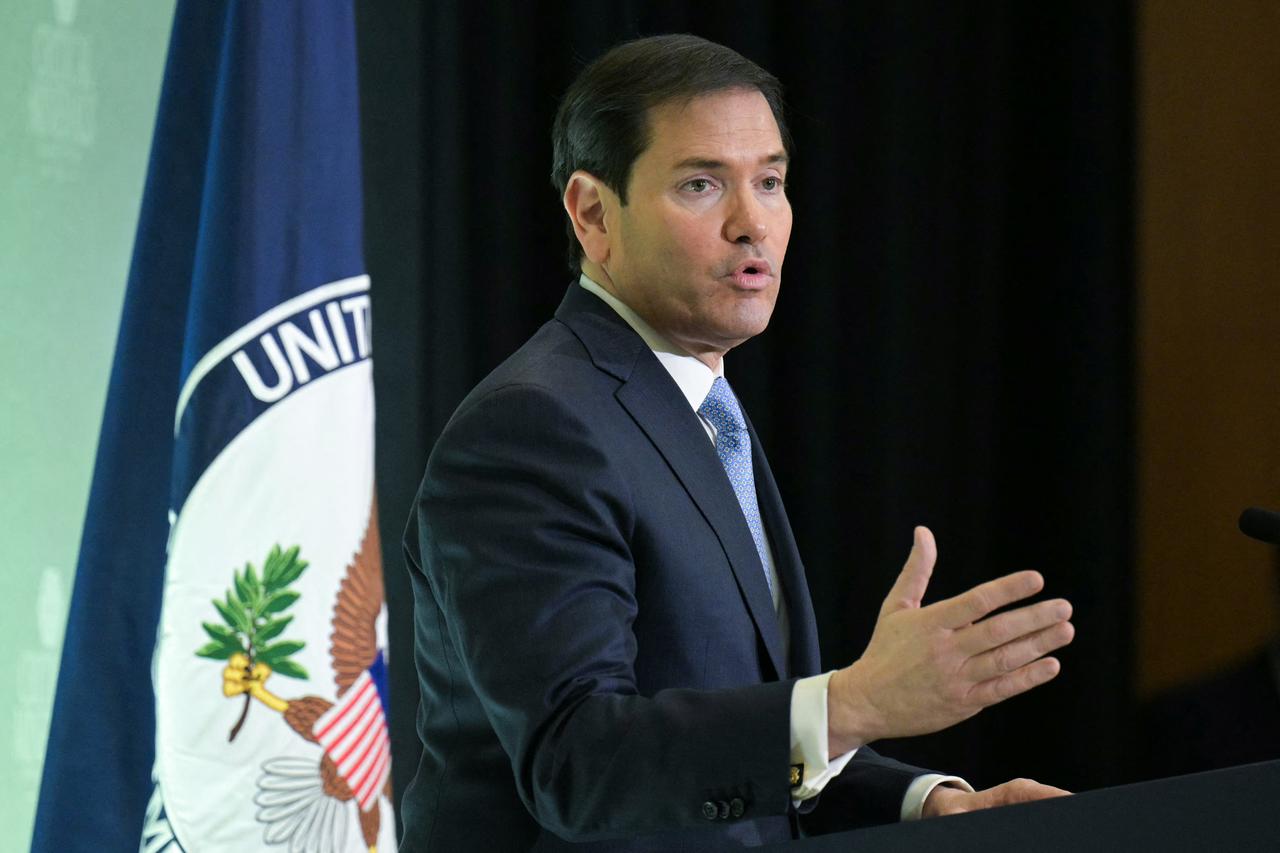


US Secretary of State Marco Rubio said Wednesday that the location for planned nuclear negotiations with Iran remains unsettled, as Tehran has requested last-minute changes to both the venue and format of discussions originally scheduled for Friday in Istanbul.
Speaking at a news conference before a critical minerals meeting, Rubio said American officials had believed a forum in Türkiye was agreed upon, but Iranian statements suggested otherwise.
According to Axios, Iran now wants to relocate the talks from Istanbul to Oman and shift from a multilateral gathering with Arab and Muslim observers to a strictly bilateral format with only American officials present.
"We thought we had an established forum that had been agreed to in Türkiye. It was put together by a number of partners who wanted to attend and be a part of it," Rubio said. "I saw conflicting reports yesterday from the Iranian side saying that they had not agreed to that, so that's still being worked through."
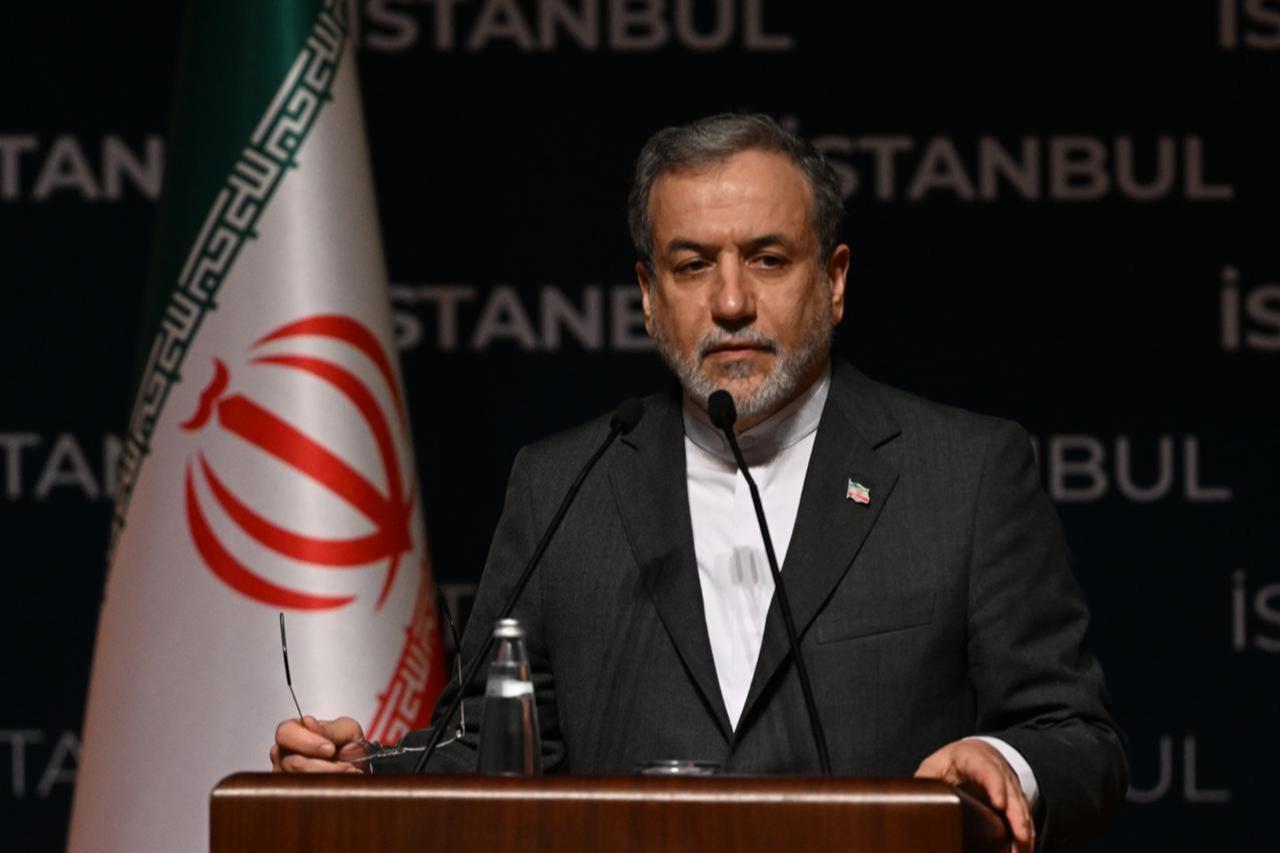

The requested changes comes as a reversal of understandings reached in recent days, according to sources familiar with the discussions who spoke to Axios. Several countries had already been invited to participate in the Istanbul meeting before Iran communicated its preference for a bilateral format in Oman instead.
The shift from a multilateral forum to one-on-one talks would exclude Arab and Muslim nations that had been expected to observe the negotiations. Tehran's insistence on Oman as the venue would also move discussions to a country with a long history of facilitating discreet diplomatic contacts between Washington and Tehran, rather than the more visible setting of Istanbul.
The secretary of state outlined an expansive agenda that any negotiations must address, extending well beyond Iran's nuclear program to include its ballistic missile capabilities, regional activities, and domestic human rights record.
"In order for talks to actually lead to something meaningful, they will have to include certain things, and that includes the range of their ballistic missiles, that includes their sponsorship of terrorist organizations across the region, that includes a nuclear program, and that includes the treatment of their own people," Rubio said.
Rubio emphasized that engaging in discussions with Iran would not represent American acceptance of the Islamic Republic's conduct. The clarification appeared designed to address potential criticism from lawmakers and allies wary of diplomatic engagement with Tehran without concrete concessions.
"Any talks with Iran would not amount to legitimization," he said.


 Set as preferred source
 Set as preferred source


 1 min read
 1 min read