Newsletters


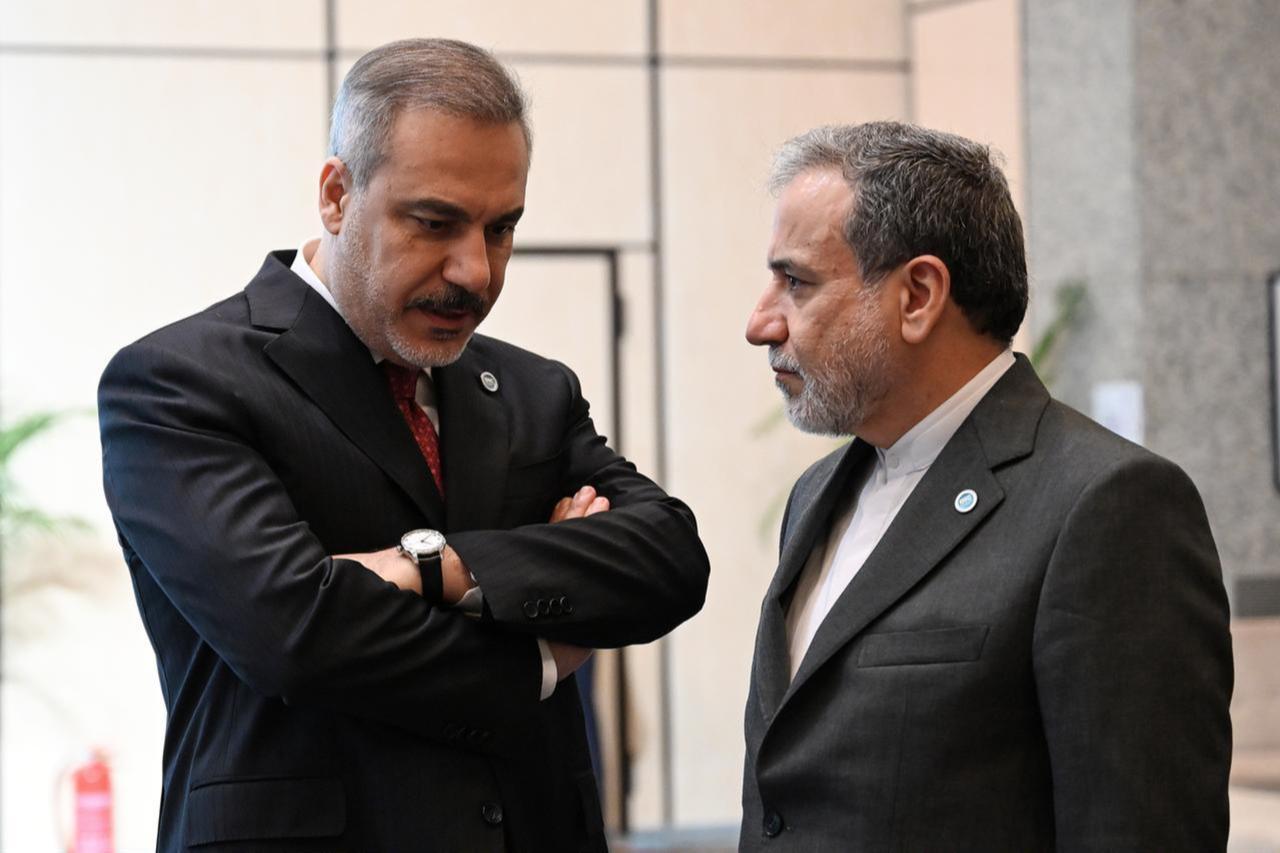


Iran has requested changes to the venue and format of planned nuclear negotiations with the United States just days before the scheduled Friday meeting in Istanbul, according to sources familiar with the discussions, raising doubts about whether the high-stakes diplomatic effort will proceed as planned.
Tehran now wants to relocate the talks from Istanbul to Oman and shift from a multilateral gathering with Arab and Muslim observers to a strictly bilateral format with only American officials present, two sources told Axios. The demands represent a reversal of understandings reached in recent days after several countries had already been invited to participate in the Istanbul meeting.
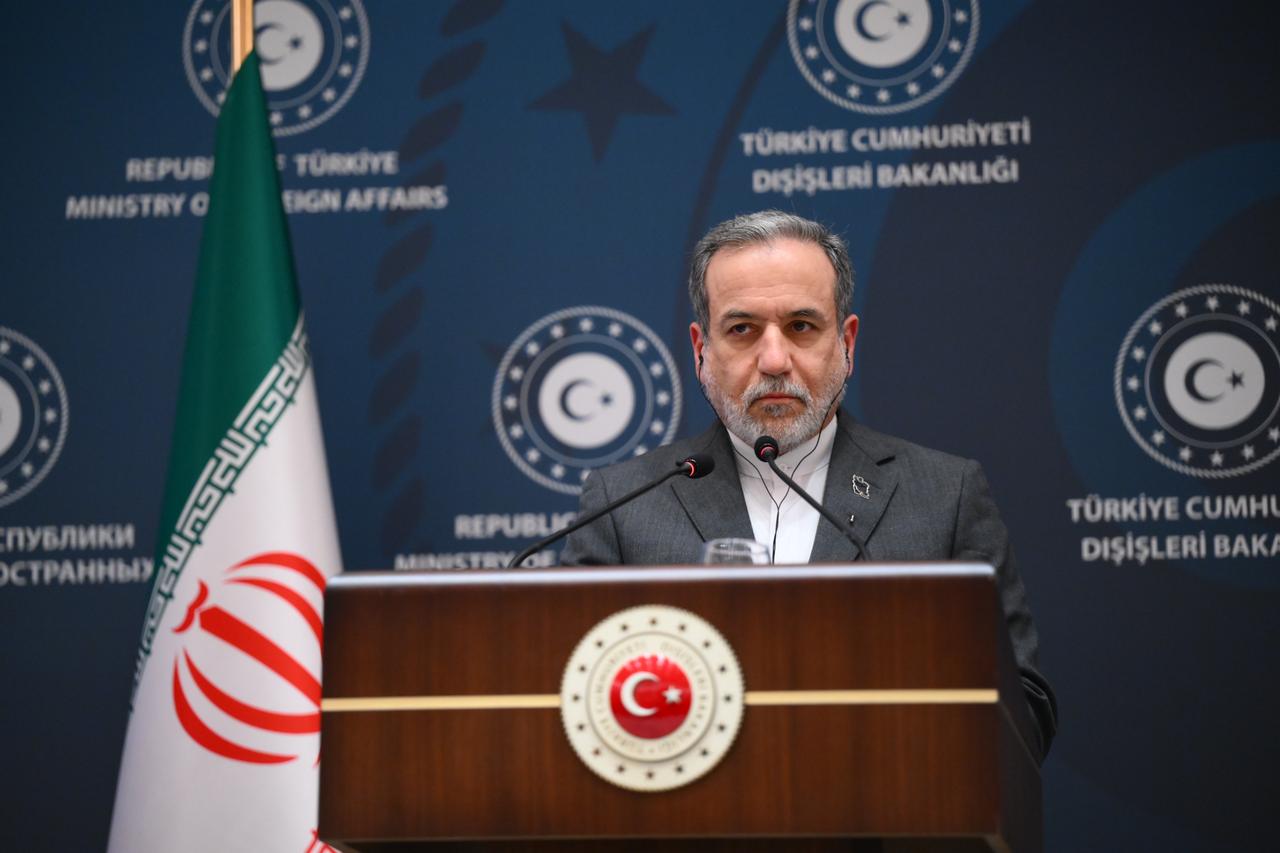
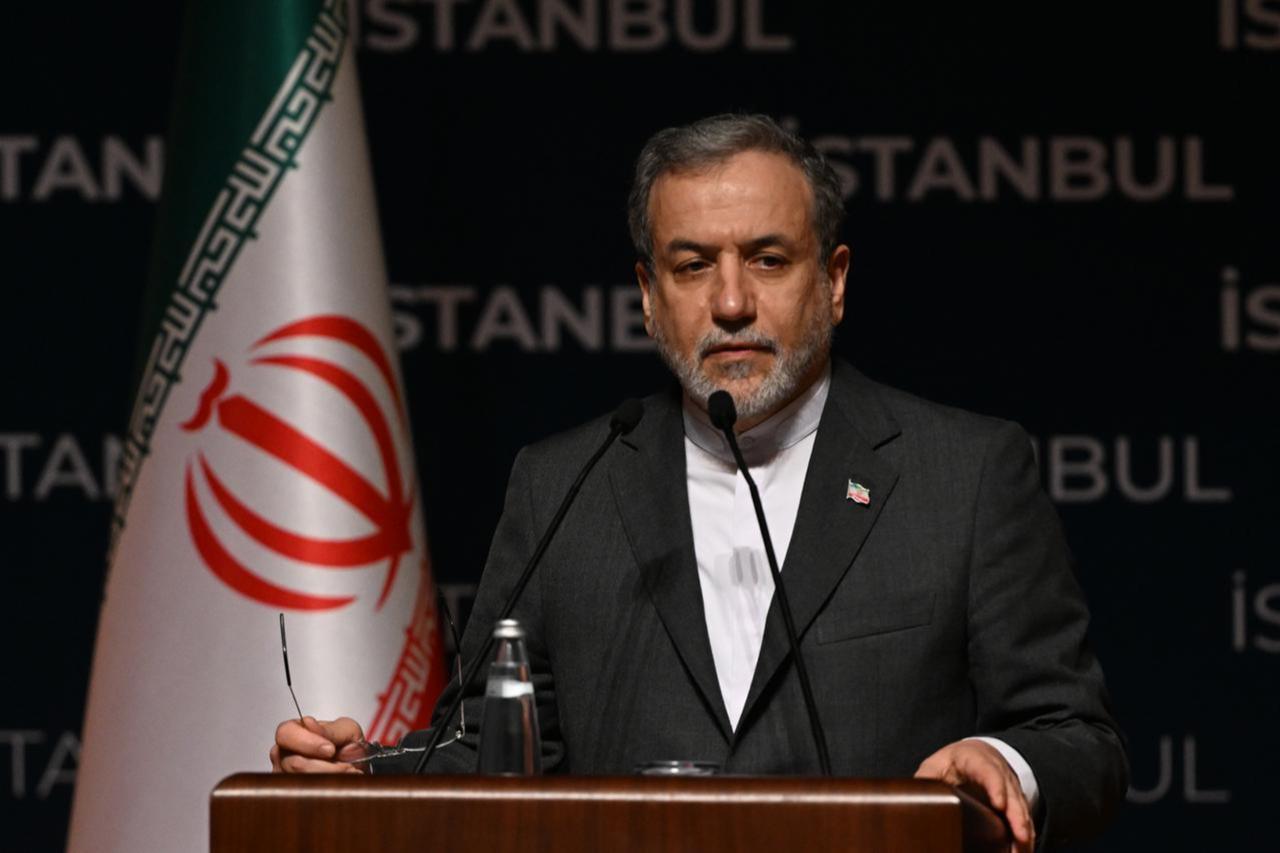
The last-minute changes come as President Donald Trump has assembled significant military forces in the Gulf region, creating a precarious moment where diplomatic failure could push the administration toward military options. Iranian Foreign Minister Abbas Araghchi and White House envoy Steve Witkoff are expected to lead the negotiating teams if the talks proceed.
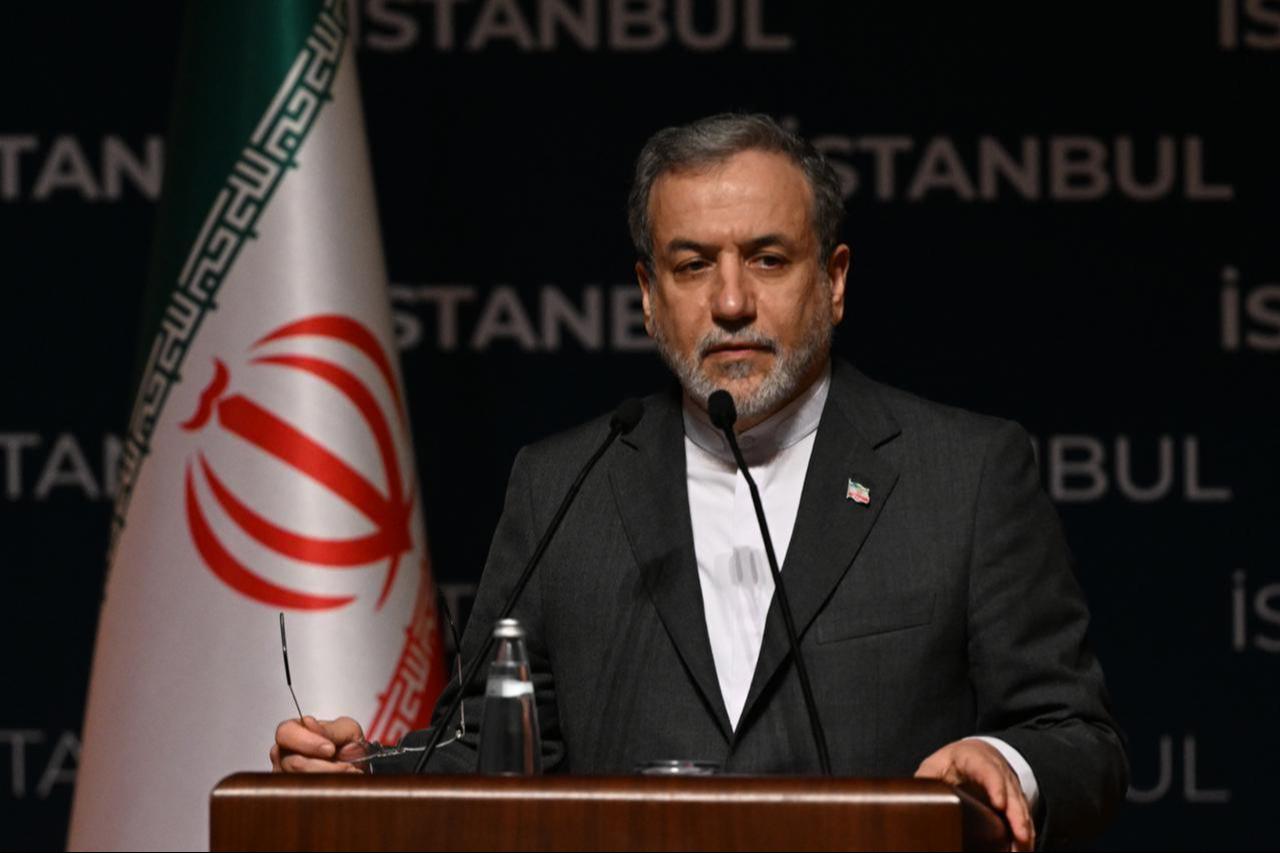

The negotiations were initially conceived as a broader regional effort in Istanbul to defuse tensions between Washington and Tehran. Foreign ministers from Saudi Arabia, Egypt, the United Arab Emirates, Qatar, Pakistan and Oman had been invited to participate in what a regional diplomat described as a mix of bilateral, trilateral and multilateral sessions in Türkiye's largest city.
Türkiye and other regional allies have been pushing for de-escalation between Washington and Tehran, with Istanbul positioned as a neutral ground for the complex diplomatic effort. A regional official, speaking on condition of anonymity, told Reuters that the format of the meetings remained unclear, but the "main meeting" would be on Friday and it was important to start dialogue between the parties to avoid further escalation.
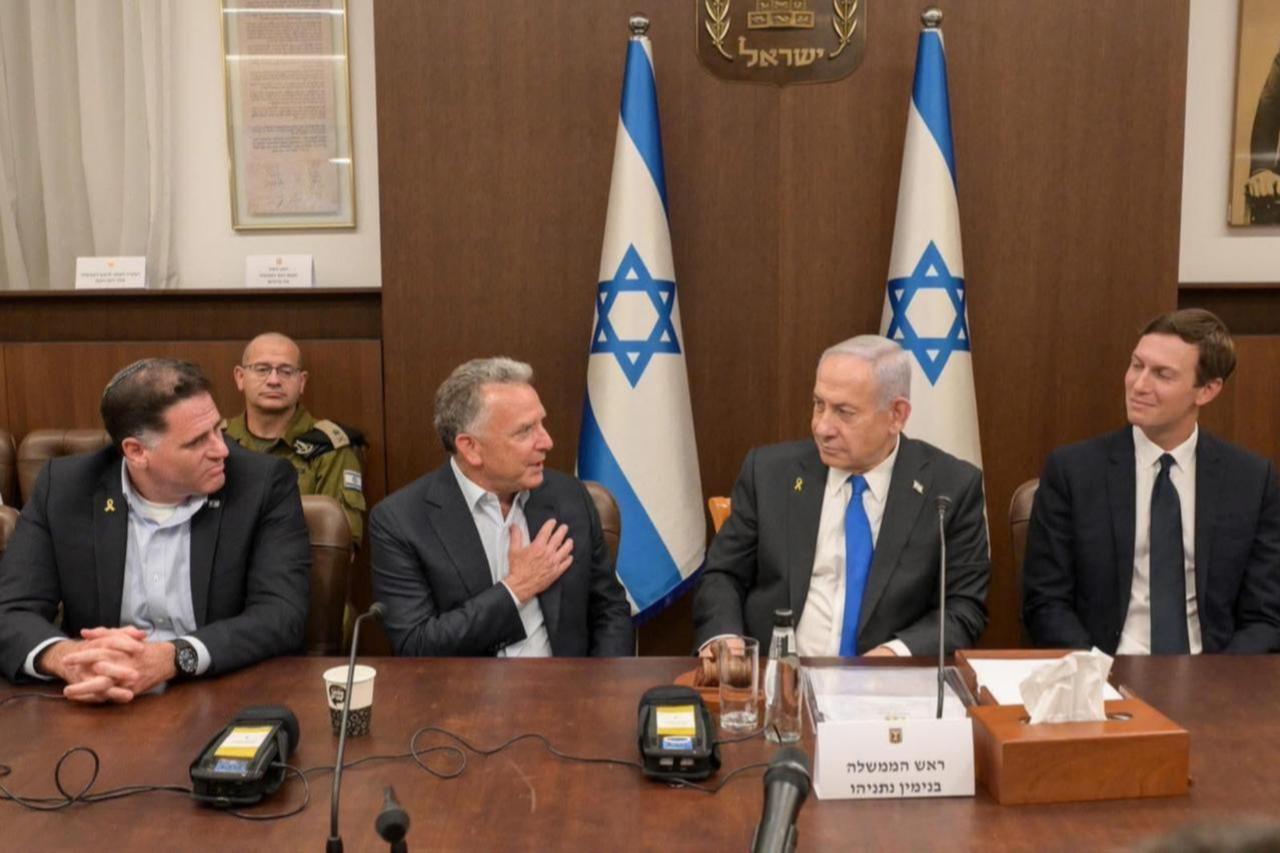
The Wall Street Journal and The New York Times reported that U.S. special envoy Steve Witkoff, President Trump's son-in-law Jared Kushner, and Iranian Foreign Minister Abbas Araghchi would meet, with Türkiye hosting and officials from Qatar, Egypt and other regional states expected to participate.
Araghchi held calls on Tuesday with his Omani and Turkish counterparts, and with the prime minister of Qatar, suggesting continued diplomatic maneuvering around the venue and format questions.
"The priority of Friday's, Feb. 6, U.S.-Iran talks in Istanbul is to avoid any conflict and de-escalate tensions," a regional official told Reuters on Tuesday.
Anwar Gargash, diplomatic adviser to UAE President Sheikh Mohamed bin Zayed, said at the World Governments Summit in Dubai that the Middle East cannot afford another confrontation. "I think that the region has gone through various calamitous confrontations. I don't think we need another one," Gargash said, calling for direct Iranian-American negotiations leading to understandings.
Behind the scenes, mediators from Türkiye, Qatar, Egypt, Oman and Iraq have been shuttling messages between Washington and Tehran, according to The New York Times. Araghchi and Witkoff have resumed direct contact via text messages, officials told the newspaper.
A Turkish ruling party official confirmed that Tehran and Washington have agreed to prioritize diplomacy and potential talks this week, potentially forestalling US military strikes.


 Set as preferred source
 Set as preferred source


 1 min read
 1 min read