Newsletters


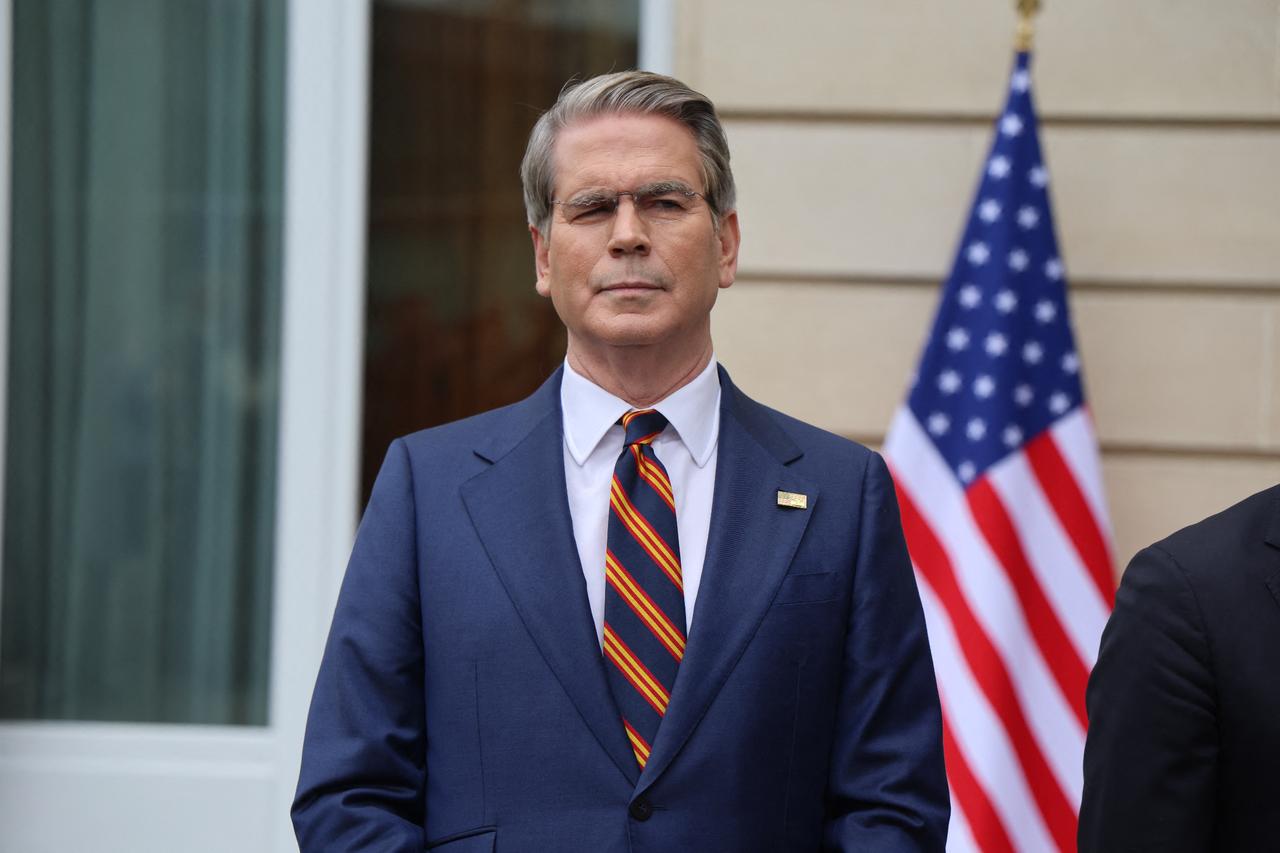


Treasury Secretary Scott Bessent defended the ongoing U.S.-Israeli military campaign against Iran on Sunday and backed President Donald Trump's threat to strike Iranian power plants, framing the administration's increasingly aggressive posture as a necessary path to ending the conflict.
"Sometimes you have to escalate to de-escalate," Bessent told NBC's "Meet the Press," a comment that drew immediate and sharp criticism from congressional Democrats.
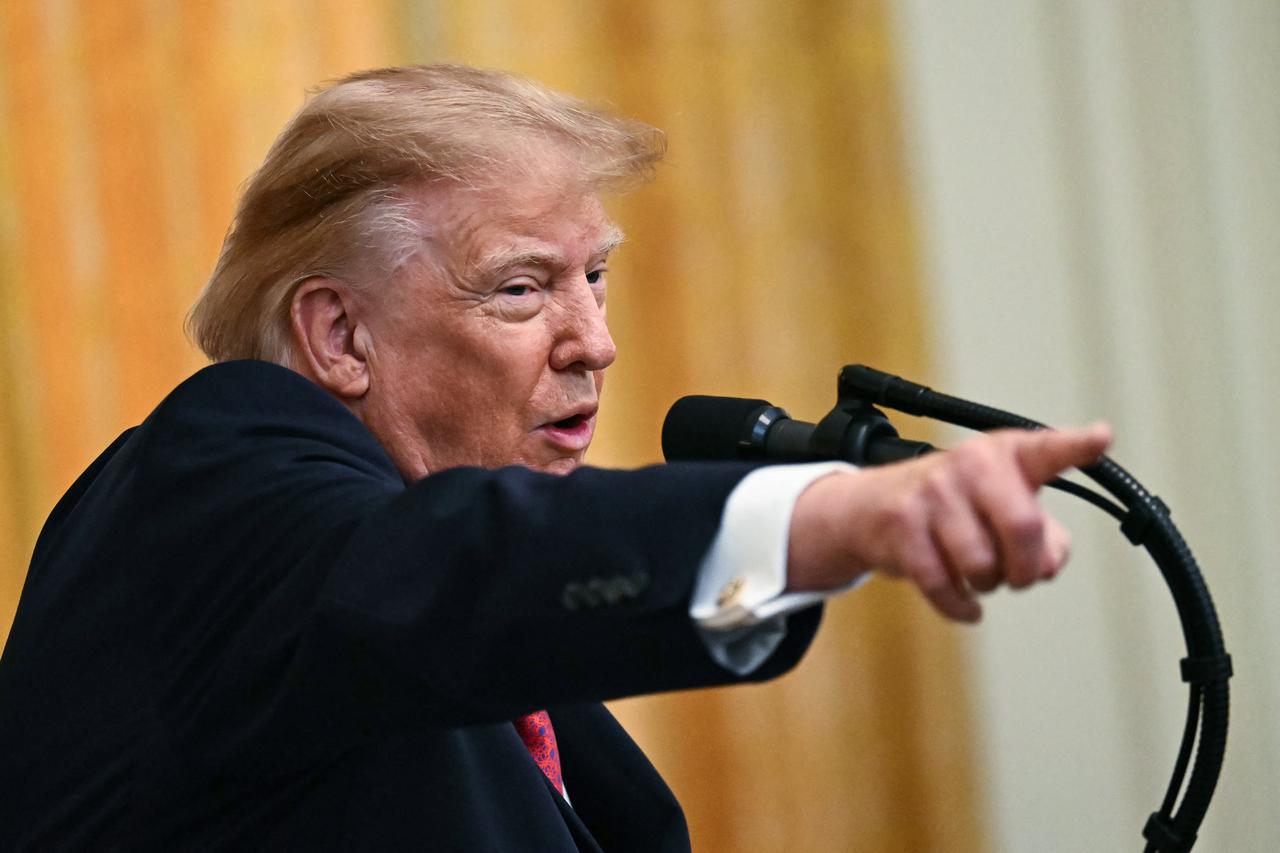
His appearance came just hours after Trump issued a 48-hour ultimatum to Iranian leaders on Truth Social, demanding they reopen the Strait of Hormuz or face strikes that would, in his words, "hit and obliterate" Iran's power plants, "starting with the biggest one first." Bessent dismissed concerns about the president's combative rhetoric, calling it "the only language the Iranians understand."
The exchange marked the latest escalation in a conflict that has rattled global energy markets, sent oil prices surging and raised the specter of a broader regional war since the U.S. and Israel launched joint military operations against Iran in February.
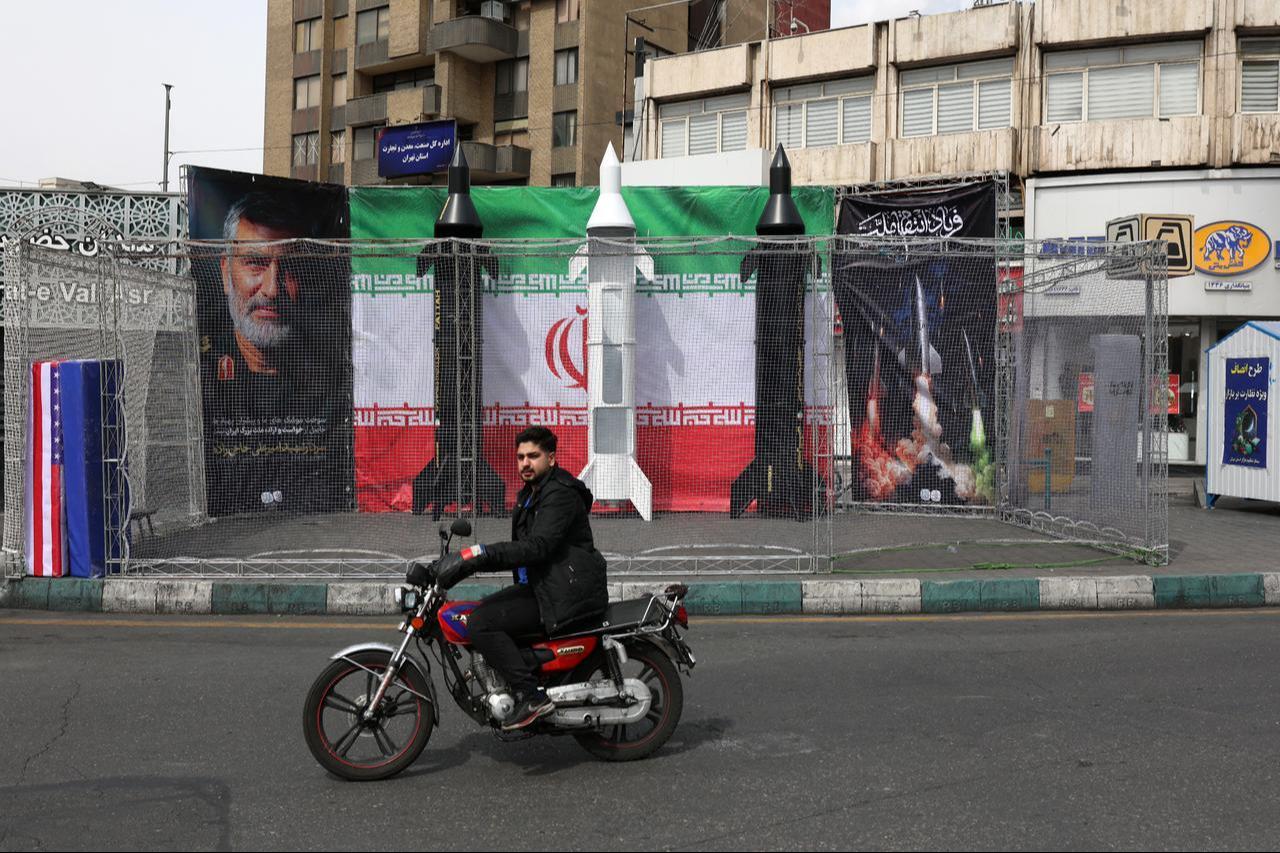
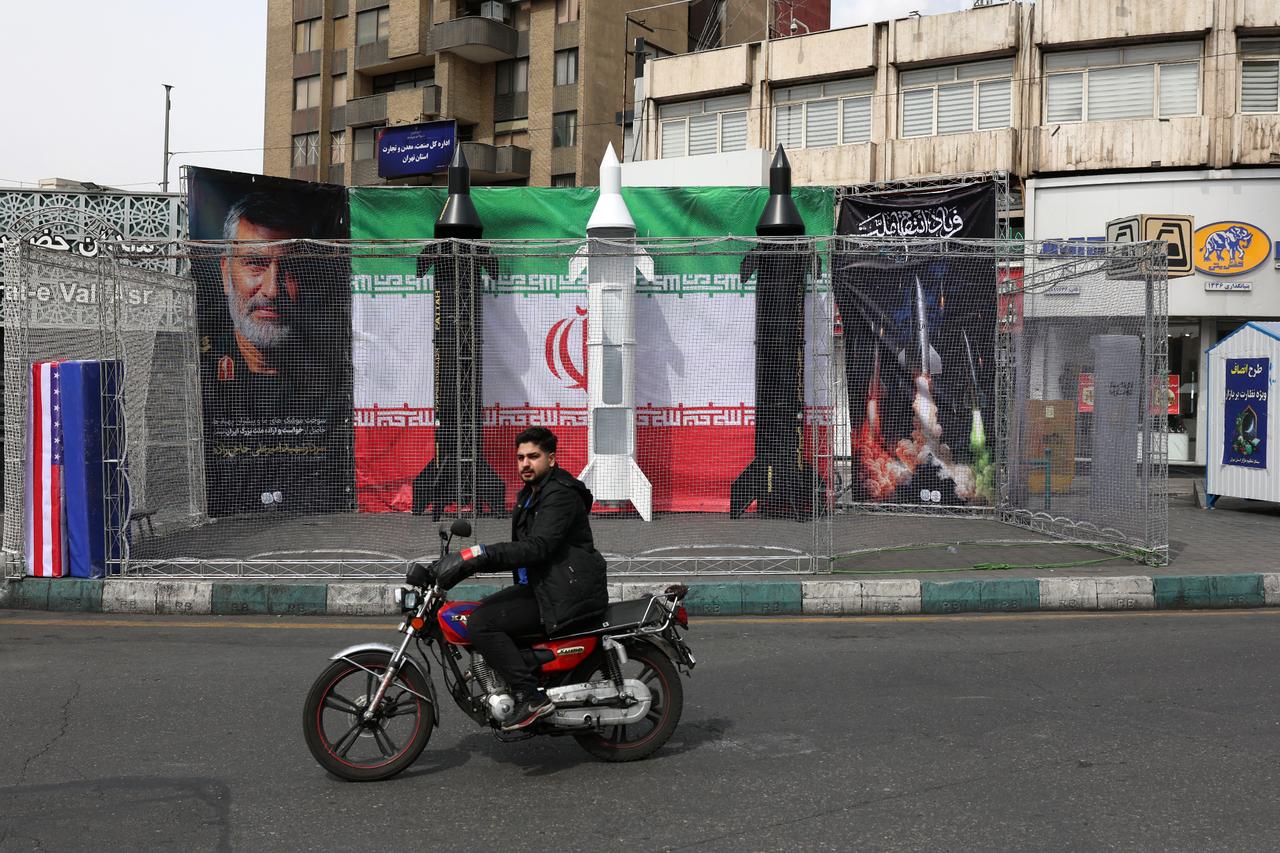
Tehran responded swiftly to the American threats. Col. Ebrahim Zolfaqari, a spokesperson for Iran's military command headquarters, warned through state news agency IRNA that any U.S. attack on Iranian fuel and energy infrastructure would be met with strikes on American-linked fuel, energy, information technology and desalination facilities across the region.
The warning underscored a pattern of mutual escalation that has defined the conflict. The U.S. has so far avoided targeting Iran's oil infrastructure even as it has conducted extensive strikes on military sites. Last week, Trump told NBC News that U.S. forces had "totally decimated" Kharg Island's military assets while deliberately sparing its energy facilities, "because having to rebuild that would take years." He then added that the military "may hit it a few more times just for fun."
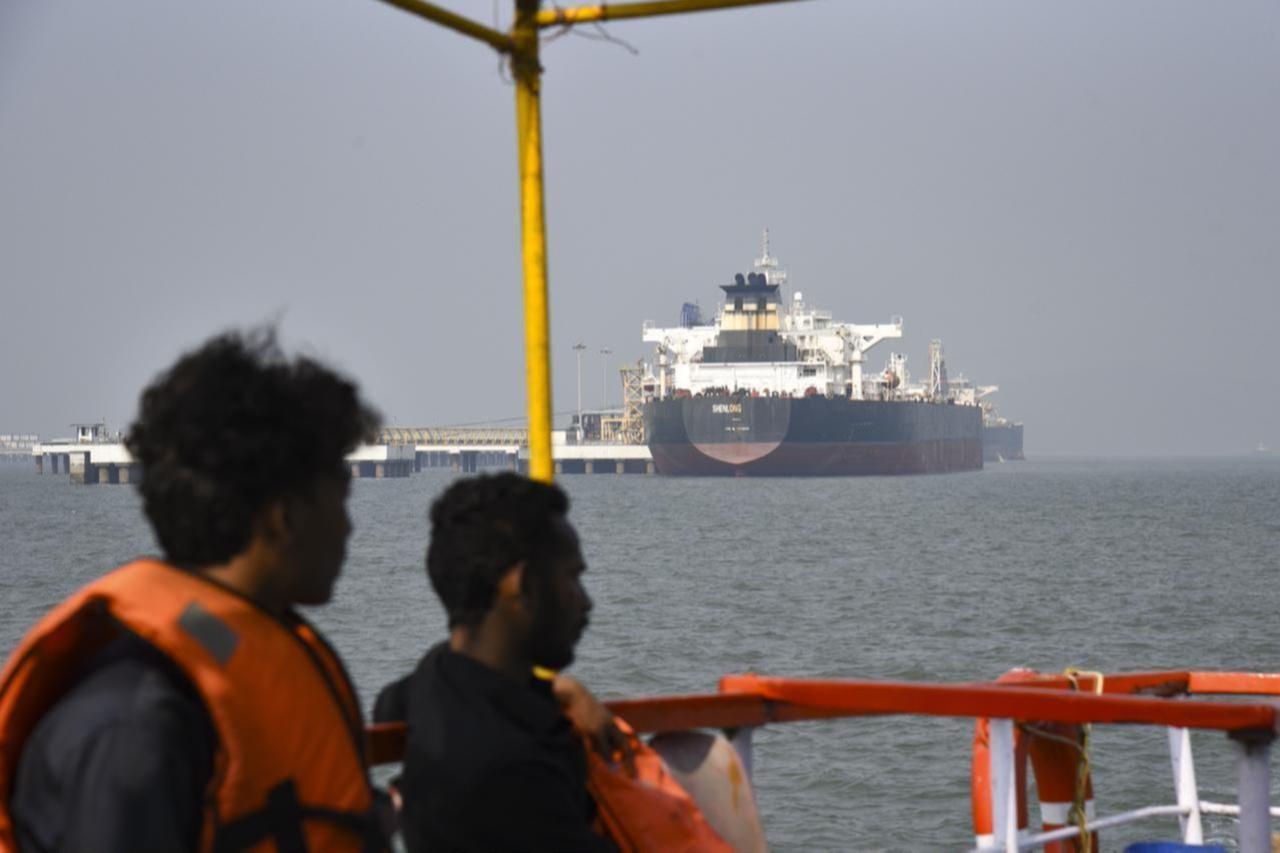
Kharg Island, a small coral outcrop roughly 15 miles off Iran's coast, is the central node of the country's oil export system. The island handles up to 90% of Iran's crude oil exports and has storage capacity for roughly 30 million barrels. Its deep surrounding waters allow the world's largest tankers to dock, something most of Iran's coastline cannot accommodate, making it irreplaceable to Tehran's oil-dependent economy.
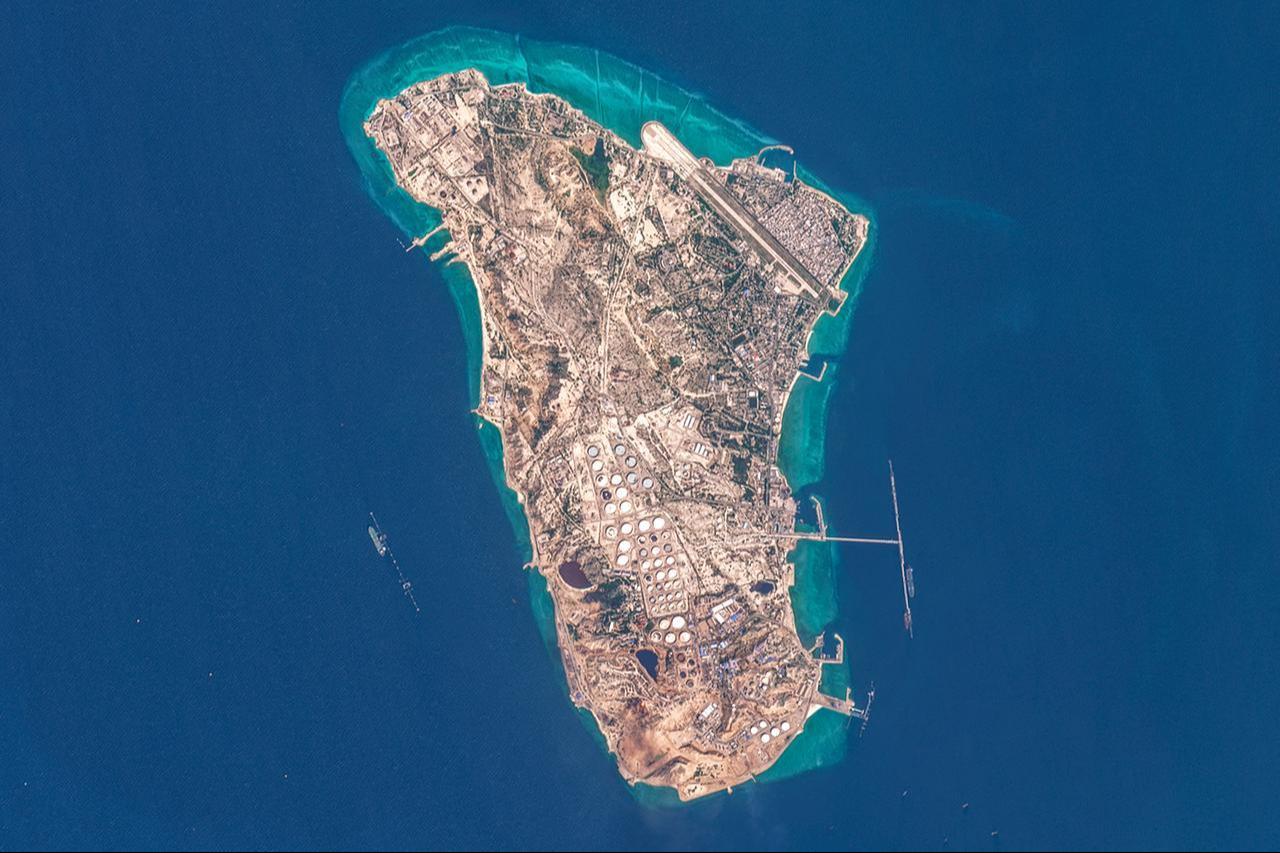

Bessent also addressed his own provocative remarks from earlier in the week, when he told Fox Business that military assets on Kharg Island had been destroyed and floated the idea that the island could "eventually become a U.S. asset." On Sunday, he declined to elaborate on what that would look like but told moderator Kristen Welker that "all options are on the table," including the deployment of American troops to secure the island.
U.S. officials told NBC News last week that Trump is actively weighing options to send troops to Kharg Island to take control of oil facilities on the island, which sits about 15 miles off the Iranian mainland.
The prospect of a U.S. military occupation of the island would represent a dramatic escalation. The island serves as the loading point for virtually all of Iran's seaborne crude shipments and generates tens of billions of dollars in annual energy revenue. The oil flowing through its terminals has been overwhelmingly destined for China, a dynamic that has given the broader conflict significant geopolitical dimensions.
Bessent also defended a seemingly contradictory move: the Treasury Department's decision last week to ease certain sanctions by permitting the sale of Iranian oil currently stranded at sea. He said the measure would quickly bring approximately 140 million barrels of oil to global markets and help relieve supply pressures caused by the conflict.
The treasury secretary framed the decision as a strategic maneuver rather than a concession to Tehran, describing it as "jujitsuing the Iranians" by "using their own oil against them." He argued the stranded oil "was always going to be sold to the Chinese" at a discount and that allowing its sale would instead benefit U.S. allies in Asia, including Japan, South Korea, Indonesia and Malaysia.
When pressed on why the administration would allow Iran to profit from oil sales in the middle of a war, Bessent was dismissive, saying Iran already receives enormous sums through its relationship with China. "Iran already gets a huge amount of the money, because Iran is the largest sponsor of state terrorism, and China has been funding them," he said.
Some experts have questioned the logic of boosting Iran's revenue stream during active hostilities, a tension the treasury secretary did not fully resolve during his appearance.
Sen. Chris Murphy, the Connecticut Democrat, appeared on the same program and delivered a sharp rebuke of the administration's approach. "This administration has totally lost touch with reality," Murphy said. "This war is spinning out of control. Prices are spiking for millions of Americans."
Murphy took direct aim at Bessent's escalation rhetoric, drawing parallels to past American military entanglements. "It's like they've never read a history book," Murphy said. "That's exactly what our leaders said in the middle of Vietnam and in the 20 years of mismanagement in Afghanistan."
"We need to end this war," the senator added.
The Strait of Hormuz, the narrow waterway separating Iran from the Arabian Peninsula, has been effectively closed to most commercial shipping since the start of the conflict in late February. Roughly 20 million barrels of oil per day and about a quarter of the world's seaborne oil trade normally transits the strait, and its closure has triggered sharp increases in oil and gas prices globally. According to analysis from the Federal Reserve Bank of Dallas, the disruption could raise the average price of West Texas Intermediate crude to $98 per barrel and reduce global GDP growth by nearly three percentage points in the second quarter of 2026.
Trump said last week he was working with international allies on plans to reopen the strait, but the path to doing so remains unclear as Iran continues to assert control over the waterway and threatens retaliation against any assault on its economic infrastructure.


 Set as preferred source
 Set as preferred source


 1 min read
 1 min read