Newsletters


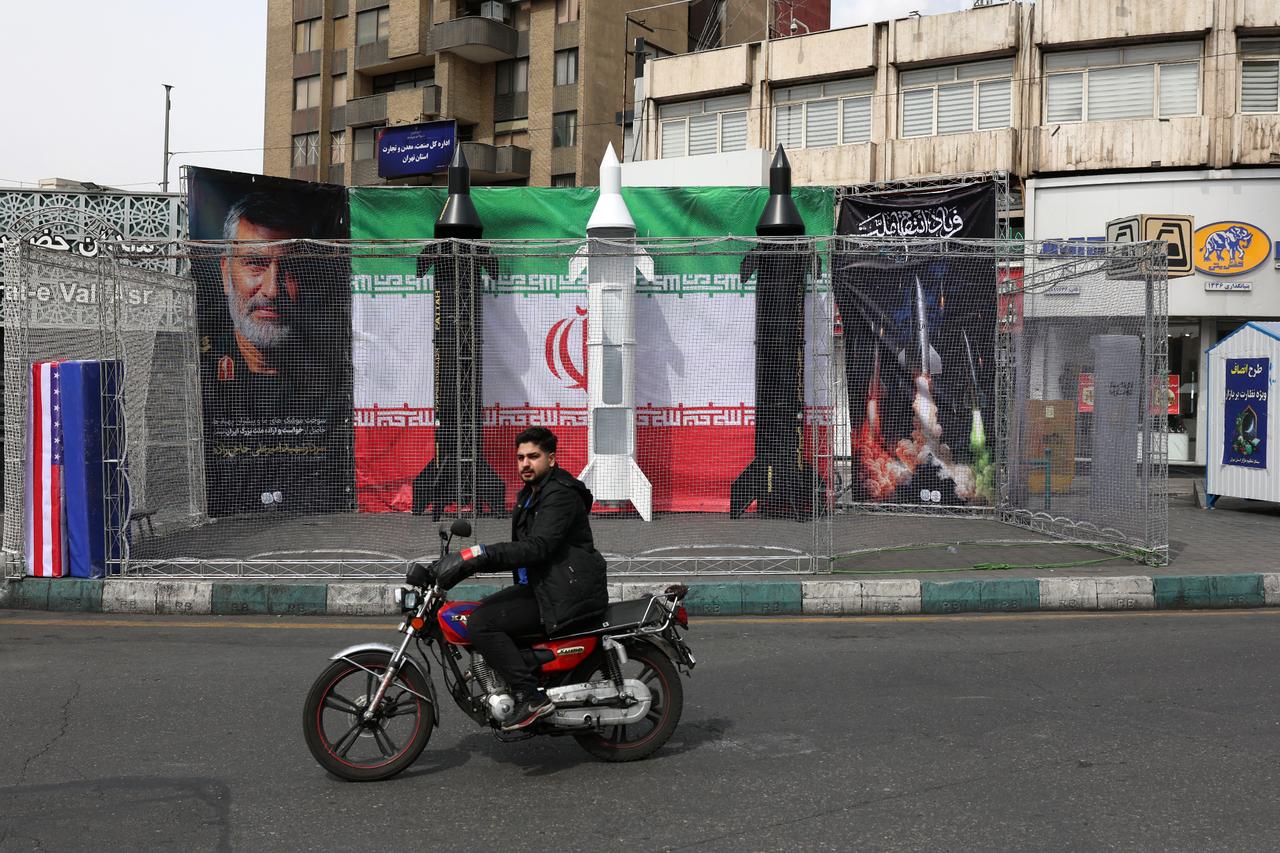


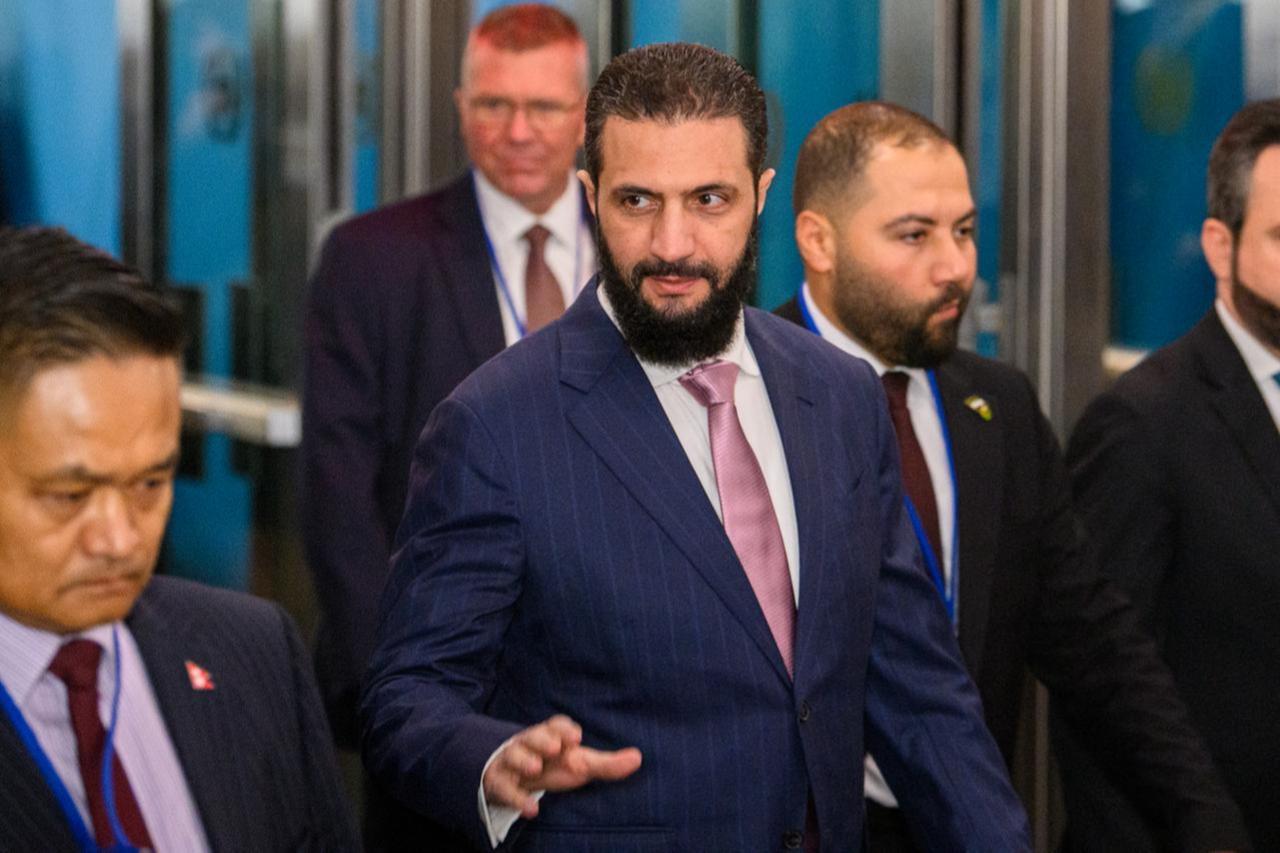
An Iranian official urged residents in Israel and Gulf countries to prepare for potential disruptions following a warning by U.S. President Donald Trump over the Strait of Hormuz.
Ismail Sekab Isfahani, an aide to Iranian President Masoud Pezeshkian, said in a post on the U.S.-based social media platform X that people in Israel and Gulf states should “store water and charge your phones within 48 hours.”
His remarks came in response to Trump’s statement that the United States would strike Iran’s power plants if Tehran does not fully reopen the Strait of Hormuz within 48 hours.
Isfahani said developments in the strait have put pressure on Trump and warned that potential Iranian attacks on Israeli and U.S. infrastructure in the region could increase that pressure further.
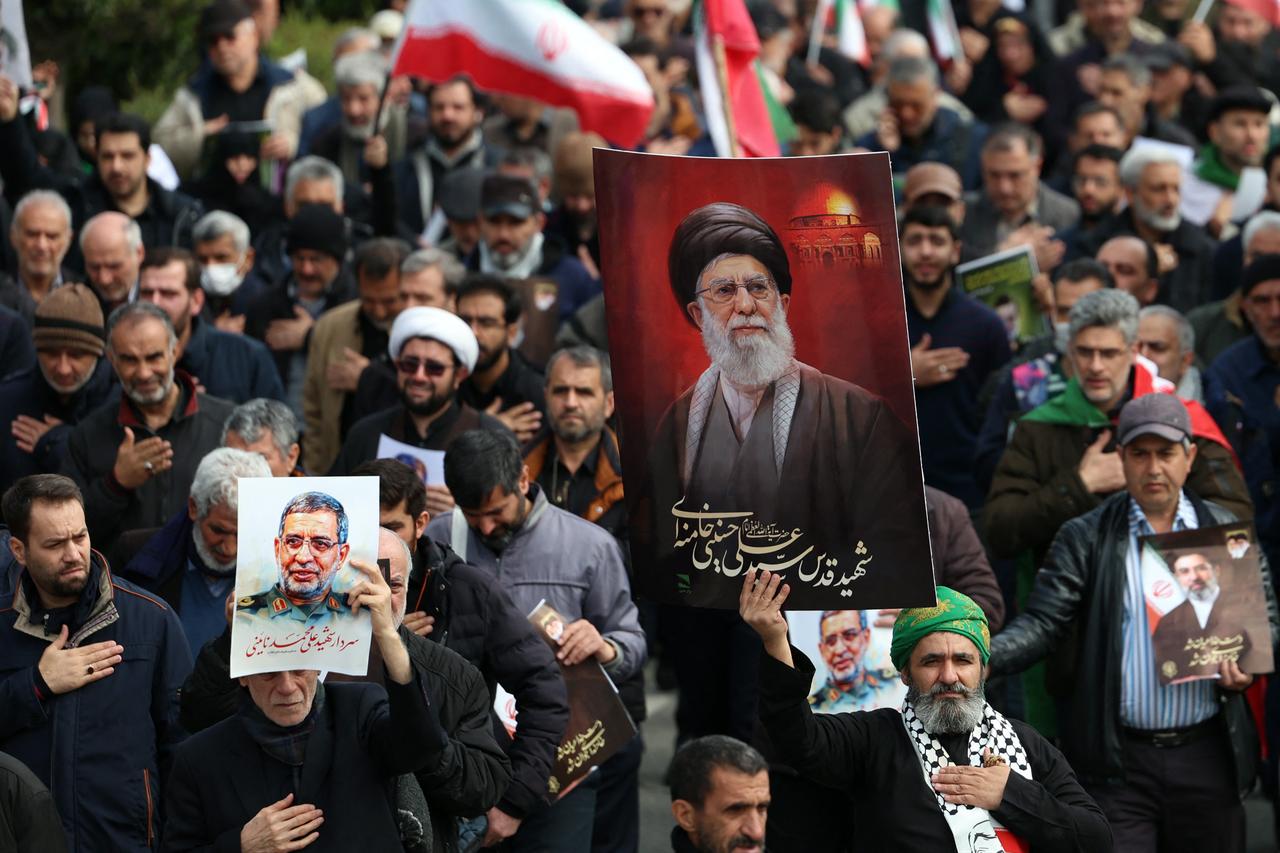
Iran’s First Vice President Mohammad Reza Aref warned that any attack on Iran’s infrastructure would lead to widespread power outages across the region.
“An attack on Iran’s infrastructure will cause a widespread blackout in the region,” Aref said.
 1 min read
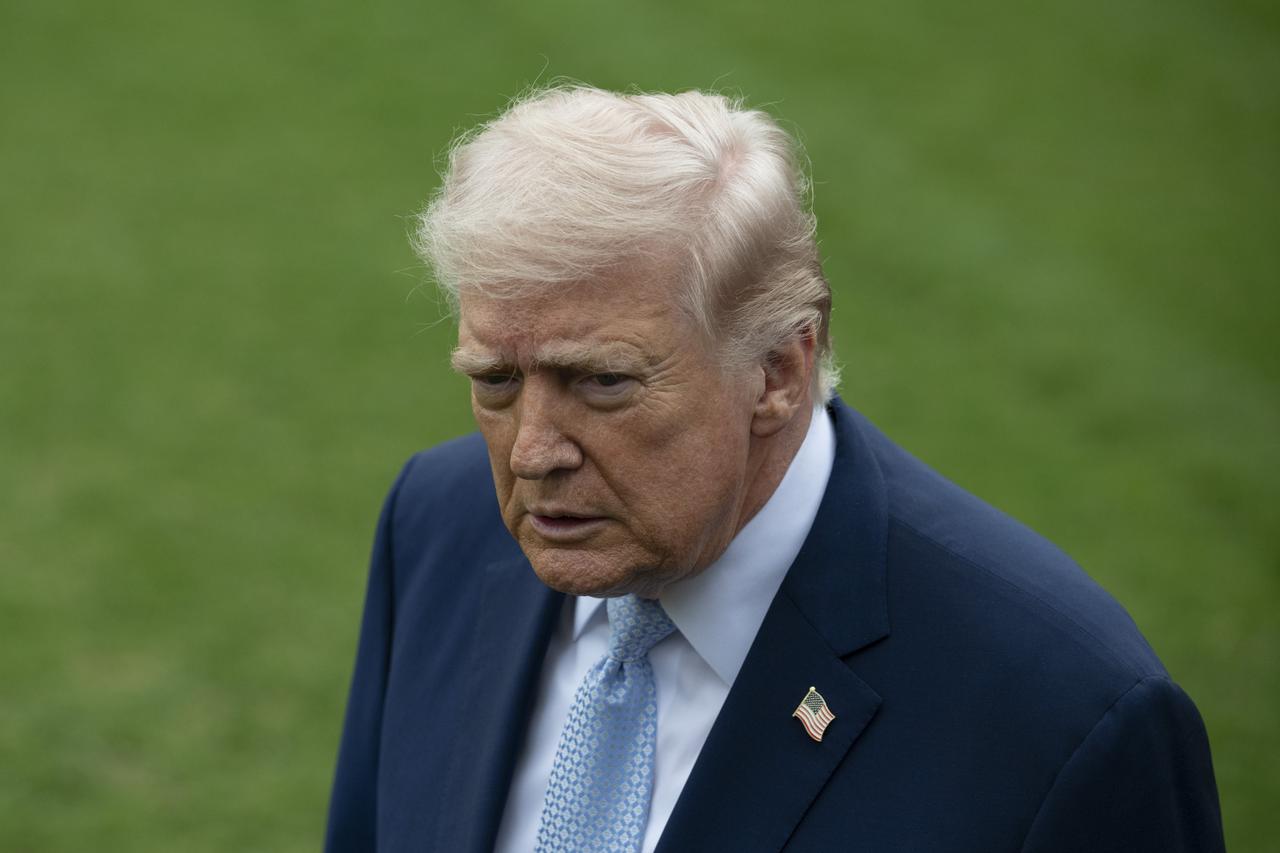
U.S. President Donald Trump issued a 48-hour ultimatum to Iran, threatening to “hit and obliterate” Iranian power plants if the Strait of Hormuz is not fully reopened to shipping.
“If Iran doesn't FULLY OPEN, WITHOUT THREAT, the Strait of Hormuz, within 48 HOURS… the United States… will hit and obliterate their various POWER PLANTS, STARTING WITH THE BIGGEST ONE FIRST!” Trump said in a post on Truth Social, setting a deadline of approximately 23:44 GMT Monday.
Trump did not specify which facility he referred to as the largest. Iran’s biggest power plant is the Bushehr Nuclear Power Plant on the Persian Gulf, the country’s only commercial nuclear facility.
Iran immediately vowed to retaliate by targeting U.S. and Israeli energy, IT and desalination infrastructure across the region.
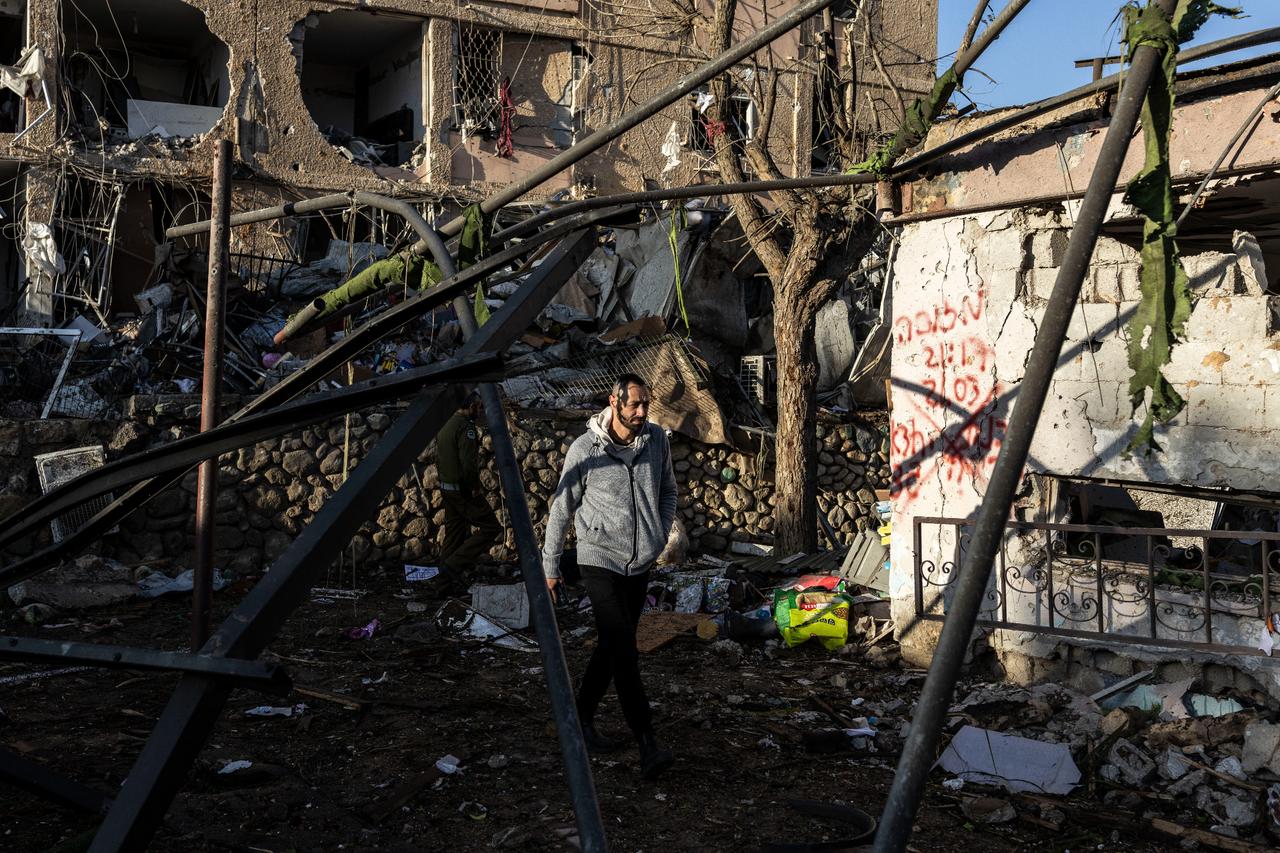
The escalation came as two Iranian missiles struck southern Israel in what was described as the most destructive attack since the war began.
Trump’s ultimatum marked a significant shift in his rhetoric. He had previously said he avoided targeting power plants in Tehran because rebuilding them would take years and cause “trauma” to civilians.


 Set as preferred source
 Set as preferred source


 1 min read