Newsletters


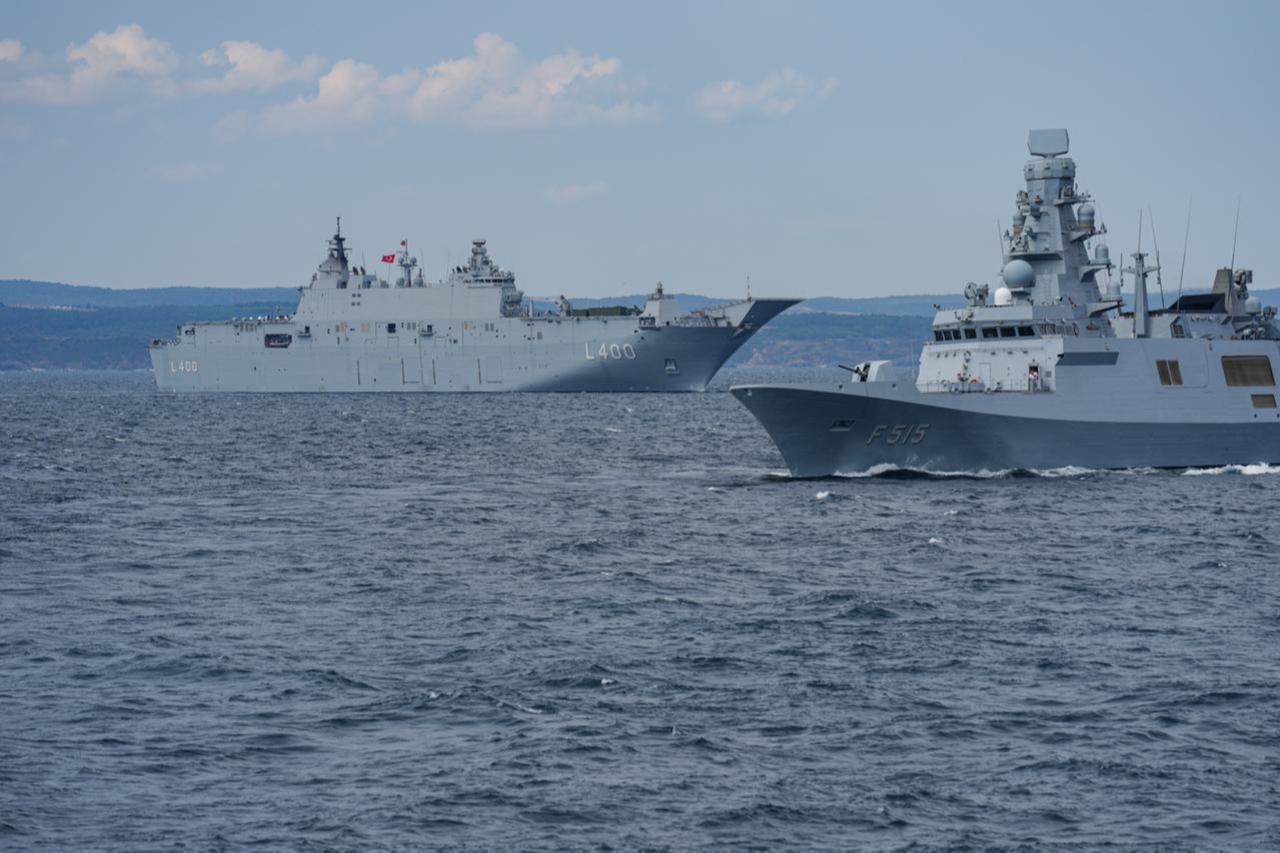


Türkiye has denied reports of joint naval shipbuilding with the U.S., dismissing claims that the two NATO allies are discussing frigate construction and ship component production to help solve Washington’s shipyard crisis.
In a statement to Türkiye Today, the Ministry of National Defense has denied reports of a joint naval shipbuilding venture with the United States.
While acknowledging that "many cooperation activities" are underway with its NATO ally, the ministry clarified that "there is no work in the field of joint shipbuilding," cooling speculation that Turkish yards might help resolve Washington's current frigate production crisis.
The statement acknowledged ongoing bilateral cooperation activities but explicitly ruled out shipbuilding collaboration.
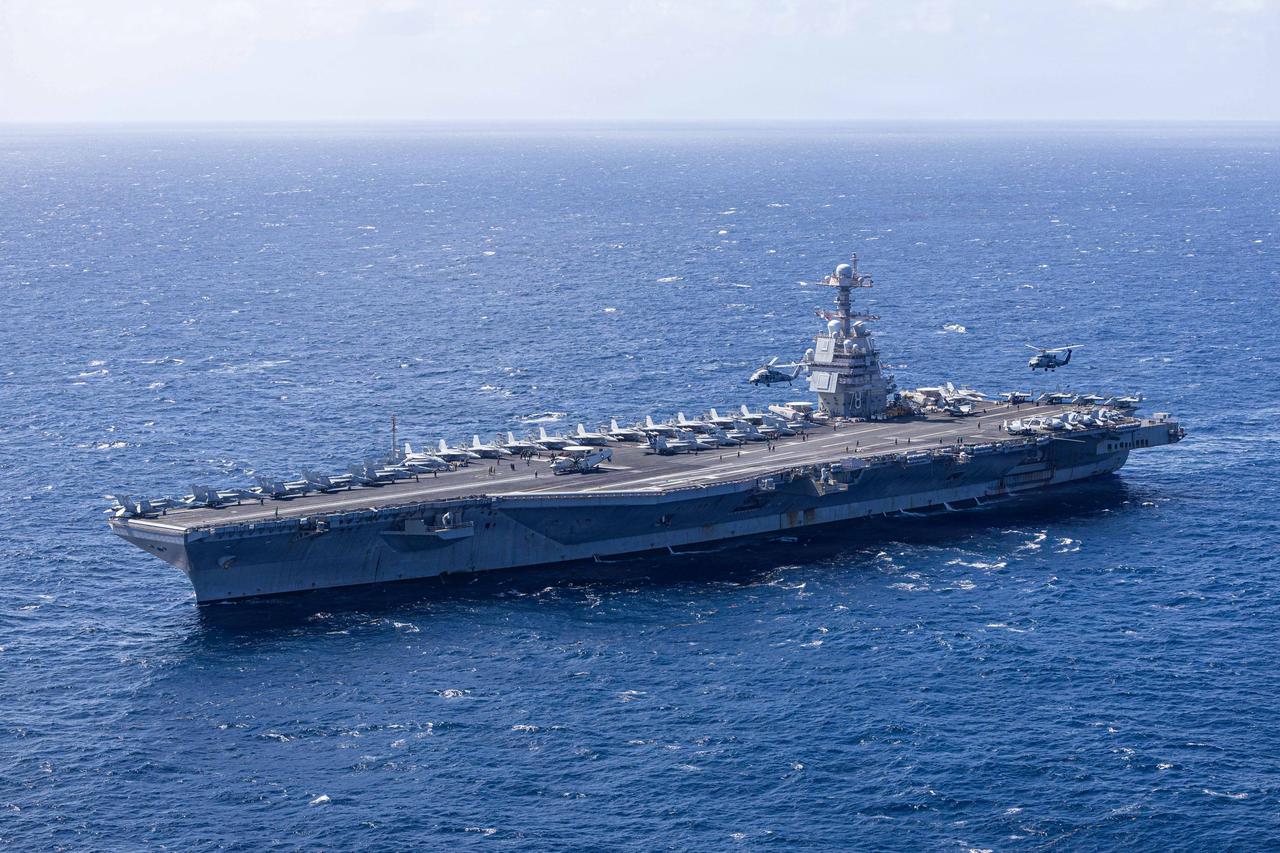

The U.S. State Department declined to address specific questions regarding formal or informal shipbuilding discussions when contacted by Türkiye Today.
Instead, a spokesperson provided a generalized acknowledgment of the bilateral relationship, stating, "Türkiye is a valued NATO Ally with a large and growing defense industry. We have a robust defense trade with Türkiye."
This pivot away from the shipbuilding inquiry was met with silence from the Naval Sea Systems Command (NAVSEA), which did not immediately respond to a request for comment.
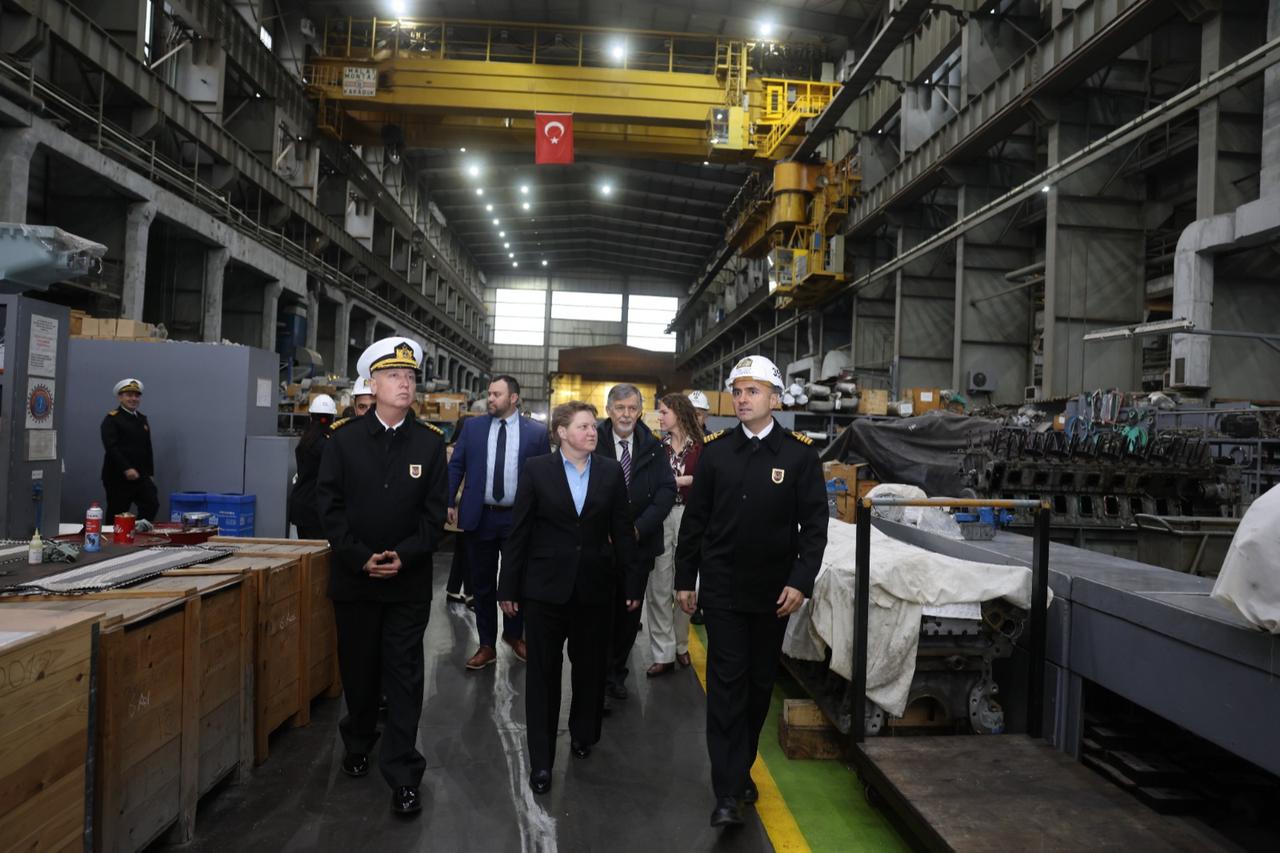
The denials contrast with a Feb. 3 report by Middle East Eye (MEE) citing officials who said the United States and Türkiye had been holding talks since last year on naval shipbuilding cooperation as the U.S. Navy seeks to expand its fleet amid growing competition with China.
According to that report, a delegation from NAVSEA visited the Istanbul Naval Shipyard Command on Jan. 25. U.S. representatives reportedly explored whether Türkiye could supply ship components, while discussions also floated the possibility of Ankara helping the U.S. Navy build additional frigates.
"The U.S. and Turkish navies have a strong partnership at sea and are always looking for ways to expand that partnership," a U.S. spokesperson told MEE at the time, describing Türkiye as a "deeply valued NATO ally."
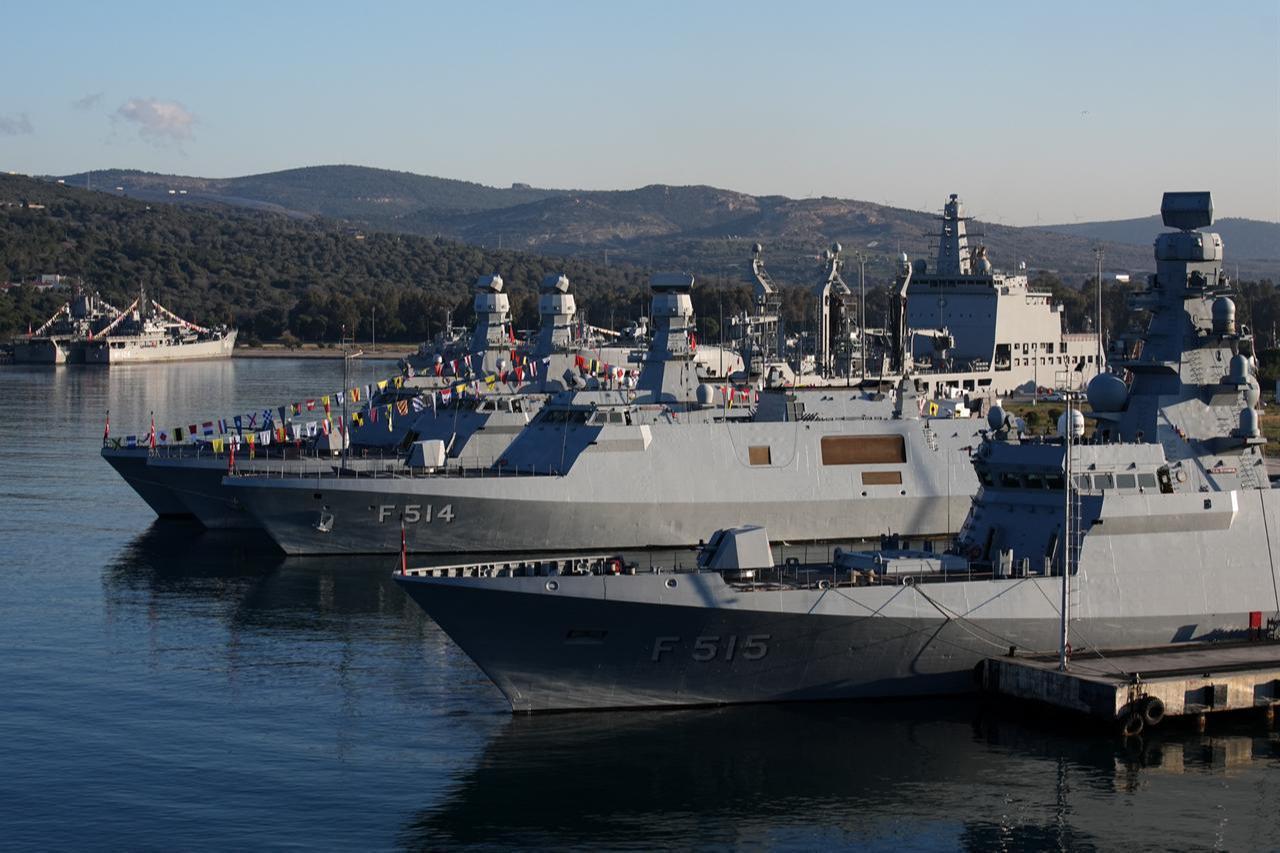
A U.S. official told MEE that early discussions with Türkiye underscored the severity of America's shipbuilding problem.
"The U.S. shipbuilding industry is in a real crisis, and the Trump administration has talked with Türkiye about meeting its needs," the official said.
"The Department of Defense has already been looking for alternative production sites," a U.S. State Department official added.
The Trump administration aims to rebuild U.S. shipbuilding and expand the Navy’s fleet, and has so far relied on allies such as Japan and South Korea for expertise after decades of underinvestment at home.
Any deeper defense cooperation with Türkiye could face scrutiny in Congress, which imposed sanctions on Ankara over its 2019 purchase of the Russian S-400 air defense system under the Countering America's Adversaries Through Sanctions Act (CAATSA).
"Among advocates of closer cooperation with Türkiye in the administration, shipbuilding is viewed as a way to strengthen ties while working around the sanctions," a former U.S. official told MEE.
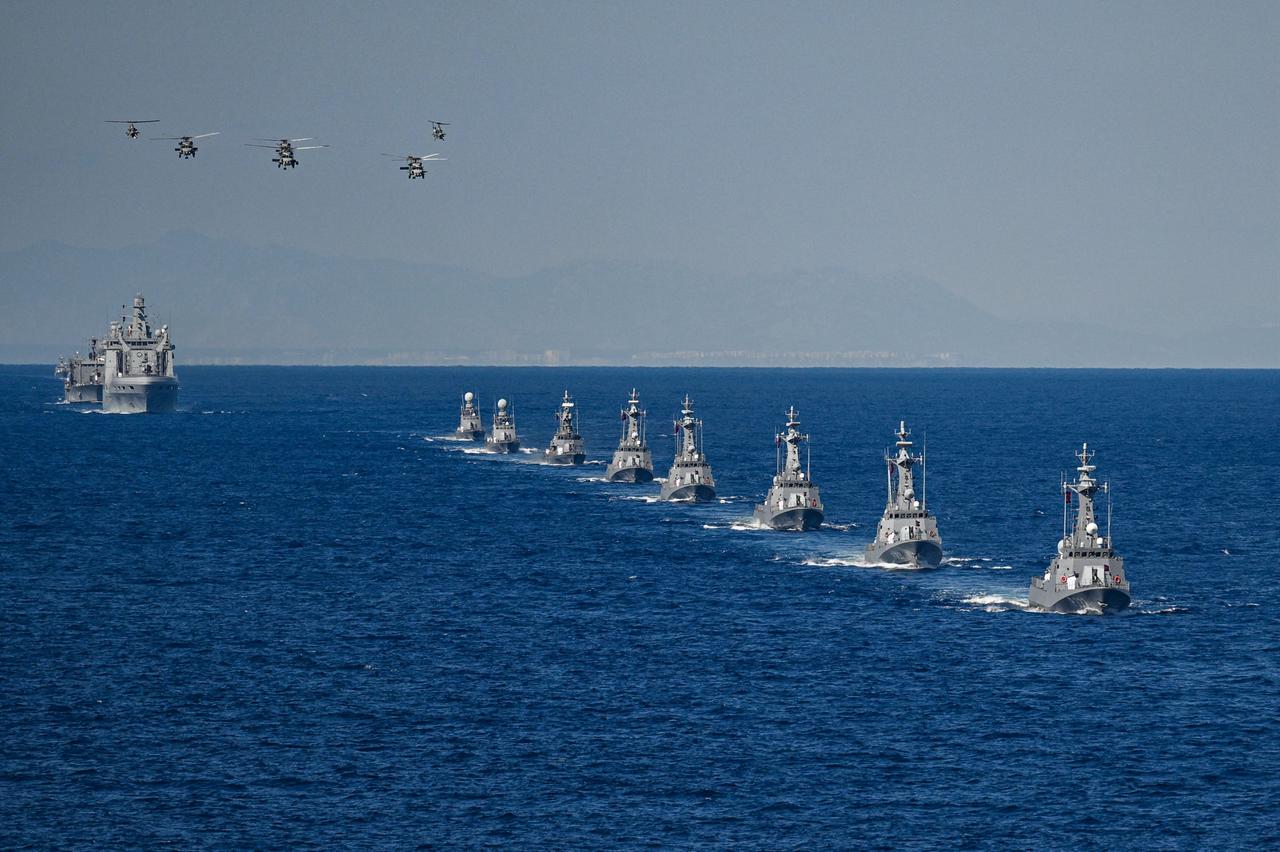
A defense industry expert, Kubilay Yildirim, told MEE that Ankara could help Washington with "production volume, timelines, risk sharing, and workload distribution."
Unlike in the U.S., Turkish shipyards are geographically concentrated around Pendik and Tuzla near Istanbul and across the water in the Yalova region, allowing them to adapt to new projects quickly, Yildirim noted.
"America's biggest challenge is increasing ship production while simultaneously developing new designs and addressing the overhaul and modernization needs of an aging fleet," he said.
"For these processes, the U.S. lacks sufficient manpower, shipyards and dry docks," he noted.
A Turkish source familiar with the country's shipyards told MEE that Istanbul Naval Shipyard has spare capacity that could help the U.S. build additional vessels.
Yildirim noted that Türkiye has sufficient welders and skilled personnel, access to multiple steel and component suppliers, and shipyards well accustomed to military shipbuilding projects.
Turkish shipyards are "highly innovative," routinely automating parts of the production process, whereas many U.S. yards still rely heavily on manual labor, he noted.
"These technologies are now beginning to mature, and Türkiye is one of the countries where they are being developed and incubated," Yildirim concluded.
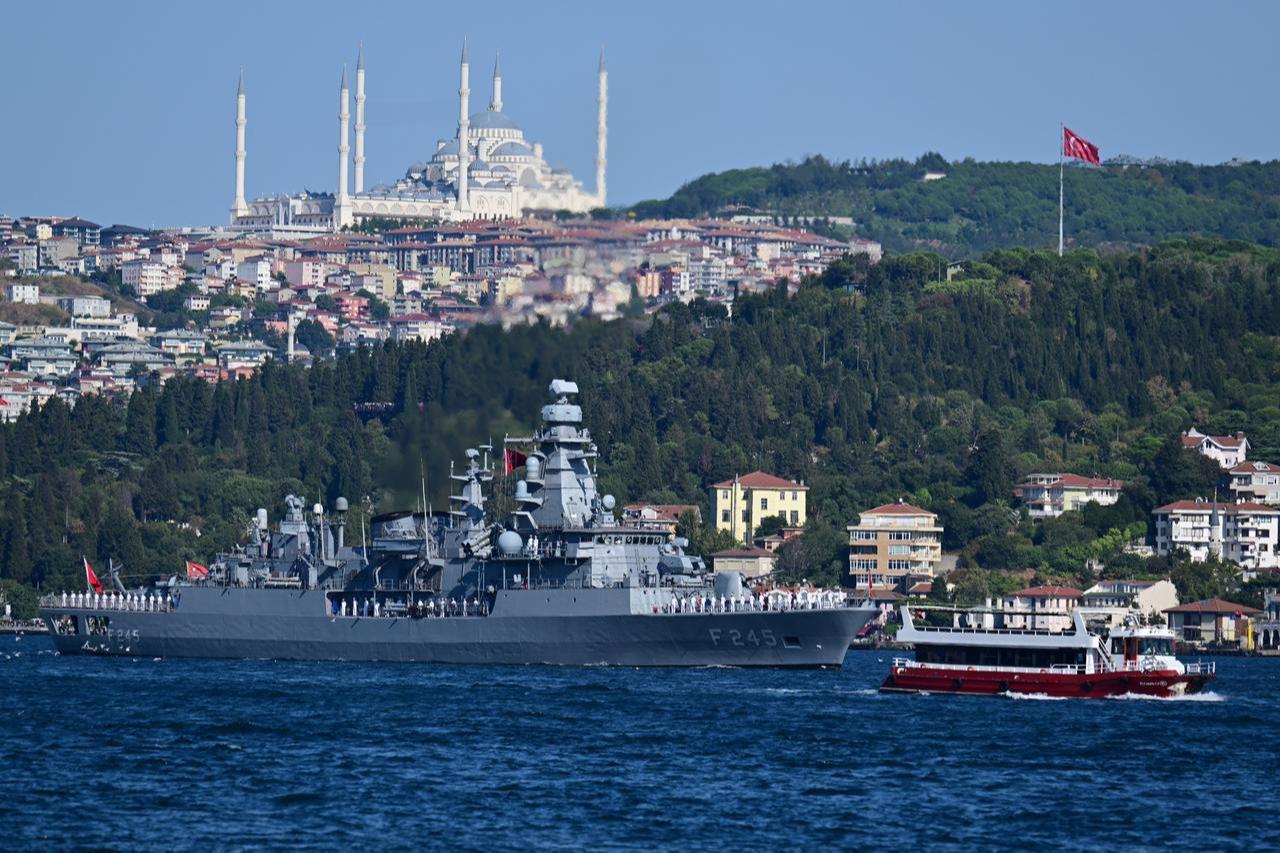
Türkiye’s Defense Ministry said Thursday that construction of 39 naval vessels is continuing simultaneously across the country’s shipyards.
The ministry added that global and regional developments are being closely monitored, with planning underway to ensure the procurement of the platforms and systems needed for defense and security in sufficient numbers and capability.
"Our ship construction activities are planned through a strategy that prioritizes the needs of our Navy, aims to create a sustainable ship construction ecosystem by enabling the development of our shipbuilding infrastructure and evaluation of export opportunities, conducted in coordination with the Presidency of Defense Industries," the ministry stated.
"Within this framework, the simultaneous construction of 39 ships is being maintained in our shipyards, and this situation is a concrete indicator of our country's commitment to developing and renewing our naval power with domestic and national platforms," the ministry added.
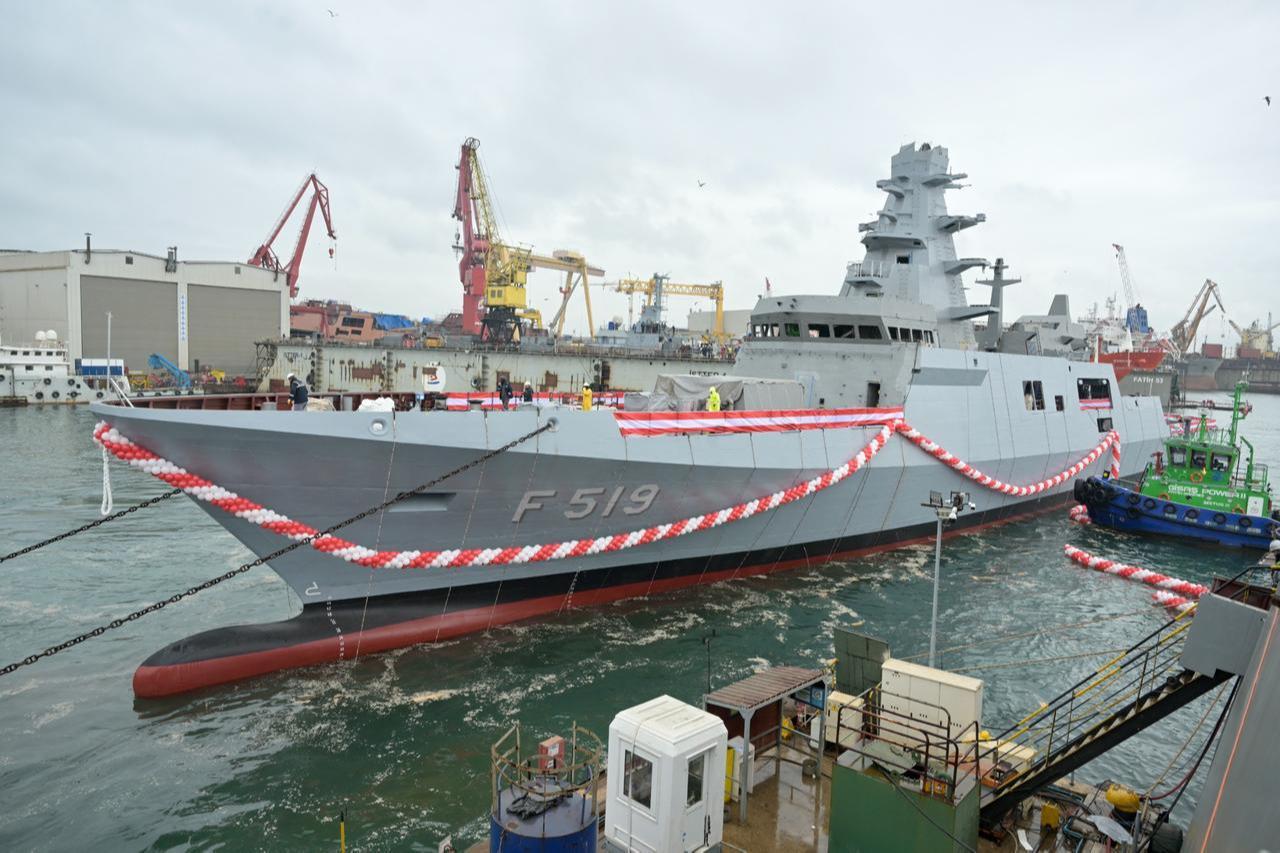
The ministry also addressed an agreement signed during DIMDEX-2026, an exhibition held in Qatar.
Turkish shipbuilder TAIS Shipyards and Qatar-based Barzan Holdings signed a memorandum of understanding covering the construction of two Istif-class frigates.
The ministry clarified that the agreement "is not a finalized agreement, and does not contain any provisions regarding the construction and delivery timeline of the ships."
"The memorandum of understanding with Qatar and third countries regarding the supply of Turkish naval systems is not a finalized agreement, and does not contain any provisions regarding the construction and delivery timeline of the ships. For this reason, the allegations in the media do not reflect reality," the ministry stated.


 Set as preferred source
 Set as preferred source


 2 min read
 1 min read