Sign in
 Newsletters


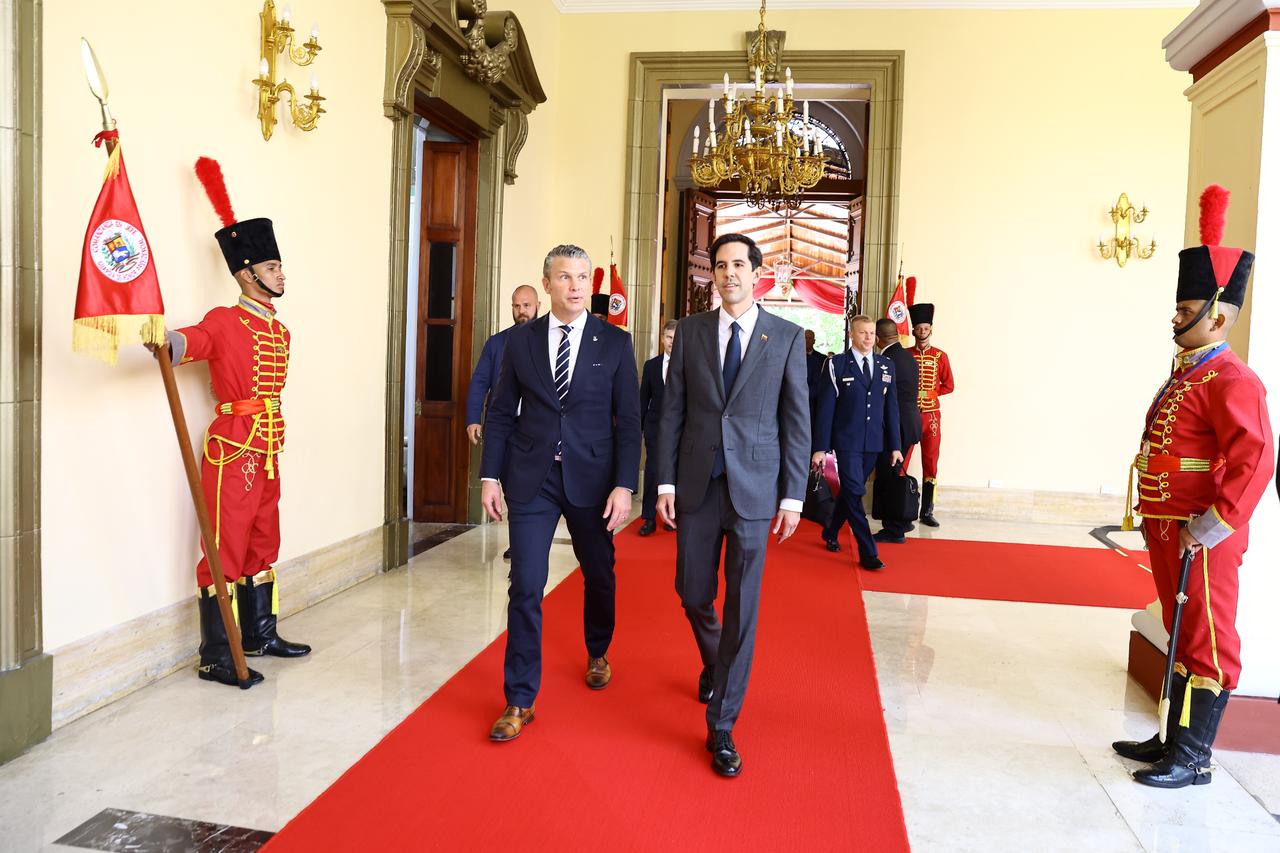


The United States and Venezuela agreed Wednesday to restore military cooperation after more than two decades of strained relations, as U.S. Defense Secretary Pete Hegseth made a surprise visit to Caracas before traveling to Colombia for talks on joint operations against drug trafficking groups.
Venezuela's interim president, Delcy Rodriguez, welcomed Hegseth at the Miraflores Presidential Palace, where the two sides reached an agreement to resume military cooperation, including joint training, intelligence sharing and defense equipment collaboration.
Speaking afterward at the U.S. Embassy in Caracas, Hegseth described the deal as a "historic agreement" and vowed to intensify operations against drug trafficking networks.
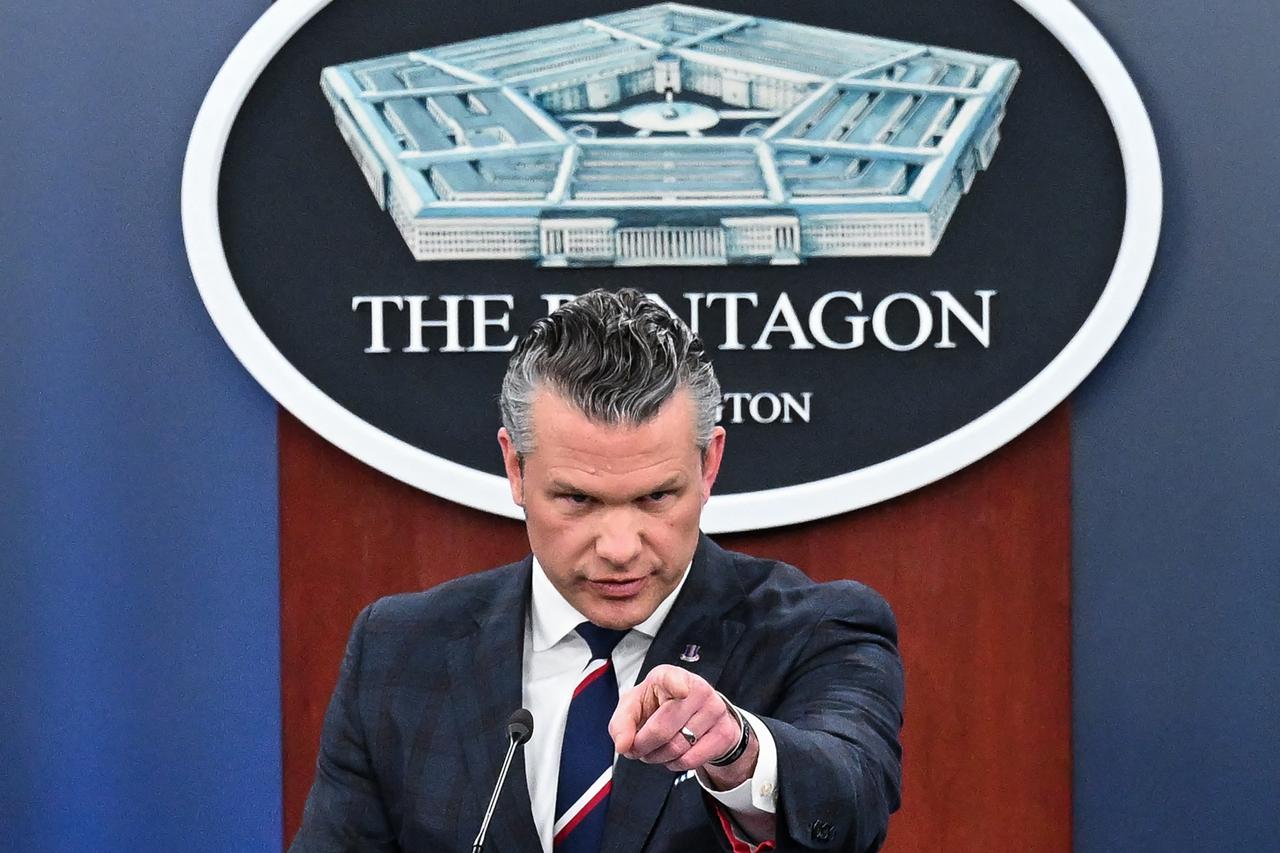
"We will hunt you down, we will find you, and we will kill you," he warned suspected drug traffickers, saying those who refused to surrender would face the combined military power of the two countries.
Rodriguez welcomed the "resumption of the technical-military relationship between both countries," describing the agreement as an "extraordinarily important" step in relations between Washington and Caracas.
The agreement marks a significant shift in bilateral relations following the U.S. military operation in January that captured then-President Nicolas Maduro and brought him to the United States to face drug trafficking charges.
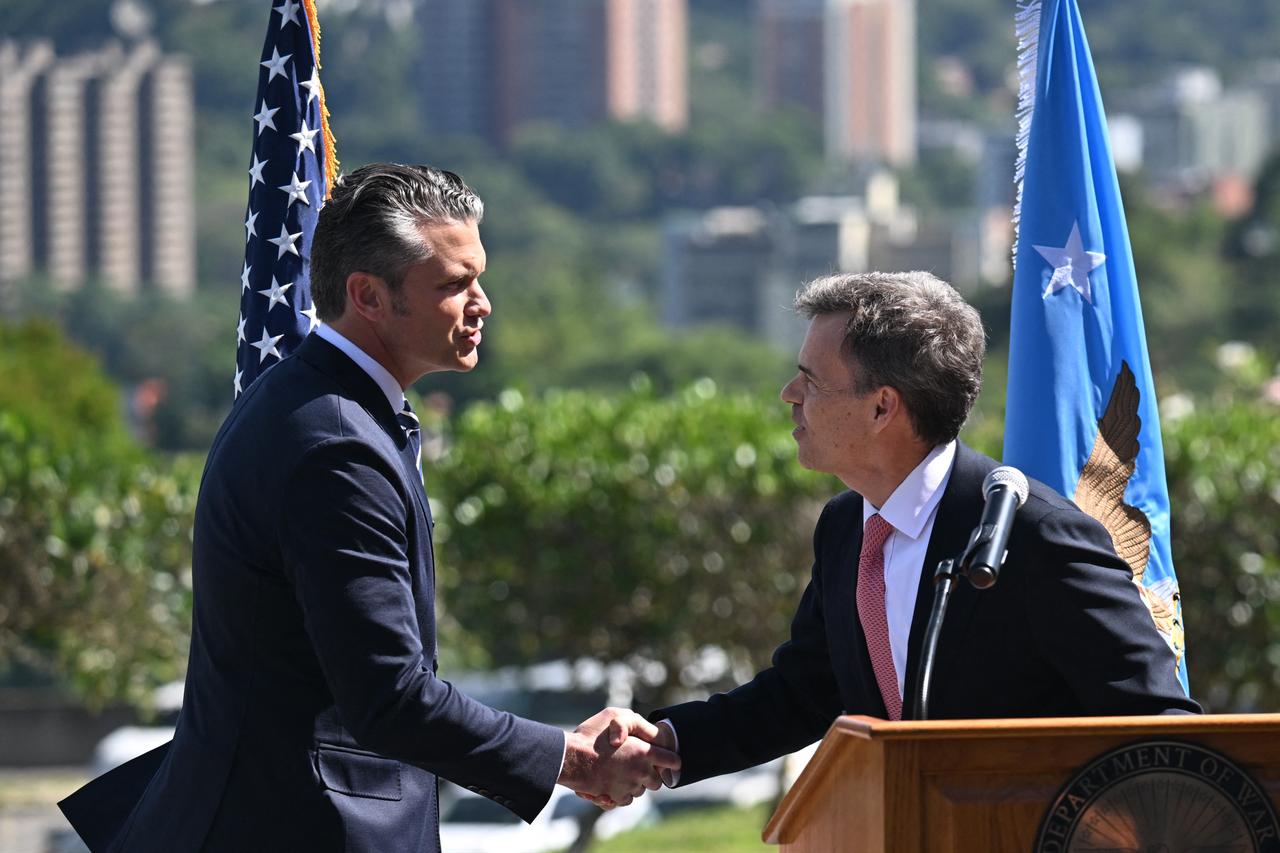

Hegseth, the highest-ranking U.S. official to visit Venezuela since Maduro's capture, said the renewed partnership would help both countries combat criminal organizations and strengthen Venezuela's military capabilities.
The agreement provides for joint military training, intelligence sharing and expanded cooperation on defense equipment and technologies.
Hegseth said Washington would also support efforts to modernize and professionalize Venezuela's armed forces and help authorities regain control of territory from criminal organizations.
He described his presence in Caracas as something that would have been "impossible, almost unimaginable" a year earlier, crediting President Donald Trump's decision to launch the January operation, known as Operation Absolute Resolve.
"Venezuela has gone from our most aggressive regional threat to a compliant security partner," Hegseth said.
He also praised Rodriguez for her role in strengthening bilateral cooperation.
"We could not have accomplished so much in less than a year without her leadership," he said.
Rodriguez said the renewed military relationship would improve training, operational equipment and access to new technologies for Venezuela's armed forces.
She also argued that cooperation would help address shared security threats and promote stability across the Western Hemisphere.
Military cooperation between the two countries had been largely curtailed under former President Hugo Chavez in 2004 and 2005, culminating in the suspension of their bilateral military exchange program in April 2005.
The talks also covered an existing bilateral oil agreement involving Venezuela's state-owned energy company PDVSA.
Rodriguez described the agreement as a historic arrangement that would benefit both countries and contribute to international energy stability.
Hegseth said closer cooperation could help unlock Venezuela's economic potential and strengthen regional energy security.
The discussions formed part of Washington's broader effort to rebuild relations with Caracas following Maduro's removal from power.
Following his visit to Venezuela, Hegseth traveled to Colombia on Wednesday for talks on expanding security cooperation and coordinating military operations against drug trafficking organizations.
Speaking alongside Colombian ministers, Hegseth said Washington and Bogota intended to intensify their campaign against groups involved in narcotics trafficking.
"In each country, according to each country's laws but in working together, we are going to find, we are going to hunt, we are going to kill and defeat narcoterrorists," he said.
After a closed-door meeting, Colombian Foreign Minister Omar Bula said the government would seek congressional approval for joint military operations with the United States.
Colombia, traditionally one of Washington's closest regional allies, has already received U.S. support for counternarcotics strikes.
Bula emphasized Colombia's sovereignty following the discussions, saying President Abelardo De la Espriella had made the country's position clear to Hegseth.
Hegseth also stressed that expanded cooperation would respect national laws and political institutions.
"Each country wants to deny safe haven to those cartels while respecting the sovereignty, the laws and the constitution and the congress of each individual country, but bonding and working together to take a fight to a common enemy in a way that has never happened before," he said.
The defense secretary's regional trip is expected to continue Thursday in Honduras, where he is scheduled to meet President Nasry Asfura and senior security officials.
His Colombian visit also included plans to deliver a C-130 Hercules transport aircraft to the country's armed forces, according to Colombian Defense Minister Jorge Eduardo Mora.


 Set as preferred source
 Set as preferred source


 1 min read
 1 min read