Newsletters


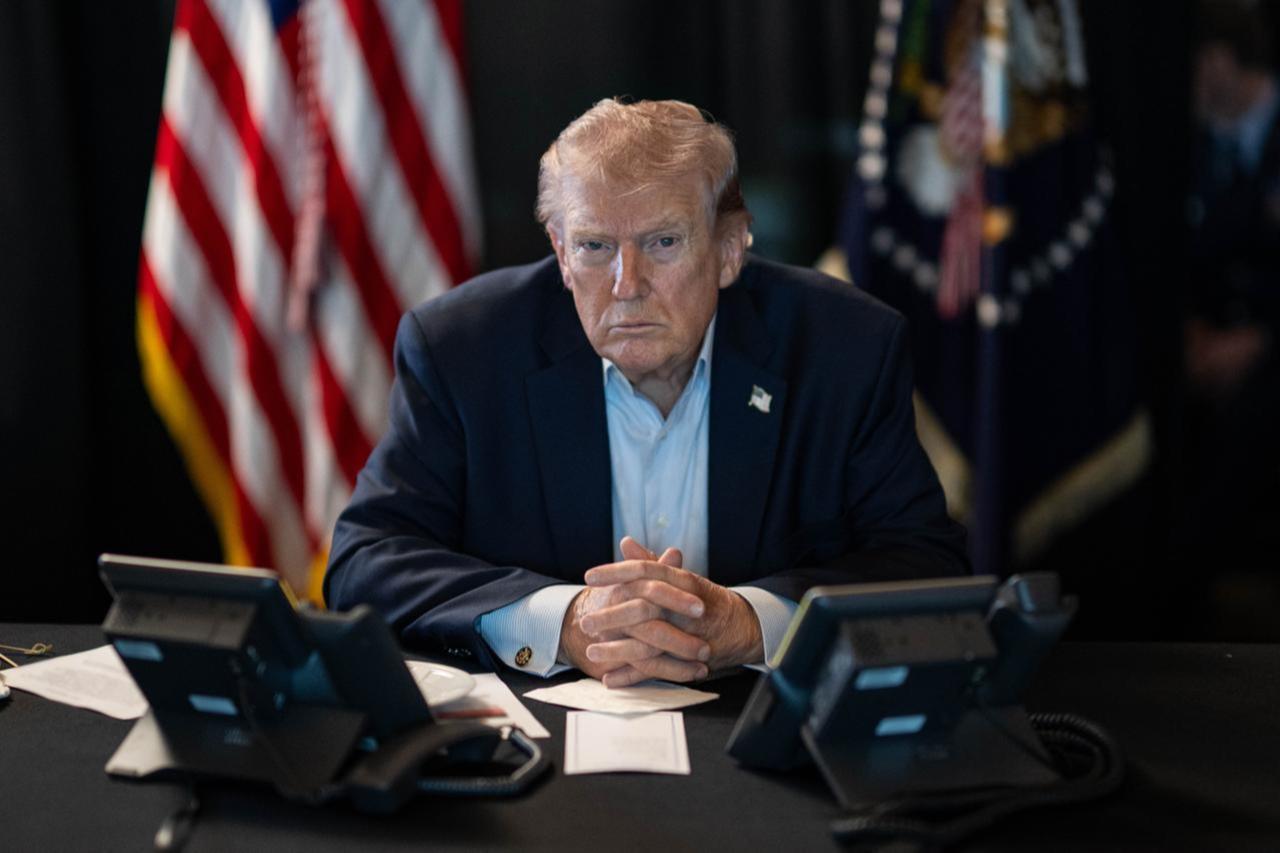


In the specialized world of high-end real estate, there is a maneuver known as the "structured withdrawal," where a seller agrees to a price cut not because the house is crumbling but because they have suddenly decided the garden looks better in the rain.
It is a face-saving choreography that allows both the buyer and the seller to leave the closing room convinced they have fleeced the other.
Geopolitics, particularly that of the Trump variety, operates on a similar aesthetic.
On Tuesday evening, the world watched as Washington and Tehran entered the foyer of such a room, both wearing the self-satisfied expressions of men who believe they have just stolen the silverware.
The ceasefire, announced by President Donald Trump just hours before a planned escalation, halts what had become an increasingly compressed conflict cycle: threats issued in the morning, rejected by afternoon, and replaced by new proposals before nightfall.
It is a pause that leaves the world asking who truly won this round of brinkmanship: the President, who claims military objectives have been "exceeded," or the Islamic Republic, which sees its 10-point plan now sitting on a desk in Washington.
Ultimately, the viability of this "double-sided" truce rests on whether it can hold through the upcoming Islamabad talks or if it is merely a fourteen-day intermission before the next act.
Yet, while the architects of the conflict argue over the ledger of victory, the most profound change is felt on the ground; for the first time in 39 days, a startled Iranian public is navigating the sudden, heavy silence of a sky no longer filled with the threat of immediate bombardment.
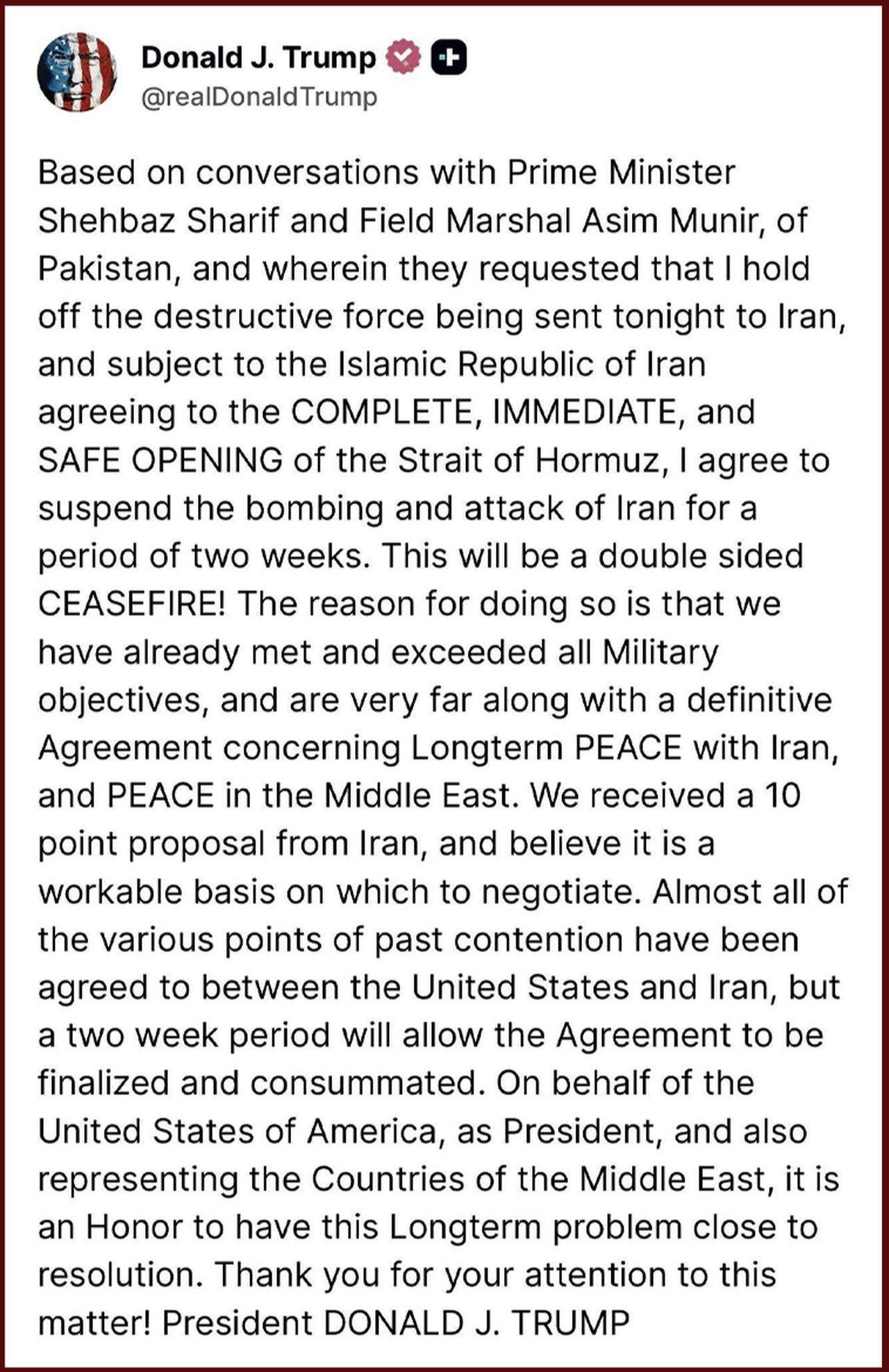

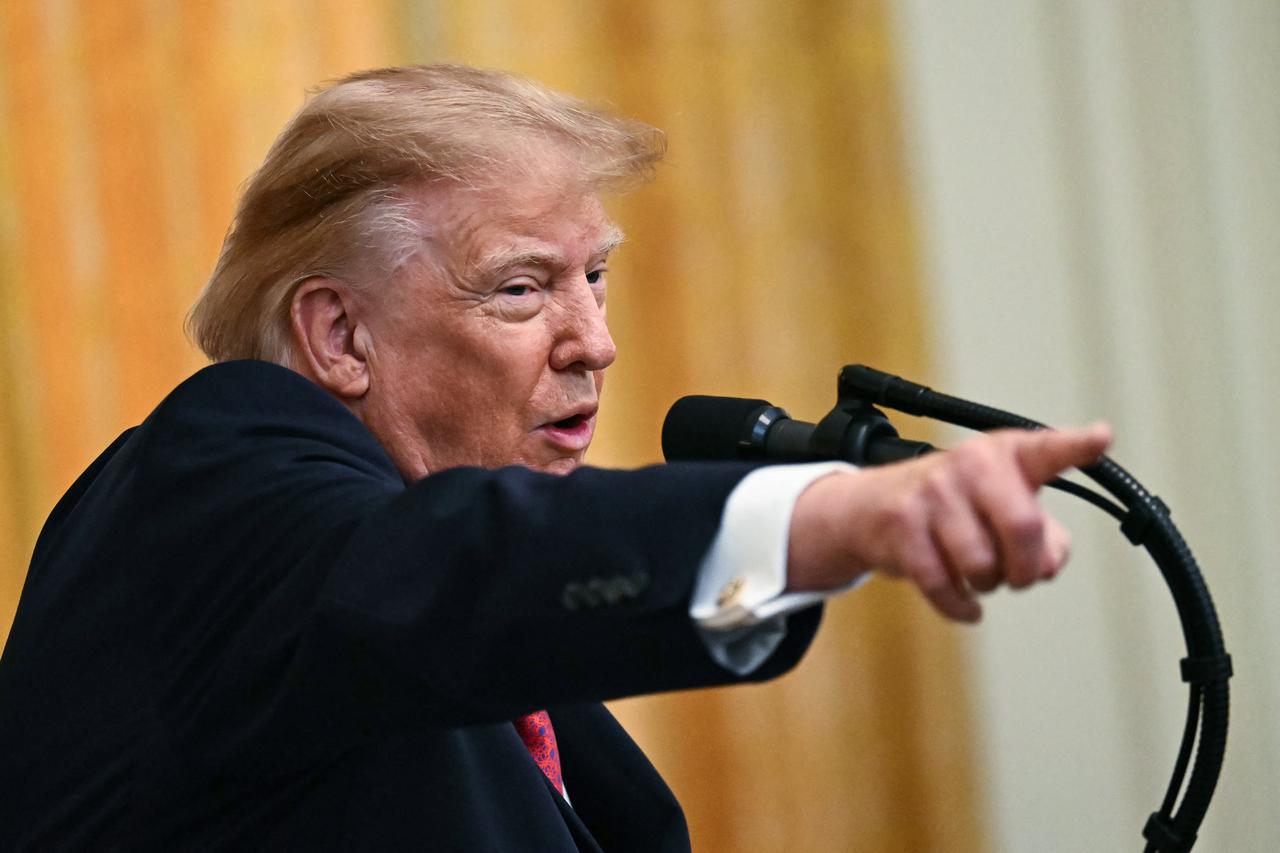
In a message delivered with characteristic brevity on Truth Social, Donald Trump announced a two-week suspension of U.S. bombing operations against Iran.
The ceasefire, described by the president as “double-sided,” comes with a condition both technical and symbolic: the “complete, immediate, and safe opening” of Hormuz.
Tehran has agreed, provisionally, to guarantee safe passage for the same two-week period, on the equally conditional premise that attacks cease.
Negotiations are set to begin in Islamabad, a city that now finds itself hosting not merely diplomats but the choreography of mutual restraint. The talks, Iranian officials caution, will begin with “complete distrust.” Which, in this context, passes for procedural normalcy.
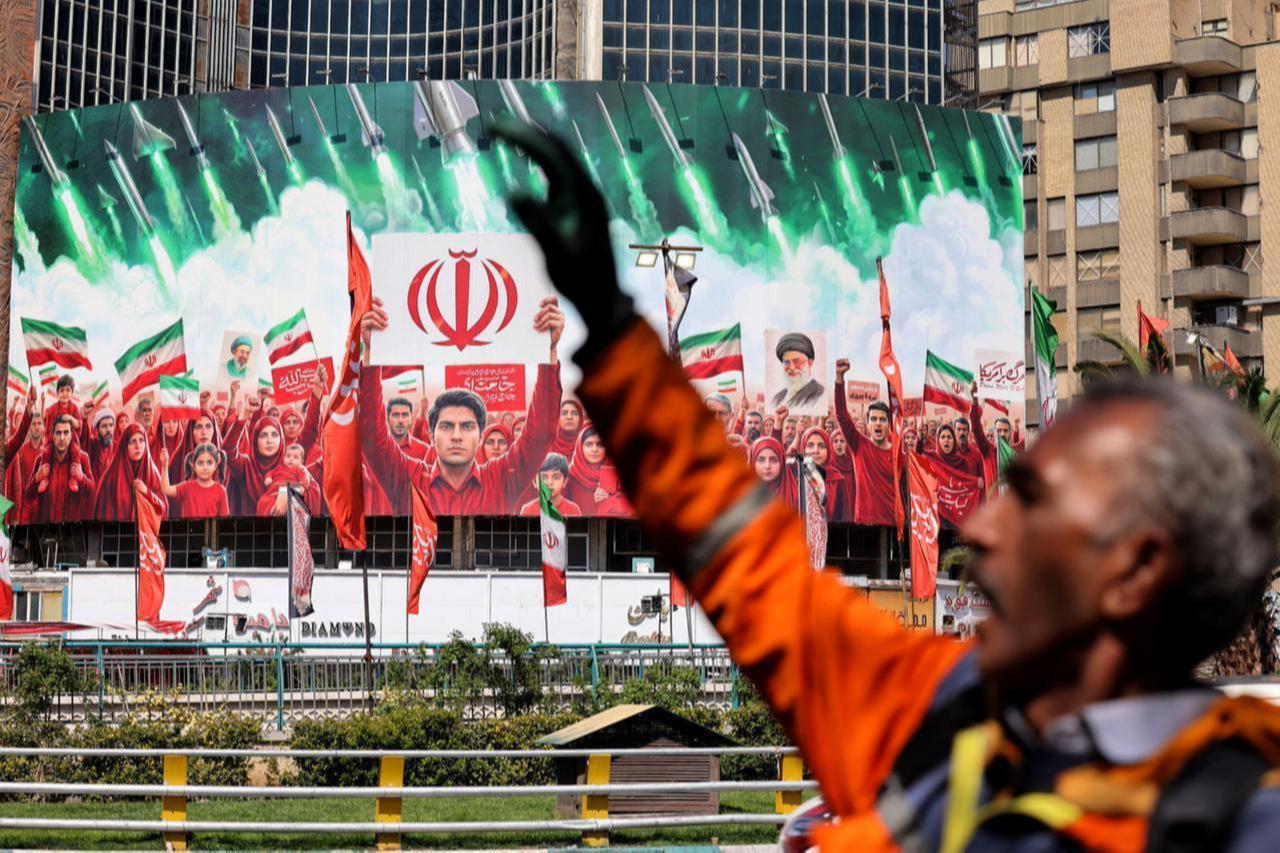
If ceasefires are often preludes to disagreement, this one begins with agreement on at least one point: everyone has already won.
“The basis of a lasting agreement is that both sides will be able to claim victory,” Arash Azizi, historian at Yale University, told Türkiye Today. “The Islamic Republic will claim victory as it has obviously not been overthrown. Its control over the Hormuz Strait is effectively recognized as well.”
For Washington, the framing is no less deliberate. Trump has presented the ceasefire as a decision taken after U.S. forces had already “met and exceeded” their objectives, implying that restraint now is a function of strength, not necessity.
Azizi notes the symmetry on the other side: “President Trump will also be able to claim victory by saying that he will bring Iran to an agreement that will lead up to Iran giving up on its belligerence to the United States. And he will try to portray it in that way, that the war has weakened the Islamic Republic. It has therefore strengthened the American hand for it to get the concessions that it wants.”
Hence, both sides leave the room holding signed copies of different contracts, each valid in its own narrative jurisdiction.
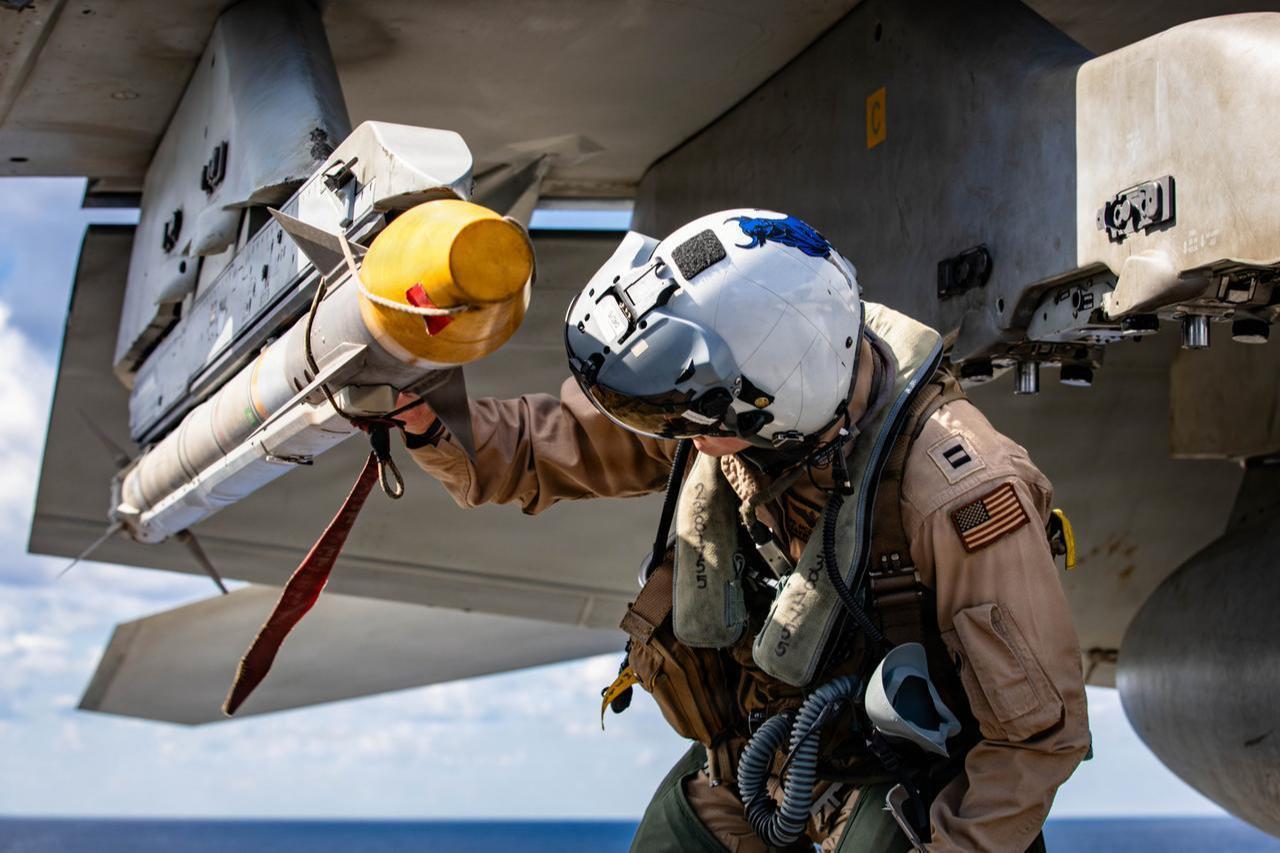
Yet beneath the language of mutual success lies a more traditional element of negotiation: terms.
According to Mehrzad Boroujerdi, dean of the College of Arts, Sciences, and Education at Missouri University of Science and Technology, Iran’s 10-point proposal includes demands that extend well beyond the immediate ceasefire: sanctions relief, compensation, withdrawal of U.S. forces, and recognition of its right to enrich uranium.
“The war of narratives is expected,” Boroujerdi told Türkiye Today, noting that neither side is inclined to acknowledge any loss. But the substance, he suggested, tells a more revealing story: “Even partial movement on a few of these points would represent a significant strategic gain for Tehran.”
The asymmetry has not gone unnoticed in Washington’s policy circles. “These terms look pretty good for Iran,” said Will Todman, senior fellow in the Middle East Program at the Center for Strategic and International Studies (CSIS), in his post on social media platform X.
That the United States has nonetheless described the proposal as a “workable basis” suggests a negotiation that begins not from consensus, but from a shared willingness to keep talking.
If victory is easily declared, durability is more difficult to engineer.
The ceasefire rests on a narrow alignment of incentives. Iran benefits from reopening a critical economic artery; the United States benefits from pausing escalation while preserving leverage. Neither, however, has conceded on the underlying disputes that produced the conflict.
The limitations of this "structured withdrawal" are clear.
This agreement does little to resolve the underlying security concerns," Mehrzad Boroujerdi noted, though he acknowledged that for a population under fire, it offers a "temporary reprieve."
In this context, "temporary" is the word doing the heavy lifting.
Because the agreement is conditional and strictly time-bound, its survival depends less on diplomatic trust than on continued convenience. It will hold only as long as both sides find the pause more useful than the alternative.
Yet, according to Azizi, there is now a basis for a deal where both sides could "claim victory at the end of this period," moving beyond a mere pause in hostilities toward a permanent settlement.
The real estate analogy, inevitably, returns at the end.
A structured withdrawal does not mean the property has changed hands in any meaningful sense. It means the terms of engagement have been revised in a way that allows both parties to step back without appearing to do so.
The United States can point to military success and claim leverage. Iran can point to survival and claim recognition. Both can argue, with some justification, that they have improved their position.
This leaves the ceasefire suspended between two unresolved propositions.
That both sides have won.
And neither has finished negotiating.


 Set as preferred source
 Set as preferred source


 4 min read