Newsletters


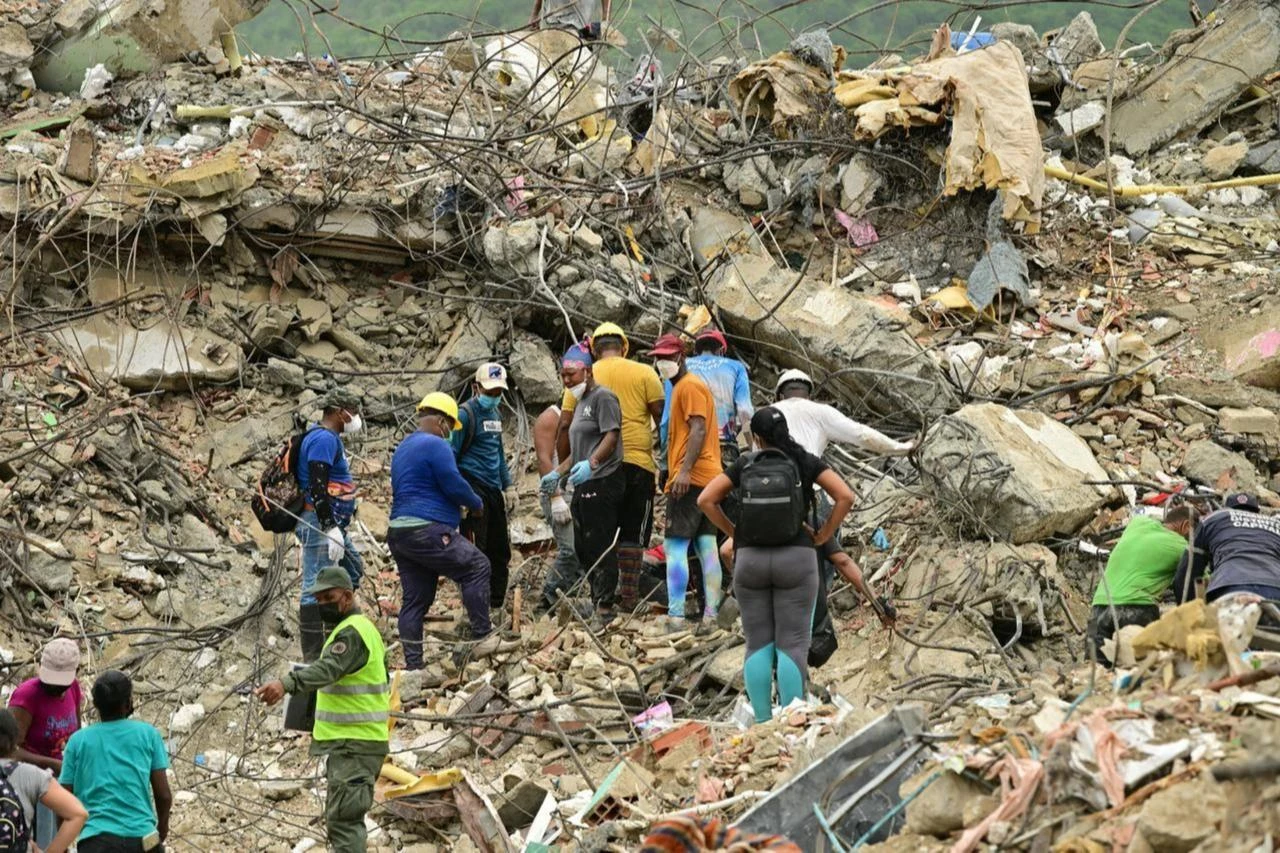


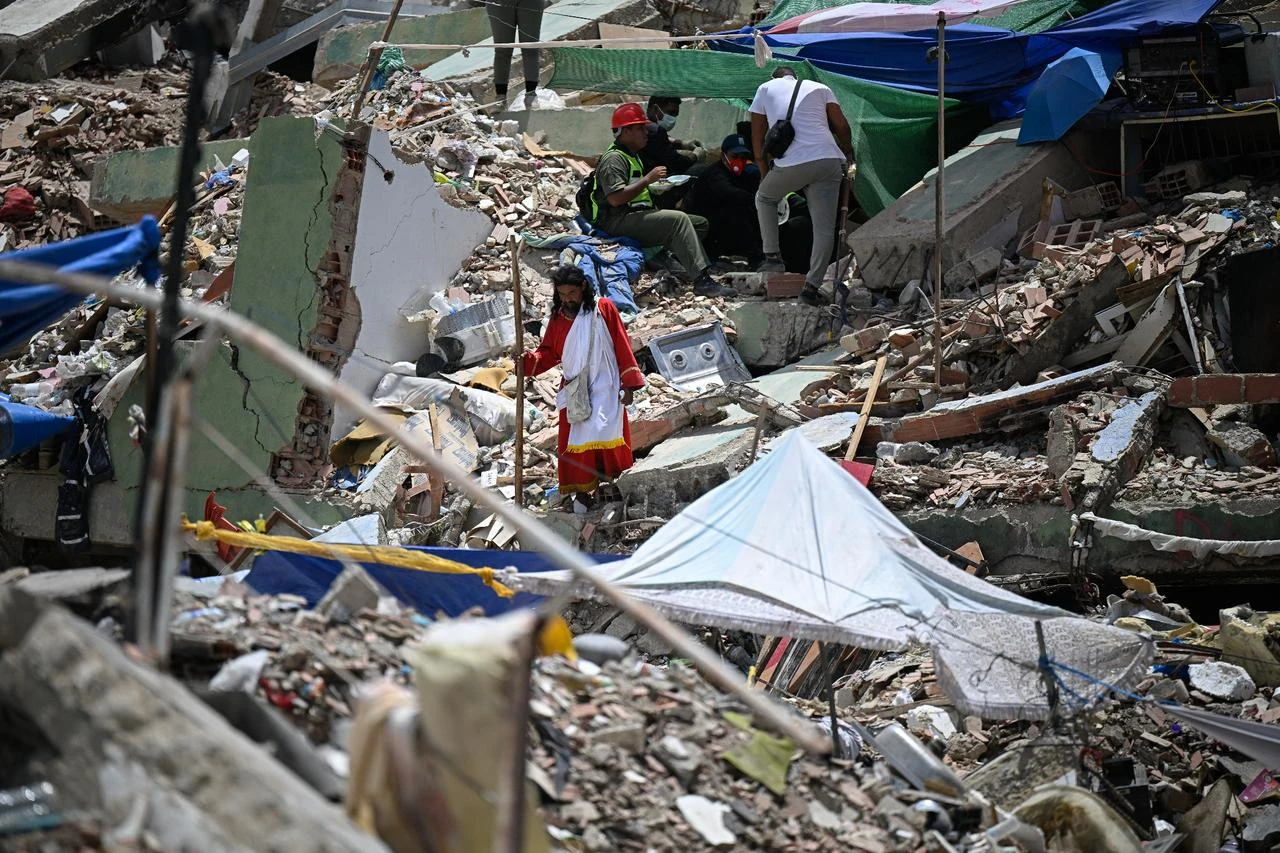
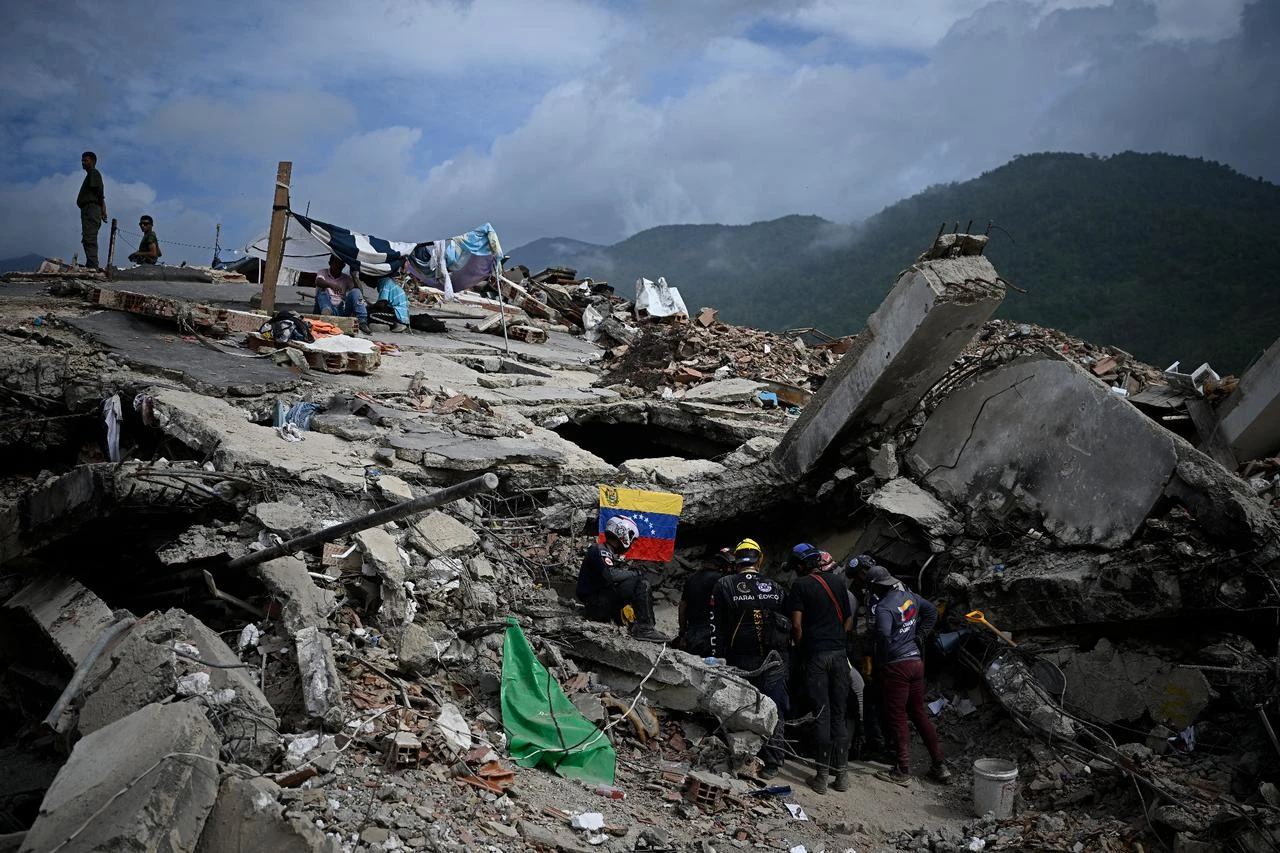
More than a month has now passed since two consecutive earthquakes, measuring 7.2 and 7.5 on the Richter scale, struck north-central Venezuela on the afternoon of June 24.
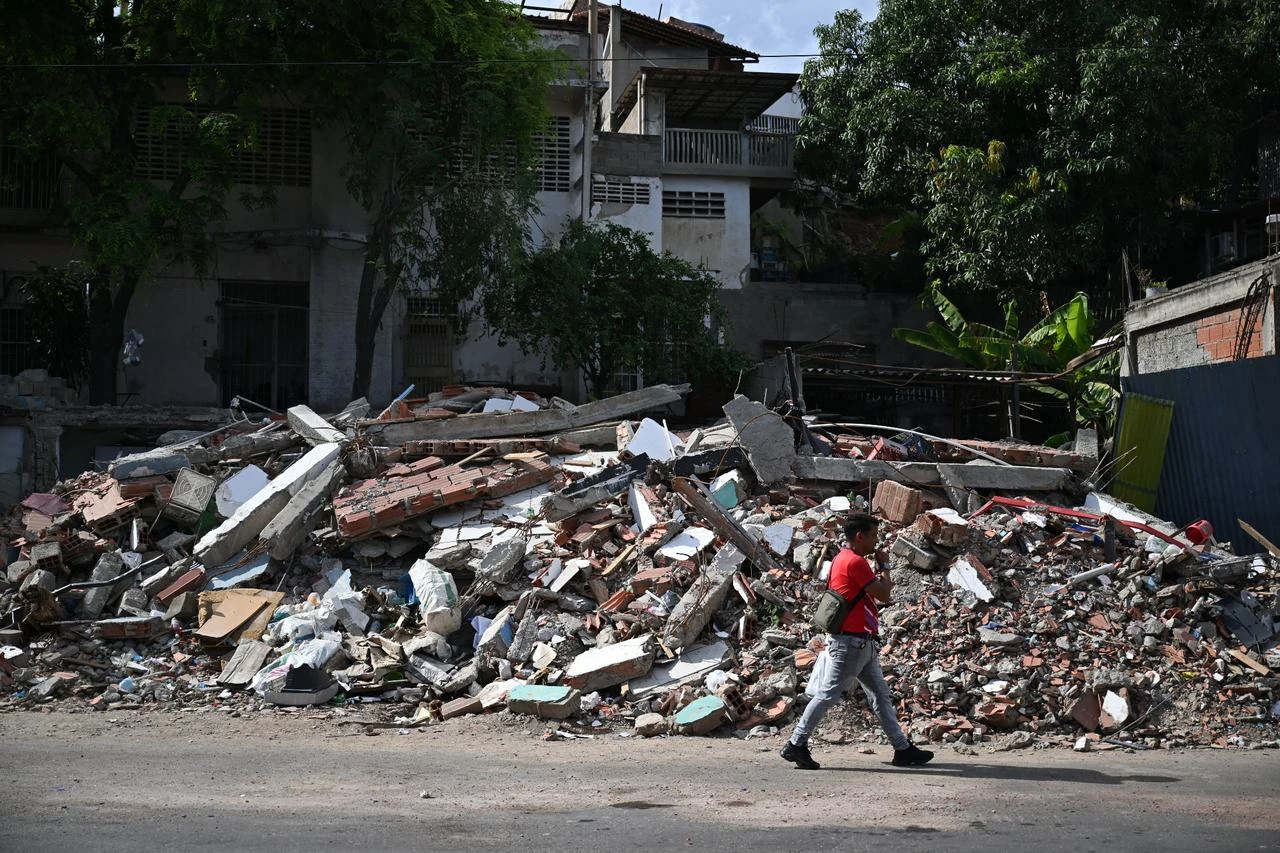
In less than a minute, La Guaira, Caracas, and much of Vargas and Yaracuy were struck by a tragedy that has already claimed more than 6,000 confirmed deaths and left thousands missing.
NASA satellite images show tens of thousands of damaged or destroyed structures, far exceeding official figures. But devastating as it is, the earthquake is not the only catastrophe facing the country. It is also the trigger that has once again brought to the forefront a problem Venezuela had been grappling with since before the quake, one that can no longer be postponed: an economy suffocated by a lack of investment and years of sanctions that are choking it.
Washington has certainly been easing some of the restrictions since Nicolas Maduro’s capture by the United States in January and Delcy Rodriguez’s assumption of the presidency on an interim basis. Rodriguez herself was removed from OFAC’s sanctions list, and following the earthquake, the Treasury’s Financial Crimes Enforcement Network (FinCEN) relaxed certain banking requirements to facilitate humanitarian aid.
These are steps in the right direction. But fundamental obstacles remain—provisions of the Bank Secrecy Act, anti-money laundering restrictions that make any transaction more expensive and slower, and more than $11 billion in Venezuelan assets frozen abroad that the country cannot use to finance its own reconstruction.
No insurance company, no investment fund, and no international construction firm is willing to commit to building homes or infrastructure in a country where the legal framework for sanctions can change from one day to the next.

Venezuelan economist Francisco Rodriguez, a professor at the Josef Korbel School at the University of Denver and a researcher at the Center for Economic and Policy Research, has been one of the scholars who has most rigorously documented the human cost of these measures.
A study he co-authored, published last year in The Lancet Global Health, estimated that unilateral economic sanctions, the vast majority of which are imposed by the United States, cause approximately 564,000 additional deaths each year worldwide, a figure comparable to global mortality from armed conflicts, and that in the case of Venezuela resulted in more than 100,000 additional deaths between 2015 and 2020 alone. Rodriguez knows firsthand what it means to rebuild a country without fiscal leeway or access to its own resources.
To better understand the scale of the challenge, I put these questions to Francisco Rodriguez about how the disaster intersects with the country's broader economic crisis.
You have documented that broad sanctions impose a measurable human cost even before an earthquake. How do you assess that this situation has worsened in recent weeks, and what kind of sanctions relief—partial or total—would make a real difference for reconstruction?
Francisco Rodriguez: The earthquake has taken a chronic emergency and turned it into an acute one. Our research had already shown that economic sanctions kill in ordinary times, primarily by depriving states and households of the resources needed to sustain health systems, nutrition, and basic infrastructure.
In a disaster, those mechanisms accelerate. This is not a theoretical concern. Humanitarian organizations working in Venezuela routinely find their bank accounts closed and their transfers denied, not because their activities are prohibited, but because banks prefer to reject anything touching Venezuela rather than risk an enforcement action.
This was happening before the earthquake, and it has continued during and after it. Even goods that are formally exempt, such as food and medicine, fail to arrive when no financial institution is willing to process the payment. A humanitarian waiver on paper means little in practice. And the current architecture has a perverse feature: the United States has issued licenses that authorize the government's oil transactions yet has done nothing to resolve over-compliance for everyone else.
The result is a system in which the state can trade while private firms, aid groups, and ordinary citizens still face de facto financial exclusion. What would make a real difference is the removal of economic sanctions on the Venezuelan economy as a whole, keeping targeted personal sanctions on officials credibly accused of corruption or abuses, together with the immediate unblocking of the more than $10 billion in central bank assets frozen abroad and dedicated, pre-approved banking channels for humanitarian and reconstruction payments. Venezuela cannot rebuild while being denied access to its own money.
Venezuelan economists have proposed an independent trust fund to channel international aid. Do you believe this scheme is viable in the current political context? What minimum conditions would it need to meet to attract foreign private investment to a country with Venezuela’s level of debt and country risk?
FR: I believe an independently administered fund is not only viable but probably necessary, precisely because of the trust deficit on all sides. For it to work, it would need three things.
First, credible governance: independent administration with international auditing and oversight shared between government and opposition, so that no political faction can treat reconstruction resources as spoils.
Second, legal certainty: private capital will not commit to multiyear projects in a country where authorization to operate rests on licenses that can be revoked at any moment. A license-based regime concentrates certainty in the hands of the government while leaving everyone else exposed, which is exactly backwards for attracting private investment. Sanctions relief needs to be durable and comprehensive, not a patchwork of discretionary permissions.
Third, a realistic framework for the debt overhang. No investor will put new money into a country with unresolved claims of this magnitude, so a standstill on debt service, including by Russia and China, together with an orderly restructuring path and clear seniority for new financing, is a precondition. Multilateral institutions have a central role to play, and instruments like a currency swap line could help stabilize the economy while reconstruction proceeds. None of this is technically exotic. What has been missing is the political decision to let Venezuela's recovery be financed.
Venezuela has, in theory, a rare window of opportunity. Following Maduro’s departure and with a government that says it seeks to normalize relations with Washington, there is now a political willingness that did not exist a year ago.
Delcy Rodriguez has called for the release of frozen assets and is holding talks with the United States, the IMF, and the World Bank. But diplomatic goodwill does not build houses or hospitals. What Venezuela needs now is for this political thaw to translate, at the same pace as tectonic plates shift, into an effective and complete lifting of the sanctions still weighing on the country’s financial system, and into an international investment commitment on the scale of the $12 to 20 billion required for reconstruction
The June 24 earthquake did not create the Venezuelan crisis. It literally laid it bare amid the rubble of La Guaira. But it also offers, amid the tragedy, a hard-to-refute reason for those who for years defended sanctions as a tool of political pressure to recognize that today they are, above all, an obstacle to saving lives.
Venezuela will not recover through good intentions alone. It will recover through investment, clear rules, and access to its own resources. Everything else is, at best, a promise put on hold.


 Set as preferred source
 Set as preferred source


 1 min read
 1 min read