Newsletters


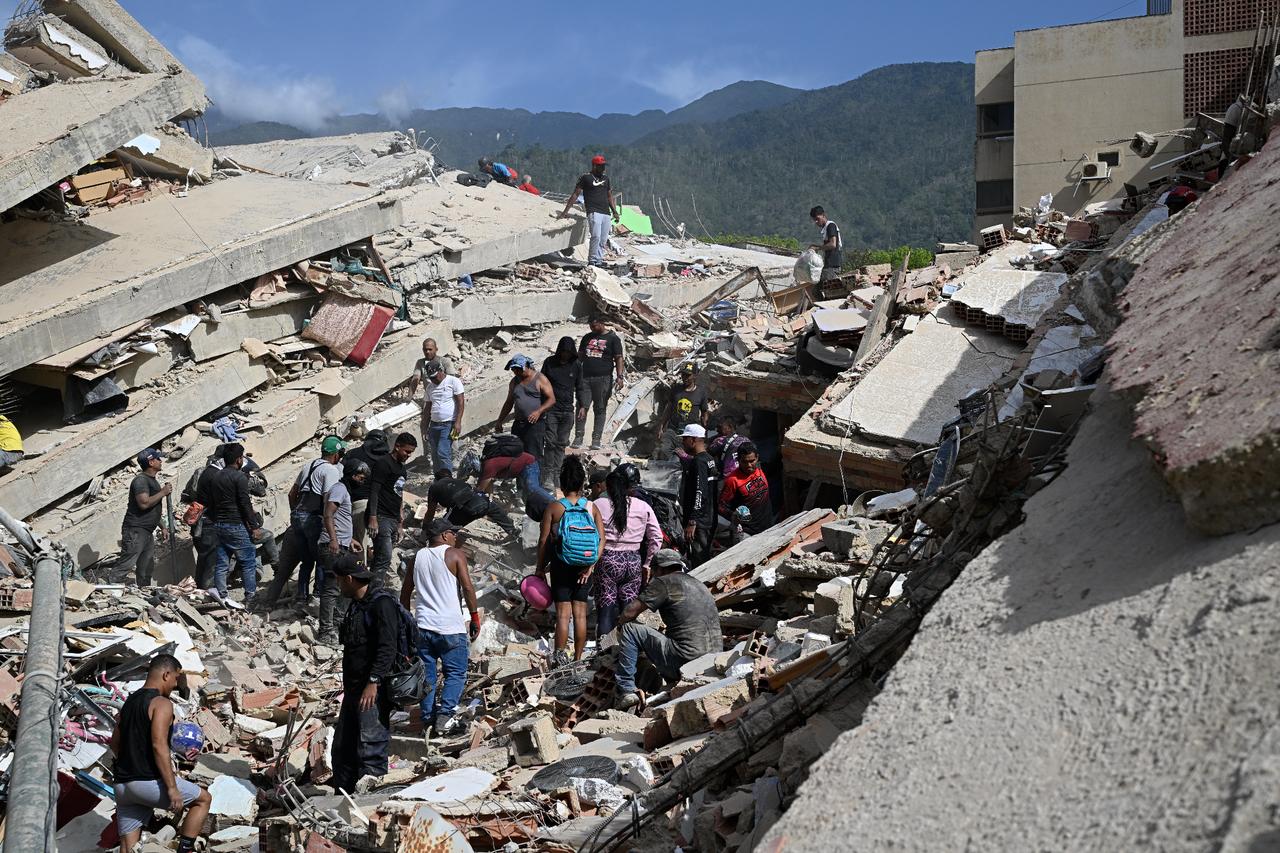


At least 589 people have been killed and 2,980 injured after two powerful earthquakes struck Venezuela's Yaracuy region within 39 seconds of each other, interim President Delcy Rodriguez announced.
The back-to-back tremors, measuring magnitudes 7.2 and 7.5, hit at 10:04 p.m. and 10:05 p.m. GMT on June 24, according to the U.S. Geological Survey (USGS).
The USGS reported that the 7.5-magnitude quake was centered 28 kilometers (17.4 miles) southeast of Yumare, while the 7.2-magnitude quake hit 24 kilometers northeast of San Felipe, both in Yaracuy state.
The quakes were recorded at depths of 10 kilometers near Yumare and 21.9 kilometers near San Felipe. The 7.5-magnitude quake was the strongest in Venezuela since a 7.7-magnitude offshore quake on Oct. 29, 1900.
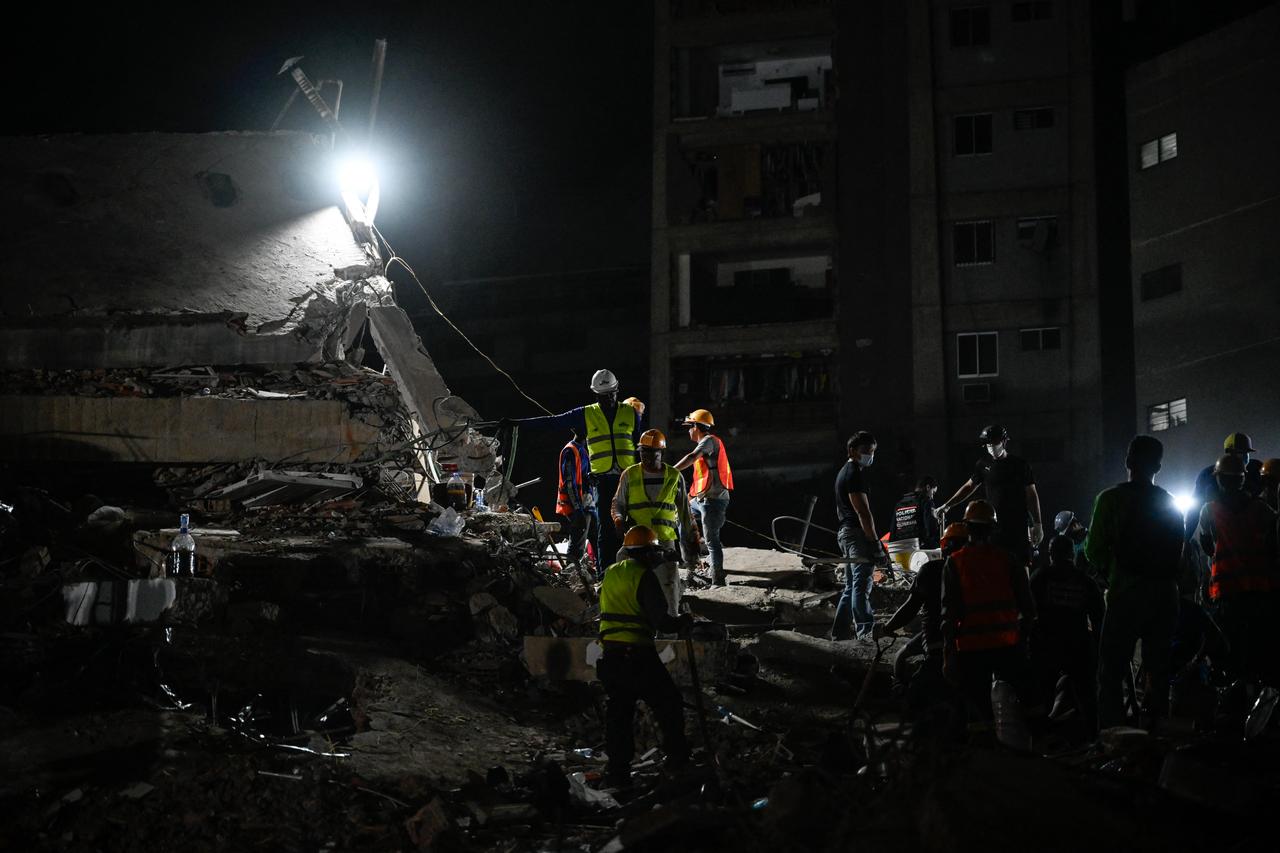

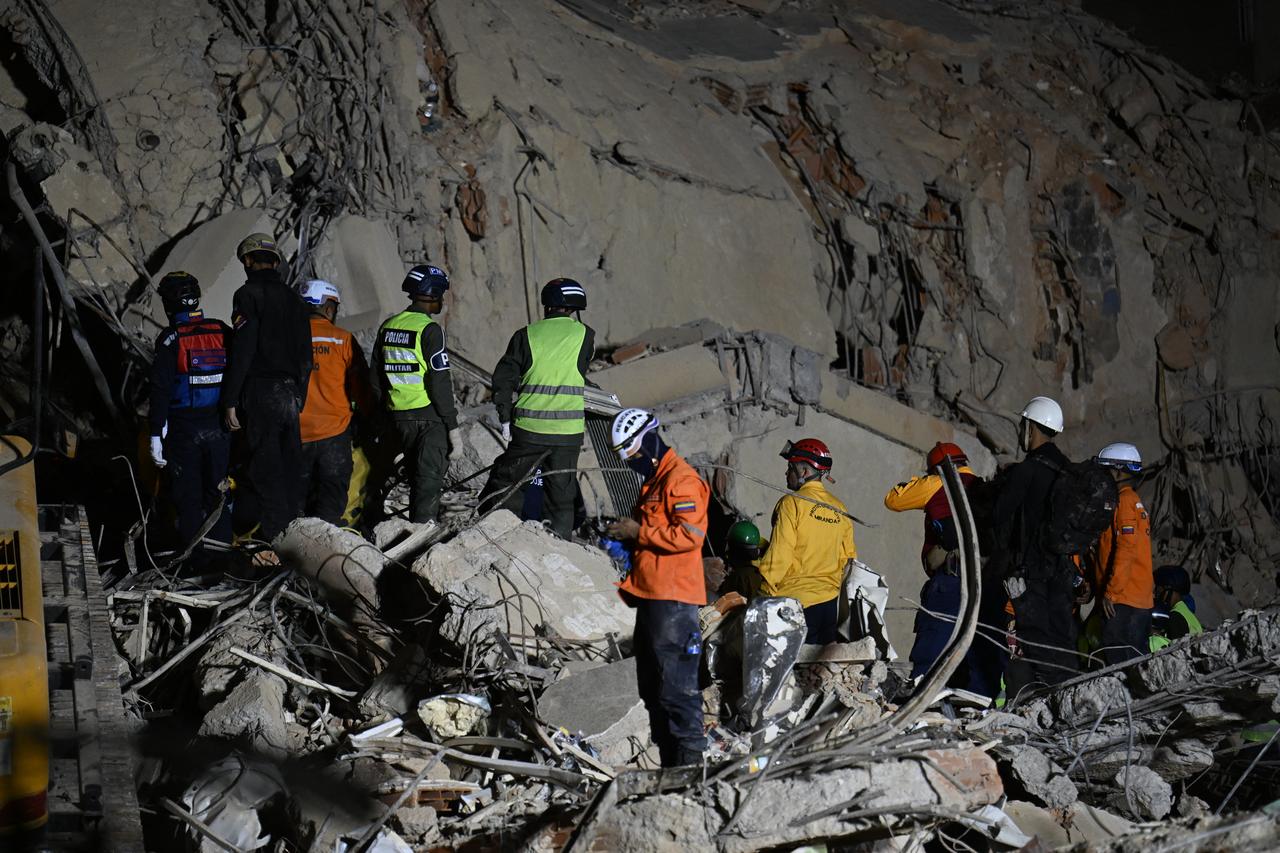
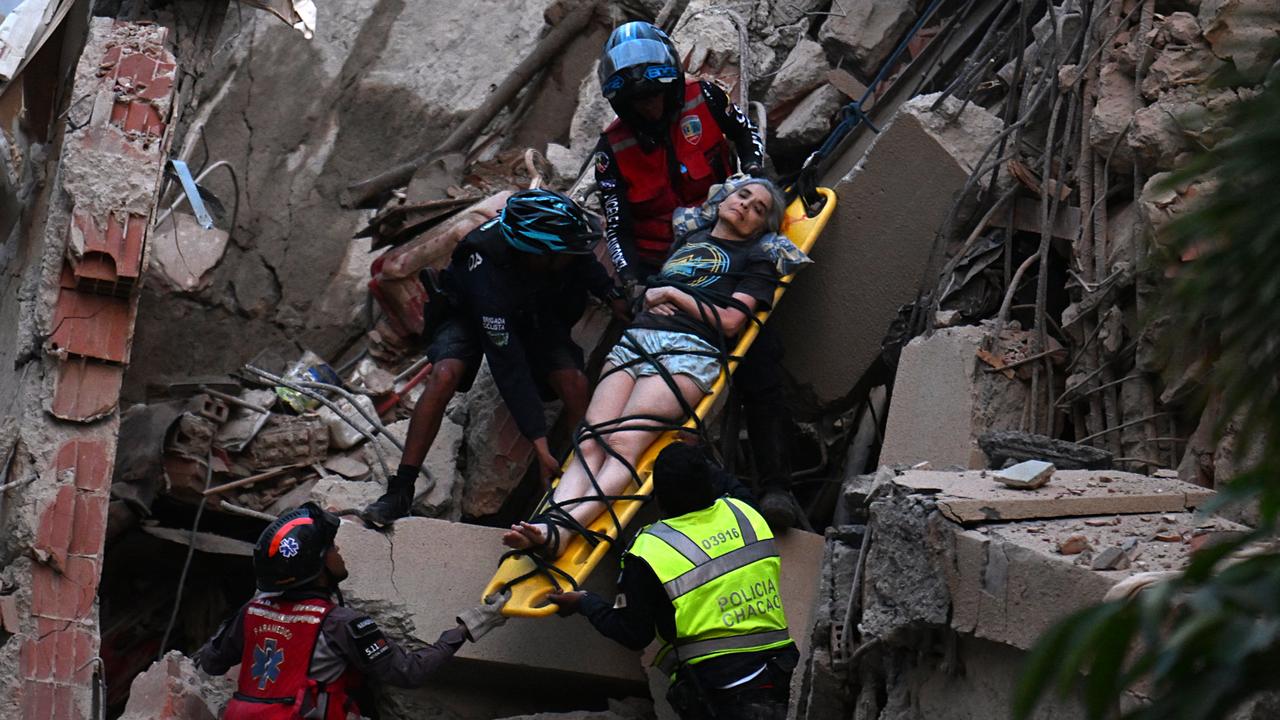
In La Guaira, a coastal state north of Caracas and among the hardest-hit areas, residents tried to rescue survivors from the rubble using limited equipment while aftershocks continued.
People described hearing a young girl calling for help for hours from under collapsed buildings, but she died before rescuers could reach her. In another building, residents said they could still hear three people alive.
Antonio Bermudez, a local resident, said the community did not have the tools or resources to help any further. A doctor at Domingo Luciani Hospital, who spoke anonymously, said children were arriving by ambulance without family members after being rescued from the debris.
Rodriguez visited La Guaira after it was declared a disaster zone. Reporters from Agence France-Presse (AFP) saw residents looting a supermarket in the city. Nicole Kast, the Venezuela director of the International Rescue Committee, called the situation catastrophic.
In Caracas, many people spent the night outside or in their cars. Rita Gomez, 60, said she went to the capital after seeing on social media that her daughter's building had collapsed and could not reach her by phone.
Switzerland, Spain, France, Portugal, and Mexico sent rescue specialists to Venezuela. The United States announced it was sending two warships, transport planes, and helicopters, along with $150 million in aid. U.S. Secretary of State Marco Rubio said Washington had a 'whole-of-government response,' promising it would be 'big, fast, and effective.'
China, India, Brazil, and Iran also offered support. Pope Leo XIV sent an initial €100,000 ($113,779) in aid. U.N. Secretary-General Antonio Guterres said he was deeply saddened by the disaster, and U.N. aid chief Tom Fletcher said the response would need 'massive collective efforts.'
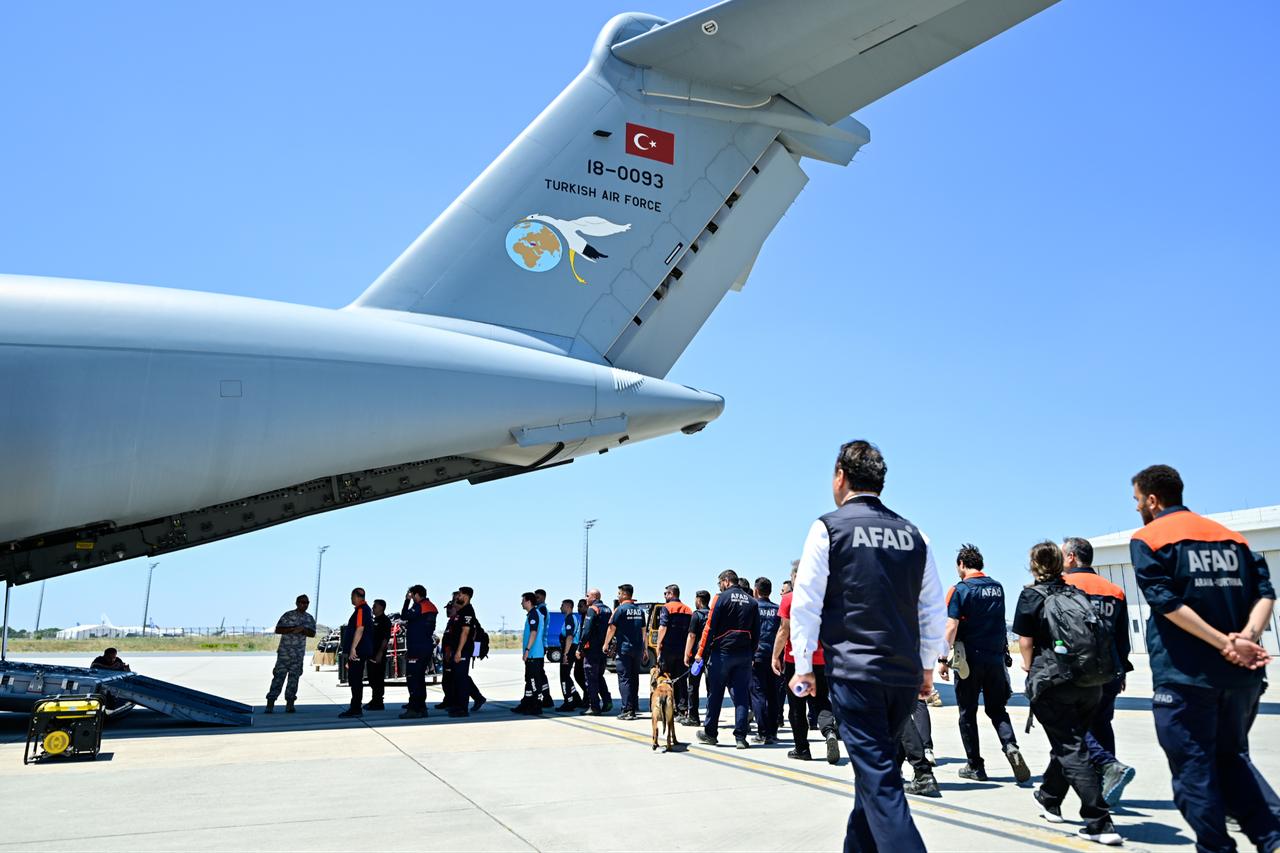
Türkiye sent two A-400M military transport planes to Venezuela, with search-and-rescue and humanitarian aid teams after the earthquakes.
The response was coordinated by Türkiye's Disaster and Emergency Management Authority (AFAD), along with the Foreign Ministry, National Defense Ministry, Health Ministry, the Presidency's Directorate General of Security Affairs, and other agencies.
The first plane left from Istanbul Ataturk Airport with a 38-member AFAD search-and-rescue and aid team from Istanbul, Izmir, and Denizli, a five-member National Medical Rescue Team (UMKE) from the Health Ministry, and a two-member aid team from the Turkish Red Crescent. Two search dogs and three fully equipped search-and-rescue vehicles were also on board.
A second plane, provided by the National Defense Ministry, carried a 22-member team from the Humanitarian Aid Brigade and their equipment.
Türkiye's Foreign Ministry and its Embassy in Caracas are still monitoring the situation and assessing needs on the ground.


 Set as preferred source
 Set as preferred source


 1 min read
 1 min read