Newsletters


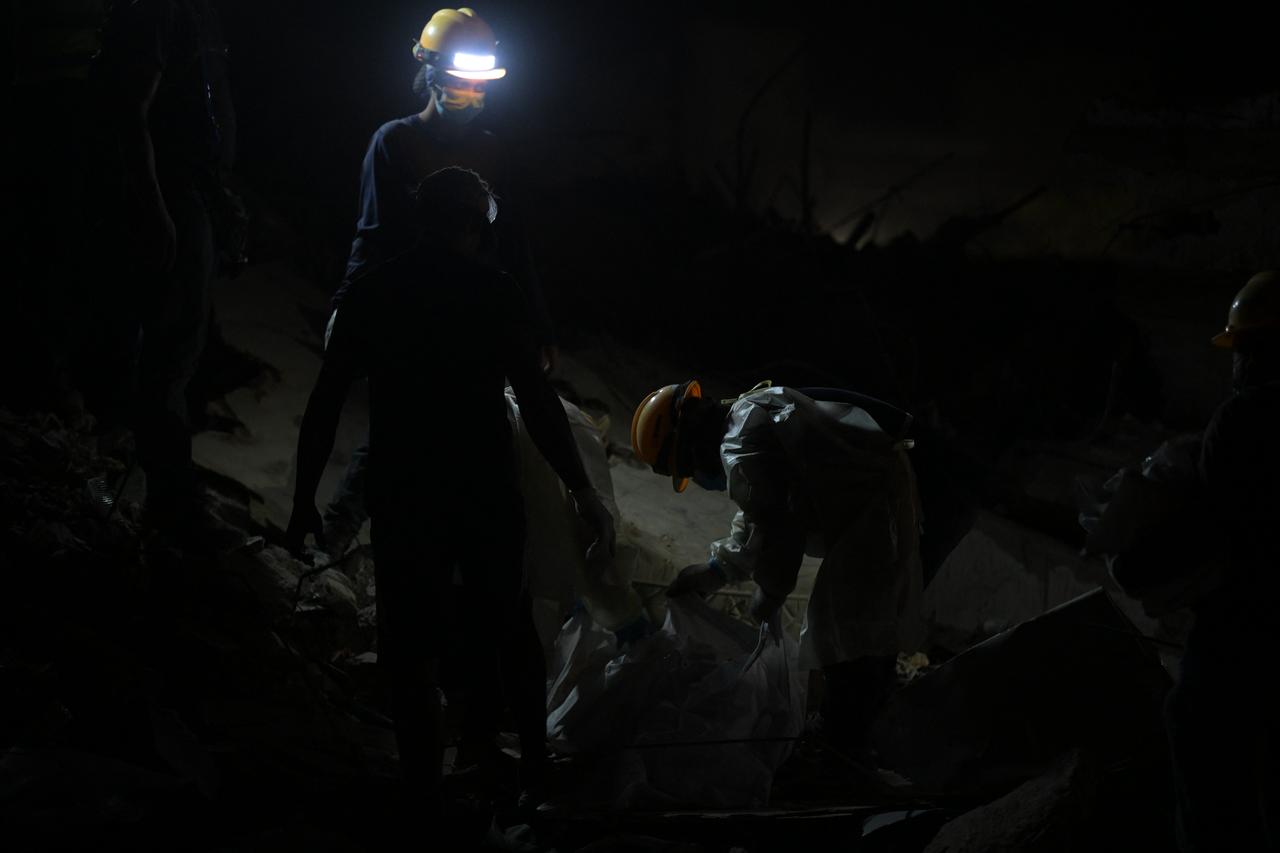


The death toll from Venezuela's catastrophic twin earthquakes has risen to 4,333, a senior official said Saturday, as the government scrambled to shelter tens of thousands of displaced survivors and sought to unlock billions of dollars in frozen gold reserves held in London.
National Assembly President Jorge Rodriguez announced the latest figure, up from 4,118 the previous day, underscoring the scale of a disaster that has emerged as one of the deadliest in Latin America's modern history.
The United Nations has estimated that 50,000 people remain unaccounted for.
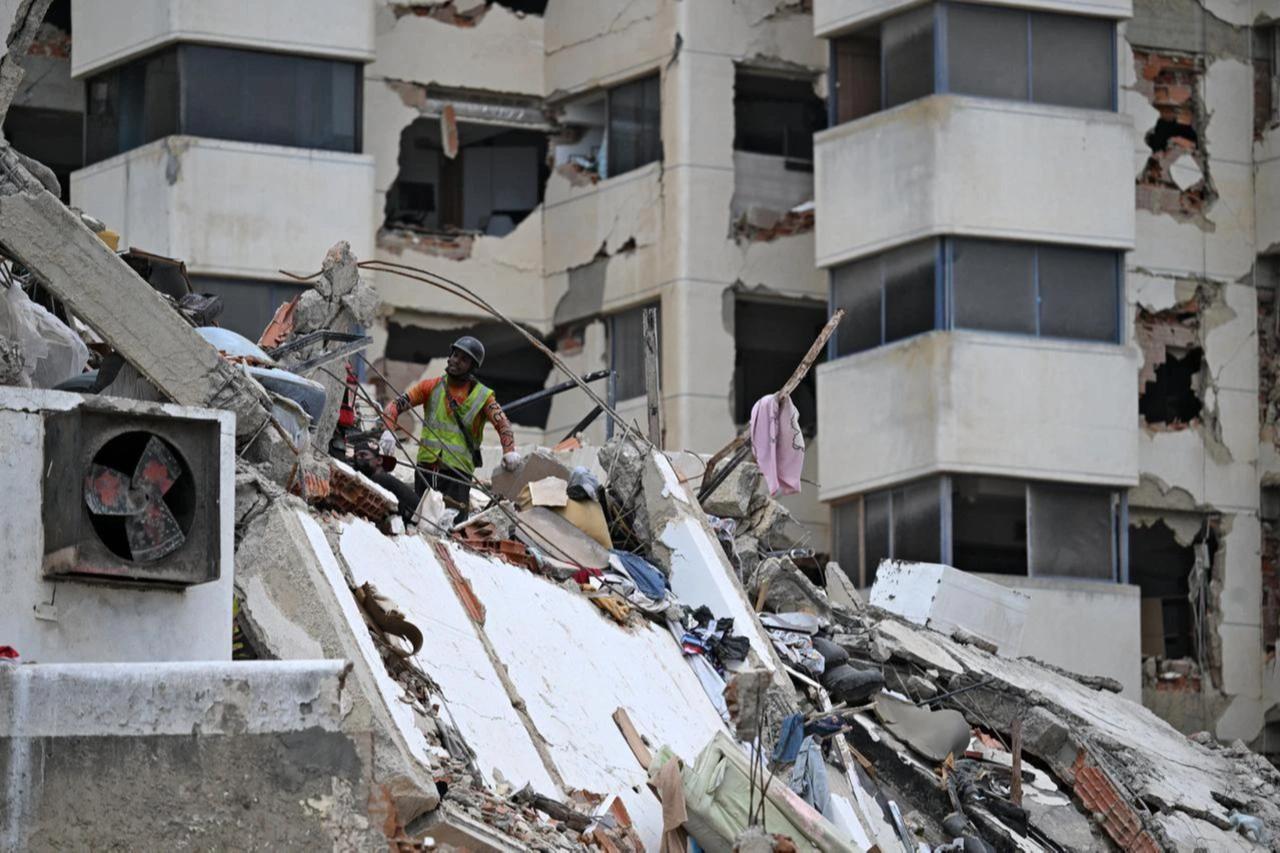
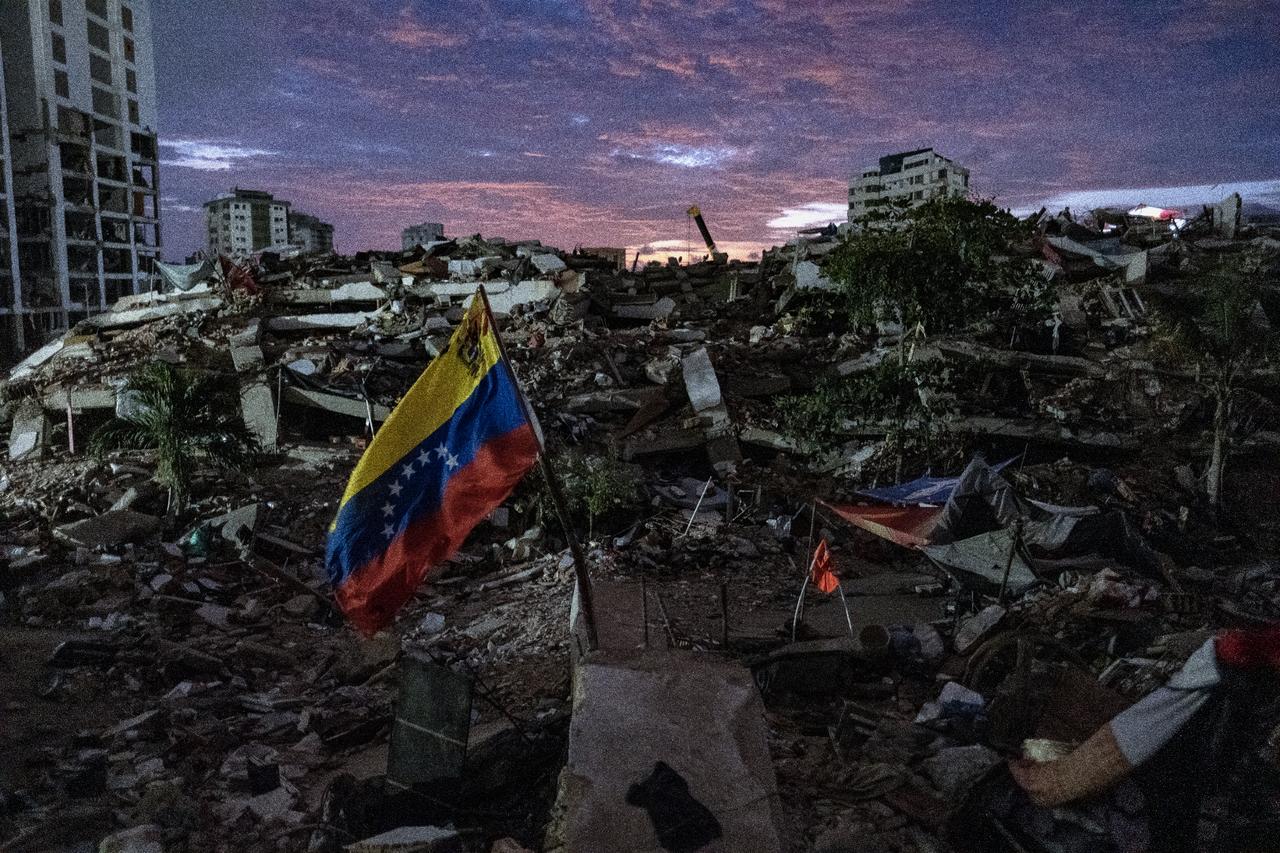
The earthquakes, measuring magnitudes 7.2 and 7.5, struck just 39 seconds apart on the evening of June 24, devastating Caracas and the coastal state of La Guaira, where more than 180 buildings collapsed entirely.
The rapid succession of the two tremors, a rare seismic phenomenon known as a doublet, caused destruction far beyond what either quake might have produced alone. It was the largest earthquake event Venezuela had recorded in more than a century.
More than 19,000 people are currently living in emergency camps erected in stadiums, plazas and on sidewalks across the affected region, Rodriguez said.
Venezuelan and foreign volunteers have set up medical tents in open areas and are distributing food to survivors.
The government has estimated it will need roughly 25,000 homes to rehouse those left without shelter.
Rodriguez moved to address fears among bereaved families that rubble would be cleared before victims are recovered, rejecting any suggestion that the search for bodies would be halted.
He said the government would begin making available apartments, already under construction before the disaster, to some displaced families within days.
However, he acknowledged that substantial resources would be needed for additional construction, rental subsidies and housing loans.
To begin addressing that shortfall, authorities have designated more than 40 plots of land in La Guaira, totaling approximately 584,000 square meters, for the construction of new homes.
Rodriguez said the sites were selected on safe, inland plains, away from the coastal zones where the destruction was most severe.
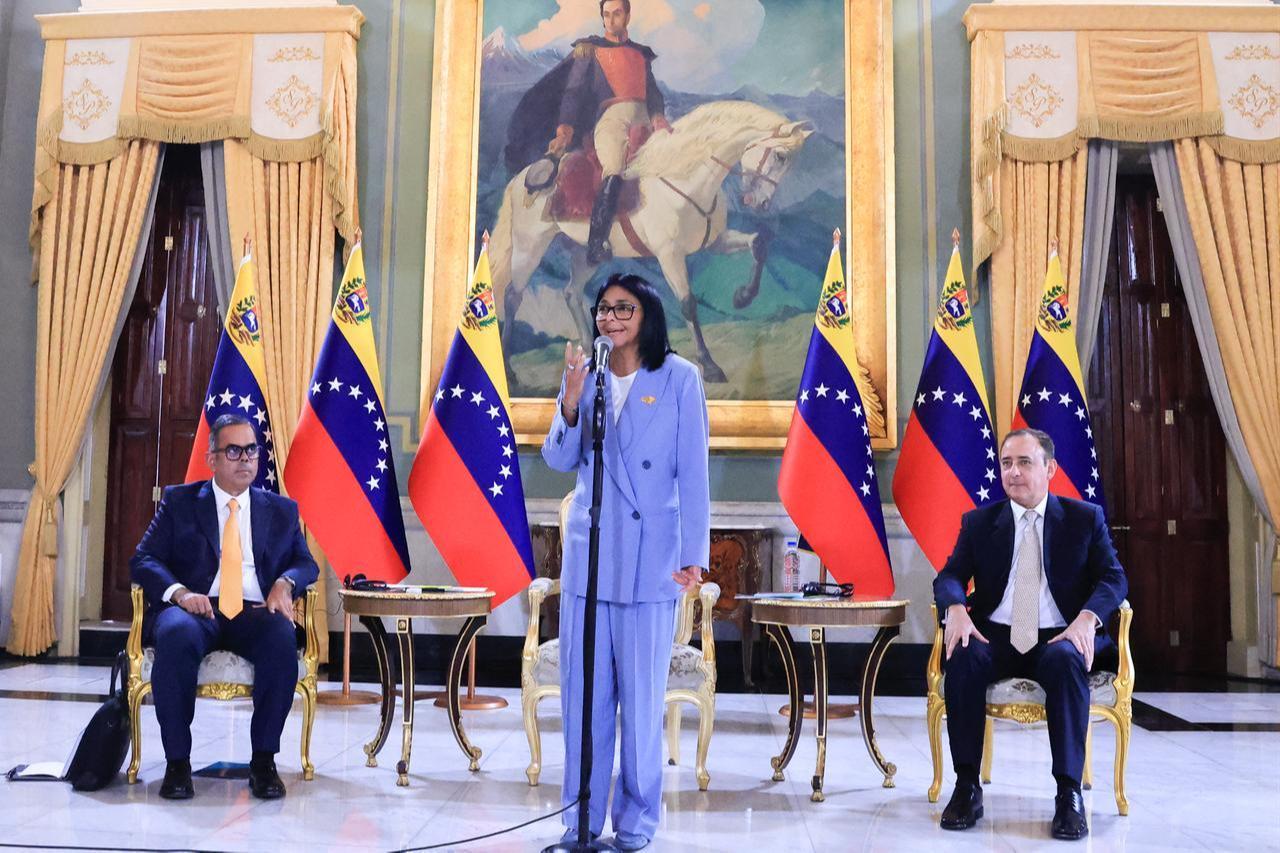

On the diplomatic front, interim President Delcy Rodriguez this week wrote to Britain's King Charles III requesting the release of approximately 31 tonnes of Venezuelan gold held at the Bank of England, valued at roughly $1.95 billion.
She said the reserves were needed to fund the country's earthquake recovery.
"This gold belongs to our people," she said on state television. "We need this gold to deal with the consequences of the earthquake."
The gold has been frozen in London since 2019, when Britain, along with the United States and other countries, declined to recognize former President Nicolas Maduro's administration as legitimate.
A 2021 UK Supreme Court ruling barred Maduro's government from accessing the bullion. Delcy Rodriguez became interim president in January after Maduro was detained by U.S. forces.
Buckingham Palace had not publicly responded to the appeal as of Saturday.
Britain has not extended formal recognition to the Rodriguez government, leaving the legal status of the reserves unresolved despite the change in leadership in Caracas.
The financial challenge facing Venezuela is immense. The UN estimates total physical damage, to homes, schools, hospitals and infrastructure, at around $37 billion, equal to several percentage points of the country's GDP.
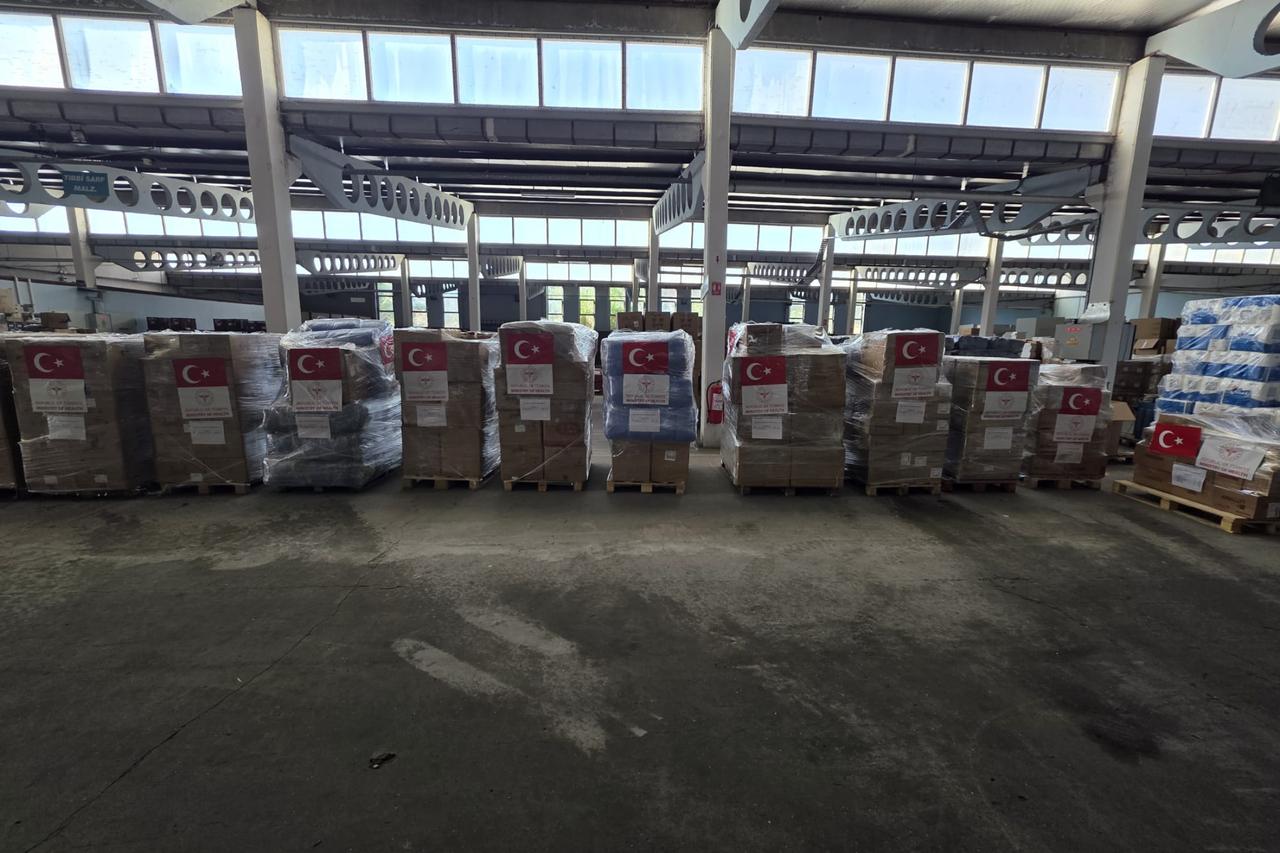
International aid pledged or delivered has exceeded $600 million, with the United States committing more than $386 million, channeled through the Red Cross, UNICEF and the World Food Programme rather than the central government.
The UN has separately launched an urgent humanitarian appeal for $296 million to meet the immediate needs of 1.3 million people over the next six months.
Jorge Rodriguez is the brother of interim leader Delcy Rodriguez, a familial overlap at the center of Venezuela's post-Maduro governance that has drawn international scrutiny even as the country confronts an unprecedented reconstruction effort.
Venezuela was already navigating deep political and economic instability before the earthquakes compounded its crisis.


 Set as preferred source
 Set as preferred source


 1 min read
 1 min read