Newsletters


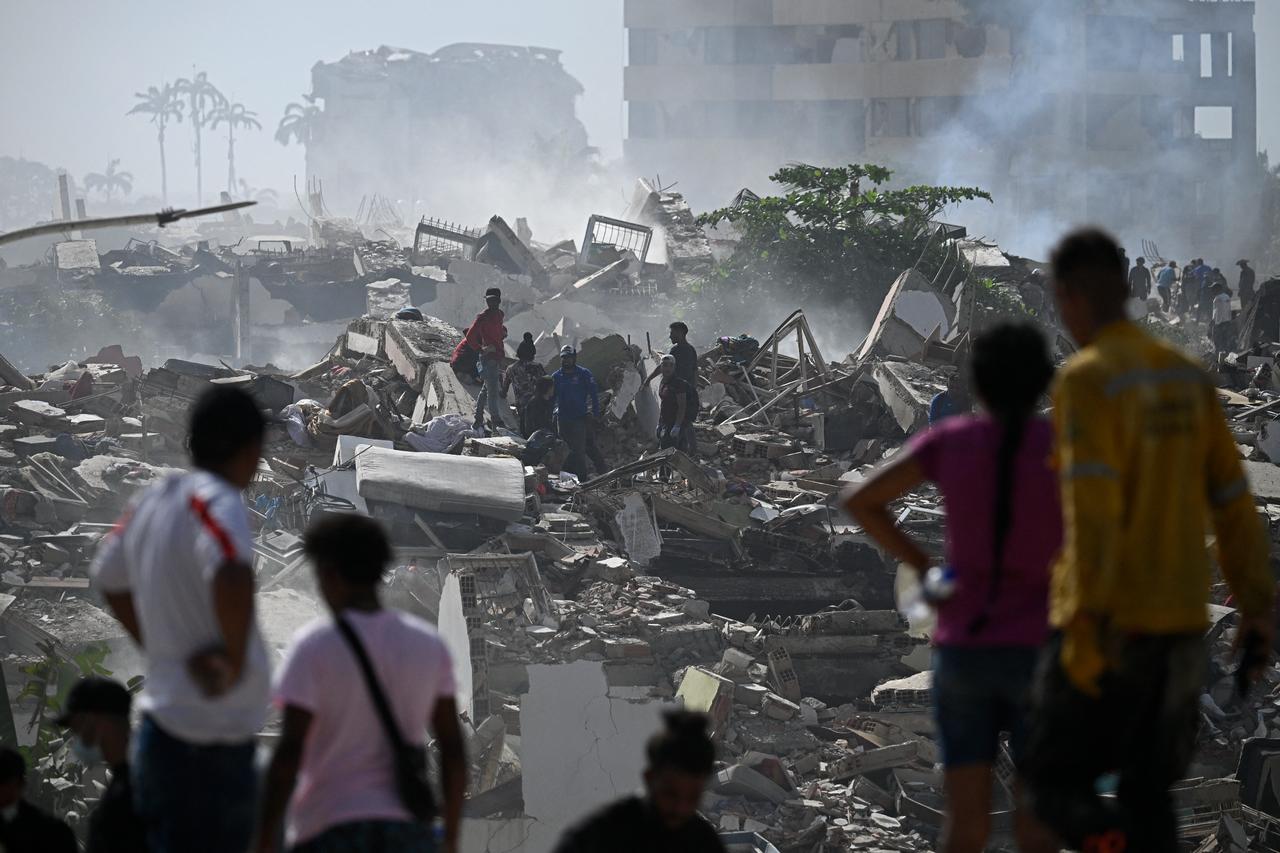


The death toll from two powerful earthquakes in northern Venezuela has risen to at least 235, the country’s health ministry said Thursday evening, as rescue teams struggled to reach people still trapped under collapsed buildings.
Health Minister Carlos Alvarado raised the toll from 188 after the quakes hit Wednesday night, leaving more than 1,500 people injured.
The United States Geological Survey measured the tremors at magnitudes 7.2 and 7.5, with both striking within less than a minute of each other.
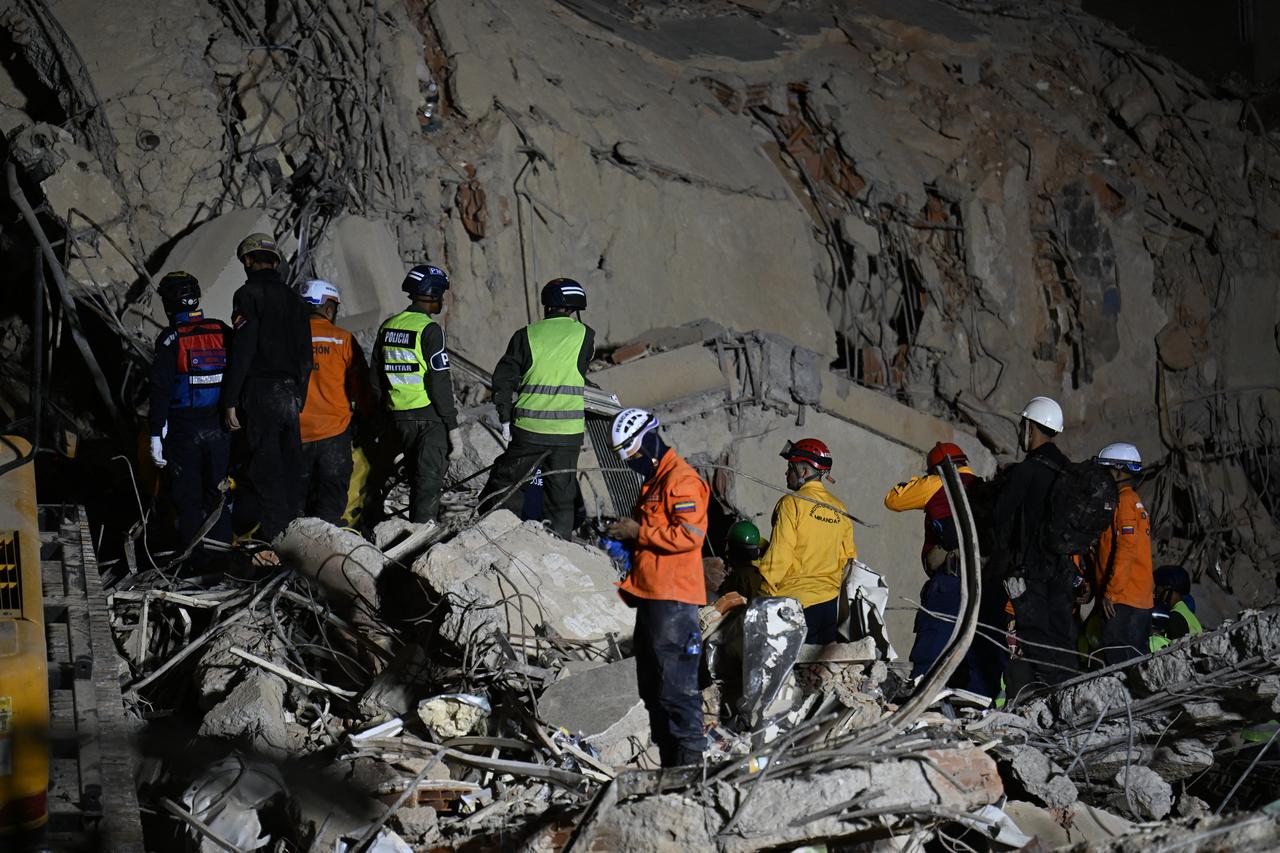

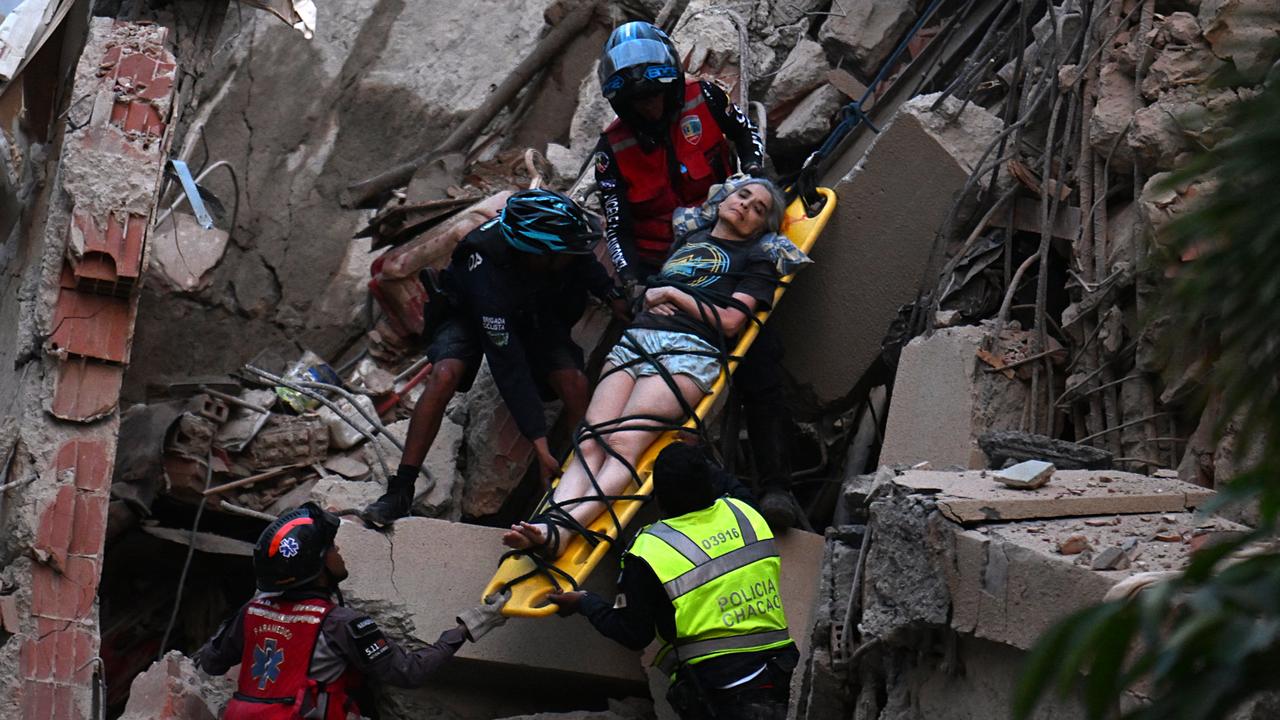
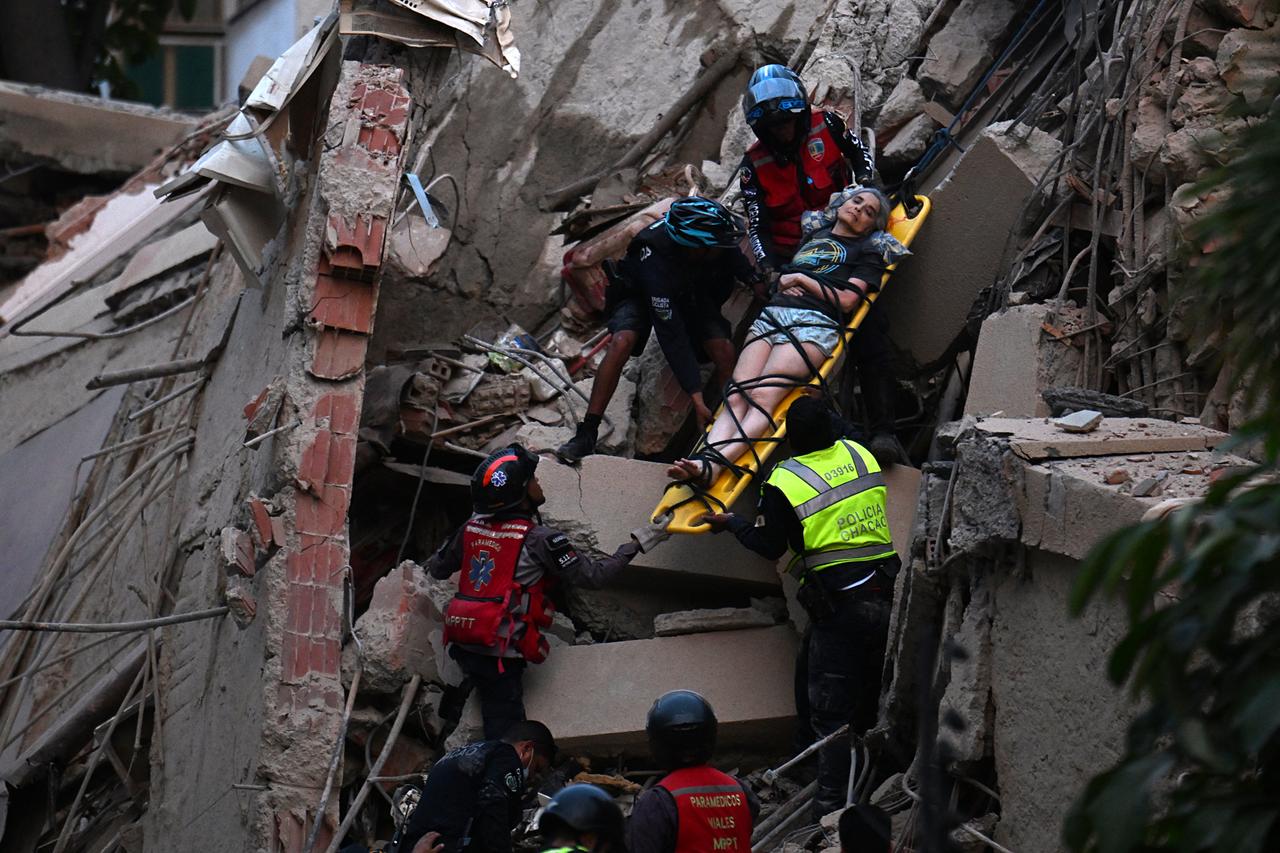
In La Guaira, the coastal state north of Caracas described as one of the worst-hit areas, residents tried to pull people out with limited equipment as aftershocks continued to shake the region.
Local people said they heard a young girl calling out for help for hours from beneath the rubble, but she later died before rescuers could reach her. In another collapsed building, residents said three people could still be heard alive.
One resident, Antonio Bermudez, said the community had no tools and no way to help further. A doctor at Domingo Luciani Hospital, speaking anonymously, said some children were arriving by ambulance without relatives after being pulled from the debris.
Interim president Delcy Rodriguez visited La Guaira after the area was declared a disaster zone, while Agence France-Presse (AFP) reporters saw residents looting a supermarket in the city.
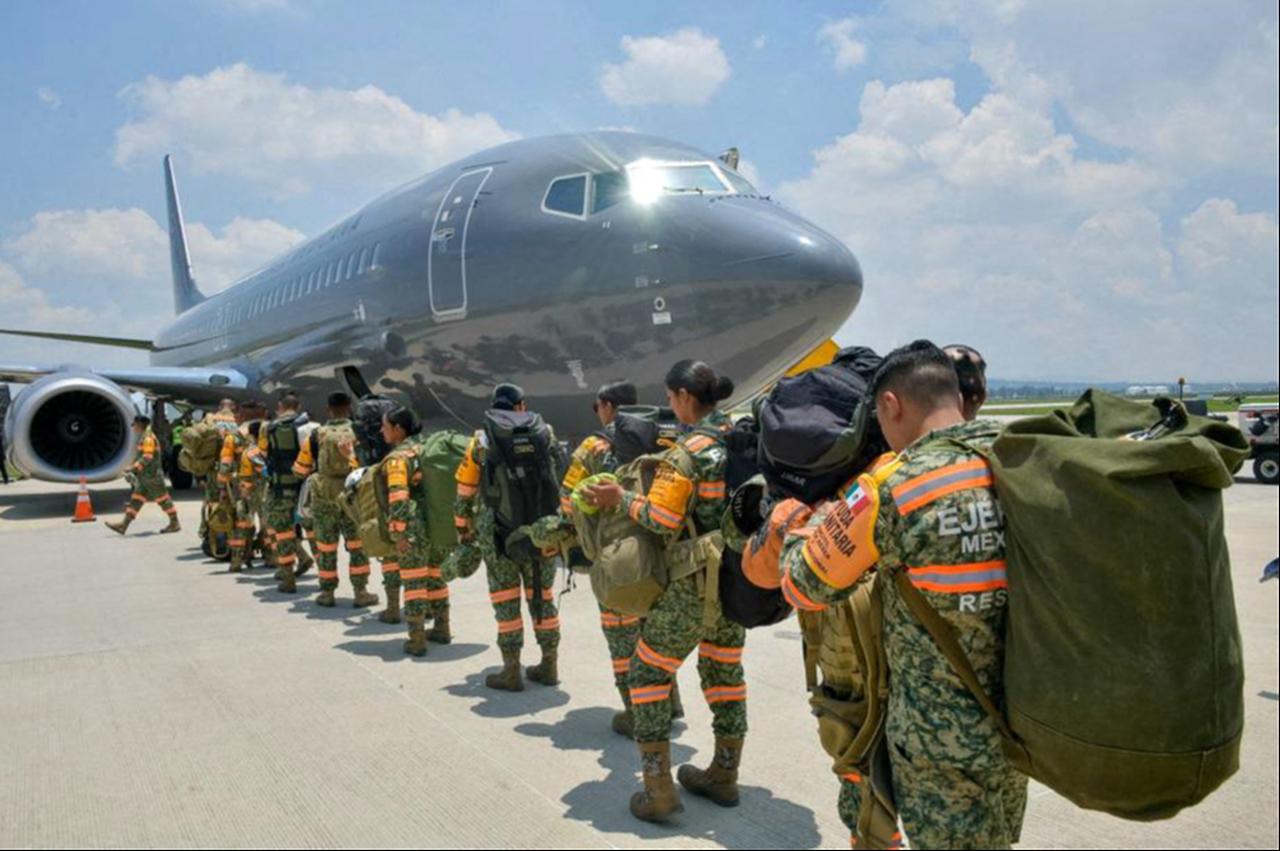
Nicole Kast, Venezuela director of the International Rescue Committee, described the situation as catastrophic. Switzerland, Spain, France, Portugal and Mexico were among the countries sending rescue specialists and teams.
The United States said it was deploying two warships, transport planes and helicopters, while also mobilizing $150 million in aid.
U.S. Secretary of State Marco Rubio said Washington had a “whole-of-government response” and added, “It'll be big, it'll be fast, and it'll be effective.”
China, India, Brazil and Iran also offered support, while Pope Leo XIV sent an initial €100,000 ($113,779) in aid. U.N. Secretary-General Antonio Guterres said he was deeply saddened by the disaster, and U.N. aid chief Tom Fletcher said the response would require “massive collective efforts.”
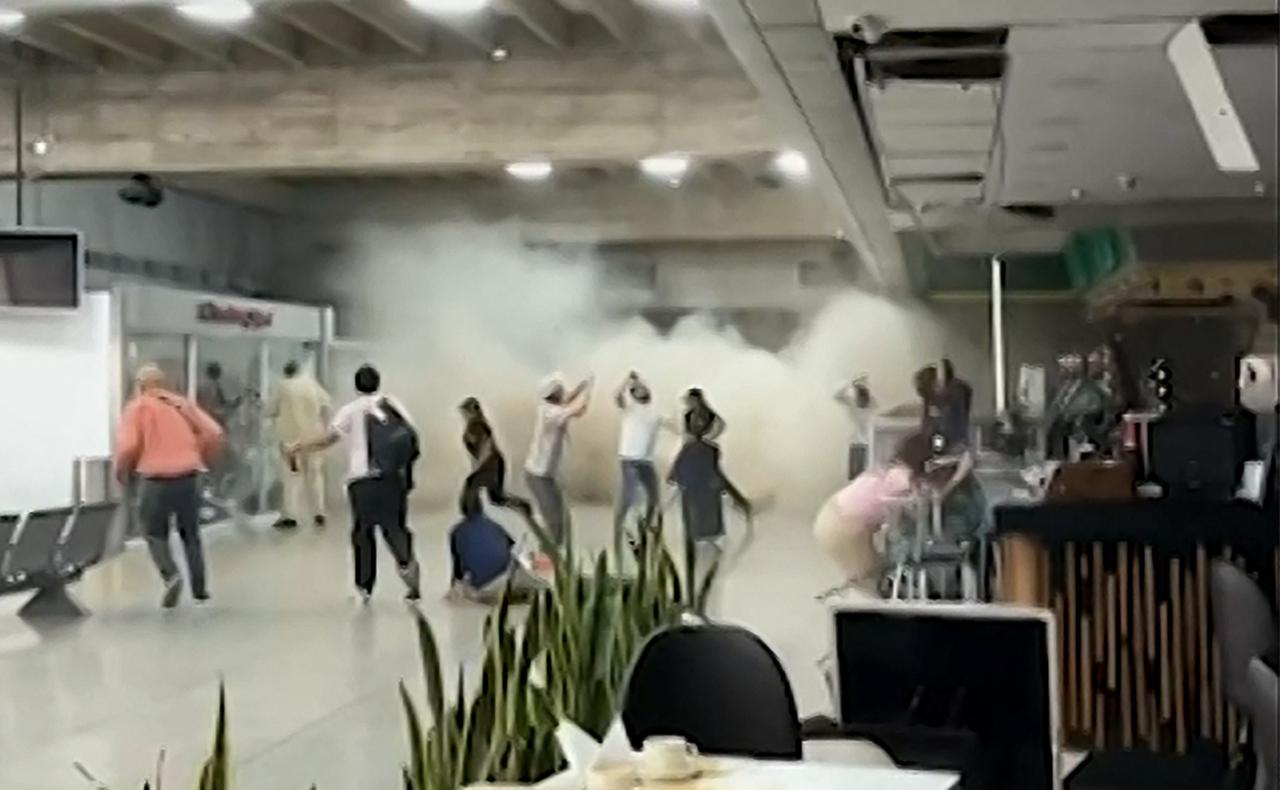
The international airport in La Guaira has been closed after suffering serious damage, raising concerns that relief operations could become more difficult in the coming days.
Officials from Italy and Portugal confirmed that one Italian and one Portuguese citizen were among those killed.
The earthquakes were felt in neighboring Colombia, where residents in Bogota left buildings as a precaution. Tremors were also reported in several cities in northern Brazil, according to the country’s seismic monitoring network.
Venezuela’s northern coast lies along the boundary between the Caribbean and South American tectonic plates. The country had not experienced a major quake since 1997, when 73 people were killed. Another earthquake in 1967 killed 236 people.
Wednesday’s magnitude 7.5 quake was the strongest to hit Venezuela since a 7.7-magnitude offshore tremor on Oct. 29, 1900.
In Caracas, many residents spent the night outside or in their cars. Rita Gomez, 60, said she traveled to the capital after seeing on social media that her daughter’s building had collapsed and that she was not answering her phone. She said neighbors were cooperating and that they were trusting in God that her daughter would be found alive.


 Set as preferred source
 Set as preferred source


 1 min read
 1 min read