Newsletters


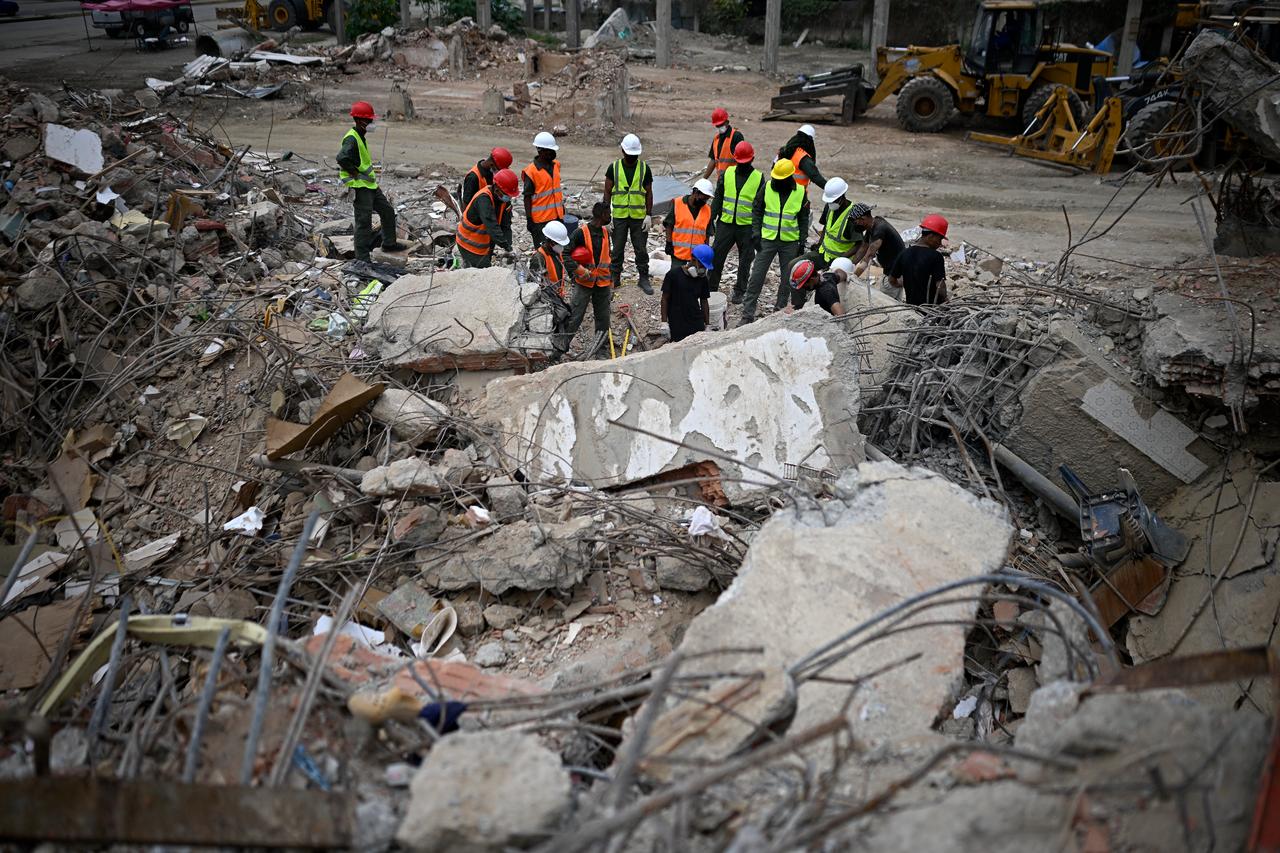


Venezuela's oil production was not affected by two powerful earthquakes that struck the country on June 24, killing 4,561 people and injuring 16,740 others, acting President Delcy Rodriguez said Monday.
Rodriguez said Venezuela was producing 1.2 million barrels of oil per day, an increase of about 10% from a year earlier, and that the government remained confident the sector would record strong growth this year.
Venezuela holds the world's largest proven crude oil reserves, and oil production remains the country's main source of revenue.


Venezuela's crude production is concentrated around Lake Maracaibo in the northwest and the Orinoco Belt in the east.
The areas most severely affected by the magnitude 7.2 and 7.5 earthquakes were the northern coastal state of La Guaira and the nearby capital, Caracas, which are located between the country's two main oil-producing regions.
Despite the scale of the disaster, Rodriguez said output had continued without disruption.
Venezuela's oil production declined sharply over the past two decades, falling from more than 3 million barrels per day in the early 2000s to about 350,000 barrels per day in 2020 following years of corruption and mismanagement.
Rodriguez, a former oil minister, took over as Venezuela's leader in January following the U.S. overthrow of socialist President Nicolas Maduro.
Under pressure from Washington, she introduced a major reform of the oil industry aimed at increasing foreign investment.
The reforms reverse two decades of state control over the sector as the government seeks to expand production and maintain growth.
Rodriguez said the current output level of 1.2 million barrels per day represented an increase of around 10% over the past year.
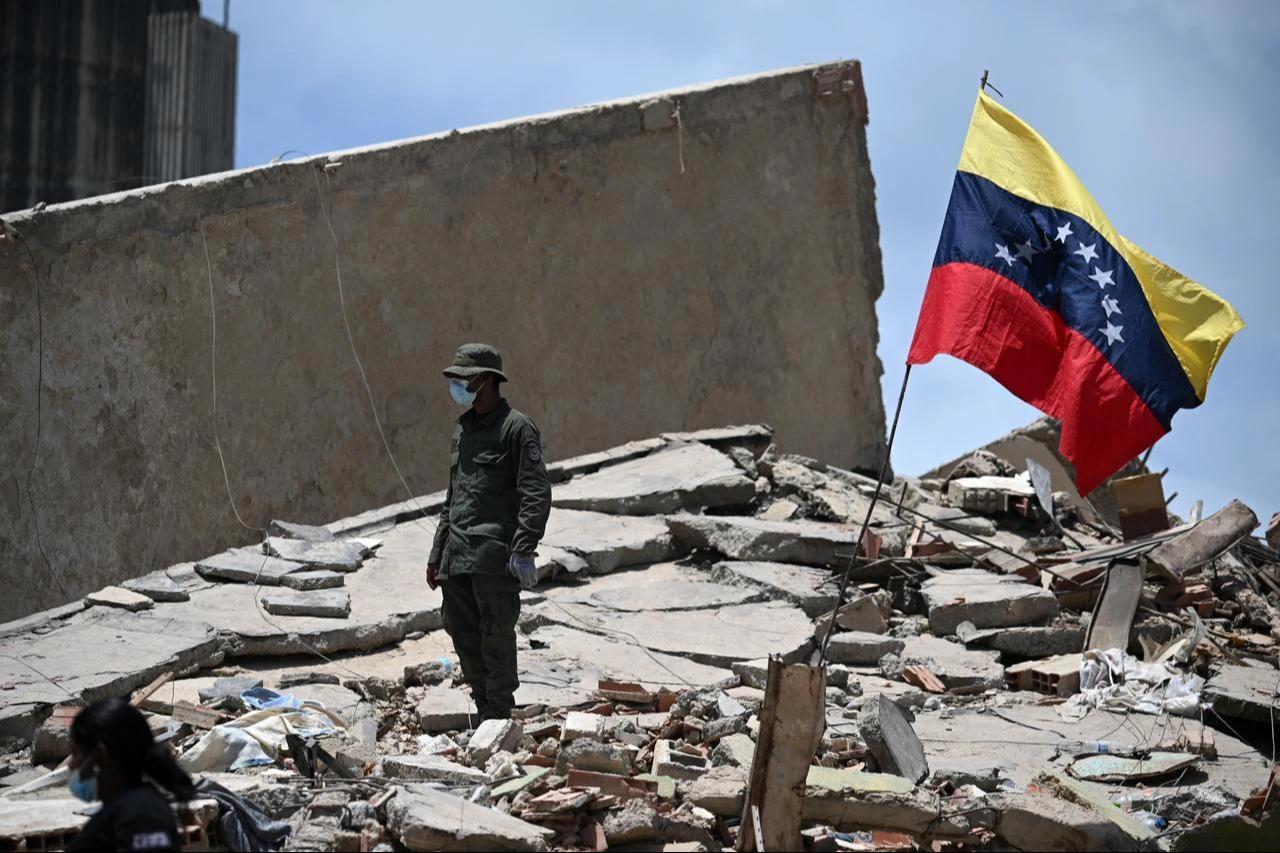
National Assembly President Jorge Rodriguez said Monday that the death toll from the two back-to-back earthquakes had risen to 4,561, while 16,740 people were injured.
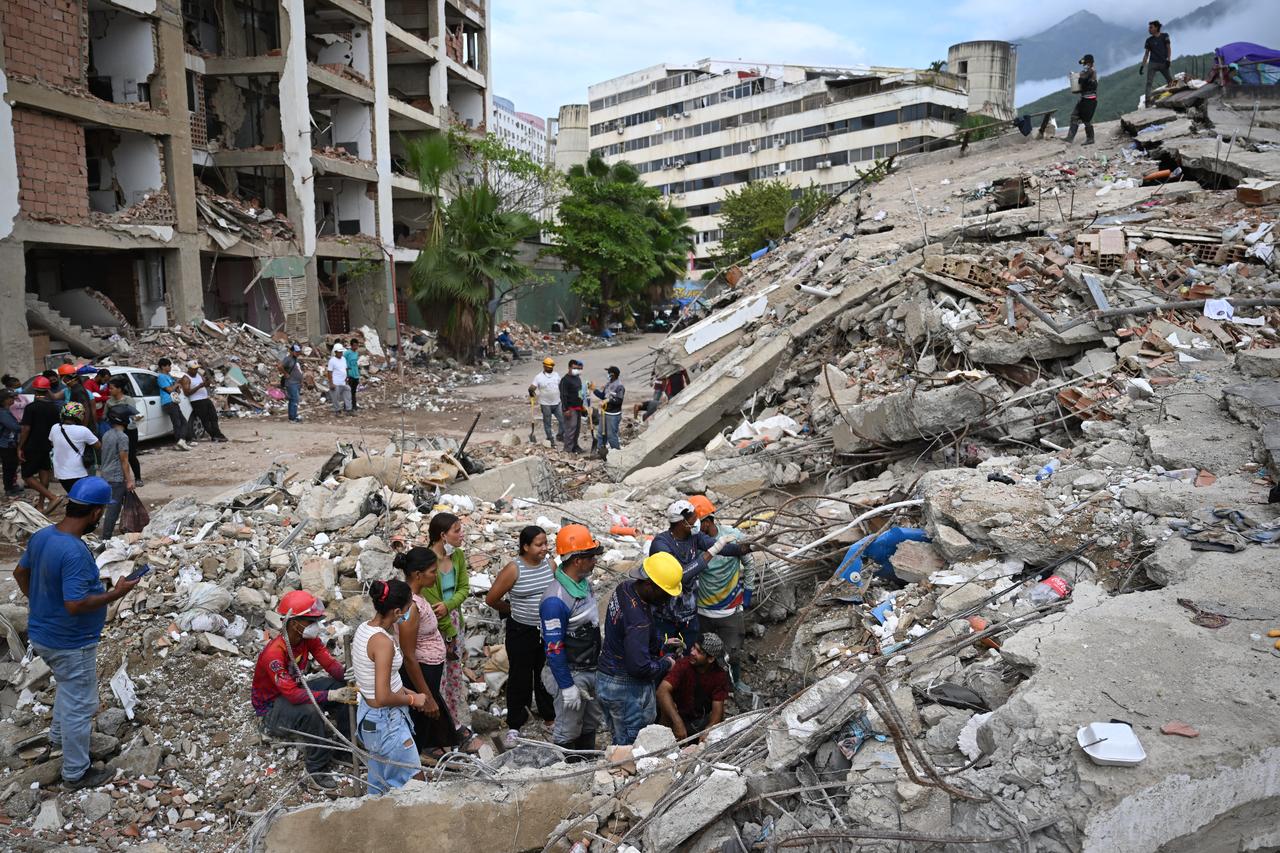
Authorities have provided assistance to 128,324 families and established 107 temporary camps housing 20,231 people.
A further 17,907 people remain without permanent housing.
The earthquakes damaged 856 buildings, including 190 that collapsed, according to Rodriguez.
The U.S. Geological Survey said the two earthquakes, measuring magnitudes of 7.2 and 7.5, struck Venezuela on June 24.


 Set as preferred source
 Set as preferred source


 1 min read

 1 min read