Sign in
 Newsletters


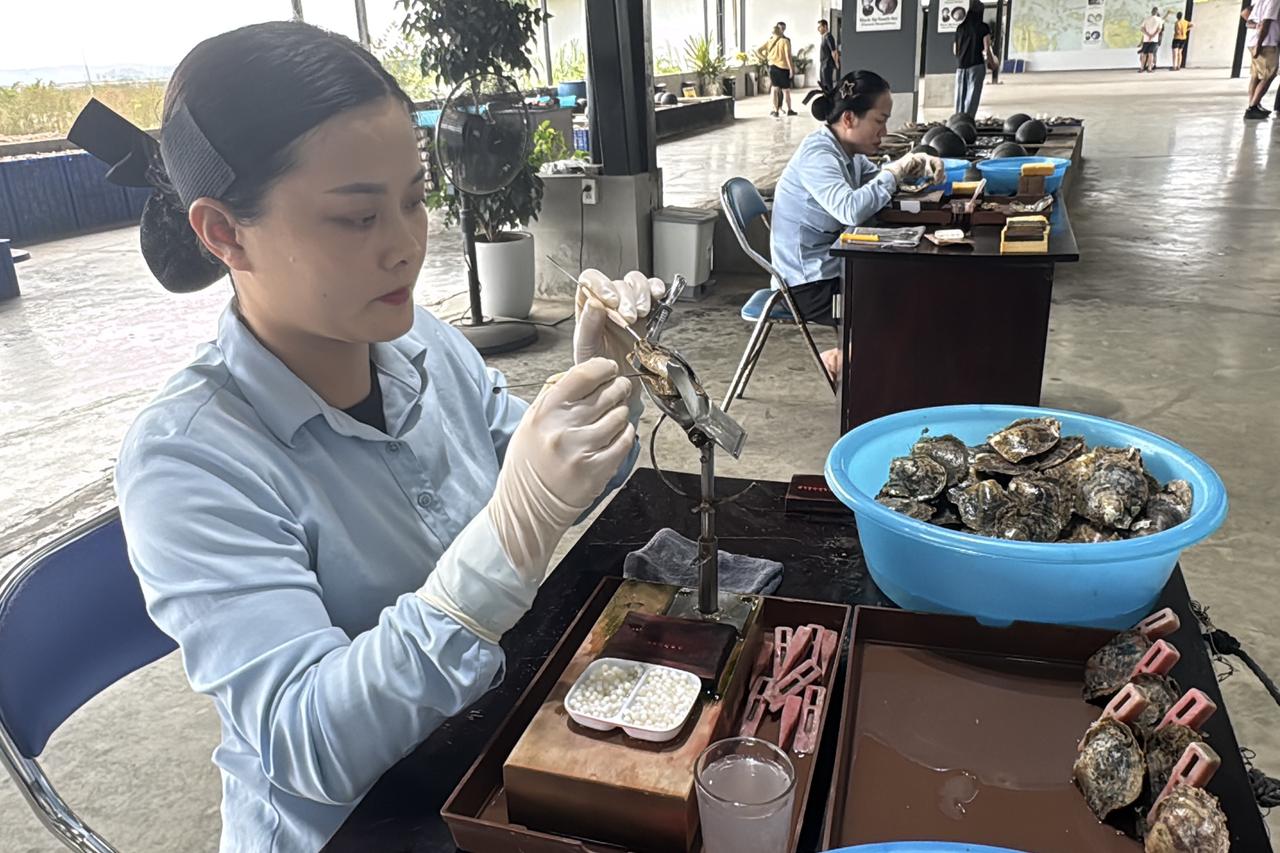


Pearl farms in Vietnam's Ha Long Bay take between one and more than five years to cultivate pearls, turning them into jewelry sold to tourists and exported to markets across the United States, Europe and Asia.
Pearl farming in the region dates back more than 30 years, with local producers using cultivation techniques introduced by Japanese specialists, according to Giang Huong, a representative at the Legend Pearl facility.
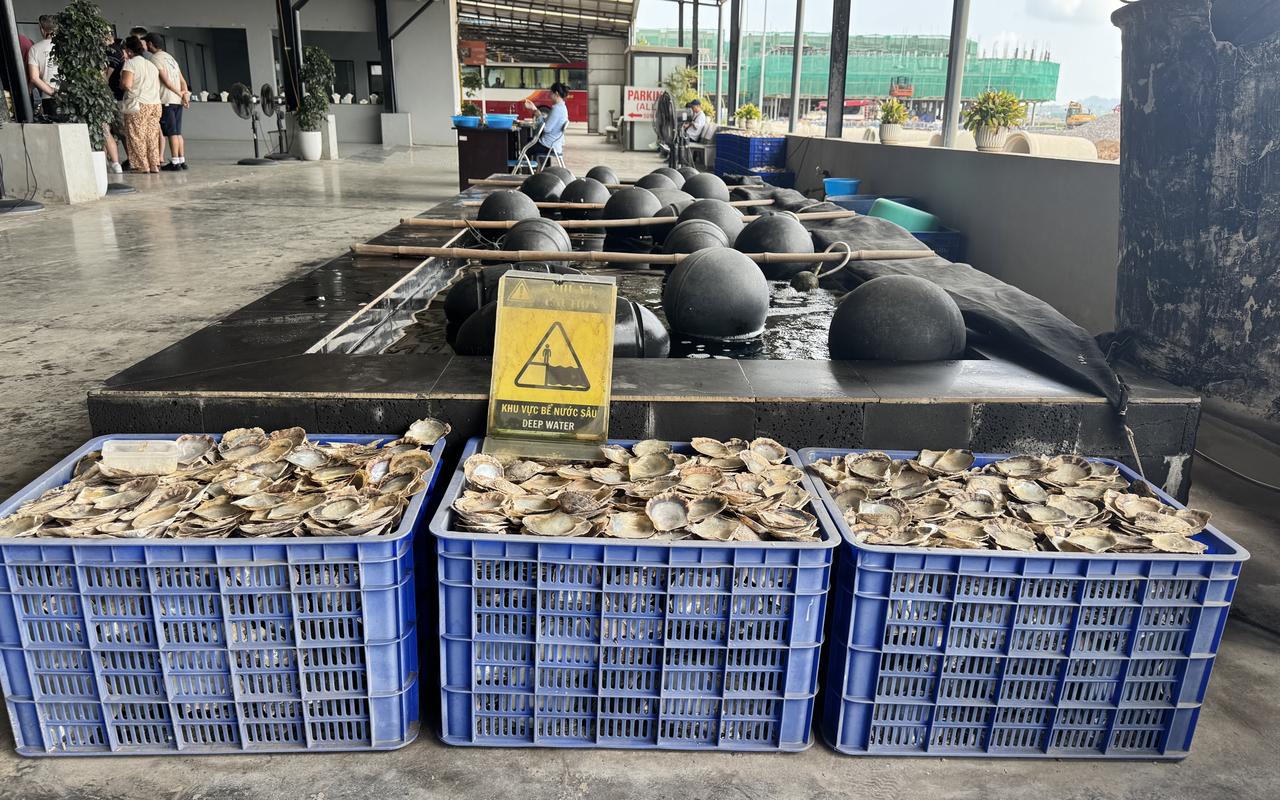

The cultivation process begins when producers insert a small round nucleus, which serves as the pearl's core, along with tissue from another oyster, into a recipient oyster. This prompts the oyster to release nacre, the natural substance that gradually builds up around the nucleus to form a pearl.
Huong explained that cultivation periods vary depending on the oyster species. Akoya oysters generally take one to two years to produce pearls, while South Sea and black pearl oysters require three to five years.
However, successful cultivation is not guaranteed, as only around 30% to 40% of oysters in Ha Long Bay produce pearls.
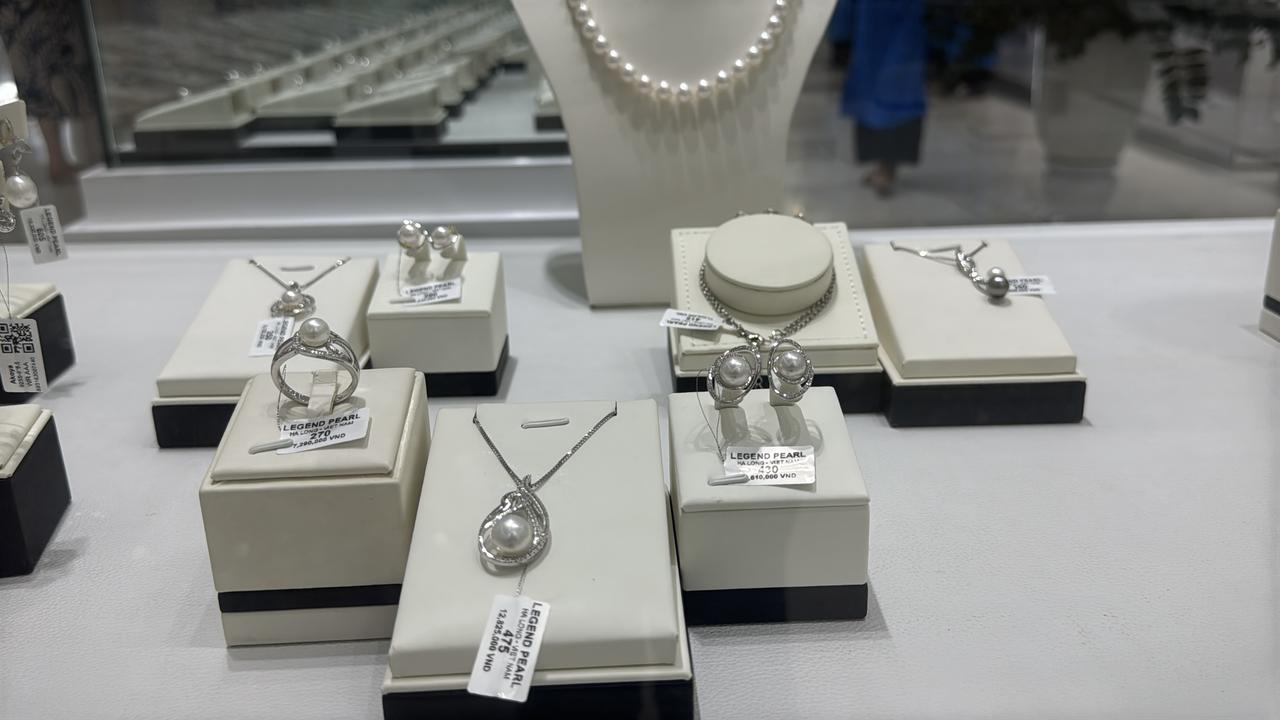
Once harvested, pearls are sorted according to their luster, or surface shine, as well as their color, shape, size and surface quality. These characteristics determine their suitability for jewelry and their market value.
Jewelry-grade pearls can sell for approximately $50 to more than $5,000 each, depending on their characteristics.
According to Huong, Legend Pearl produces around 200 to 300 kilograms of jewelry-quality pearls annually, supplying both the tourism industry and export markets in the United States, Europe and Asia.


 Set as preferred source
 Set as preferred source



 3 min read