Newsletters


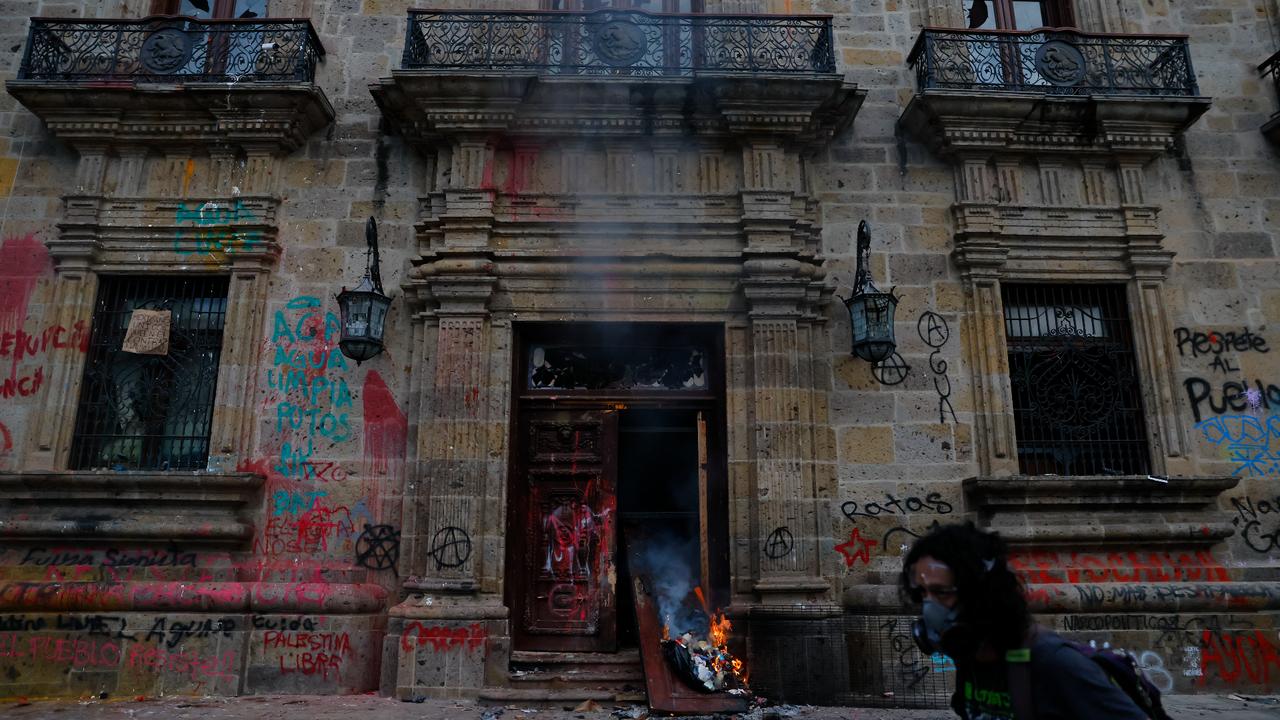
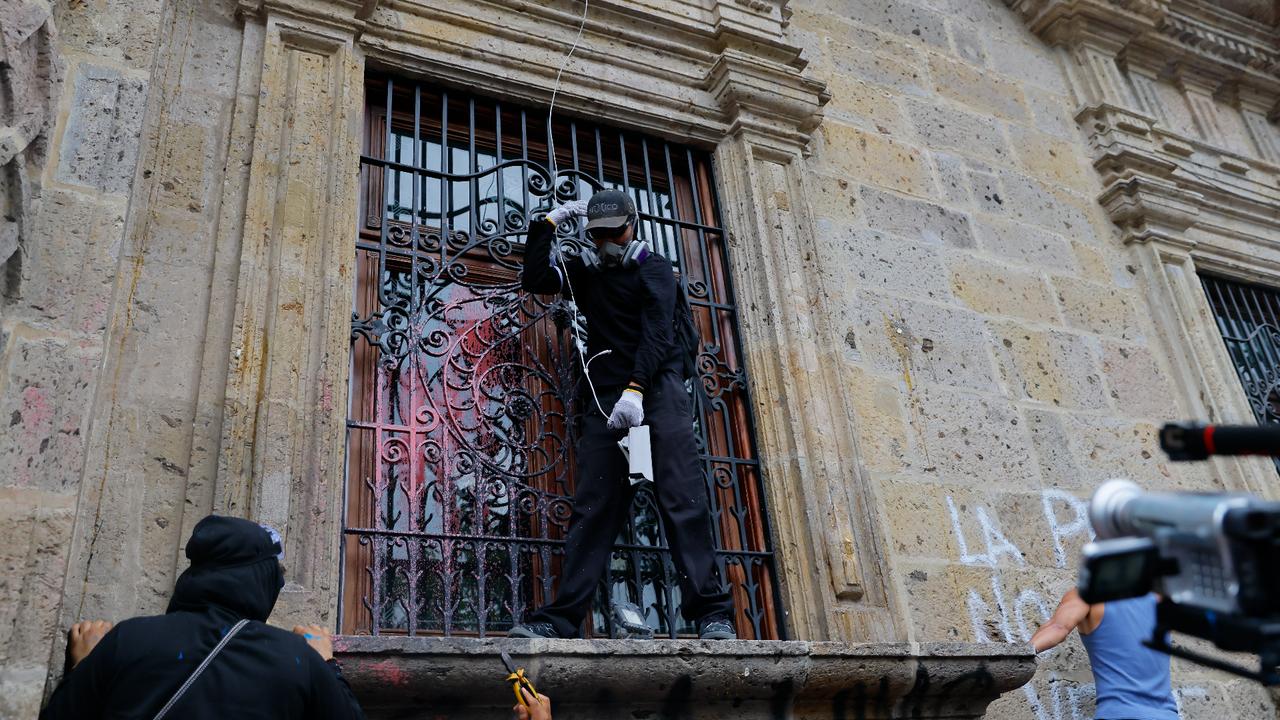
Violence erupted Sunday during a protest over water shortages and contamination in Guadalajara, western Mexico, in the city's second demonstration over the crisis in a week.
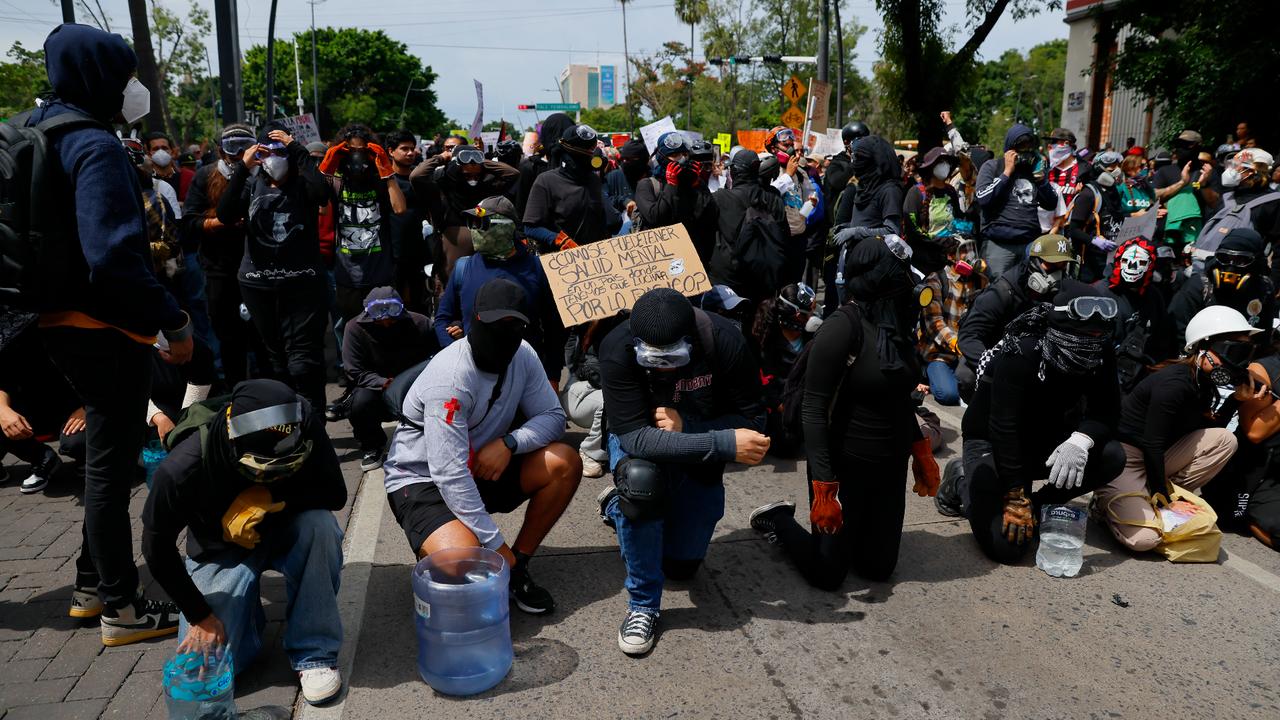
Residents across the Guadalajara metropolitan area have faced water supply problems for years, reporting shortages and black, foul-smelling water flowing from their taps.

Jalisco Governor Pablo Lemus acknowledged what he described as "an unprecedented drinking water crisis" earlier this month, with health authorities detecting coliform bacteria in the water supply.

Sunday's march turned violent when a group of hooded individuals reportedly set off explosives and set fire to the entrances of the state Congress building.
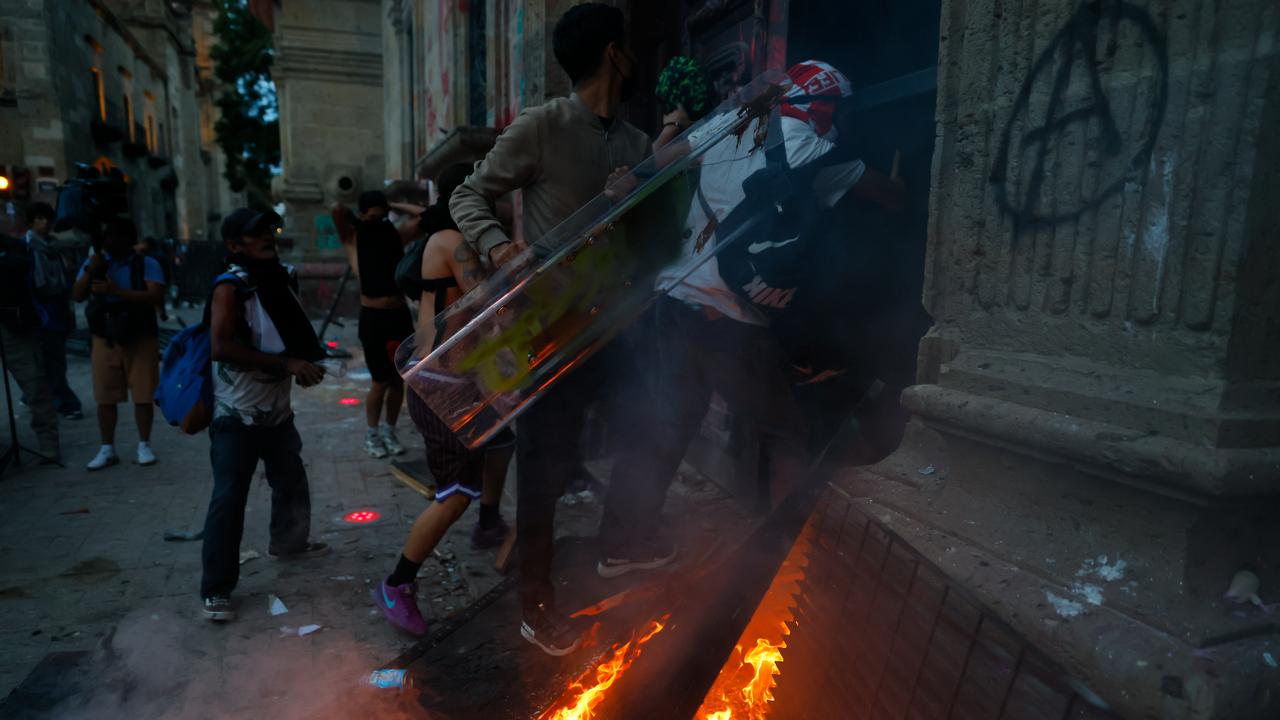
Authorities and protest organizers described the individuals as suspected infiltrators who had joined the demonstration to provoke violence.
Videos and reports shared on social media showed individuals carrying hammers, Molotov cocktails, and firecrackers. Reports of looting and damage to businesses also circulated.
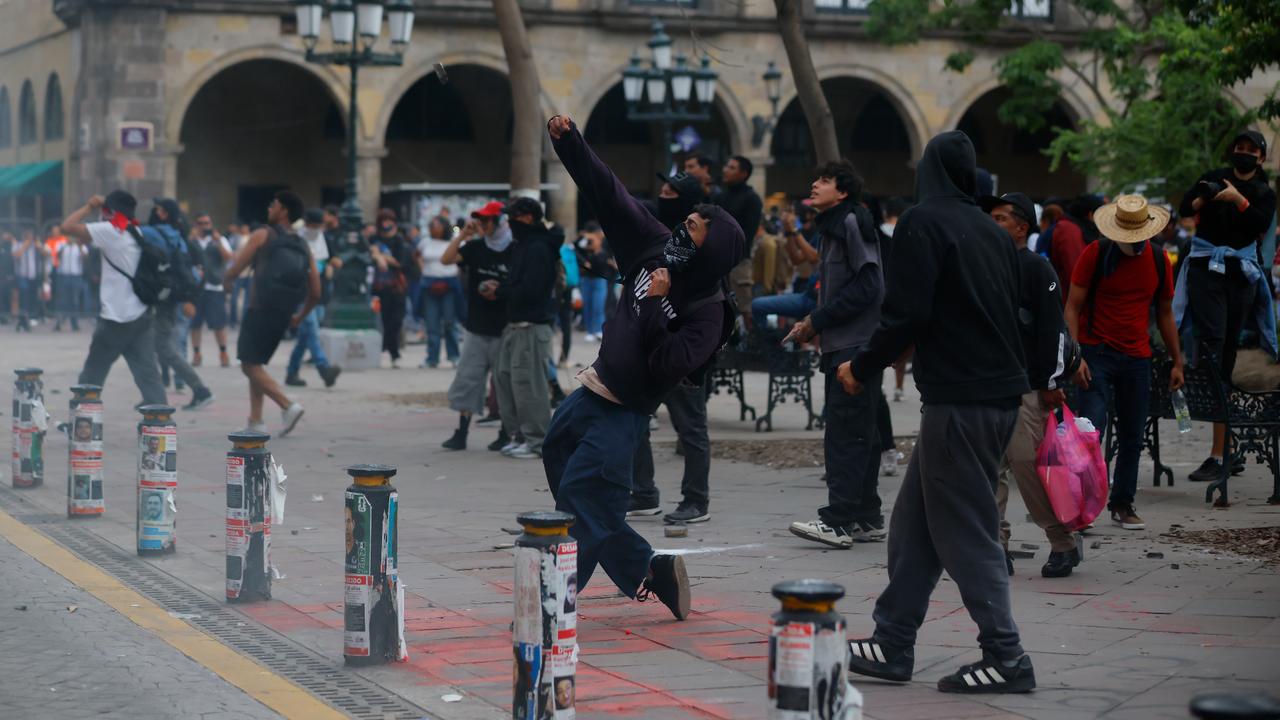
Demonstrators distanced themselves from the actions of the hooded individuals and rejected their behavior, refusing to continue the march until those responsible for the violence separated from the group.
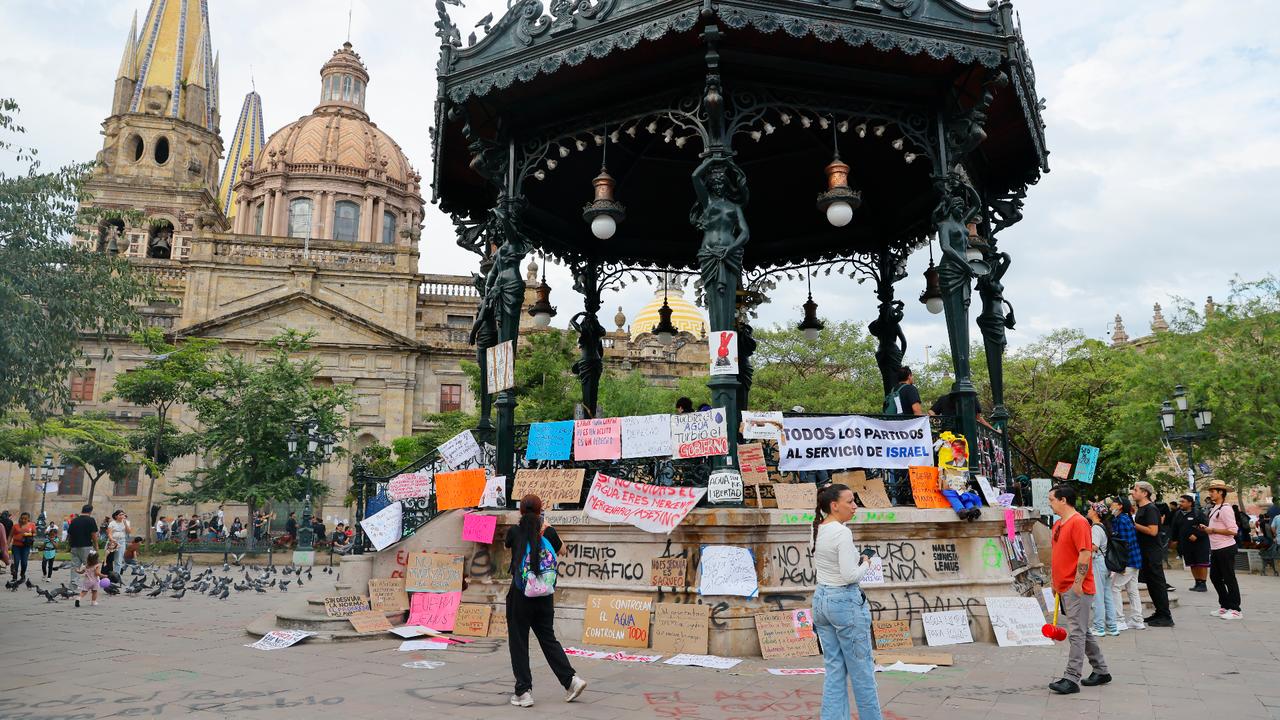
"At the beginning, a group of violent thugs tried to provoke violence and chaos, but the citizen organizers identified them, rejected them and expelled them from the march," Lemus wrote on social media platform X.
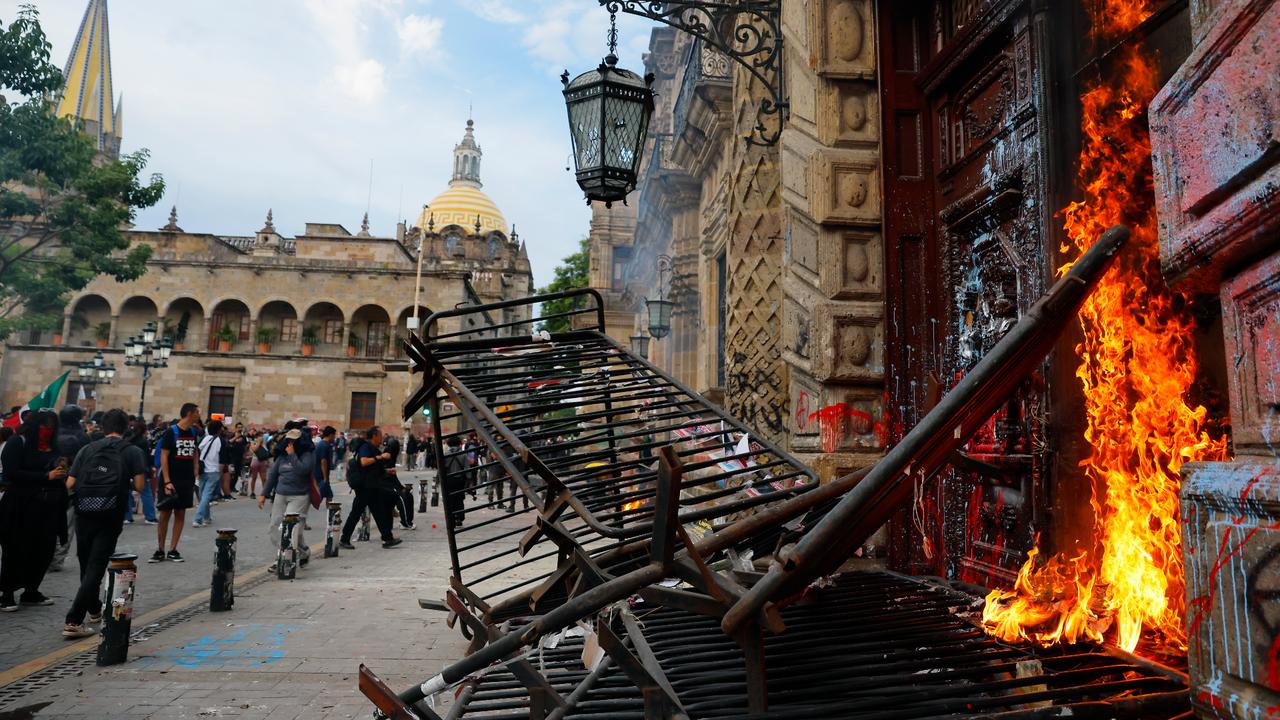
Five people were reportedly detained after being found in a stolen pickup truck containing gasoline containers.
They are suspected of setting fire to entrances to the state Congress and Judicial Branch buildings.
The latest demonstration followed Guadalajara's first March for Water on Oct. 11, which drew more than 10,000 people. The protest left 57 people injured and 39 detained, amid allegations of police brutality against demonstrators and journalists.

17 police officers have since faced legal proceedings over allegations of excessive force, while detainees have also accused officers of torture.
Lemus attributed the water crisis to the city's aging pipes, which he said had not been maintained for more than 70 years. He also announced plans to renovate the city's aqueducts.


 Set as preferred source


 4 min read