Newsletters


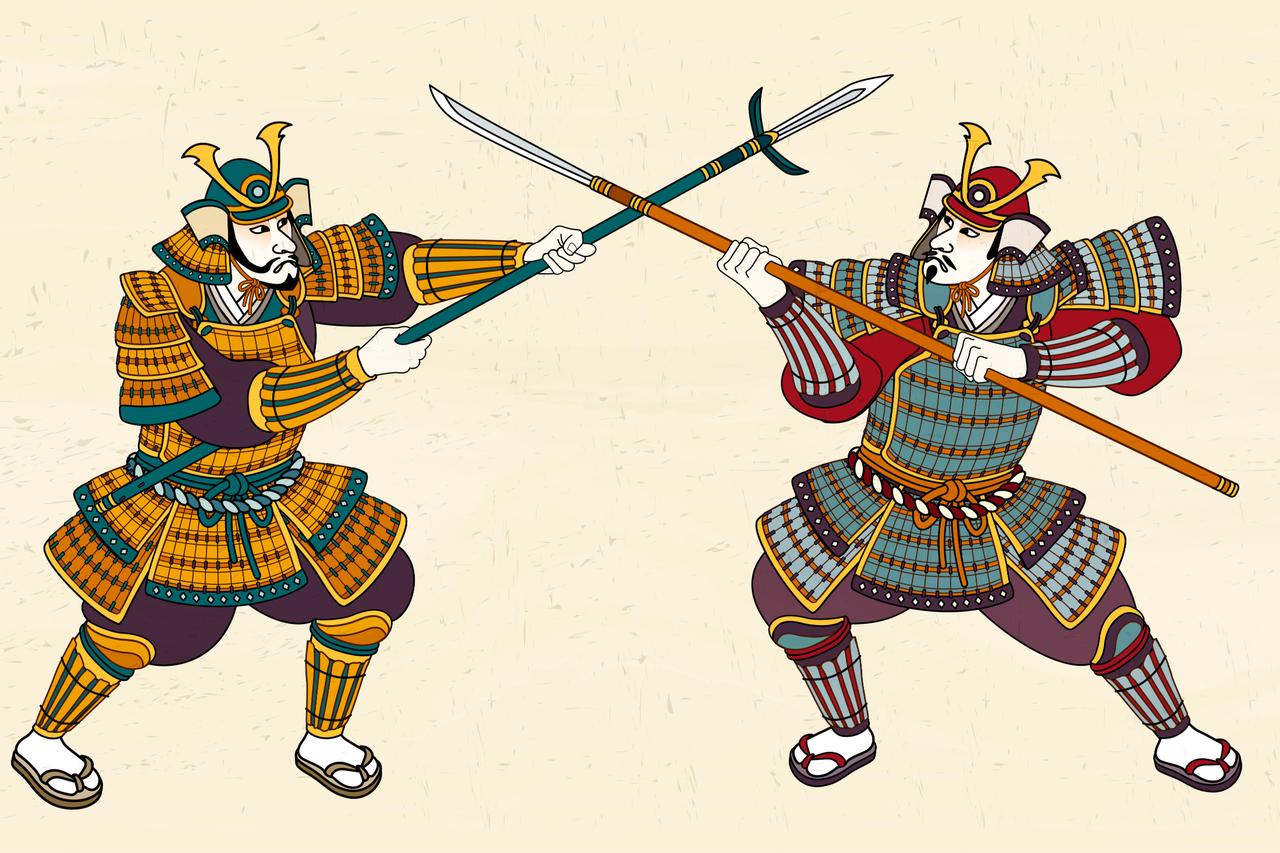


Samurai are famous as warriors, but people still discuss the roles women played within their ranks.
Historians agree that women born into the samurai, or “bushi,” class were considered samurai by status, even if they never fought. However, it is unclear how often these women actually participated in battles.
Sean O’Reilly, a professor of Japan studies at Akita International University, explained that any woman born into the samurai class was considered a female samurai “even if she never picked up a weapon, just as any man born into that status group was a samurai, no matter how wimpy/untrained/etc. he may have been.”
He also said that female warriors were probably not as common or as important in battle as many people today might think.
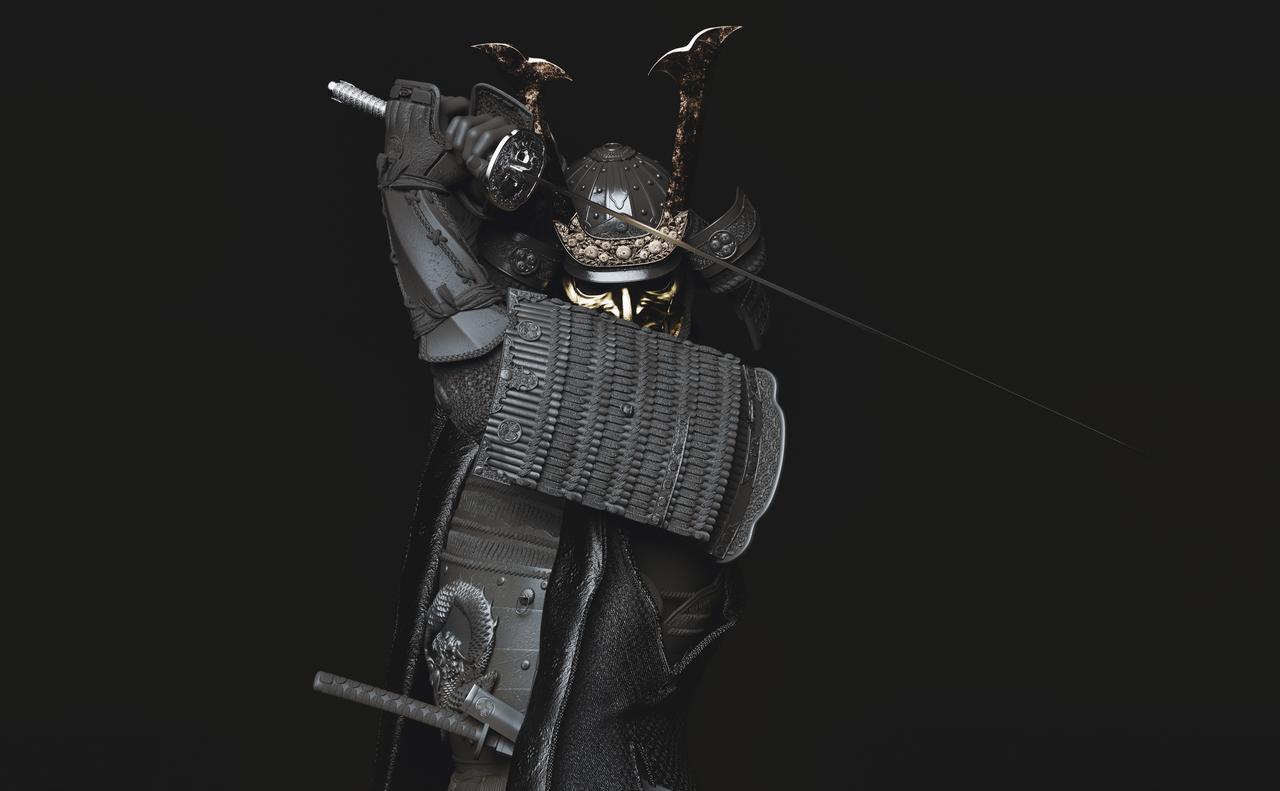

Tomoe Gozen is one of the best-known female samurai. She is said to have lived in the late 1100s and served a lord named Minamoto no Yoshinaka.
Historical records say she fought in the Genpei War, which was a conflict between the Taira and Minamoto clans from around 1180 to 1185.
The chronicle “The Tale of the Heike” describes her as “a match for a thousand ordinary men, skilled in arms, able to bend the stoutest bow, on horseback or on foot, ever ready with her sword to confront any devil or god that came her way,” according to a translation by Thomas Lockley, a law professor at Nihon University who has written extensively about the samurai.
Historians say that figures like Tomoe Gozen are considered semi-legendary. Karl Friday, a professor emeritus of history at the University of Georgia, noted that while stories about female warriors exist, “these women are all semi-legendary—especially with regard to their participation in battles.”
Another well-known figure is Ohori Tsuruhime, who lived from 1526 to 1543.
After her father and brothers died in a conflict with the regional governor, Ouchi Yoshitaka, Tsuruhime became the chief priestess of Oyamazumi Shrine on Omishima Island. She took command of the island’s defense force when she was 16.
Historian Stephen Turnbull, who has written extensively about the samurai, told her story in his book “Samurai Women: 1187-1877.”
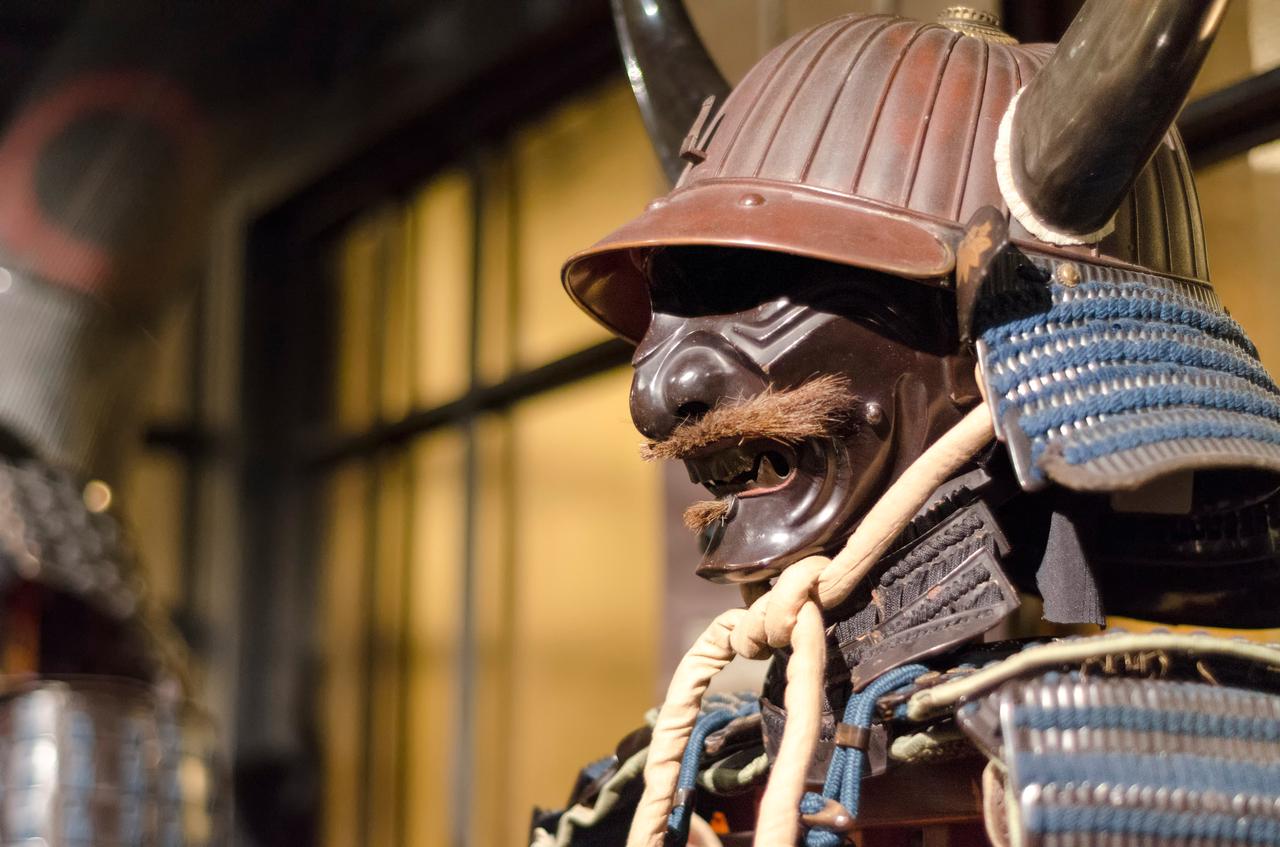
He noted that Tsuruhime said she was helped by the shrine’s kami, or spirit, and that she has been compared to Joan of Arc. A suit of 16th-century armor shaped for a woman, believed to have belonged to her, is still on display at the shrine.
Thomas Conlan, a professor of medieval Japanese history at Princeton University, confirmed that the armor fits a woman’s body and called it an important historical artifact.
Some of the best evidence for female samurai fighting comes from the Boshin War, a civil conflict that lasted from January 1868 to June 1869.
During the siege of Aizu-Wakamatsu, the capital of the Aizu domain in northern Japan, a group of female samurai formed a unit known as the Joshigun.
Diana Wright, a former professor at Western Washington University, wrote about the unit in a 2001 article in the journal War in History.
It is believed that 20 to 30 women were in the unit, but the names of only 10 of them are known today.
The group’s unofficial leader was Nakano Takeko, a 22-year-old woman who fought with a naginata, a pole weapon with a curved blade, against rifle-armed forces at Yanagi bridge.
Records show she killed five or six enemy soldiers before she was shot.
After the battle, the surviving members of the Joshigun retreated to a castle with the male troops.
Despite these examples, Friday says that women fighting in battle was considered taboo for much of Japanese history.
He mentioned a military conduct document from the Hojo family that discouraged contact with women before battle and did not allow women to touch a warrior’s weapons.
Friday stated that while isolated cases of women in battle almost certainly occurred between the 8th and 16th centuries, “there’s absolutely no good evidence to support the conclusion that women warriors were any more common in Japan than they were in medieval France or ancient Sparta.”
Samurai had to learn martial arts, especially naginata, to protect themselves and their families. Eric Shahan, a Japanese translator who specializes in martial arts texts, noted that the Yoshin School of traditional Japanese martial arts still practices naginata techniques while wearing a kimono.
This tradition shows that, in the past, people expected women to take up arms at any time.


 Set as preferred source
 Set as preferred source



 4 min read