Newsletters




The leaders of five major Western nations issued a stark warning against a large-scale Israeli ground offensive in Lebanon, saying such an escalation "must be averted" as violence between Israel and Hezbollah intensifies across the region.
Canada, France, Germany, Italy and the United Kingdom said in a joint statement that they are "gravely concerned by the escalating violence in Lebanon," urging both Israeli and Lebanese officials to pursue a negotiated political settlement through direct engagement.
The coordinated diplomatic intervention reflects growing alarm among Western capitals over the trajectory of the conflict, which has seen Israeli military operations in Lebanon expand in recent weeks alongside continued cross-border exchanges of fire with Hezbollah.
The five leaders were blunt about the potential consequences of further military escalation, warning that "a significant Israeli ground offensive would have devastating humanitarian consequences and could lead to a protracted conflict."
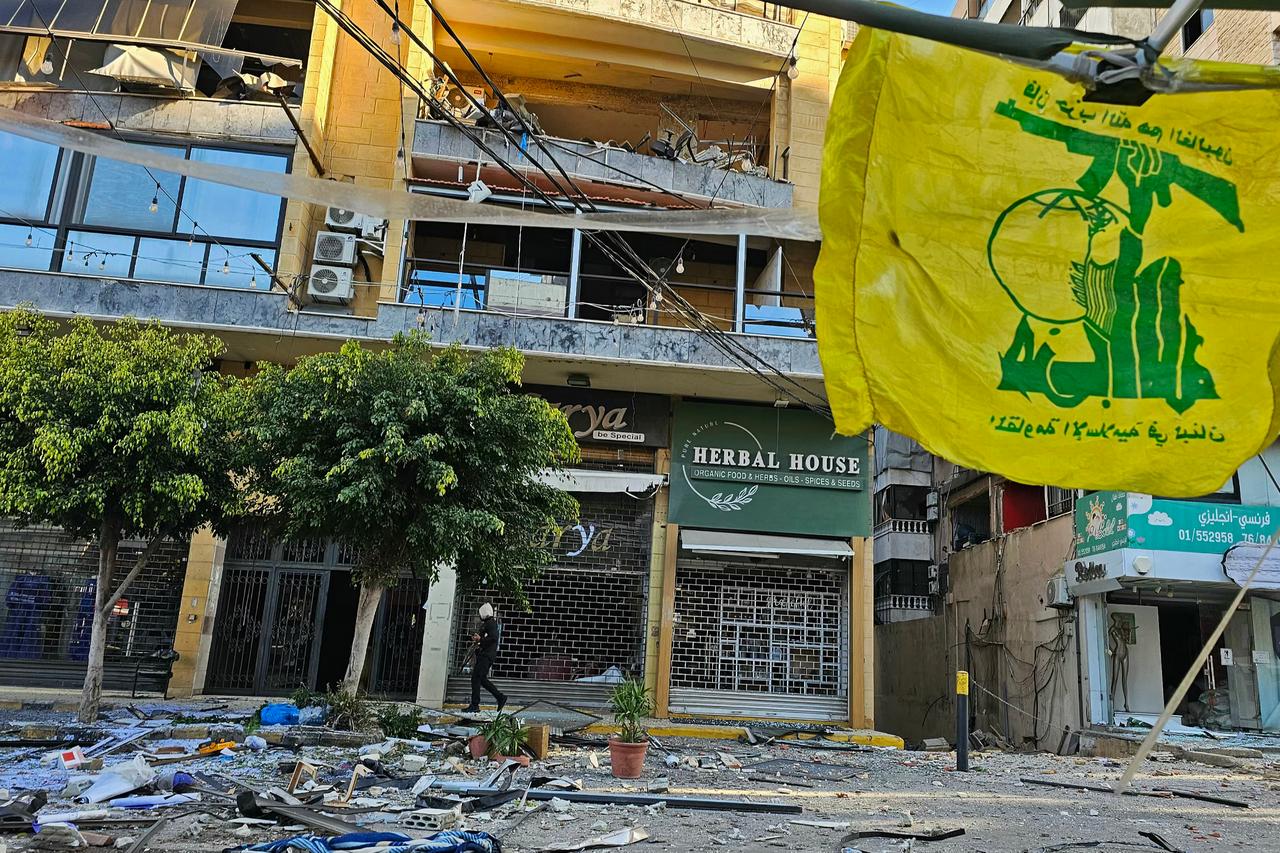

While cautioning Israel against deepening its military campaign, the statement placed significant responsibility on Hezbollah, demanding the Iran-backed group cease its attacks on Israeli civilians and fully disarm. The leaders condemned Hezbollah's decision to align with Iran in hostilities, saying the group's actions "further jeopardise regional peace and security."
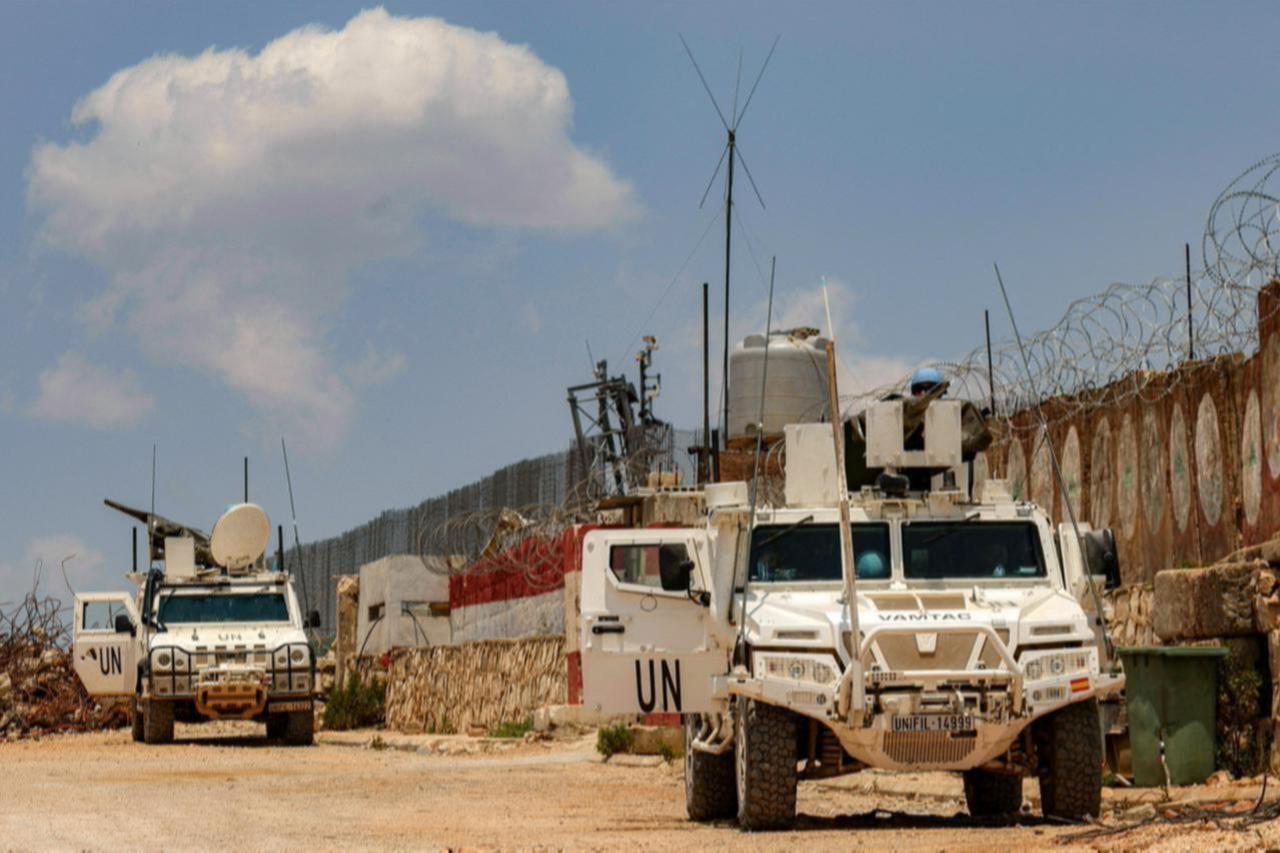
The joint declaration called for the full implementation of United Nations Security Council Resolution 1701, the landmark 2006 measure that ended the last major war between Israel and Hezbollah and mandated the disarmament of all armed groups in southern Lebanon. The resolution also called for the deployment of the Lebanese Armed Forces and an expanded UN peacekeeping force, UNIFIL, south of the Litani River, provisions that have largely gone unenforced in the years since.
The leaders voiced support for the Lebanese government's efforts to curb Hezbollah's military infrastructure and activities, while expressing solidarity with Lebanese civilians who, they said, "have been unwillingly drawn into conflict."
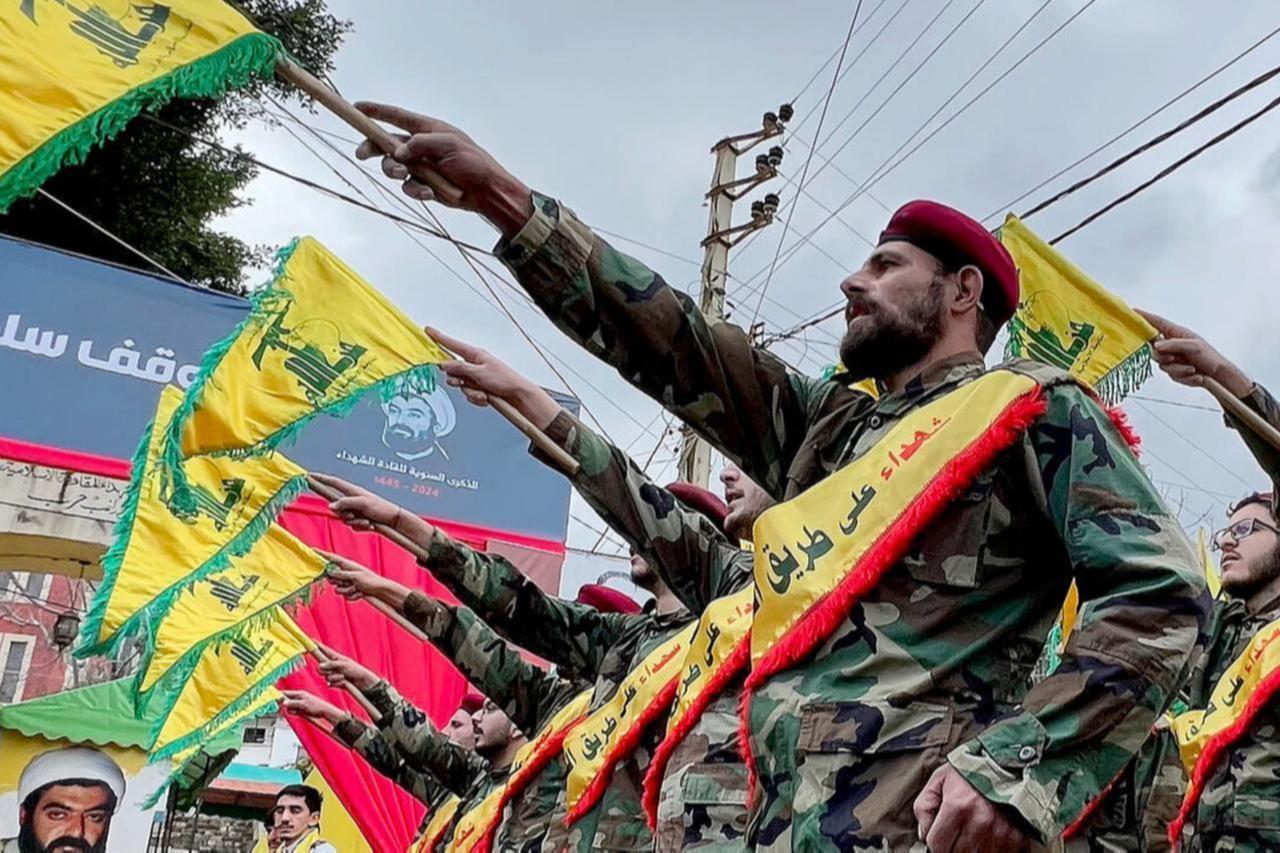
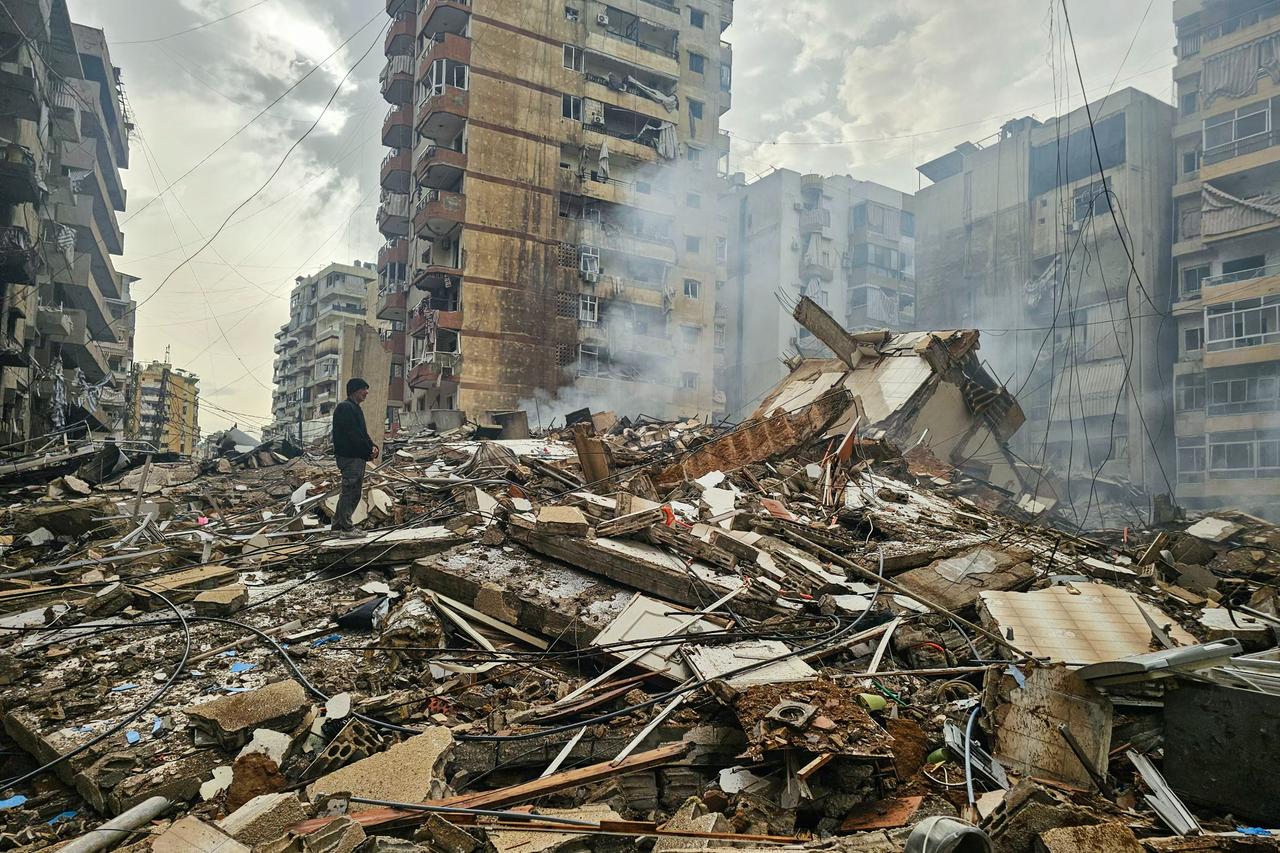
The diplomatic appeal came as Israeli airstrikes continued to hit targets across Lebanon. In the southern city of Tyre, an Israeli attack struck a residential apartment near Jabal Amel Hospital at the Ma'rakah junction, killing at least one person and wounding 16, according to Lebanon's National News Agency, citing health authorities. An earlier casualty count had put the number of wounded at five before being revised upward.
The strike on a populated area near a hospital underscored the humanitarian concerns raised by the five Western leaders, and highlighted the gap between international calls for restraint and the reality on the ground.
 1 min read
The statement's dual message, pressing Israel to hold back from a ground campaign while simultaneously demanding Hezbollah disarm, reflected the delicate balancing act facing Western governments. The five nations have historically maintained close security ties with Israel while also supporting Lebanon's sovereignty and the authority of its central government over non-state armed groups.
Whether the diplomatic pressure will alter the calculus of either side remains uncertain, as both Israel and Hezbollah have shown little inclination to de-escalate without concessions from the other.


 Set as preferred source
 Set as preferred source


 1 min read