Newsletters


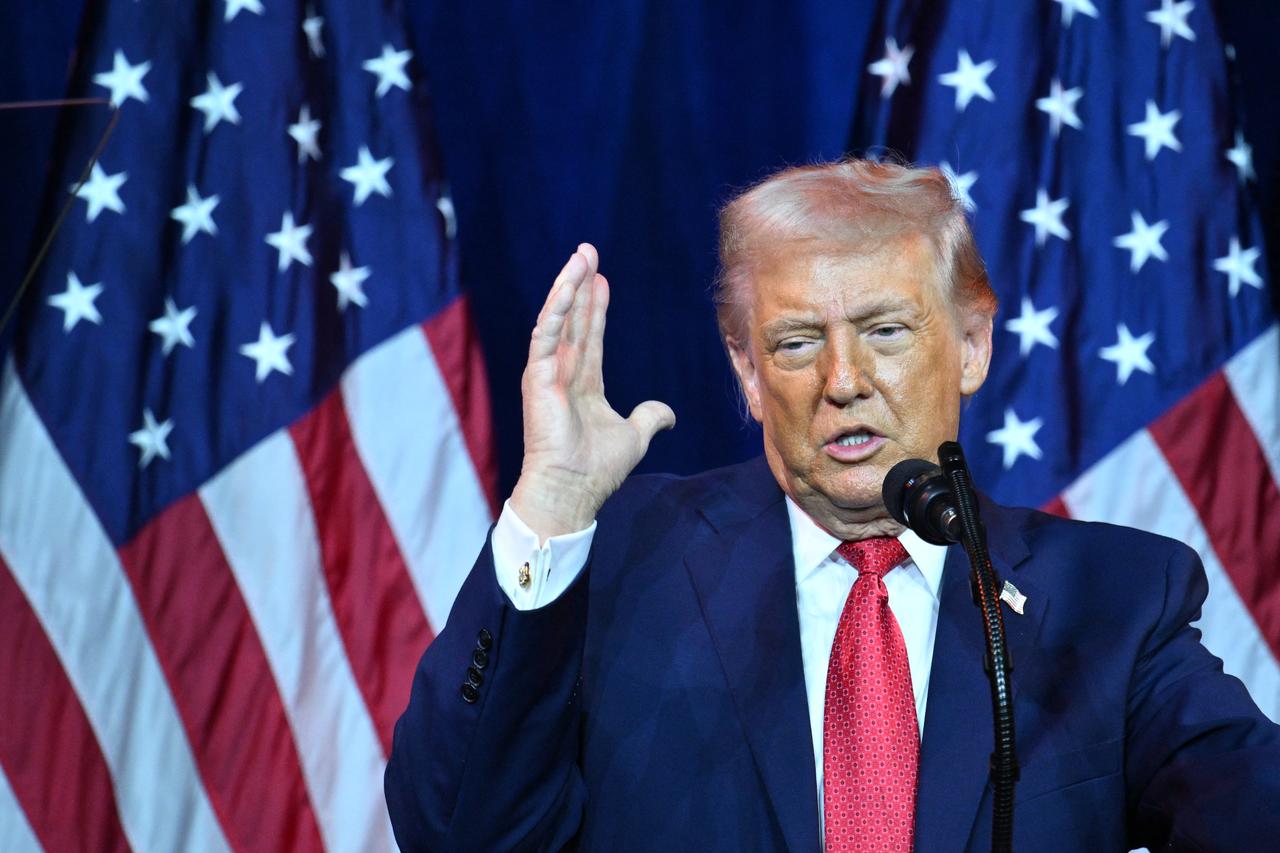


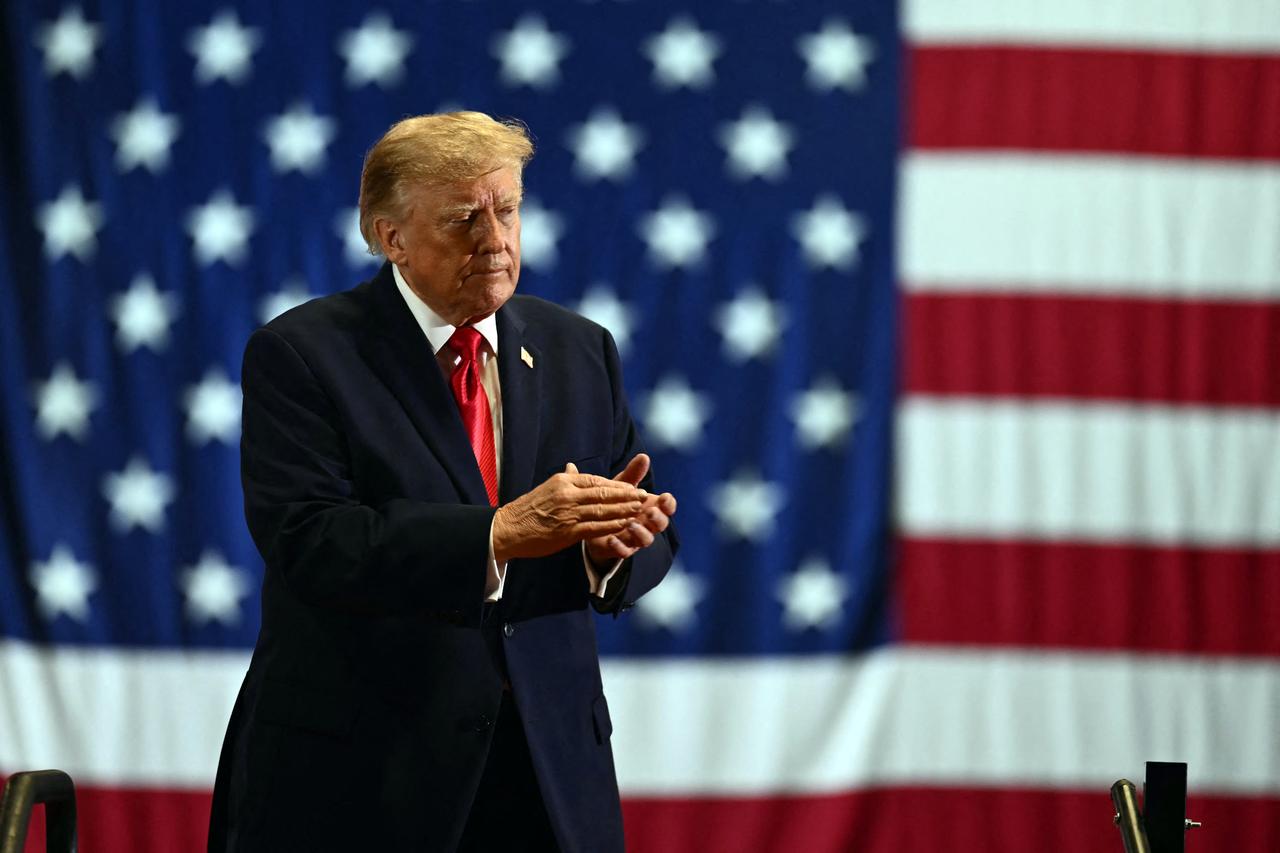
U.S. President Donald Trump is actively discussing the potential purchase of Greenland with his national security team, the White House confirmed Wednesday, stating that diplomacy remains the preferred approach while declining to rule out military action against the NATO ally Denmark.
White House Press Secretary Karoline Leavitt told reporters that Trump's team is currently examining what a potential acquisition would entail, framing the proposal as a matter of US national security in the Arctic region.
"He views it in the best interest of the United States to deter Russian and Chinese aggression in the Arctic region," Leavitt said, adding that while diplomacy is the president's first option, "all options are always on the table for President Trump."
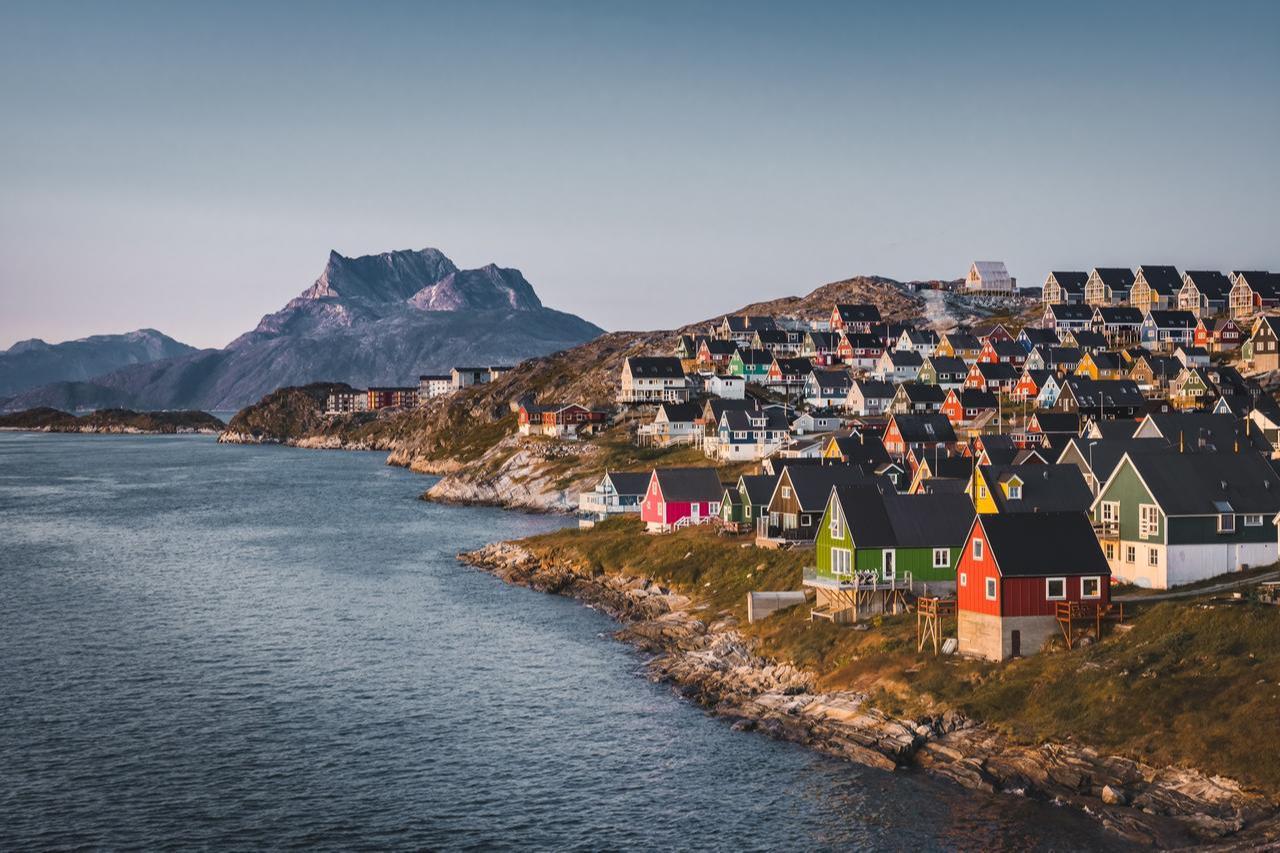

Secretary of State Marco Rubio announced plans to meet with Danish officials next week following Denmark's request for talks after Trump's threats regarding Greenland. The self-governing territory, which sits on the shortest missile route between Russia and the United States, already hosts an American military base and contains significant untapped rare earth resources.
Trump has repeatedly expressed interest in acquiring Greenland, citing its strategic location and US security interests. Following a recent US military operation in Venezuela that resulted in the capture of President Nicolas Maduro, Trump renewed his calls Sunday for an American takeover of the island, though he later remarked that "we'll worry about Greenland in about two months."
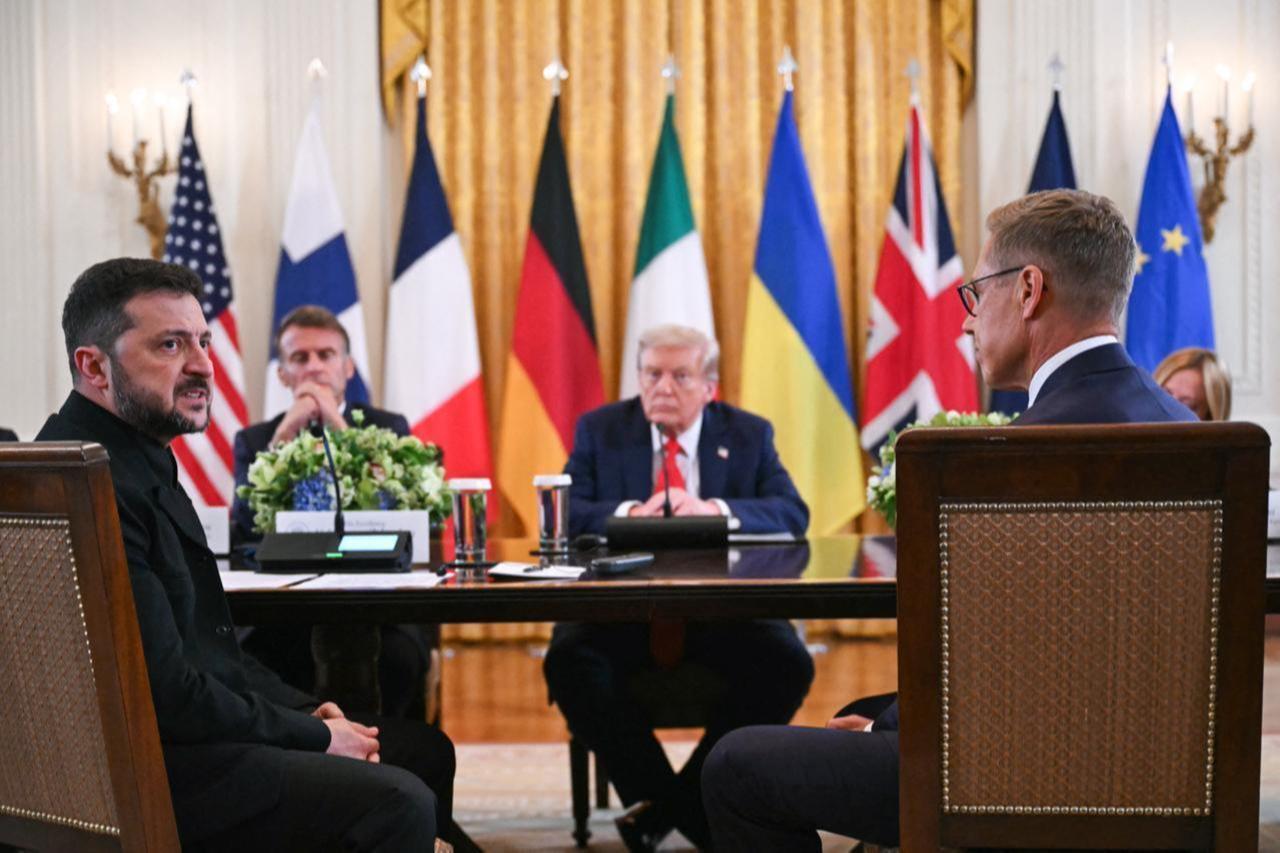
Seven NATO members issued a pointed joint statement Tuesday defending Denmark's sovereignty over Greenland and rejecting any external claims to the territory. The leaders of Denmark, France, Germany, Italy, Poland, Spain and the United Kingdom declared that territorial integrity and sovereignty are "universal principles" that must be upheld.
"Greenland belongs to its people. It is for Denmark and Greenland, and them only, to decide on matters concerning Denmark and Greenland," the statement read, signed by Danish Prime Minister Mette Frederiksen, British Prime Minister Keir Starmer, French President Emmanuel Macron, German Chancellor Friedrich Merz, Italian Prime Minister Giorgia Meloni, Polish Prime Minister Donald Tusk and Spanish Prime Minister Pedro Sanchez.
The European leaders emphasized that Arctic security remains a "key priority for Europe" and must be achieved collectively through NATO in accordance with UN Charter principles. They noted increased European presence and investments in the region to maintain stability while acknowledging the United States as an "essential partner" through NATO and the 1951 defense agreement between Washington and the Kingdom of Denmark.
 1 min read

Frederiksen has urged Trump to "stop the threats," while multiple European countries and the European Union have voiced support for Denmark and Greenland. Washington's recent intervention in Venezuela has amplified European concerns about Trump's broader foreign policy ambitions, particularly regarding territorial sovereignty and willingness to use force.
The Arctic region has gained increasing strategic importance as climate change opens new shipping routes and access to natural resources, while great power competition intensifies between the United States, Russia and China. Greenland's position makes it a critical location for missile defense systems and early warning installations in North American defense architecture.


 Set as preferred source
 Set as preferred source


 1 min read