Newsletters


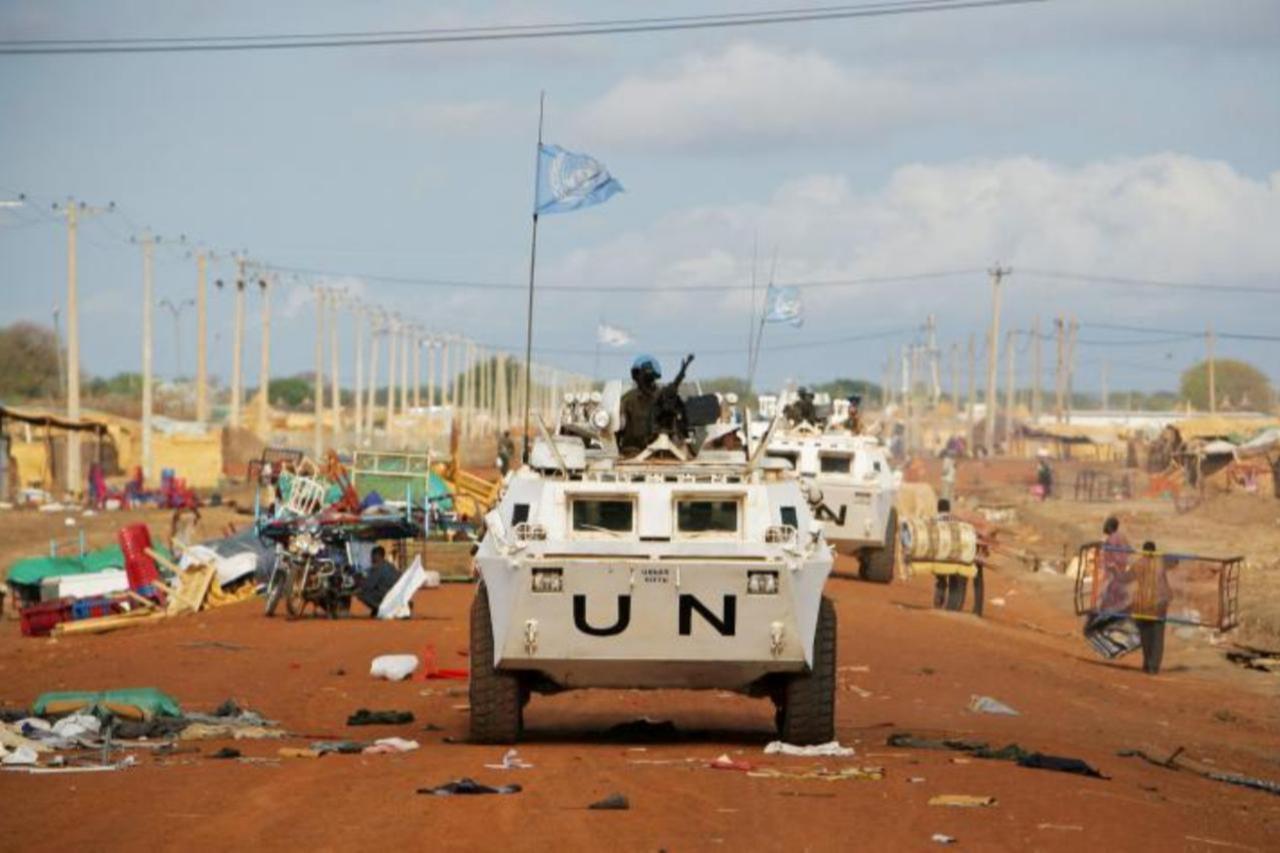


The head of the World Health Organization called on all parties in Sudan's civil war to stop targeting medical facilities and personnel, citing nearly 200 verified attacks on healthcare since fighting erupted in April 2023.
Tedros Adhanom Ghebreyesus said Tuesday that most of Al-Nuhud Hospital in West Kordofan has been occupied, cutting off a critical medical resource for the surrounding population. The WHO director-general said attacks on healthcare infrastructure are preventing Sudanese civilians from accessing urgently needed treatment.
"Attacks on health care are a violation of international humanitarian law and must stop," Tedros wrote on the social media platform X.
The deterioration of medical services has accelerated in recent weeks. Earlier this month, Doctors Without Borders withdrew its staff from Zalingei Hospital in Central Darfur following the killing of a healthcare worker at the facility. The aid organization, known internationally by its French acronym MSF, had been providing essential medical services in the region amid the ongoing violence.


Since the conflict began between Sudan's armed forces and the paramilitary Rapid Support Forces in April 2023, the WHO has documented 198 attacks specifically targeting healthcare operations. These assaults have killed 1,735 people, including both medical workers and patients receiving treatment, while wounding another 438 individuals.
The director-general called on all combatants to guarantee the safety of patients, medical personnel and health facilities throughout the country. International humanitarian law, which governs conduct during armed conflicts, explicitly prohibits attacks on medical infrastructure and the people who work within it.
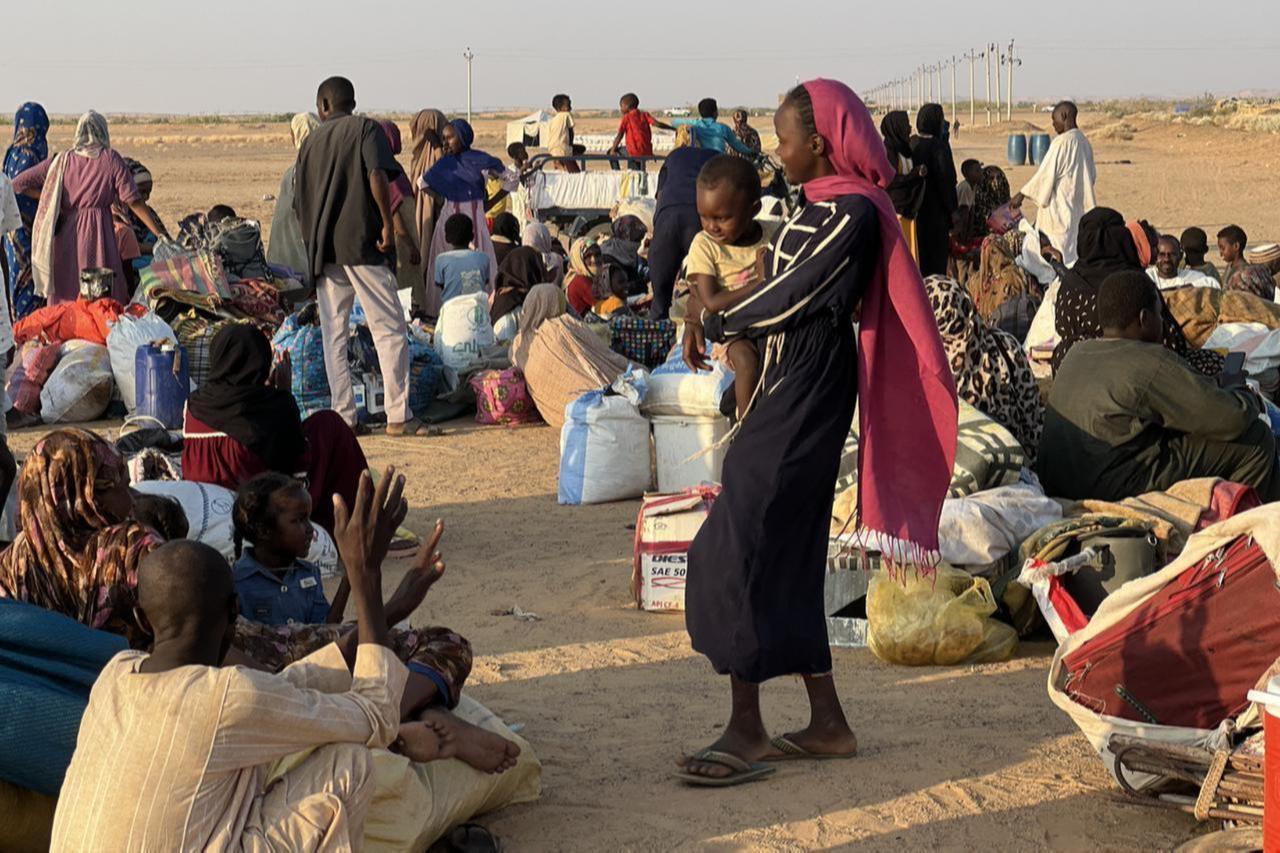
The civil war has created one of the world's largest humanitarian crises, with at least 40,000 people killed and 12 million displaced from their homes. The fighting has been particularly intense in the western Darfur region, where the city of El Fasher has fallen largely under Rapid Support Forces control after heavy combat.
Reports and videos shared by RSF members have shown the paramilitary group forcibly displacing civilians, killing unarmed individuals and carrying out acts of torture. The violence has driven tens of thousands of residents to flee the city and surrounding areas.
 1 min read
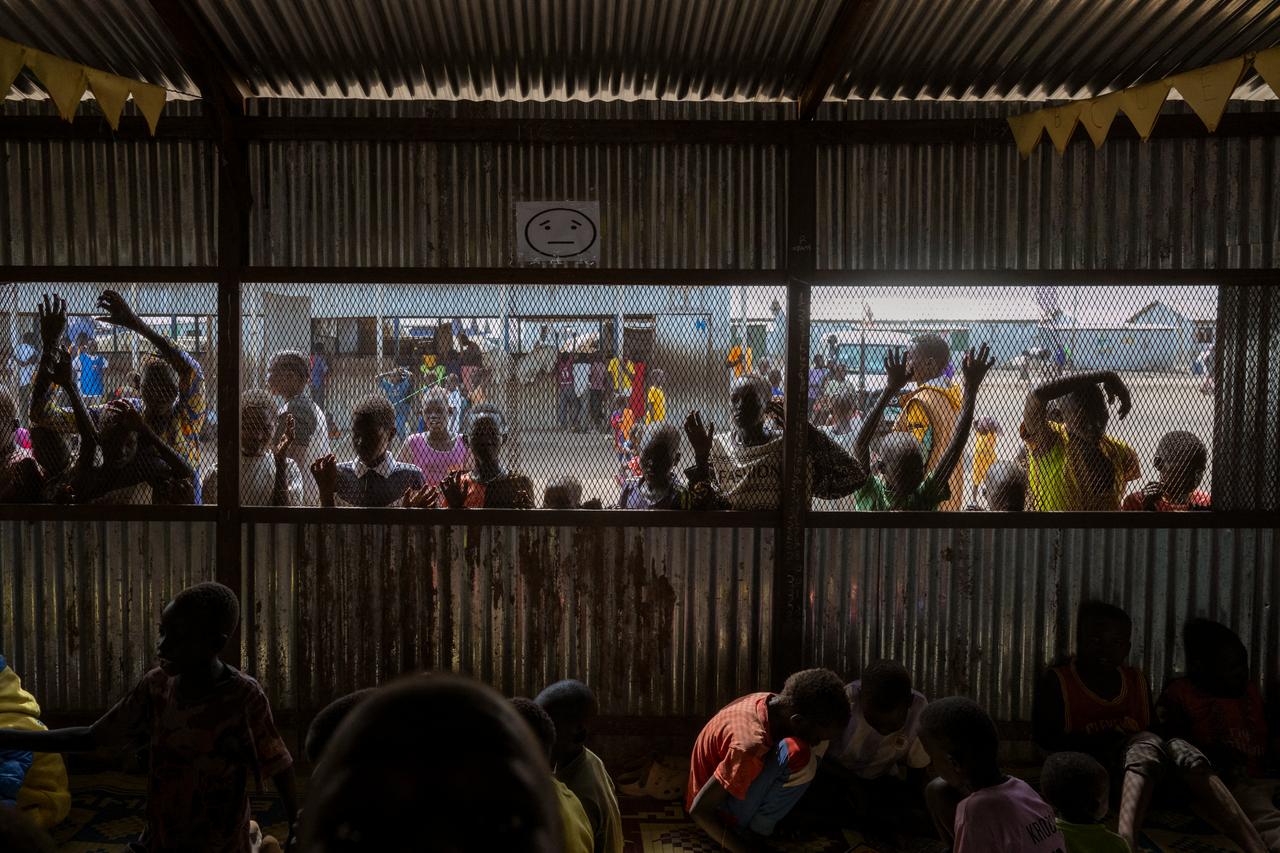
The situation in Sudan falls under the purview of UN special rapporteurs, who serve as independent fact-finding and monitoring mechanisms within the Human Rights Council's framework. These experts, who are not UN staff members, work voluntarily and independently to examine either country-specific situations or thematic human rights issues worldwide.
The special procedures system allows the international community to track and document violations of humanitarian law, though enforcement depends on cooperation from parties to the conflict and pressure from the broader international community.


 Set as preferred source
 Set as preferred source


 1 min read