Newsletters


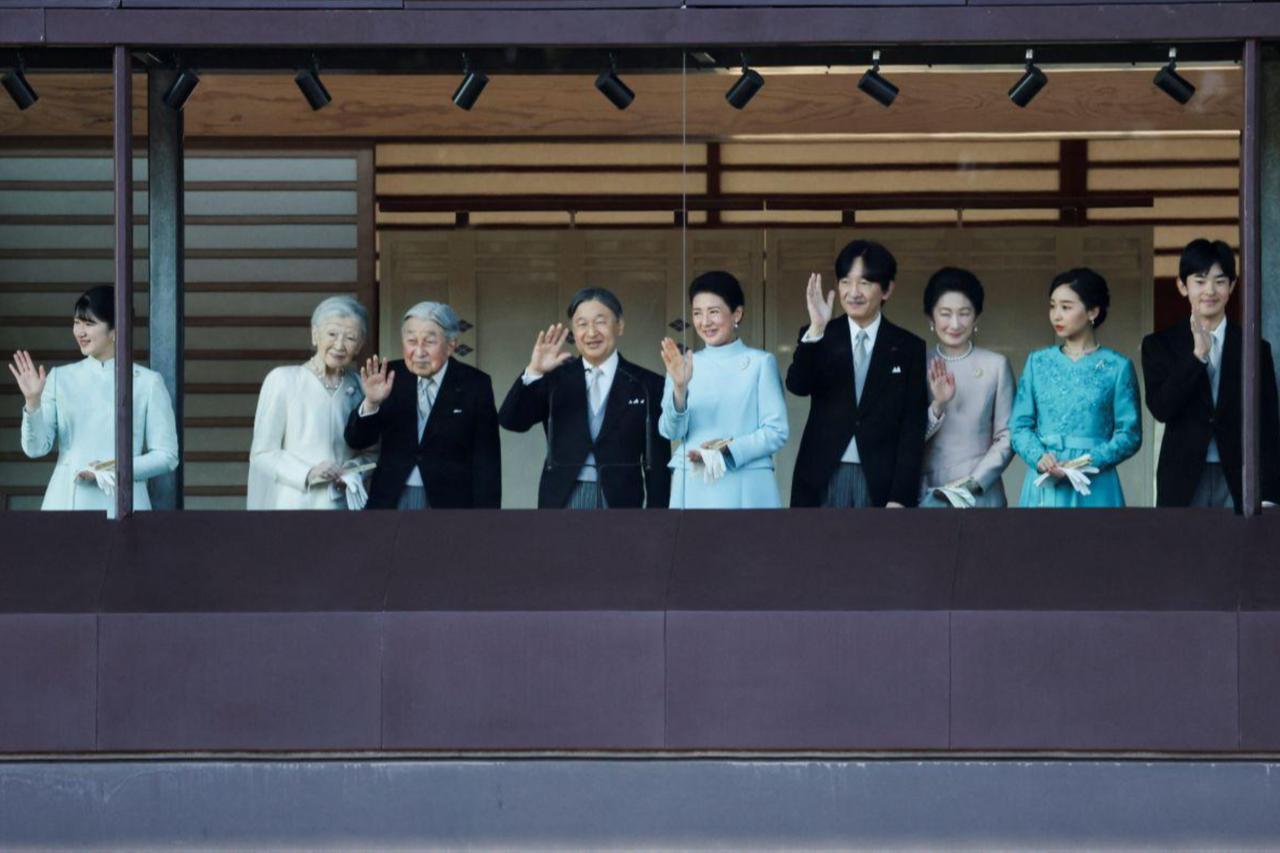


Japan’s parliament is preparing to take up legislation aimed at slowing the decline of the Imperial House, as the country’s male-only succession system leaves the monarchy with only a small number of eligible heirs.
The proposed bill would not change who can inherit the Chrysanthemum Throne, the traditional name for Japan’s imperial throne. Instead, it would try to preserve the size and day-to-day functioning of the imperial family by allowing more members to continue carrying out official duties.
The debate has grown more urgent because Japan’s Constitution defines the emperor as “the symbol of the State and of the unity of the people,” while leaving succession rules to the Imperial House Law.
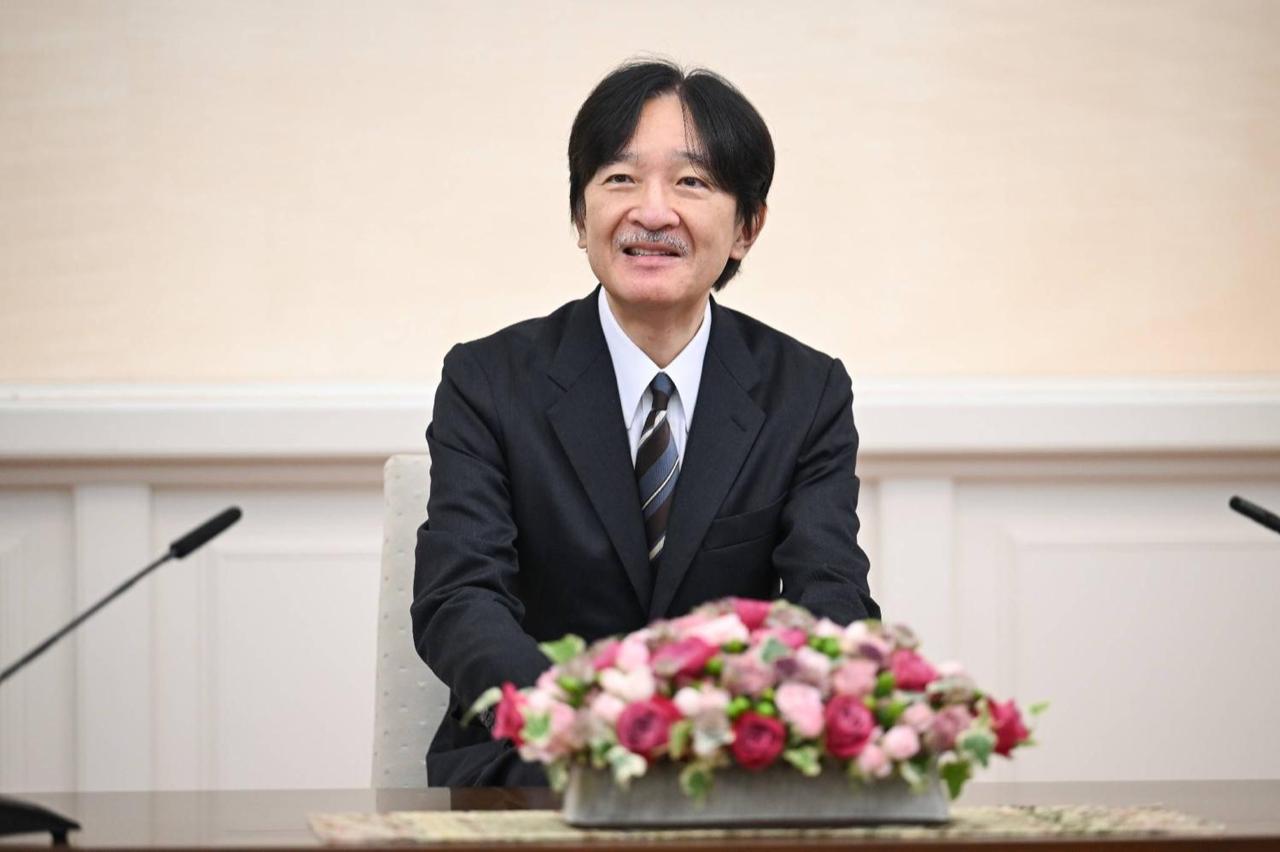

Under the Imperial House Law of 1947, only male members descended through the paternal imperial line can inherit the throne.
At the same time, female members must give up their imperial status when they marry commoners. This rule has gradually reduced the number of working royals available to take on ceremonies, public engagements and other official responsibilities.
The imperial family now has fewer than 20 members, while only three men remain in the line of succession: Crown Prince Akishino, the younger brother of Emperor Naruhito; Akishino’s son, Prince Hisahito; and Prince Hitachi, the emperor’s elderly uncle.
Born in 2006, Prince Hisahito is the youngest eligible heir and the only person of his generation who can currently inherit the throne.
Japan’s Constitution does not directly require male-only succession. However, it states that the throne must be inherited in line with the Imperial House Law, which sets out the current restrictions.
As the family continues to shrink, lawmakers have become increasingly concerned about whether the institution can keep up with its constitutional and ceremonial role.
The issue therefore goes beyond identifying a future emperor. It also involves whether enough imperial family members will remain available to carry out official duties across the country.
The legislation under consideration does not open the throne to women and does not allow female imperial family members to pass succession rights to their children.
Instead, lawmakers are weighing measures that could allow female members to hold on to an official role after marrying commoners. Other proposals would expand the number of people able to support imperial duties.
The bill is designed to deal with immediate staffing and continuity concerns without reopening the wider dispute over succession.
Japan has had reigning empresses in its history, but none established a hereditary female line.
Supporters of the current system argue that preserving an uninterrupted paternal bloodline is central to the legitimacy of what is described as the world’s oldest hereditary monarchy.
Those who support reform argue that allowing women to inherit would bring the institution closer to modern Japanese society and provide a more secure long-term path.
Public opinion surveys have repeatedly shown broad support for a female emperor, yet successive governments have avoided changing the succession law.
The current approach reflects the political sensitivity surrounding the imperial institution.
Rather than settle the succession debate, policymakers have focused on keeping the family large enough to function. However, the number of eligible heirs remains extremely limited, meaning the broader issue has not gone away.
As the Imperial House continues to shrink, Japan faces mounting pressure to work out how a centuries-old institution can be preserved under modern demographic and legal conditions.


 Set as preferred source
 Set as preferred source



 2 min read