Newsletters


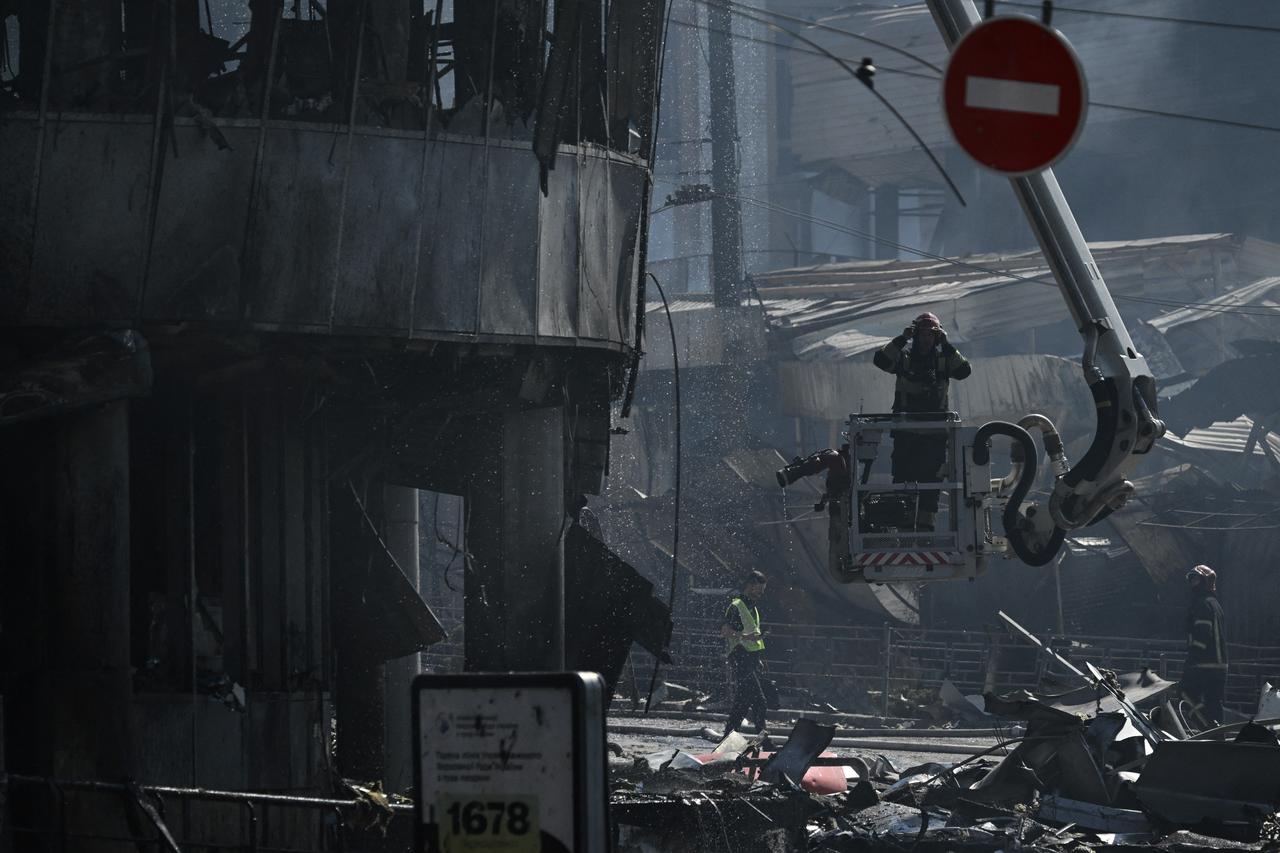


United Kingdom's Government Communications Headquarters (GCHQ) Director Anne Keast-Butler delivered her first public threat assessment on Wednesday at Bletchley Park, warning that Russia's hybrid campaign against the U.K. and Europe was escalating, that her officers were actively countering assassination attempts and sabotage operations.
She also warned that the risk of wider conflict triggered by miscalculation had reached its highest point in her tenure.
"Russia is relentlessly targeting critical infrastructure, democratic processes, supply chains and public trust," Keast-Butler said in excerpts released in advance.
"In the face of such aggression and chaos, GCHQ is working tirelessly with intelligence and defense partners to degrade and reduce the Russian threat," the GCHQ director noted.
She said Moscow was "scaling up its daily hybrid activity against the U.K. and Europe" and that her officers were working to disrupt Russia's efforts to smuggle Western technology, fend off cyberattacks and counter what she called "reckless sabotage and assassination attempts."
She declined to provide details of the thwarted assassination plots.
Despite Russia's conventional military difficulties, Keast-Butler said the risk of miscalculation that could trigger wider conflict was "as high as I have ever seen it."
She said Putin was "going backwards on the battlefield" in Ukraine, a finding that aligned with the Institute for the Study of War's (ISW) assessment that Russian forces' rates of advance were stagnating while Ukrainian forces were employing new tactics and beginning to retake more territory than they were losing for the first time since 2023.
Hundreds of Russian "shadow fleet" vessels had also entered U.K. waters since the prime minister threatened to intercept them earlier this year, BBC Verify reported.
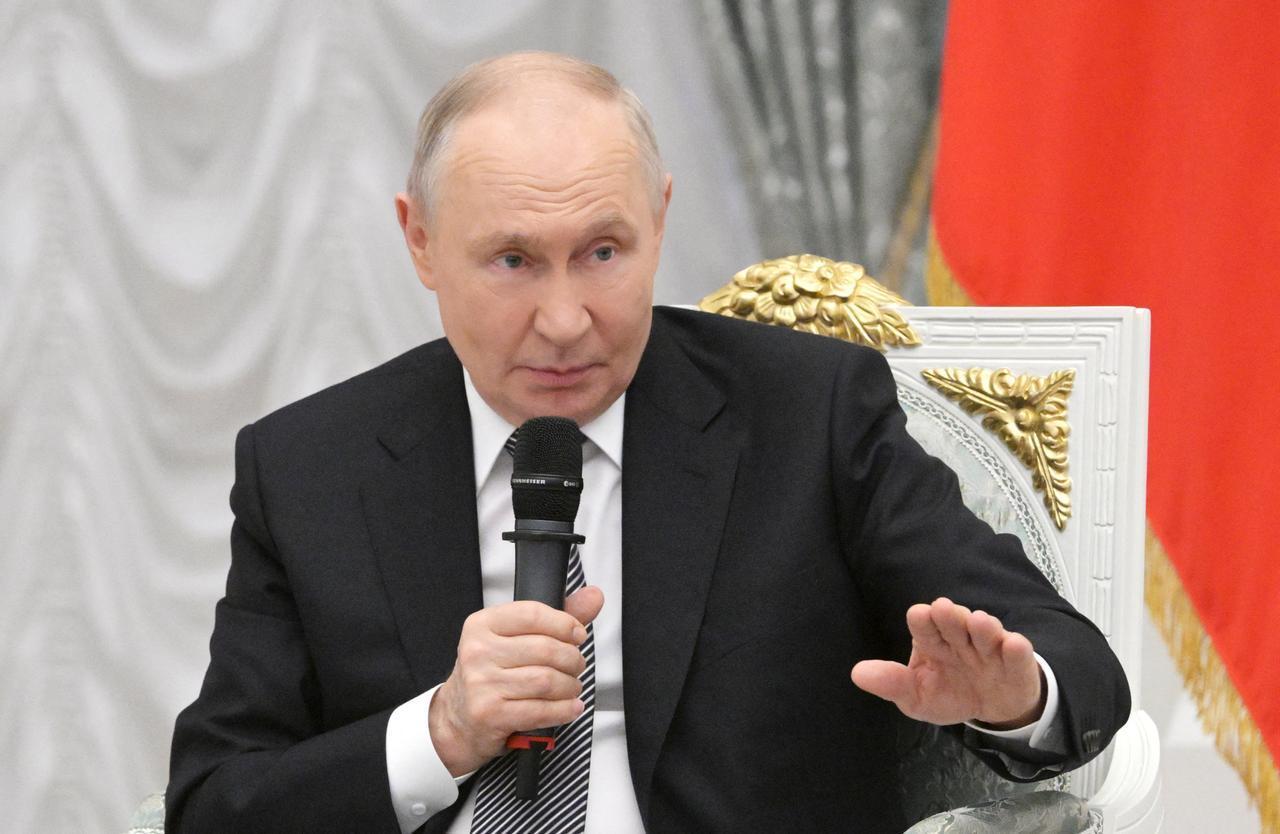

Keast-Butler's speech came amid a well-documented record of Russian state activity on British soil.
The Kremlin has been blamed for the 2006 murder of former KGB officer Alexander Litvinenko using polonium slipped into his tea in a London hotel, and for the 2018 attempted assassination of former military intelligence officer Sergei Skripal in Salisbury using the Novichok nerve agent, allegations Moscow has denied.
Since Russia's full-scale invasion of Ukraine in 2022 and Britain's ongoing support for Kyiv, Moscow has been accused of expanding hybrid warfare operations against Western countries.
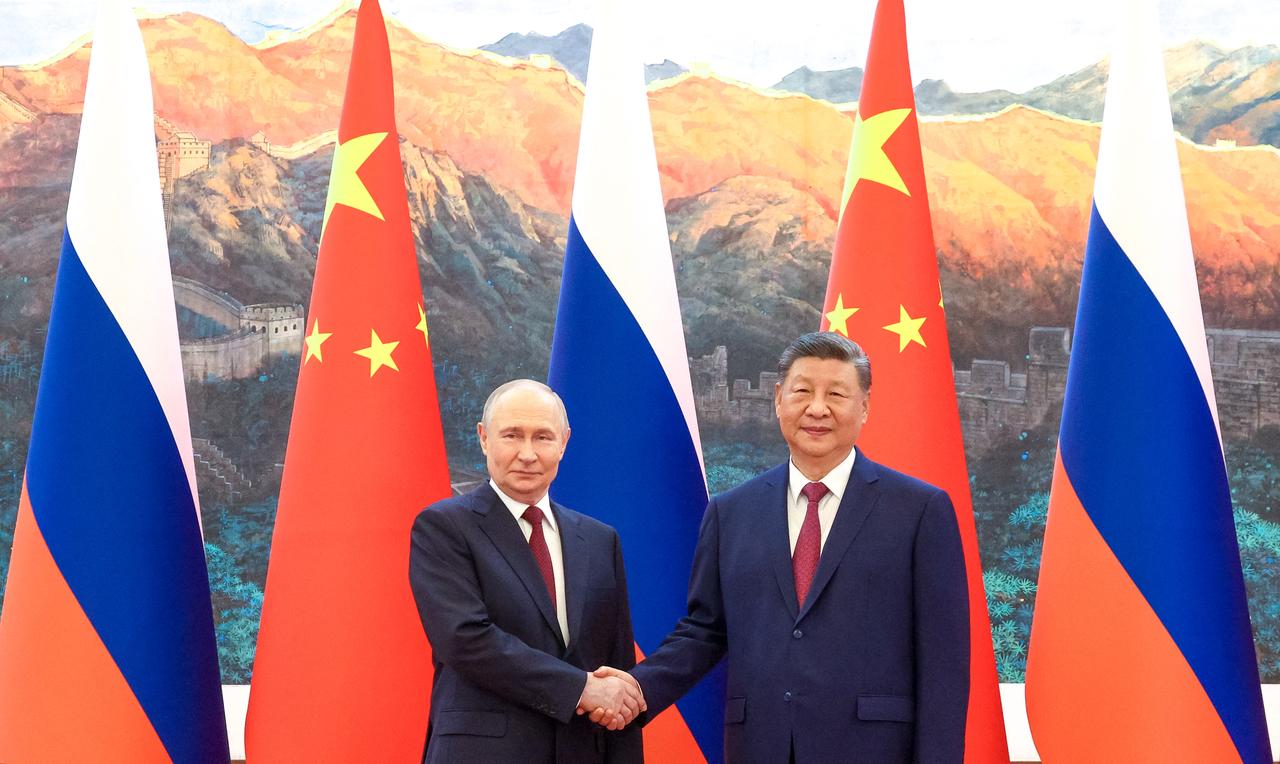
Keast-Butler also warned about China, saying Beijing had become "a science and tech superpower with sophisticated capabilities across their intelligence, cyber, and military agencies."
She said there was "a narrowing window for the U.K. and its allies to stay ahead" and framed the rapidly evolving artificial intelligence as a challenge that was shifting "the ground beneath our feet."
She called for greater collaboration between spy agencies, the technology industry, academia and even the public to maintain resilience.
"At home, that means taking important action now to switch passwords for passkeys, and for wider society, it means hardwiring security into new technologies, protecting supply chains and making cybersecurity ten times more urgent," she said.
The address at Bletchley Park, where wartime codebreakers including Alan Turing helped defeat the Axis powers, marks the first of what will be an annual public threat assessment by the serving GCHQ director, following the model already established by the heads of MI5 and MI6.
The GCHQ, based in Cheltenham in its circular "Doughnut" building, is the largest of Britain's three spy agencies and focuses on cybersecurity and signals intelligence, consuming the largest share of the national intelligence budget.


 Set as preferred source
 Set as preferred source


 2 min read
 1 min read