Newsletters


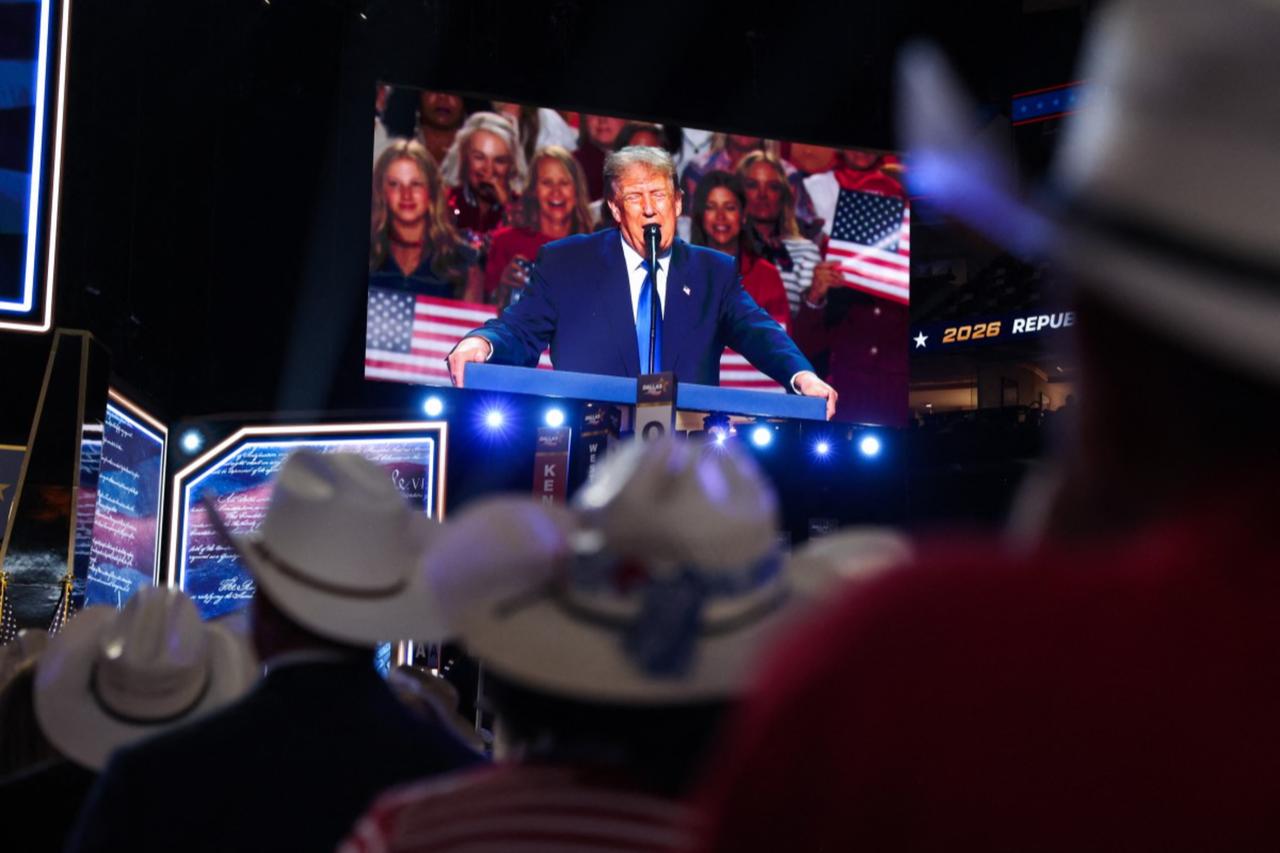


Trump gripped the podium in Dallas, rallying Republicans ahead of the midterms, and made the same bet he's made all year: this war ends "immediately" after Election Day. Iran, he insisted, is just running out the clock, waiting for "dumb, weak Democrats" to hand them a bomb.
Seven months in, the clock hasn't stopped. And neither has the pressure building beneath his own party's convention stage.
In his speech at the Republicans’ midterm convention, the president said, “They’re hanging out for dear life, hoping that we lose ... But we’re not going to let that happen.”
The very fact that Republicans are holding a midterm convention, and that the president and vice president are taking the stage to rally the party’s base ahead of the elections, points to the political pressure created by a war that has lasted far longer than Trump initially promised.
Trump, in his first speech of the Dallas tour, attributed that mismatch to Iran playing for time until the elections.
Yet another Trump promise is now running into the numbers: his pledge to use tariffs to shrink the U.S. trade deficit.
The country’s trade deficit hit $88 billion in July, according to provisional data from the Bureau of Economic Analysis. That was up 24% from June and, excluding the import surge that preceded Trump’s “Liberation Day” tariffs, the widest gap since the pandemic-era period.
The July figure does not look like a simple one-month anomaly. The deficit has widened for roughly six straight months, on Trump's watch, using Trump's own tariff regime. Somewhere in Washington, that ought to sting.
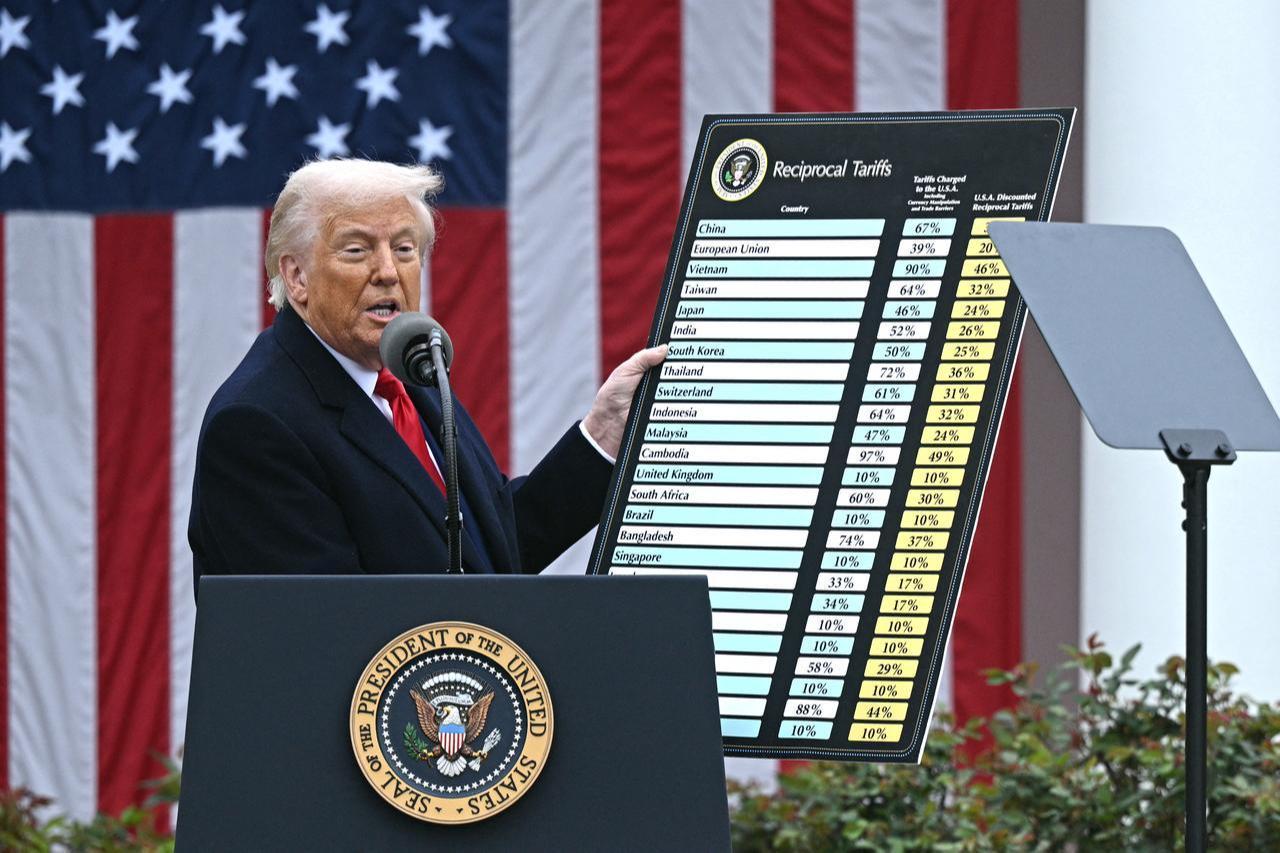

Part of the answer is that tariffs were always a fairly blunt instrument for a problem that is much larger than the trade balance with China.
President Trump tends to talk about trade deficits country by country. Economists generally look at the overall U.S. balance because goods do not care much about the passport of the ship that carries them.
A tariff on Chinese products can change where an American importer buys those products without necessarily changing how much the United States imports overall.
There is a second problem. Tariffs make imports more expensive, but they can also make American exports more expensive if U.S. manufacturers depend on imported machinery, components, or raw materials.
Protecting an American factory from foreign competition is less useful if the factory then has to buy expensive foreign equipment to produce its goods.
And Trump's economic policy has an even stranger contradiction.
The president has spent much of his second term celebrating foreign companies promising to invest in the United States. Those announcements are politically useful because they can be presented as evidence that America is attracting capital. But large foreign capital inflows and a permanently smaller trade deficit are not easy objectives to pursue at the same time.
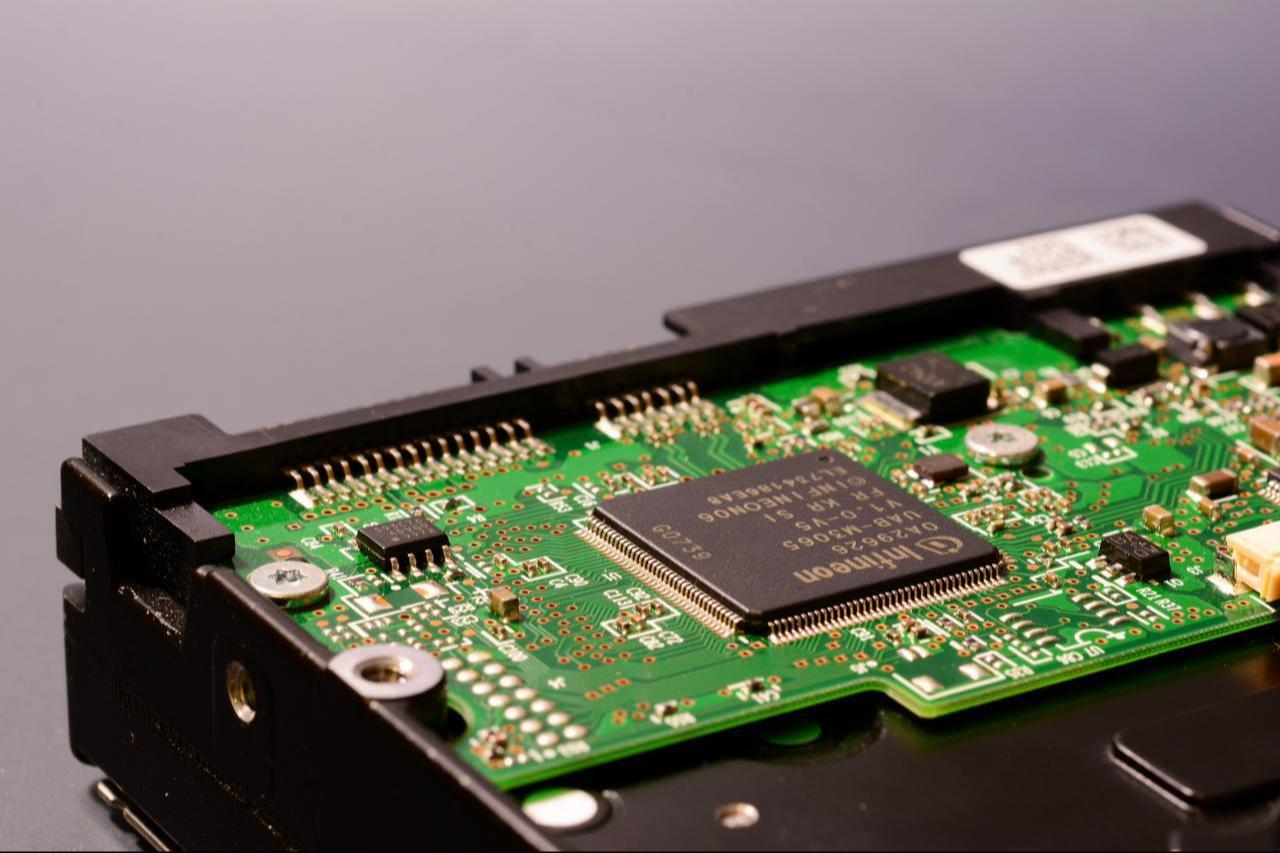
Capital-goods imports jumped by $14 billion in July alone. Computers rose by $7 billion, computer accessories by another $6.6 billion and semiconductors by $1.2 billion, according to BEA data.
In other words, one of the things widening America's trade deficit is the physical infrastructure behind the country's most aggressively promoted industry: AI.
American companies are importing enormous quantities of computers, chips and other equipment as they build data centers and expand computing capacity. Much of that supply chain runs through economies such as Taiwan, South Korea and Japan.
This creates an awkward picture for tariff policy. Washington wants American companies to build the next generation of AI infrastructure at enormous scale, while tariffs are supposed to make foreign industrial goods less attractive. The July trade figures suggest that, at least for now, the AI buildout is winning that argument.
That may also explain why AI-related hardware has received favorable treatment under the administration's tariff regime.
The exemption is difficult to square with a simple protectionist logic, but it makes sense if the immediate priority is keeping American companies supplied with the equipment they need to compete in AI.
Which brings us back to November.
Trump has spent the year promising voters that tariffs will rebuild American industry and reduce America's dependence on foreign goods.
The latest trade data do not show that transformation yet. They show an American economy importing more of the machinery it needs to build its next technological boom.
The trade deficit, in other words, may be telling a rather different story from the tariff speeches.
Trump has promised that the war will end after the election. His trade policy has another deadline of sorts, too: the numbers voters will see before they cast their ballots.
Whether the deficit shrinks by then is something even a presidential speech cannot tariff away.


 Set as preferred source
 Set as preferred source



 3 min read