Newsletters


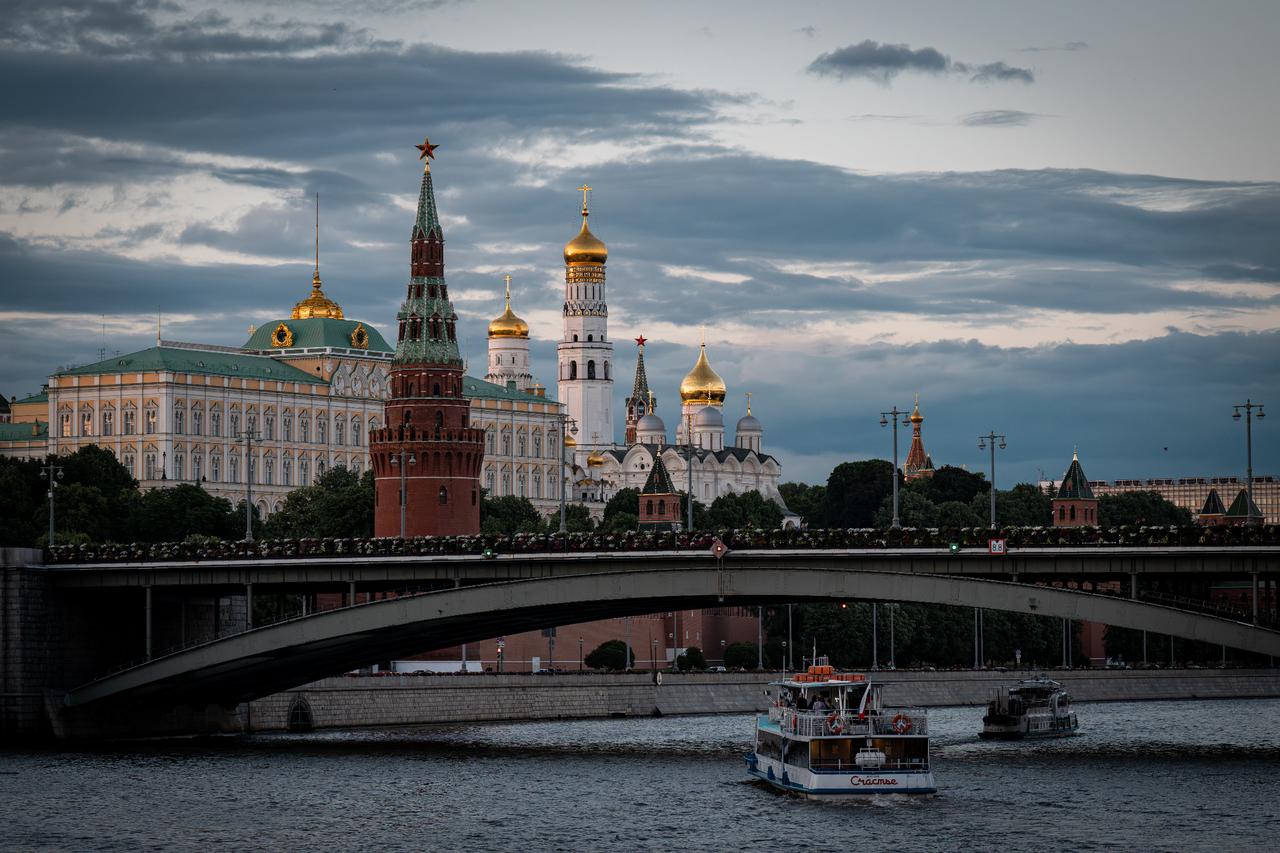


Russia informed Turkish officials that Ukraine's actions in the Black Sea threaten the safety of shipping, including for Türkiye, according to a statement from Russia's Foreign Ministry following talks between the two countries in Moscow.
"Moscow's fundamental approaches to resolving the Ukrainian crisis by eliminating its root causes, as well as Russian assessments of the destructive actions of the Kyiv regime in the Black Sea, which threaten the safety of shipping, including for the Turkish side, were conveyed to the partners," the ministry said in a statement following the Russian-Turkish inter-ministerial consultations.
The talks, held Sept. 8-9, brought together Mehmet Samsar, director of the Turkish Foreign Ministry's Department of Eastern Europe and Transcaucasia, and Russian Deputy Foreign Minister Mikhail Galuzin, with Samsar also holding consultations with the heads of the Russian Foreign Ministry's Third and Fourth CIS Countries departments.
According to the ministry's statement, the two sides also discussed the current situation in the South Caucasus, cooperation in Central Asia, and developments surrounding Ukraine.

The Russian Foreign Ministry said the two sides noted the "unacceptability of introducing from outside any initiatives that would create new dividing lines" in Central Asia and the South Caucasus.
In this context, the statement said, both sides emphasized their interest in continuing the steady work of the "3+3" regional cooperation platform, comprising Azerbaijan, Armenia and Georgia, plus Russia, Iran and Türkiye, as a promising mechanism for strengthening stability and security based on the principle of "regional responsibility."
 1 min read
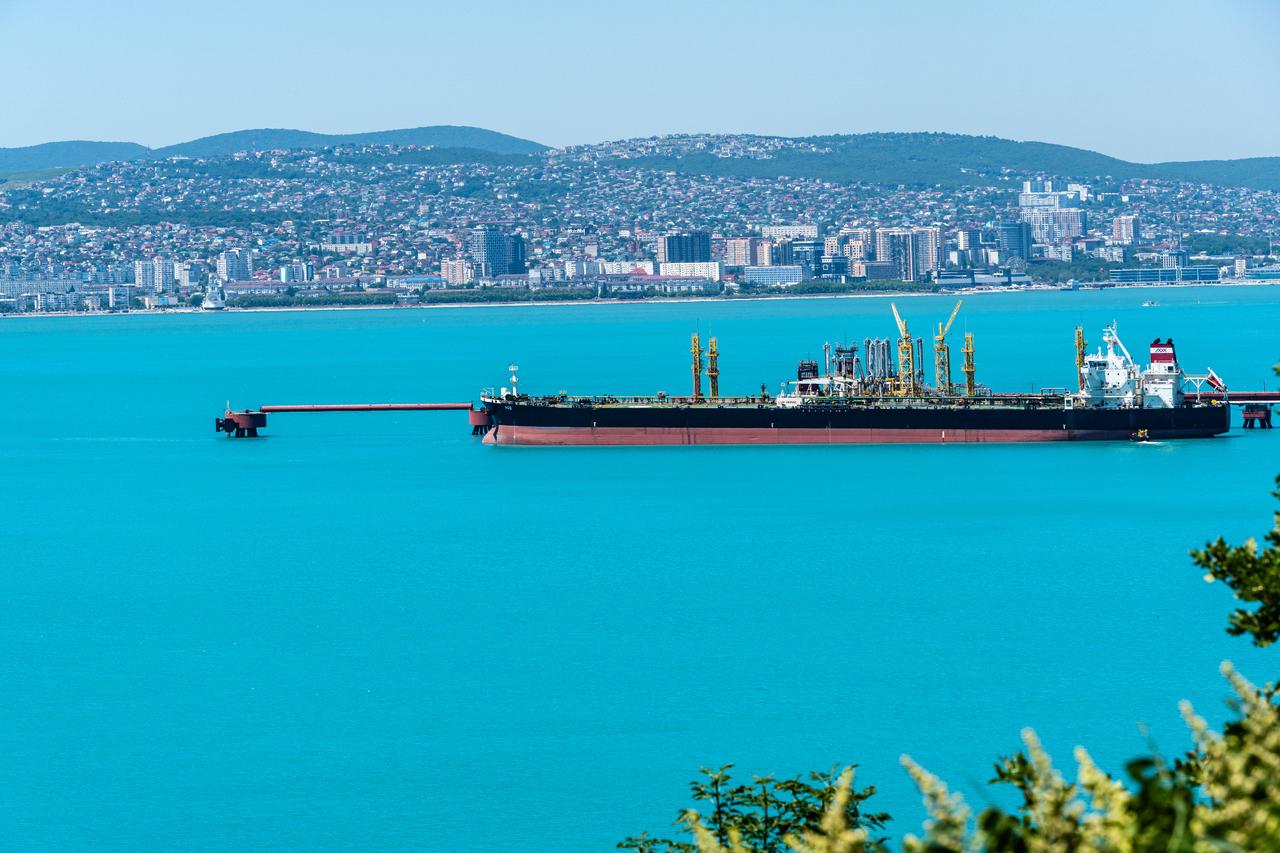
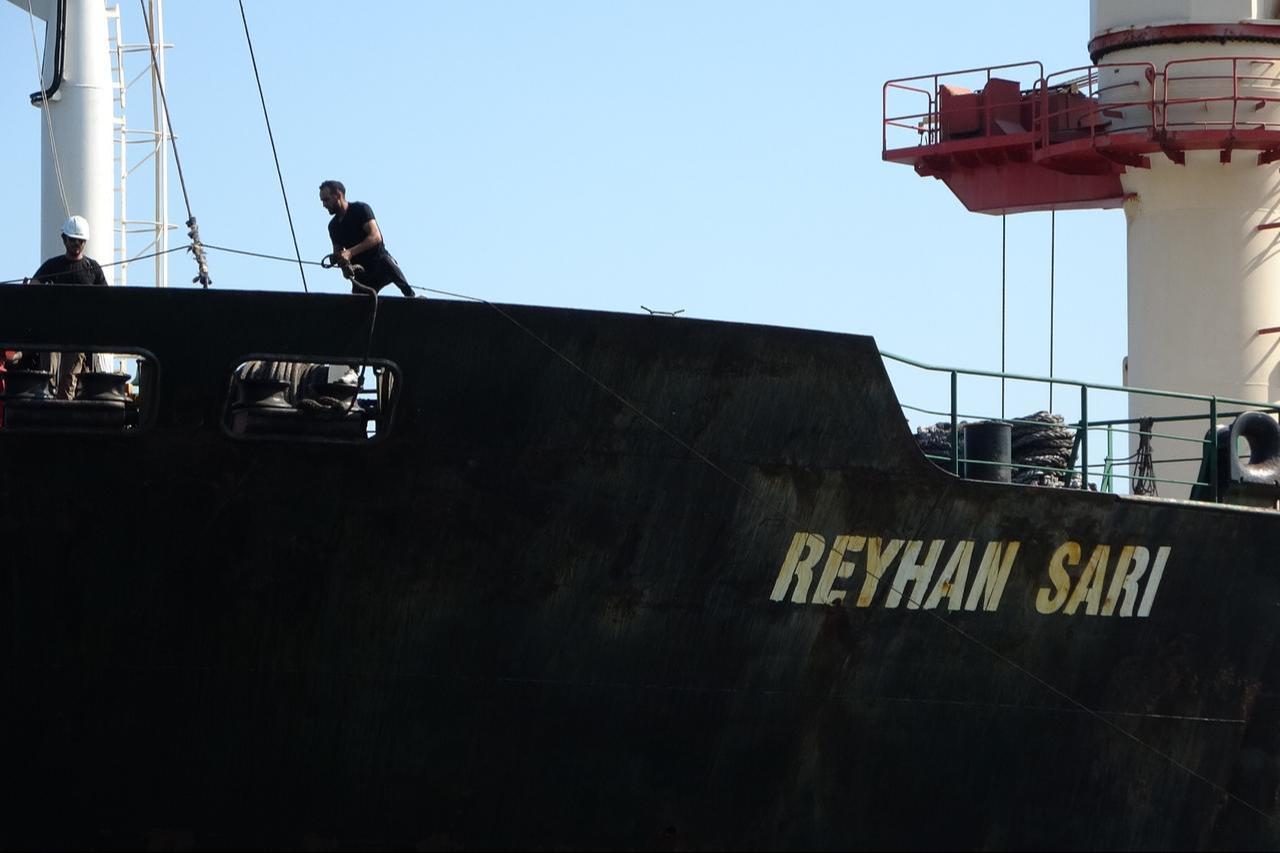
Russia's outreach to Türkiye comes amid a monthslong escalation of attacks on Black Sea shipping by both Russia and Ukraine that has repeatedly drawn in Turkish-flagged and Turkish-owned vessels.
Turkish Foreign Minister Hakan Fidan called last month for a mechanism allowing a moratorium on Black Sea attacks, saying the conflict had "spread across the whole Black Sea" and that both sides were now targeting commercial shipping "without distinction."
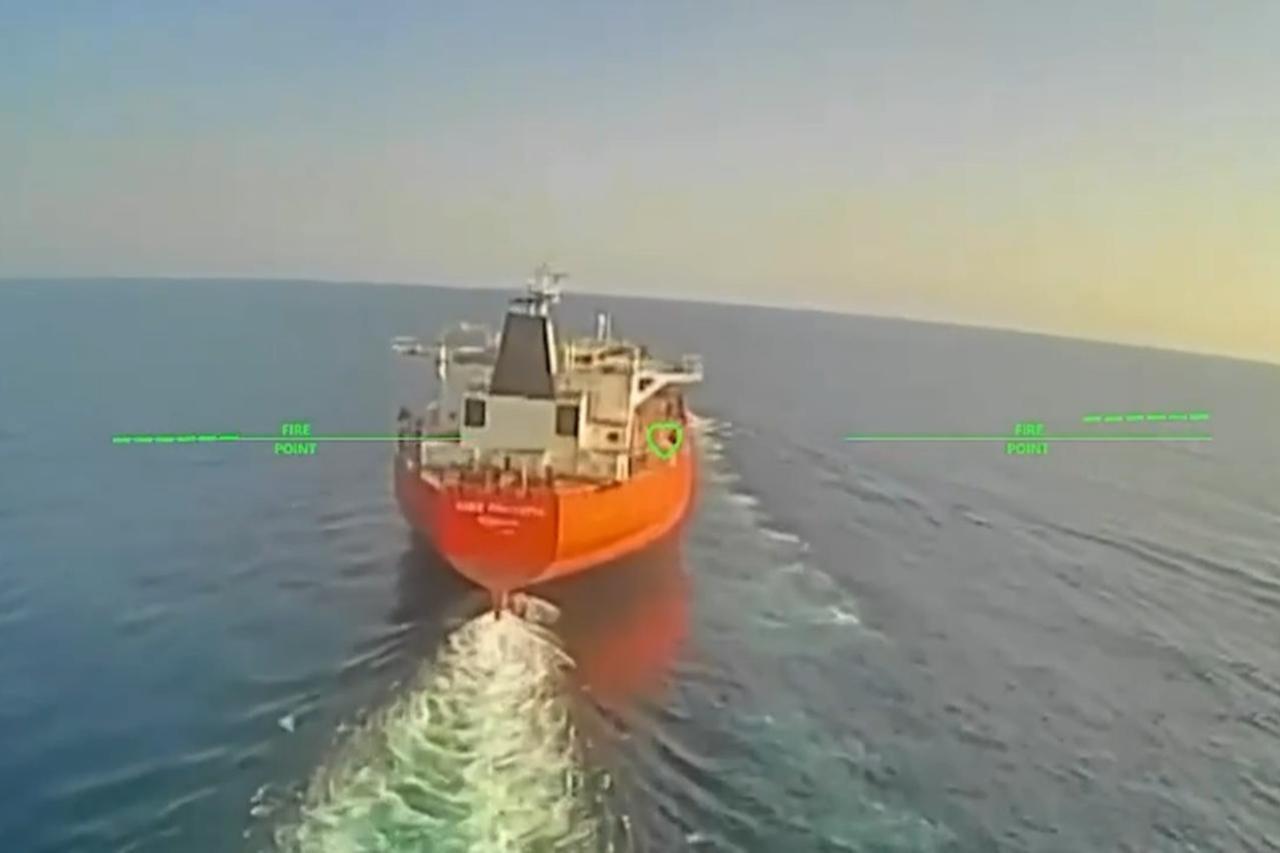
The call followed a series of strikes on Turkish-linked ships, including a Ukrainian drone strike on the Turkish-owned roll-on/roll-off vessel Nadezhda near Russia's Novorossiysk port on Aug. 3, which injured four crew members, three of them Turkish nationals, and a July 30 strike on the Turkish-owned, Panama-flagged cargo ship ATA-2 shortly after it left Ukraine's Chornomorsk port carrying corn.
Ukraine, for its part, has accused Russia of repeatedly striking commercial vessels and port infrastructure, including a missile strike on a corn-carrying ship near Odesa on July 19 that killed 10 people, and a June 22 drone strike that killed an Egyptian crew member aboard a Panama-flagged cargo vessel.
Reuters reported that Ukraine transmitted an offer to Russia through a third party proposing a mutual halt to attacks on civilian targets in the Black Sea, an offer Russian Deputy Foreign Minister Alexander Grushko said Moscow had not received through formal channels as of early August.
The escalation has disrupted commercial shipping broadly.
Shipowners temporarily halted vessel calls to Ukraine's ports of Odesa, Chornomorsk and Yuzhny in late July following the intensified strikes, according to Ukrainian Agriculture Minister Taras Vysotskyi.
Traders and analysts have estimated that Russian missile and drone attacks reduced Ukraine's grain export capacity through Black Sea ports by about one-third.


 Set as preferred source
 Set as preferred source


 1 min read