Newsletters


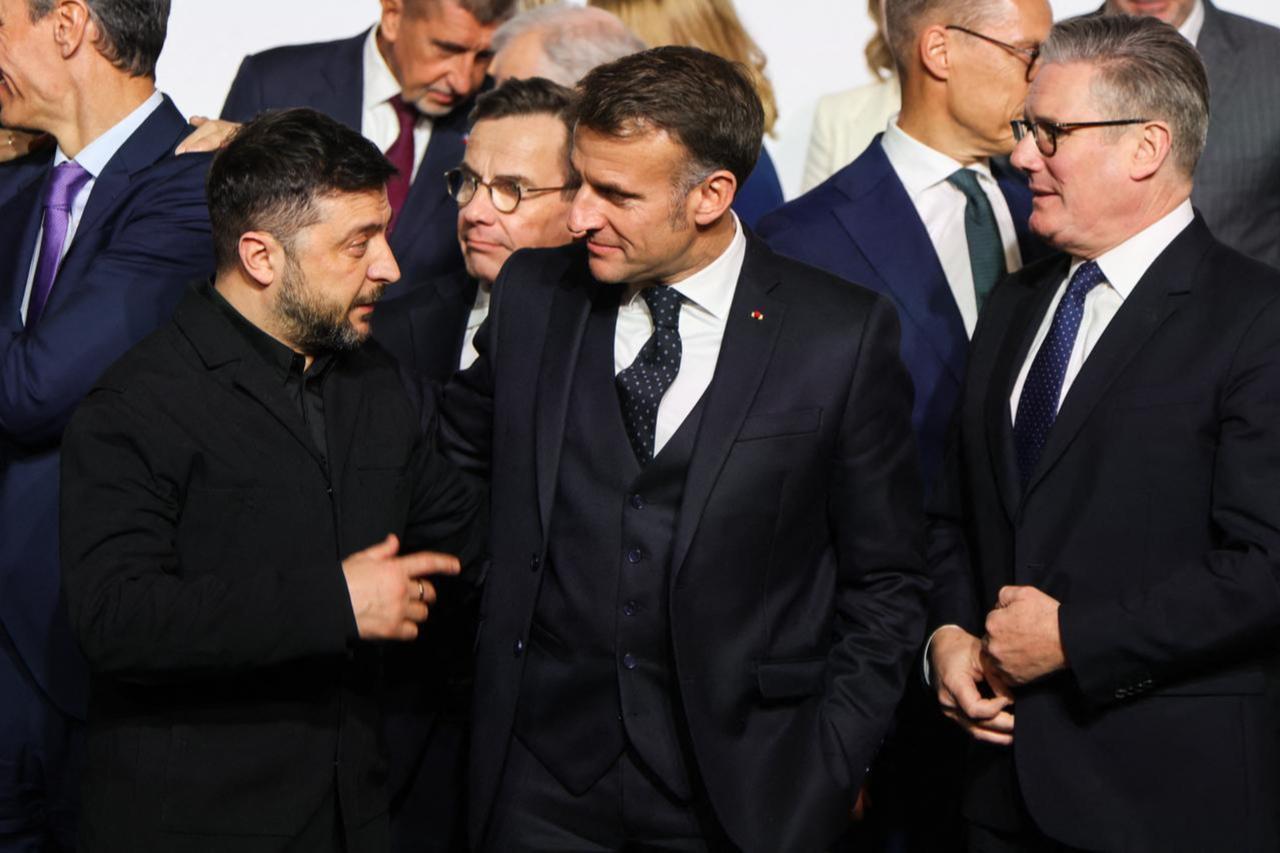


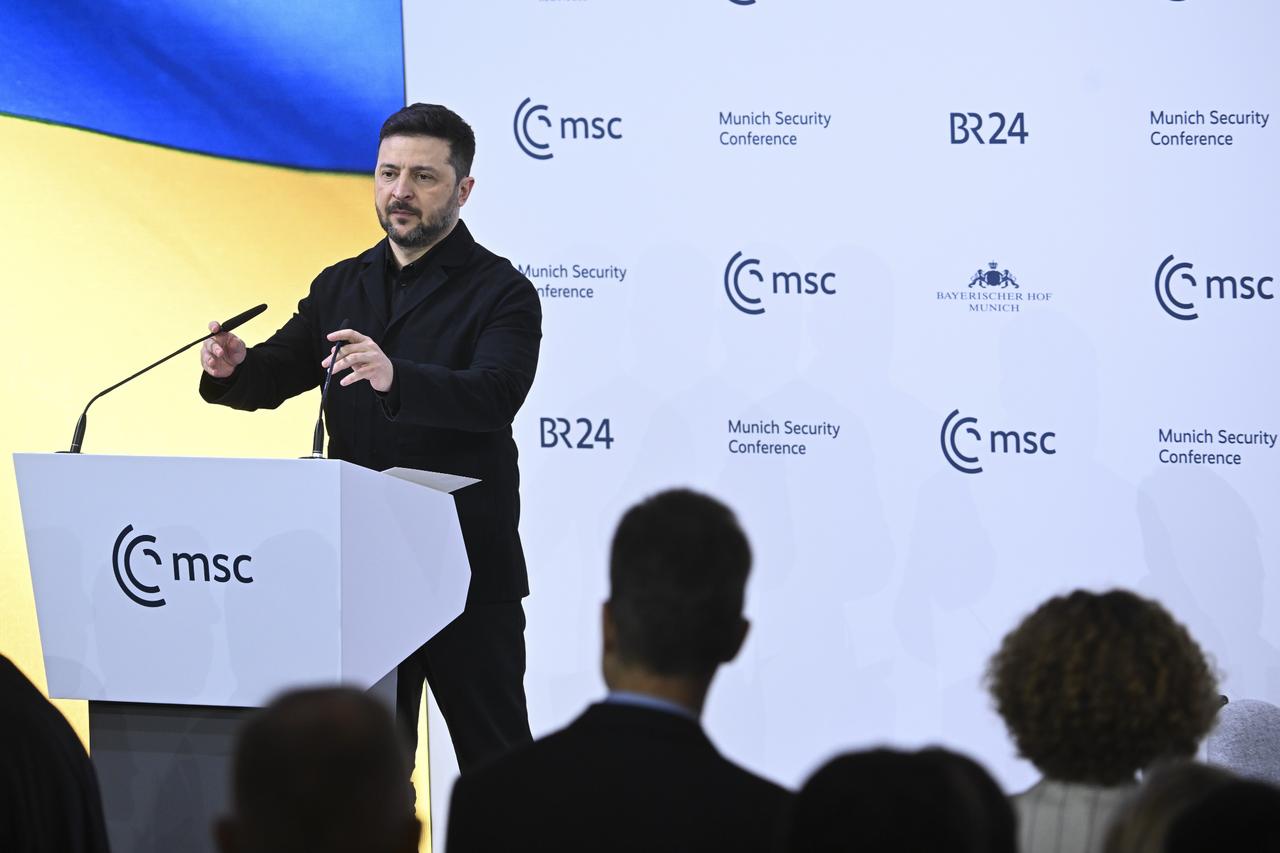
Ukranian President Volodymyr Zelenskyy delivered a forceful appeal for transatlantic solidarity on Saturday, casting collective Western resolve as the most powerful shield against Russian aggression and warning that Moscow's primary strategic aim is to fracture the bonds holding Europe and its allies together.
Speaking on the second day of the Munich Security Conference, Zelenskyy told a panel audience that no European nation possesses the resources or technology to defend itself in isolation, and that unity, more than any weapons system, remains the decisive factor in countering the Kremlin. "Our unity is the best interceptor against Russia's aggressive plans, the best one, and we still have it," he said. "Our unity is what protects us."
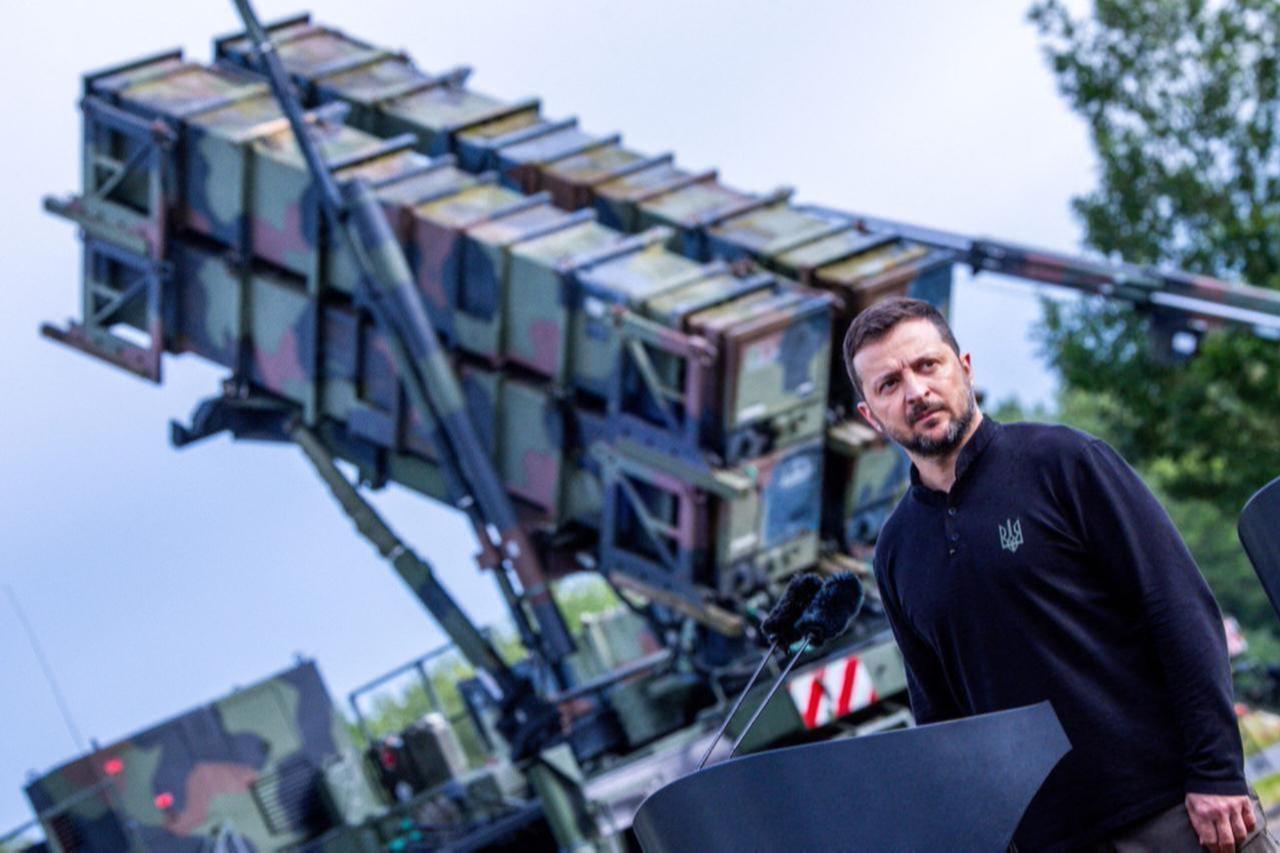

The address came at a pivotal moment in the diplomatic effort to end the war, now approaching the start of its fifth year. Trilateral negotiations between Russia, Ukraine, and the United States are scheduled for Feb. 17-18 in Geneva, following two earlier rounds of talks held in Abu Dhabi in January and earlier this month.
Zelenskyy expressed cautious optimism about the upcoming round, saying he hoped it would prove "serious, substantive, helpful for all of us." But he offered a candid assessment of the process so far, observing that the parties often appear to be operating from fundamentally different premises. The Russian side, he noted, frequently invokes agreements reached during a summit between US President Donald Trump and Russian President Vladimir Putin in Alaska last August, while Washington tends to steer the conversation toward concessions, "too often" framed as something expected of Ukraine rather than Russia.
He was blunt about the exclusion of European nations from the negotiating table, calling their absence a "big mistake."
At the heart of Zelenskyy's message was an insistence that binding security guarantees for Ukraine, and for Europe more broadly, must be established before any agreement to end hostilities. He said that such guarantees address what he described as the central question of any peace settlement: how long the absence of war will last.
Zelenskyy indicated that agreements on security guarantees are ready to be signed with the United States. With Europe, he argued, those guarantees should be locked in as a precondition rather than a consequence of any ceasefire or peace accord, a sequencing that underscores Kyiv's concern about being left vulnerable to future aggression once fighting stops.
 1 min read
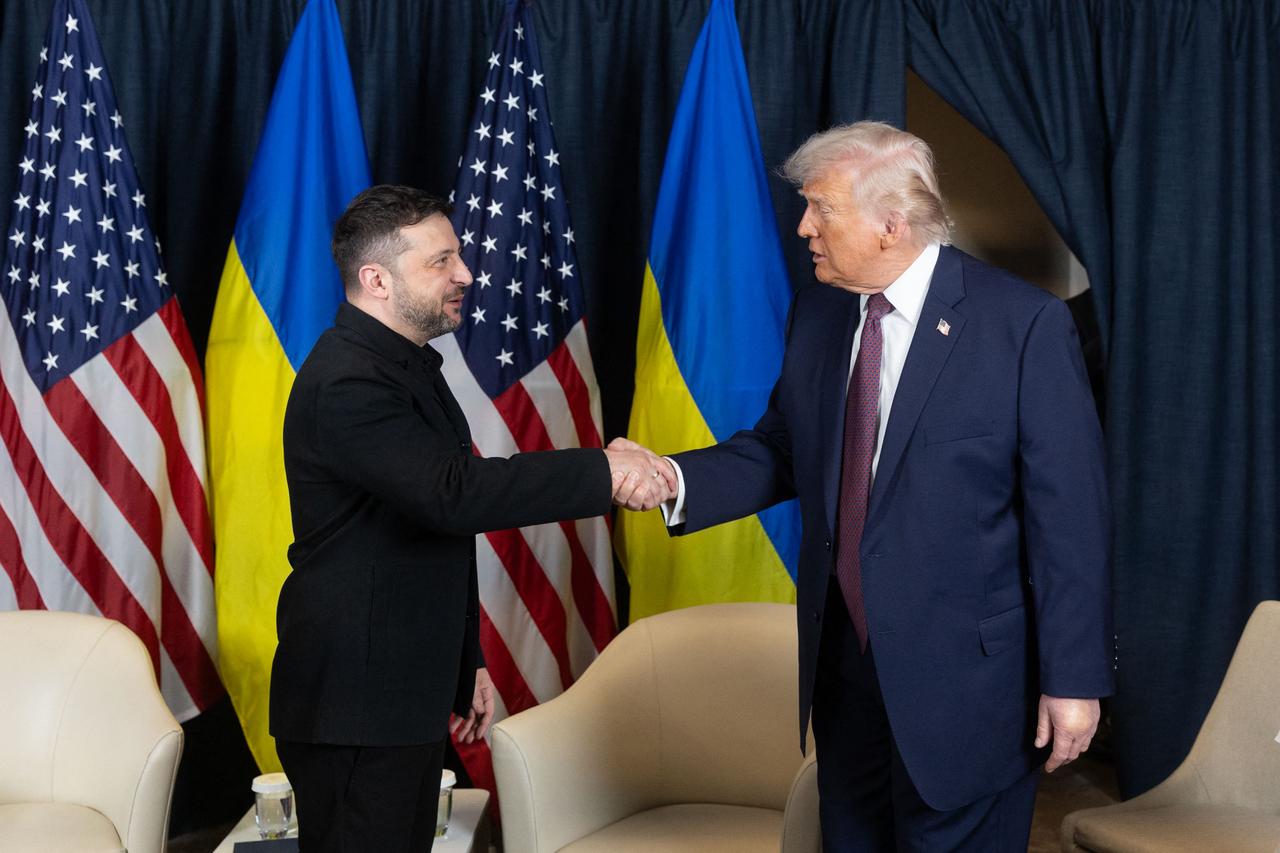
Despite his frustrations with the negotiating dynamics, Zelenskyy struck a resolute tone about Ukraine's commitment to diplomacy. He said his country would do "truly everything" to make the talks succeed and expressed readiness for a deal that delivers lasting peace not only for Ukraine but for the continent as a whole.
"I'm confident that this war can be ended, and ended with dignity," he said.
He expressed gratitude toward Trump, Congress, and the American public for what he called "all the real help," and voiced hope that Washington would hear Ukraine's case clearly. His remarks reflected a careful balancing act: thanking the US for its support while pressing for a negotiating framework that does not leave Kyiv bearing a disproportionate share of the compromises.
The Munich Security Conference, held annually in the Bavarian capital, has long served as one of the premier forums for debate on transatlantic defense and foreign policy. This year's gathering has been dominated by questions over the trajectory of the Russia-Ukraine war and the shifting dynamics of Western support as diplomatic channels intensify.


 Set as preferred source
 Set as preferred source


 1 min read