Sign in
 Newsletters


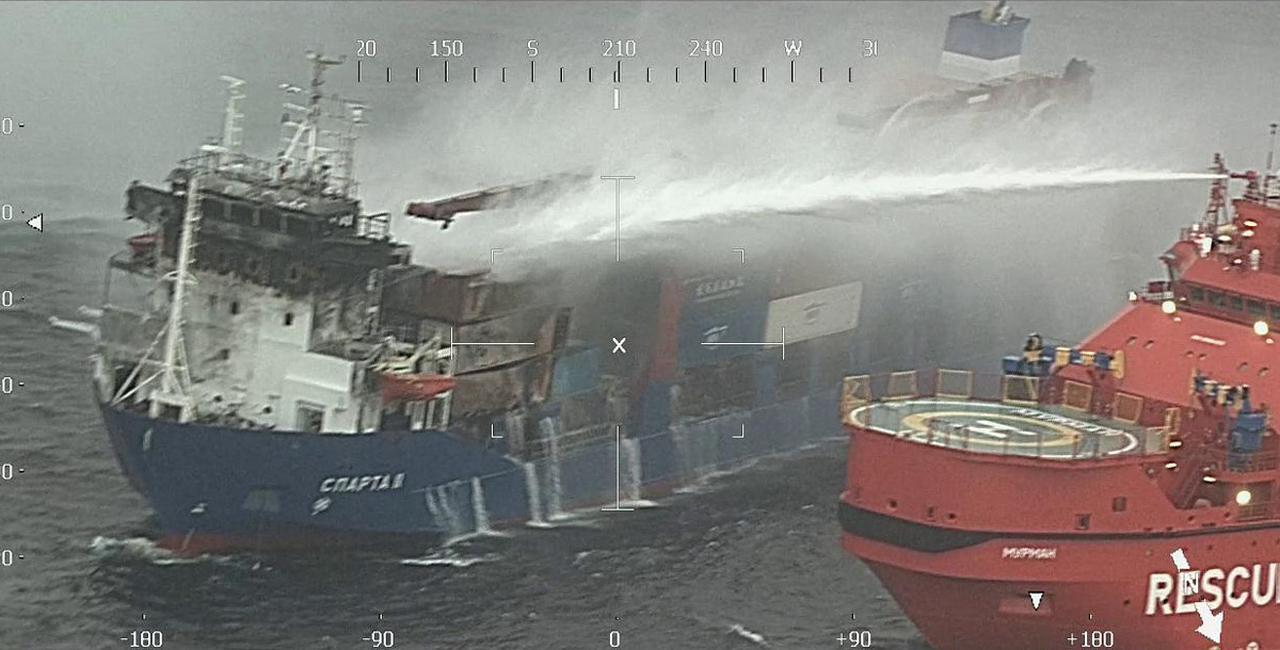
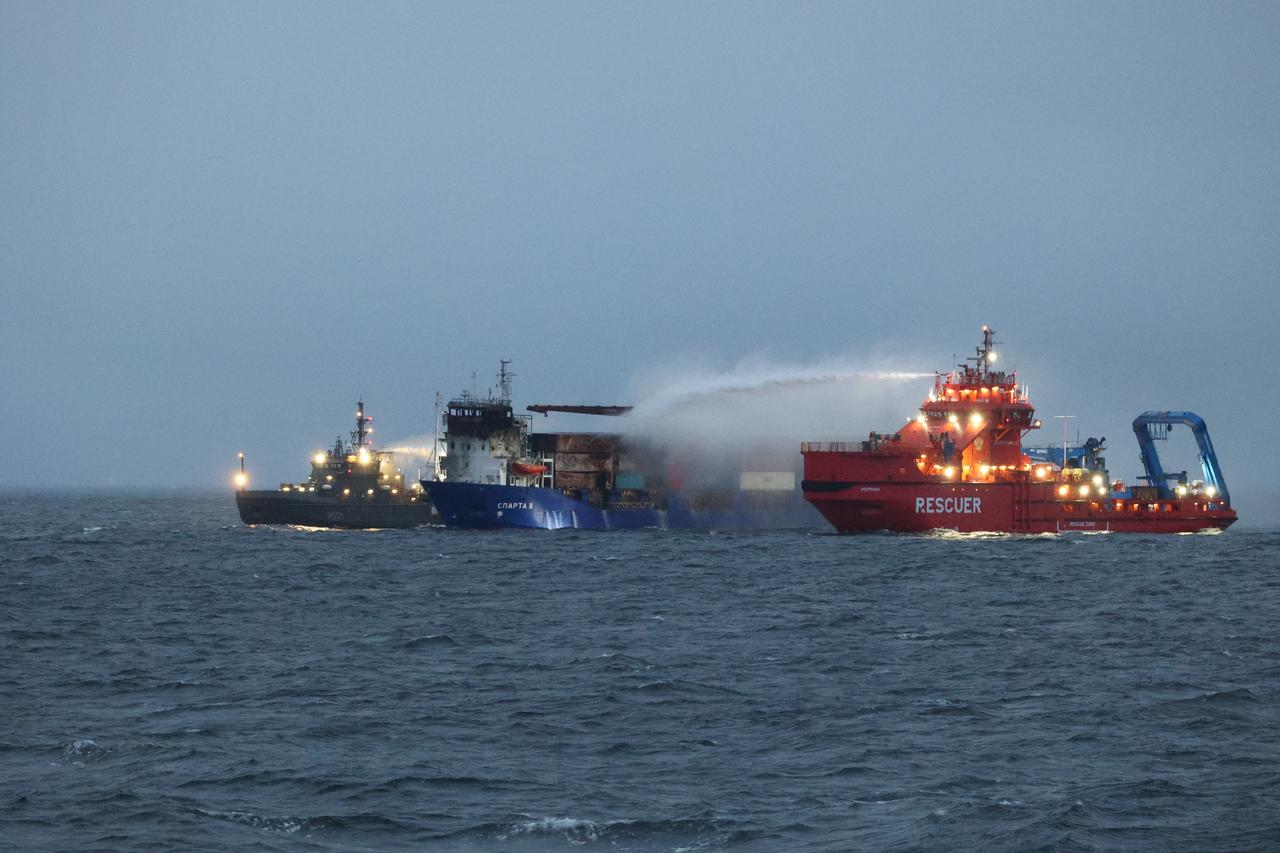
Ukrainian President Volodymyr Zelenskyy has confirmed that Ukraine carried out Saturday's drone strike on the Russian cargo ship Sparta II in the Gulf of Finland, saying Russian-flagged vessels carrying weapons are legitimate targets, while acknowledging the attack had unsettled some European partners.
"Every vessel with a Russian flag, everything that carries weapons or any sanctioned cargo that can carry God knows what, it is a legitimate target for us in Russian territorial or neutral waters," Zelenskyy told Bloomberg News in an interview in Kyiv late Monday.
Zelenskyy said the ship was struck in Russian territorial waters and later drifted into Finnish waters, which raised questions.
He said the attack drew different reactions among European partners and that he had instructed ministers and the military to communicate more with allies to avoid surprises.
The damaged Sparta II, owned by Russian Defense Ministry logistics arm Oboronlogistika and bound for Kaliningrad, was towed back to St. Petersburg, Russia's Transport Ministry announced on Tuesday.
Finland's military had said the ship was hit in international waters west of Russia's Gogland island.

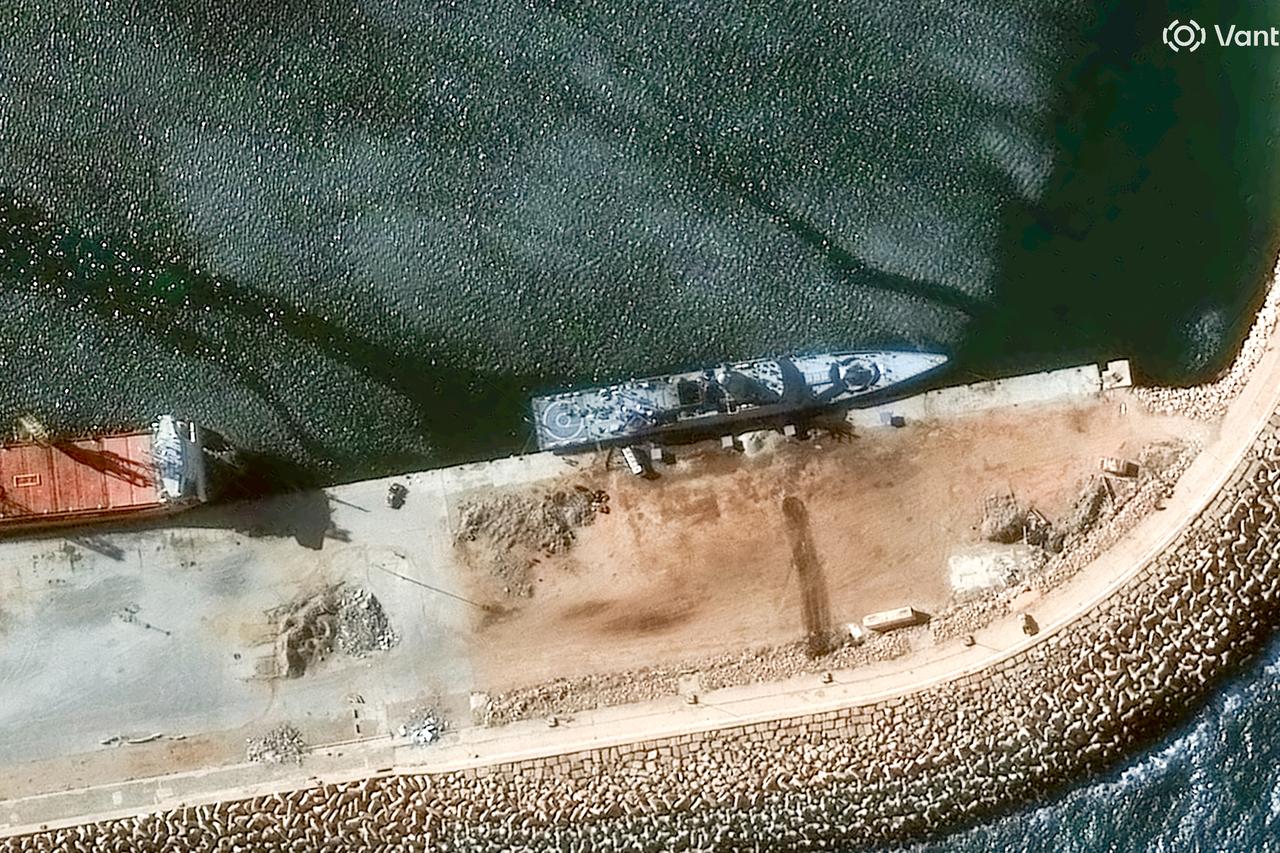
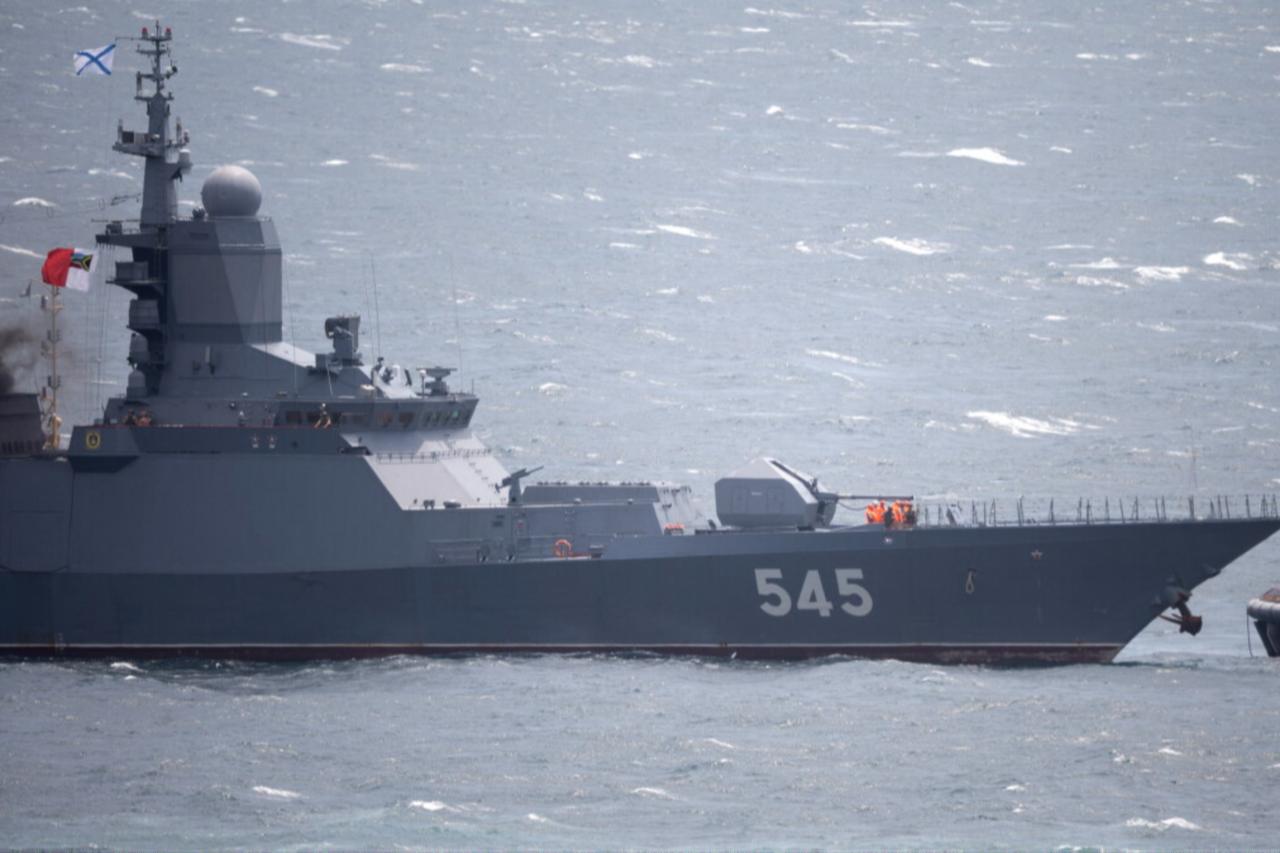
Ukrainian Foreign Minister Andrii Sybiha said Sunday's drone attack on the Russian corvette Merkury and a cargo ship off Benghazi was legitimate self-defense under Article 51 of the U.N. Charter.
"Ukraine is not 'dragging' anyone into the war or 'transferring' the war anywhere," Sybiha wrote on Telegram. "Ukraine respects the sovereignty and territorial integrity of Libya. We emphasize that Ukraine's actions are aimed at countering Russian armed aggression and are not intended to harm Libya or its people."
Italian Foreign Minister Antonio Tajani expressed concern to Sybiha on Tuesday, emphasizing "how crucial it is for Italy to keep working to prevent the conflict with Russia from spreading into the Mediterranean as well" and that "for Italy, respecting Libya's sovereignty is necessary," Italy's Foreign Ministry said.
"We are working for peace and call for the war in Ukraine not to be exported to the Mediterranean Sea, just a few kilometers from Italy's coastline, because this poses a danger to the entire western Mediterranean," Tajani said Monday in Baku.
"It would be truly dangerous to destabilize a country that was heading toward stability," he said.
"We have no interest in seeing an escalation in the Baltic Sea region. Stability and security in this region are of the utmost importance to us," German government spokesperson Stefan Kornelius said.
Asked whether Berlin told Kyiv not to widen the conflict, he said: "We've expressed our concern about stability, and we want to leave it at that."
"We do need to get used to it and be prepared for it," Estonian Prime Minister Kristen Michal told ERR, referring to Ukrainian attacks on Russian vessels.
"Estonia has not given permission for its airspace or maritime areas to be used for attacks against Russia," he wrote earlier. Foreign Minister Margus Tsahkna called the strike a consequence of Russia's war and Ukraine's right to self-defense.
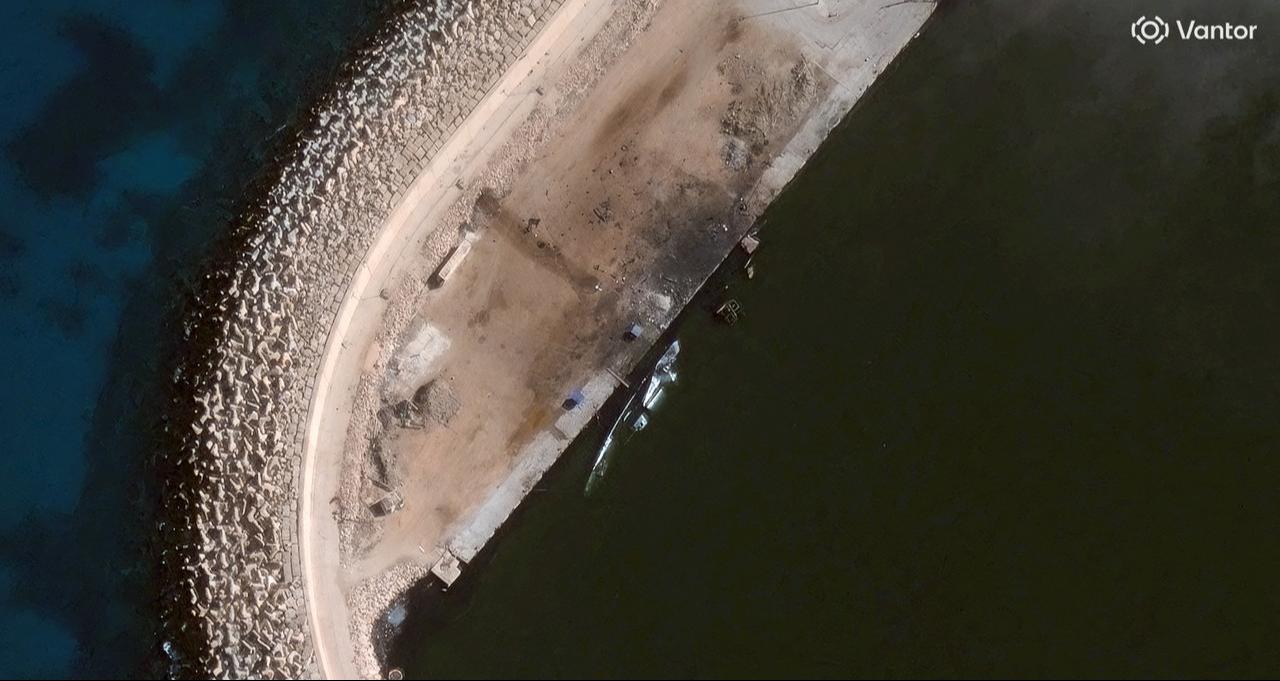
Tripoli's Foreign Ministry said it was following Zelenskyy's statements "with grave concern and strong condemnation" and "categorically condemns the conduct of any foreign military operations within Libyan territory or territorial waters," demanding "official clarifications" from Kyiv.
Prime Minister Abdul Hamid Dbeibah, in talks with Italy's ambassador, warned that independent military groups risk dragging Libya into the Russia-Ukraine war and Sudan's conflict, calling it a "dangerous gamble," and condemned using civilian ports for military purposes, his office said.
The eastern-based administration cited information suggesting Ukrainian forces might be present in "areas around Misrata, Zawiya and other potential locations" and called for a U.N. investigation.
"Russia enjoys good relations with the Libyan National Army and its commander Haftar," Hamish Kinnear of Verisk Maplecroft told Agence France-Presse (AFP), adding the strike on a Russian warship in LNA-controlled waters "is a blow" to both Russia and Haftar.
Kremlin spokesman Dmitry Peskov on Monday called the Baltic strike "a very dangerous trend" of expanding "terrorist activity," as Zelenskyy confirmed the Sparta II strike.


 Set as preferred source
 Set as preferred source


 1 min read
 1 min read