Newsletters


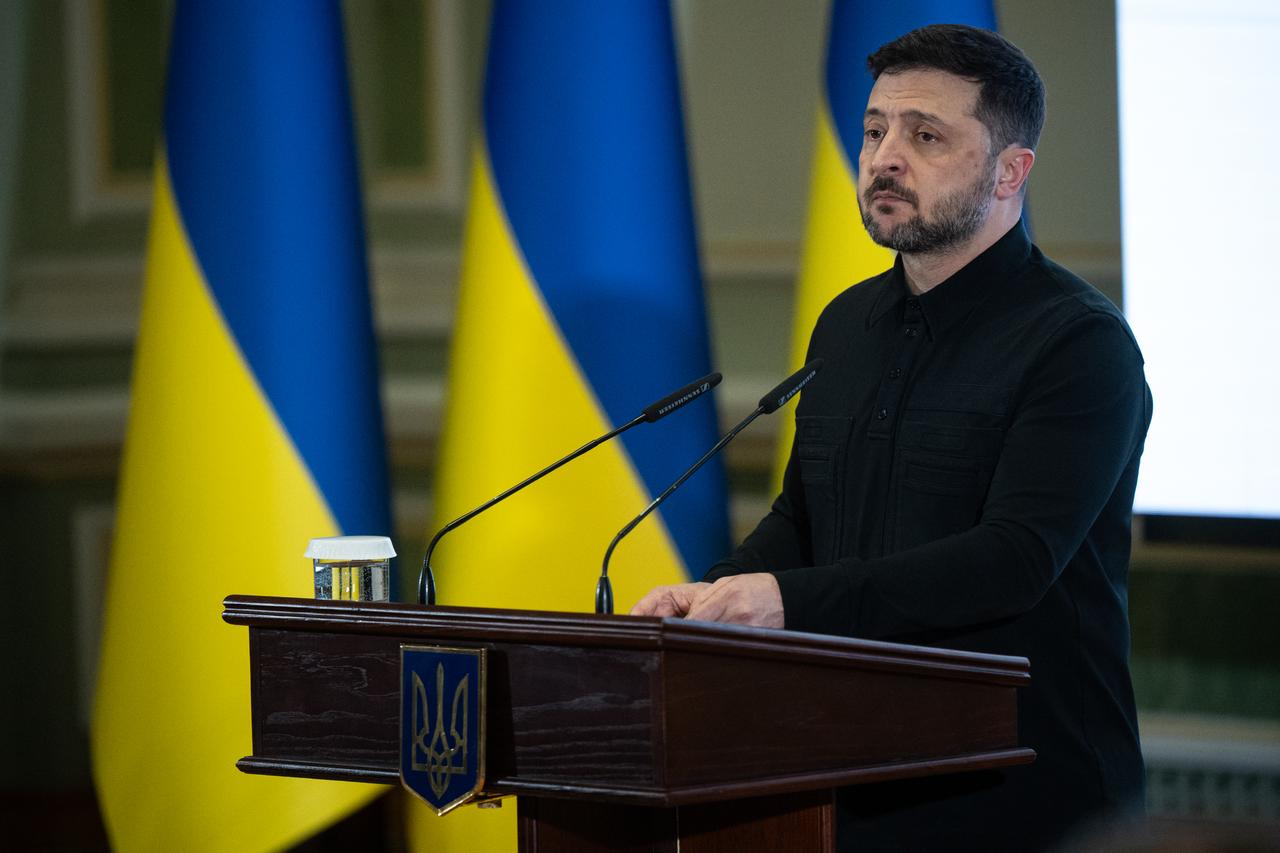


Ukrainian President Volodymyr Zelenskyy revealed details of a new 20-point peace plan agreed upon with U.S. negotiators, saying it freezes the current front line while opening the way for potential demilitarized zones in eastern Ukraine.
The plan has been sent to Moscow for feedback, with Kyiv expecting a response by Wednesday evening.
"We have come significantly closer to finalizing the documents," Zelenskyy said at a briefing with journalists in Kyiv on Wednesday.
The proposal represents a significant shift from an earlier 28-point U.S. draft that adhered to many Russian demands, including requiring Ukraine to withdraw from 20% of Donetsk it still controls and legally renounce its NATO bid. Both requirements have been dropped.
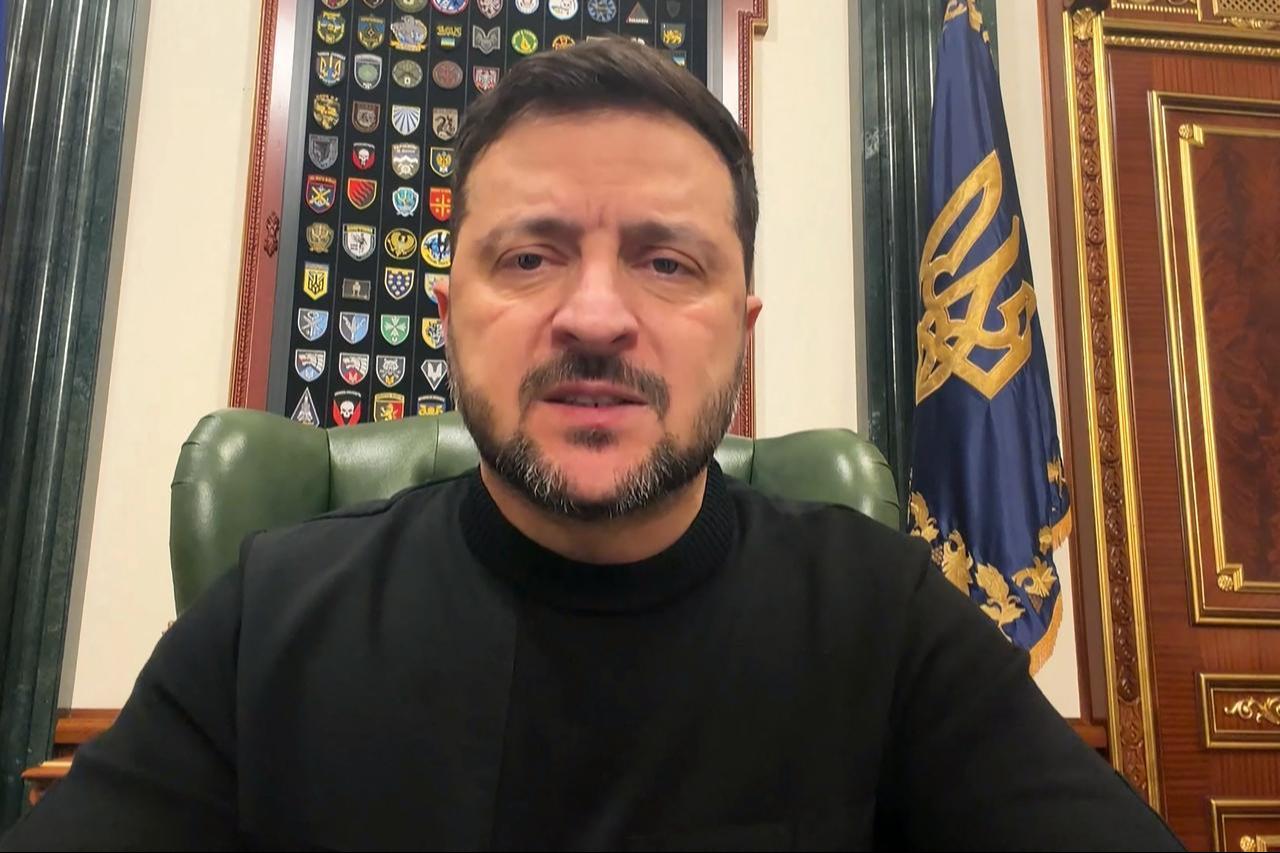

The plan recognizes the current troop deployment line in the Donetsk, Luhansk, Zaporizhzhia and Kherson regions as the "de facto line of contact."
"A working group will convene to determine the redeployment of forces necessary to end the conflict, as well as to define the parameters of potential future special economic zones," Zelenskyy said.
The Ukrainian leader said he is ready to pull troops back from areas of Donetsk still under Kyiv's control—including the cities of Kramatorsk and Sloviansk—and turn them into a demilitarized zone, but only if Russia withdraws from an equivalent stretch of land.
Any Ukrainian troop withdrawal would require approval through a referendum.
"A free economic zone. If we are discussing this, then we need to go to a referendum," Zelenskyy said.
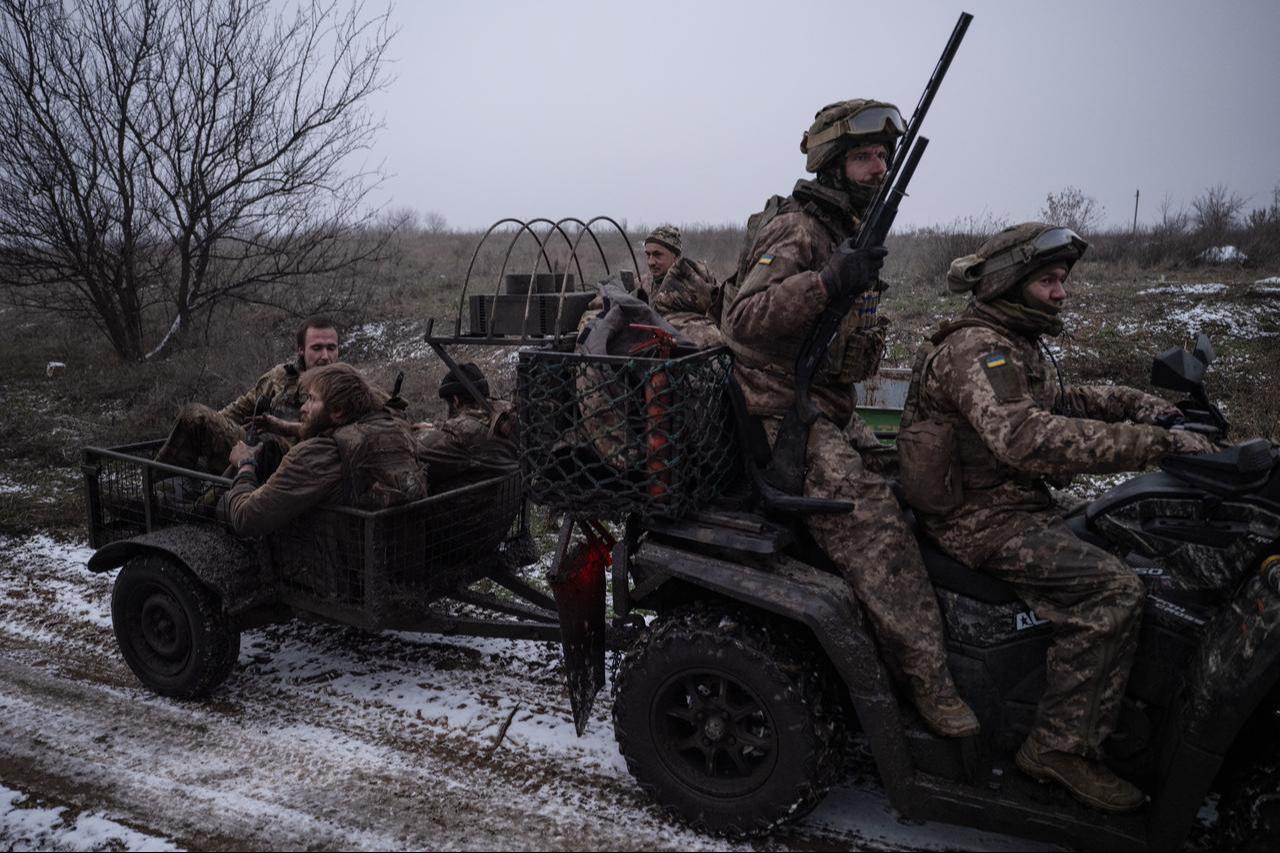
The plan includes security guarantees from the United States, NATO and European states that mirror NATO's Article 5 collective defense clause.
If Russia invades Ukraine, all global sanctions would be reinstated alongside a coordinated military response. If Ukraine invades Russia without provocation, the guarantees become void.
Ukraine's armed forces would remain at 800,000 personnel in peacetime, with funding from Western partners.
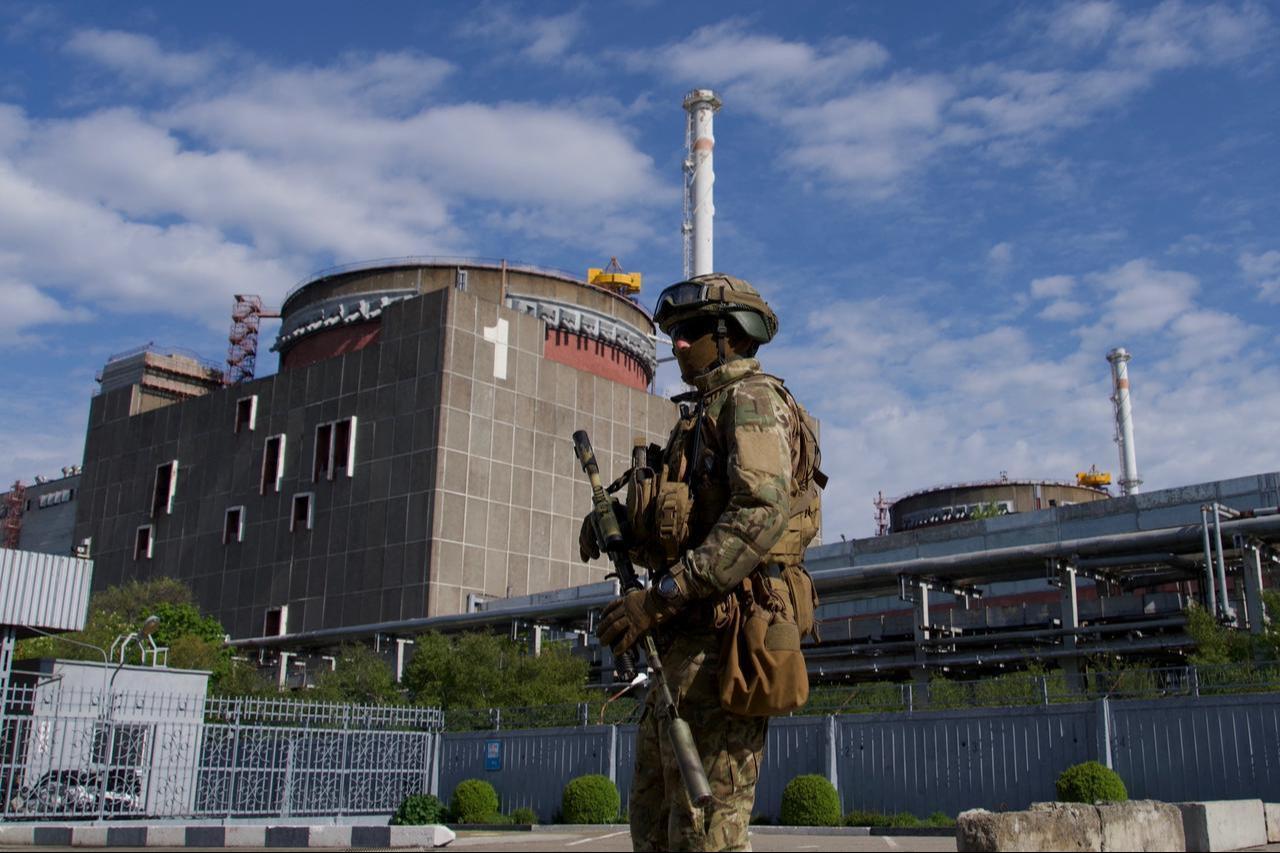
The plan envisions joint U.S.-Ukrainian-Russian management of the Zaporizhzhia Nuclear Power Plant, currently occupied by Russian forces.
Zelenskyy said he does not want Russian oversight of the facility and proposed it operate as a joint venture between Kyiv and Washington only. The city of Energodar, which manages the plant, could become a demilitarized zone.
The plan includes a major economic package:
The ultimate goal is to raise up to $800 billion for Ukraine's rebuilding, with the U.S. potentially contributing $100 billion and Europe a similar amount.
For the agreement to take effect, Russian forces must withdraw from the Dnipropetrovsk, Mykolaiv, Sumy and Kharkiv regions.
The plan also requires:
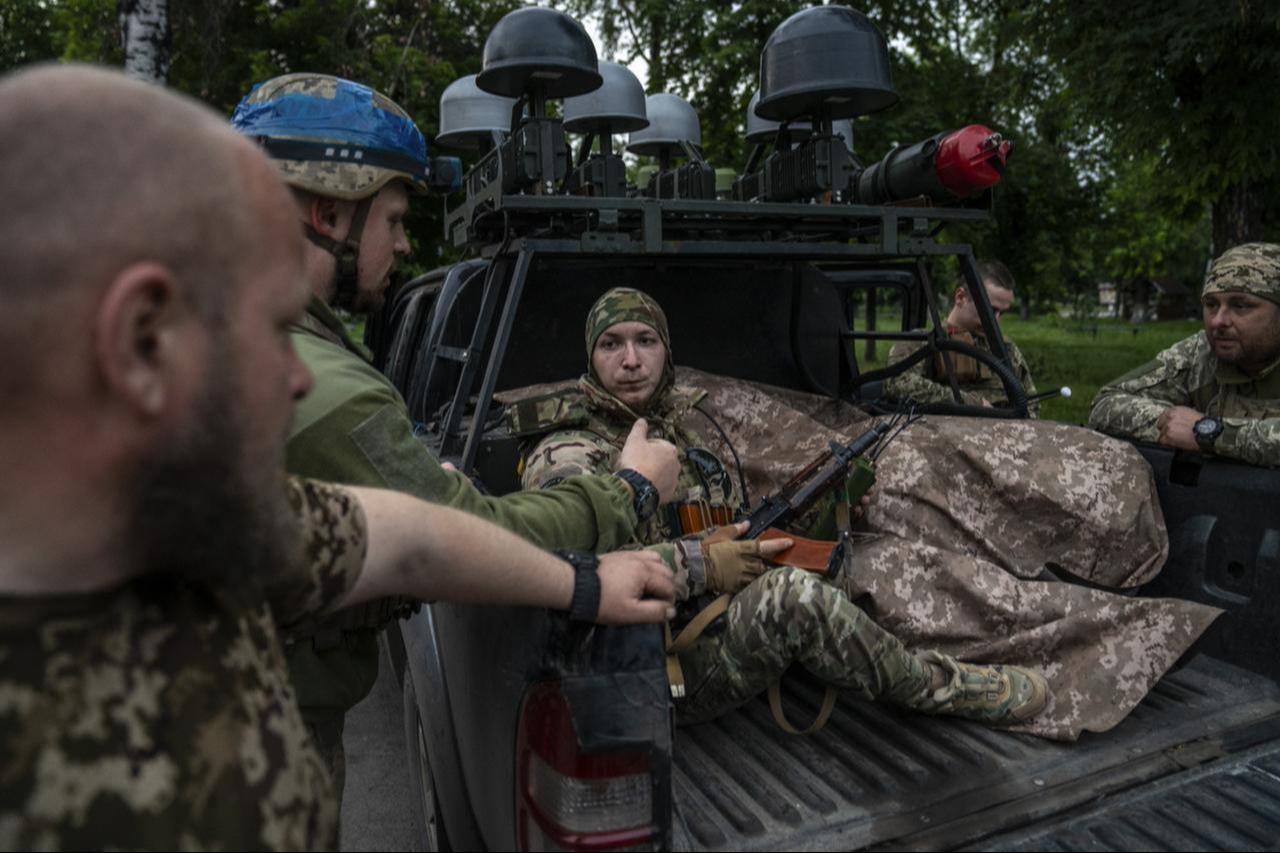
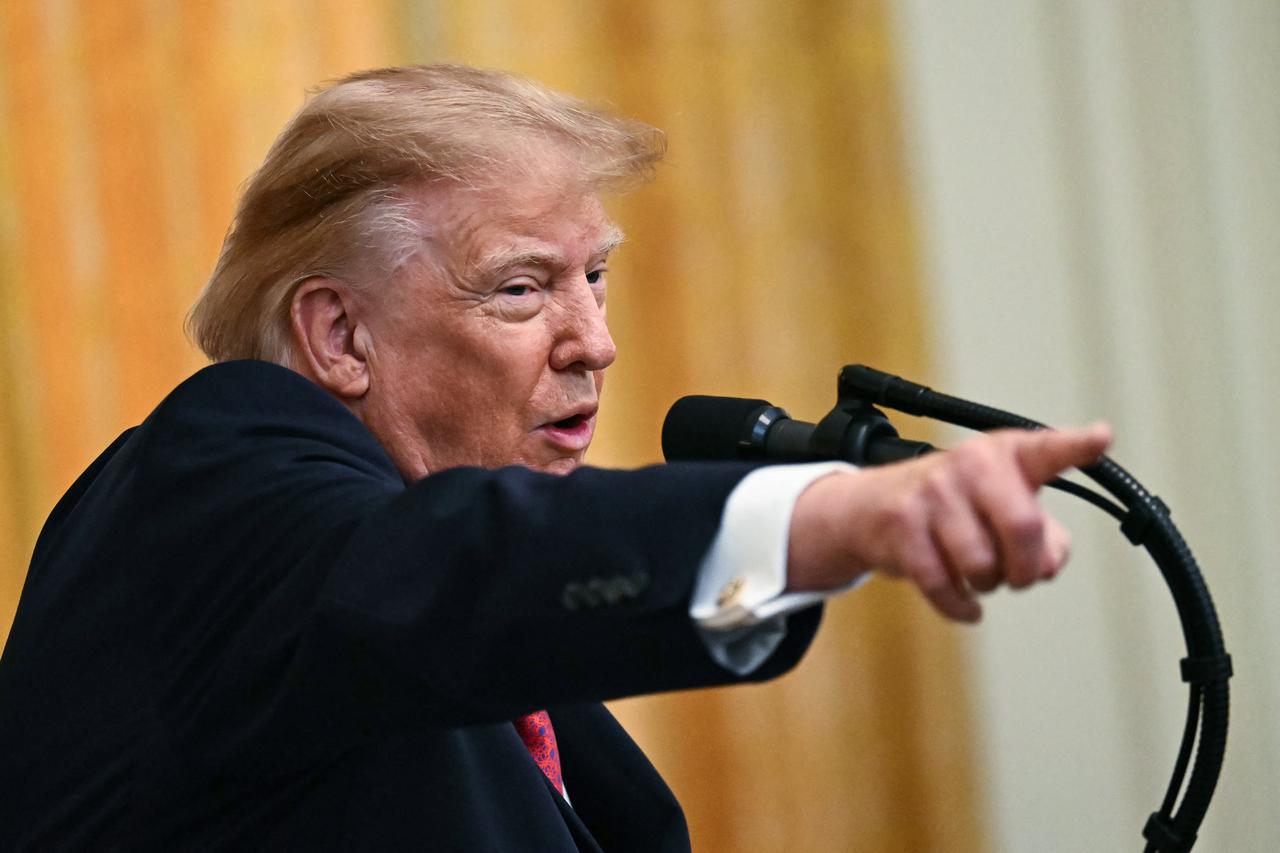
The agreement would be monitored by a Peace Council chaired by U.S. President Trump, including Ukraine, Europe, NATO, Russia and the United States. Sanctions would apply for violations.
Once all parties agree, a full ceasefire takes effect immediately.
The Kremlin is unlikely to abandon its hardline territorial demands, and a senior Russian official called recent talks "rather unconstructive."
Zelenskyy voiced cautious optimism that Moscow would not openly reject the proposal for fear of angering Trump.
"They cannot tell President Trump: 'Look, we are against a peaceful settlement,'" Zelenskyy said, adding, "If they try to obstruct everything, then President Trump would have to arm us heavily while imposing all possible sanctions against them."


 Set as preferred source
 Set as preferred source


 1 min read
 1 min read