Newsletters


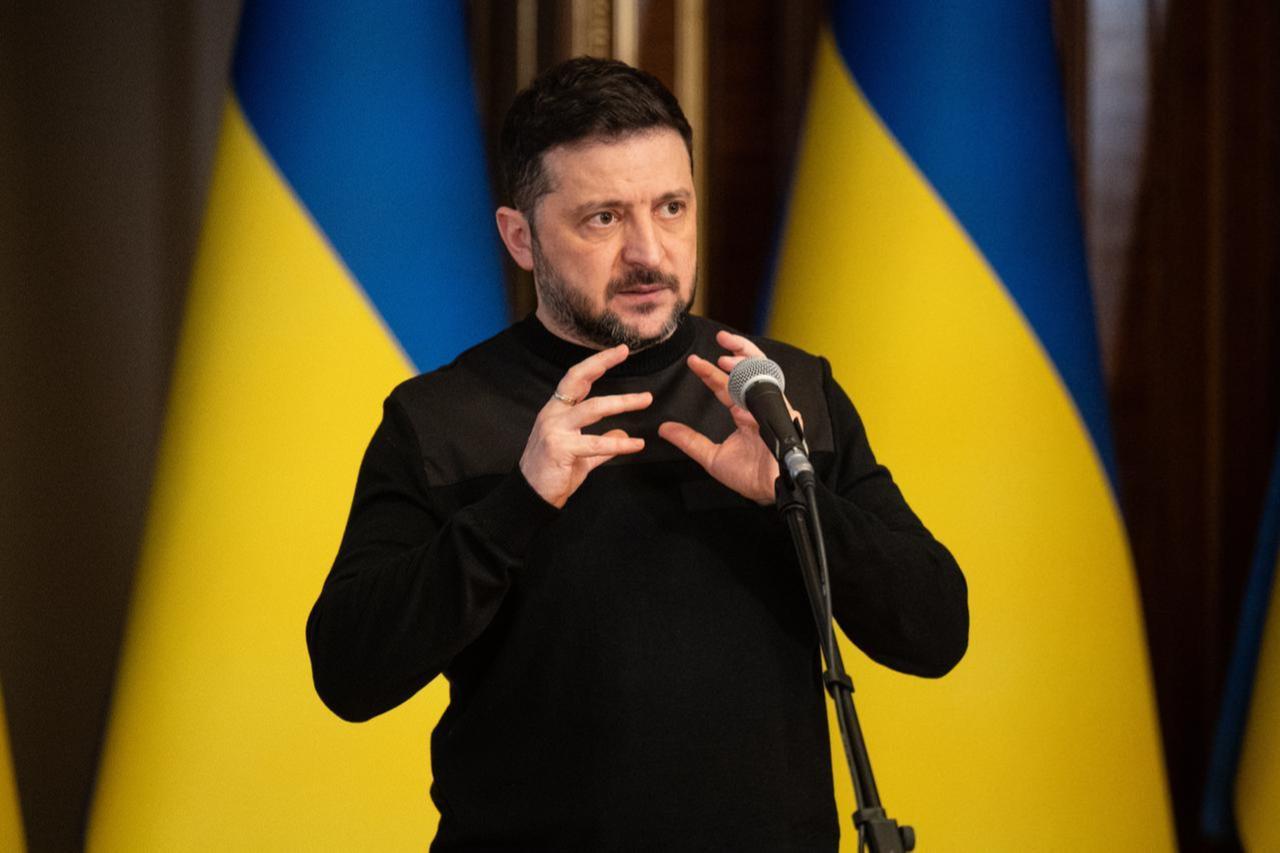


Ukrainian President Volodymyr Zelenskyy said Tuesday that American peace brokers have little bandwidth for Ukraine's war with Russia because of the ongoing conflict in Iran, warning that disruptions to US arms deliveries, particularly air defense missiles, have reached a critical point.
Speaking to German public broadcaster ZDF, Zelenskyy said Steve Witkoff and Jared Kushner, the US envoys who have been central to ceasefire diplomacy between Kyiv and Moscow, were "constantly in talks with Iran." While describing the pair as "pragmatic," he cautioned that without firmer American pressure on Russia, the Kremlin would lose its incentive to negotiate seriously. "If the United States does not put pressure on Putin and only engages in a gentle dialogue with the Russians, then they will no longer be afraid," he said.
US-led efforts to end Europe's deadliest conflict since World War II have largely frozen since Iran entered open hostilities in late March, and Russian and Ukrainian negotiators have not met since February, when talks were held in Geneva.
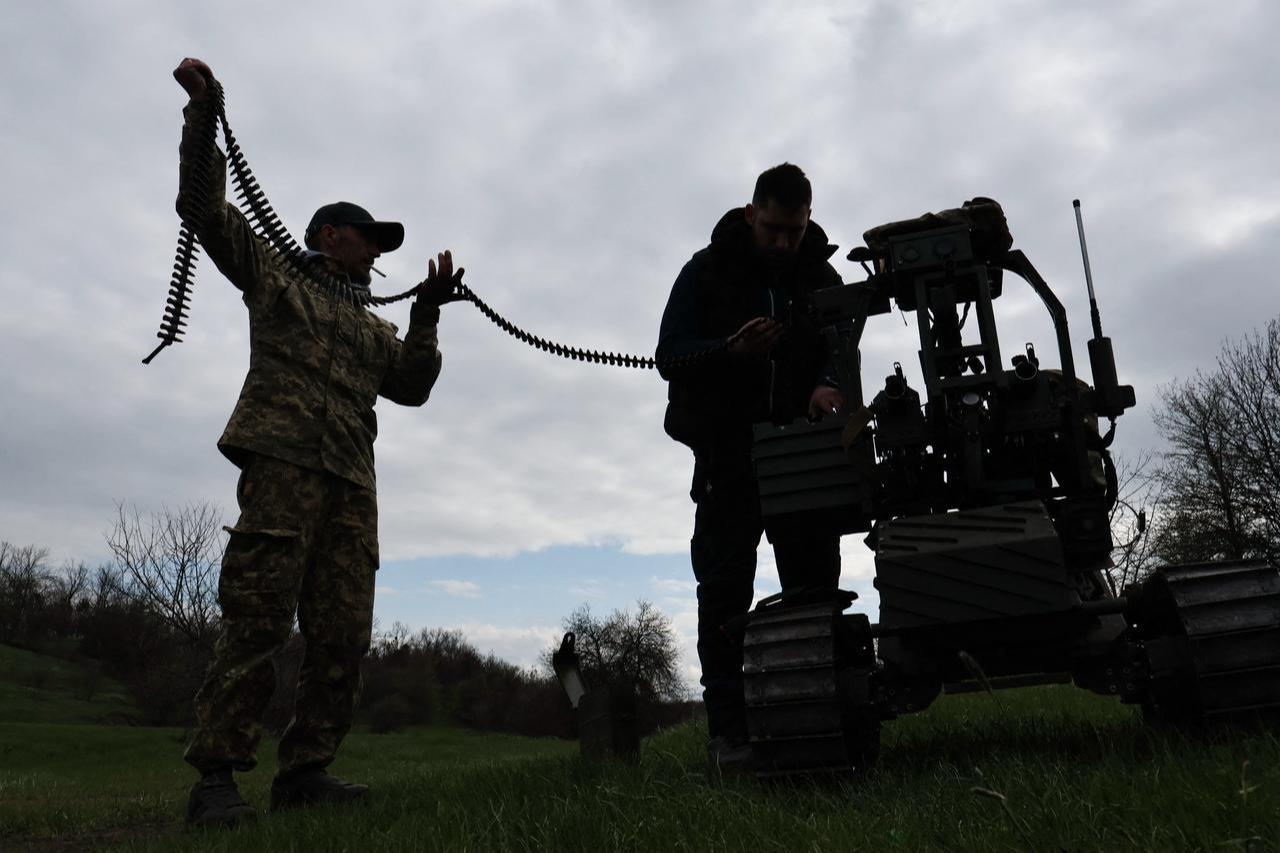

Zelenskyy identified the weapons supply question as an acute and growing vulnerability. "If the war goes on, there will be less arms for Ukraine. It's critical, especially in materials for air defenses," he told ZDF.
At a subsequent press conference in Oslo alongside Norwegian Prime Minister Jonas Gahr Store, Zelenskyy identified PAC-2 and PAC-3 interceptor missiles as the most pressing shortage. The missiles are primarily procured through the PURL program, a mechanism launched last year that enables Ukraine to receive American military equipment paid for by European governments. He said deliveries were arriving "slowly," calling it "a very difficult position for us."
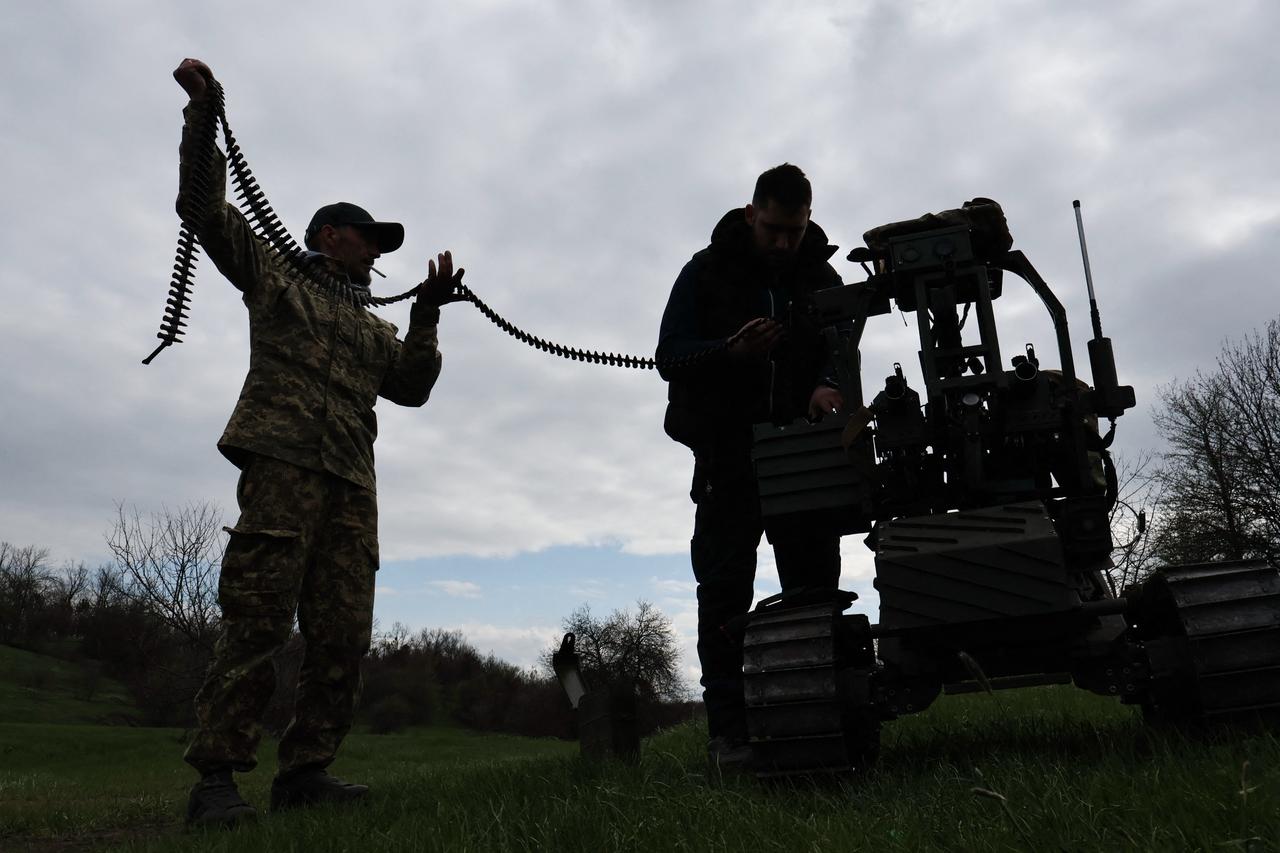
The Patriot missile system has been a cornerstone of Ukraine's layered air defense network since Russia's full-scale invasion began in February 2022. PAC-3 interceptors are designed to engage ballistic missiles and aircraft at high altitude, making them among the most consequential weapons in Ukraine's arsenal against Russian air attack.
Zelenskyy's Oslo stop produced a concrete diplomatic result, with the two governments signing a joint declaration on enhanced defense and security cooperation. The Norwegian government said the agreement was designed to deepen ties between the two countries' defense industries, and announced that Ukrainian drones would begin being manufactured on Norwegian soil, a move that would reduce Kyiv's dependence on supply chains vulnerable to geopolitical disruption.
Earlier in the day, Zelenskyy led a government delegation to Berlin, where he met German Chancellor Friedrich Merz and senior ministers to discuss the now five-year-old war against Russia. The two countries announced a strategic partnership focused on defense cooperation, part of a broader pattern of European governments moving to deepen bilateral security arrangements with Ukraine as American diplomatic engagement grows uncertain.
Germany has been one of Ukraine's largest military backers since Russia's full-scale invasion, supplying armored vehicles, air defense systems, and artillery ammunition, though Berlin has historically maintained limits on certain weapons categories given domestic political sensitivities.


 Set as preferred source
 Set as preferred source


 1 min read
 1 min read