Newsletters


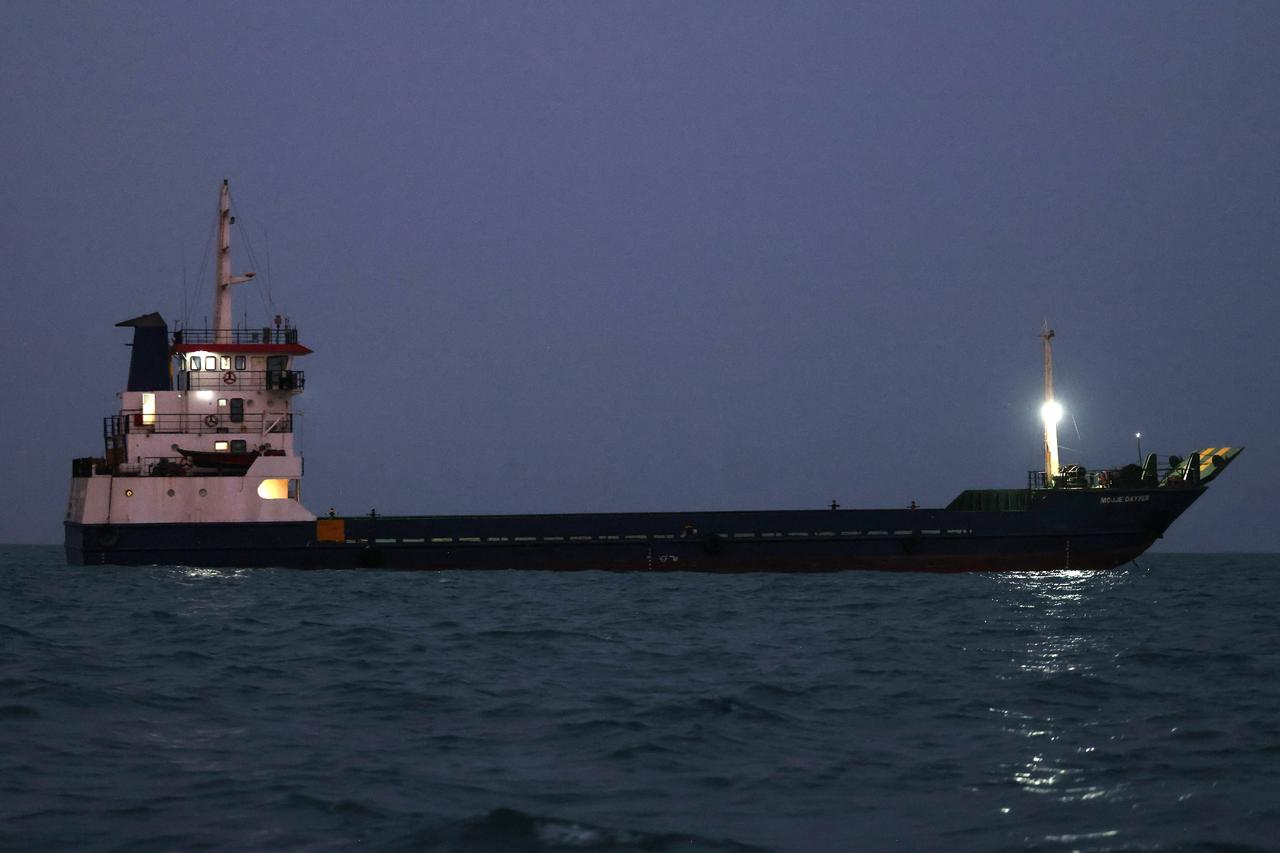


The rules governing global shipping are breaking down, disrupted by wars and a rapidly growing shadow fleet operating beyond Western oversight, the world's largest maritime nations warned in a rare joint statement Tuesday.
The Consultative Shipping Group (CSG), representing 18 shipping nations that together account for more than a fifth of global trade by tonnage, said decades-old laws ensuring free navigation and the neutrality of commercial vessels are collapsing, posing a severe risk to global trade.
"Without maritime trade, supply chains would fragment and the global economy as we know it would come to a sudden halt," the group said in the statement, its first public intervention since the CSG was established more than 60 years ago.
The CSG said the battle to control the Strait of Hormuz, the COVID-19 pandemic, and the shadow fleet created by U.S., EU and UK sanctions are not "episodic shocks" but "signals of a structural shift in the operating environment of global trade."
"Shipping routes are increasingly instruments of leverage and risk," the group warned, adding that recent events demonstrate how fragile the maritime trade system has become.
CSG members include Greece, Singapore, Denmark, Japan, Canada, the U.K., the Netherlands, Germany and South Korea, among others.
Brian Wessel, director-general of the Danish Maritime Authority, which chairs the CSG, told the Financial Times (FT) that deepening concerns about fragmentation in the maritime sector and the erosion of standards set by the International Maritime Organization (IMO) prompted the rare statement.
"For decades, we have built global trade on the assumption that ships can move freely across borders. That assumption is now under pressure," Wessel said, adding, "The global level playing field (and) the global regulations that we've made for many, many years in the IMO have been taken for granted."
More than 80% of world trade is transported by ships operating under IMO rules.
The IMO was formally established in 1948, though the concept of international governance of the oceans traces back to the 17th-century doctrine of mare liberum, or "free seas."
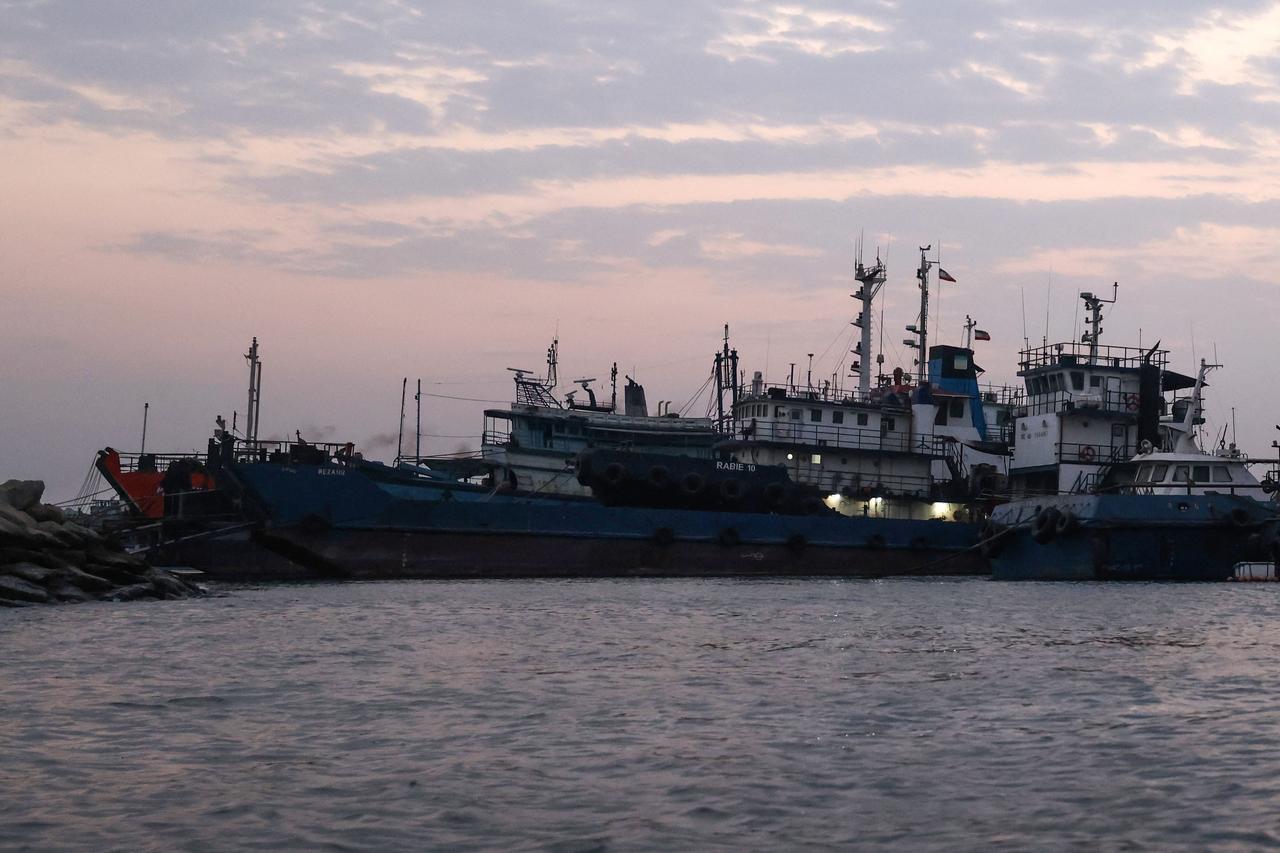

The CSG warned that an increasing number of vessels are now engaging in operations that circumvent sanctions, describing an "unregulated shadow fleet" of hundreds of ships operating outside standard insurance, safety and transparency frameworks.
"This creates parallel systems within global shipping, increases risk, and bypasses environmental and safety standards, undermining trust and predictability in maritime markets," the group said.
"The result is a two-tier system, one governed by rules, the other by opacity, ultimately weakening both," the group noted.
According to TankerTrackers.com, the shadow fleet of oil tankers now numbers more than 1,500 vessels, nearly a fifth of the global tanker fleet, with nearly all lacking traditional insurance policies.
This summer, the Caroline Bezengi, a shadow fleet ship carrying roughly 800,000 barrels of Russian oil, struck a limpet mine off the coast of Oman while uninsured, potentially leaving the Omani government responsible for millions of dollars in cleanup costs.
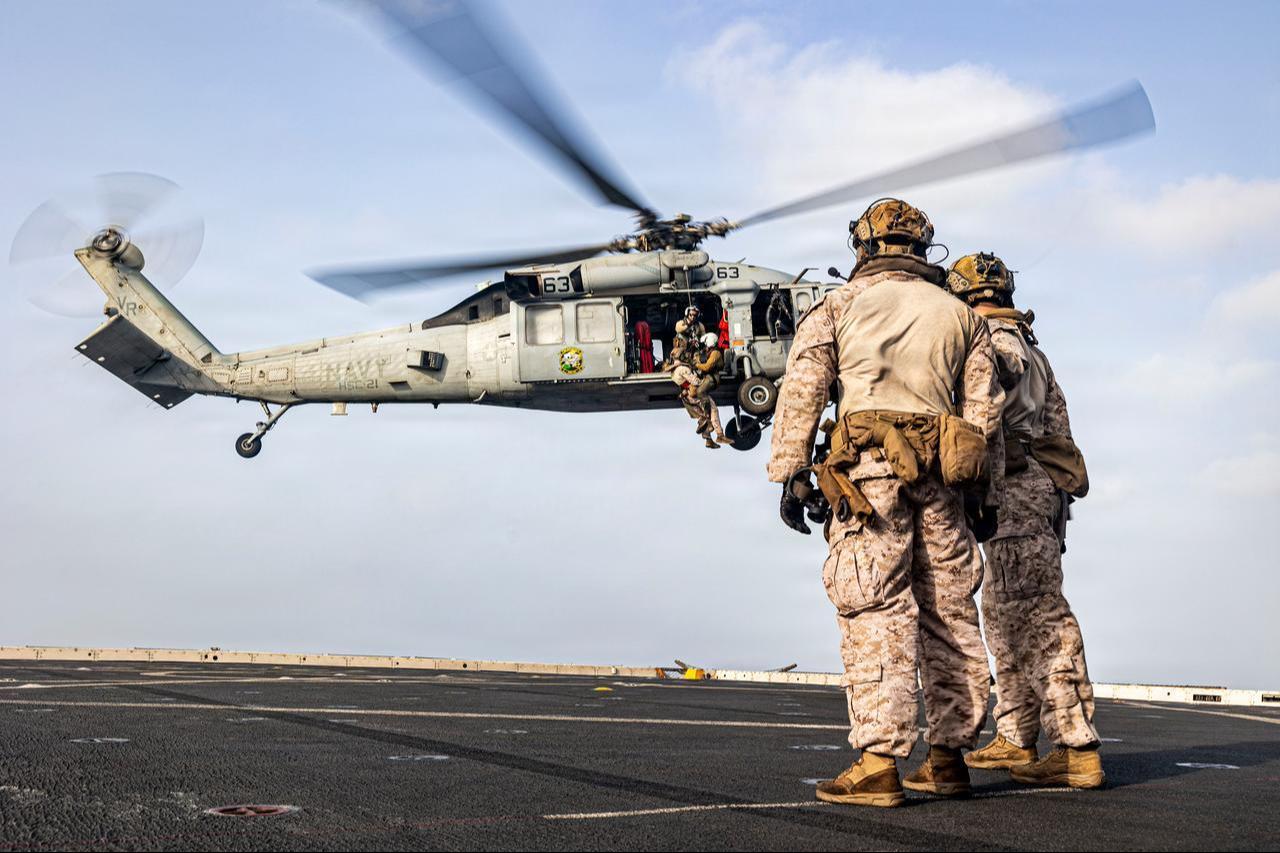
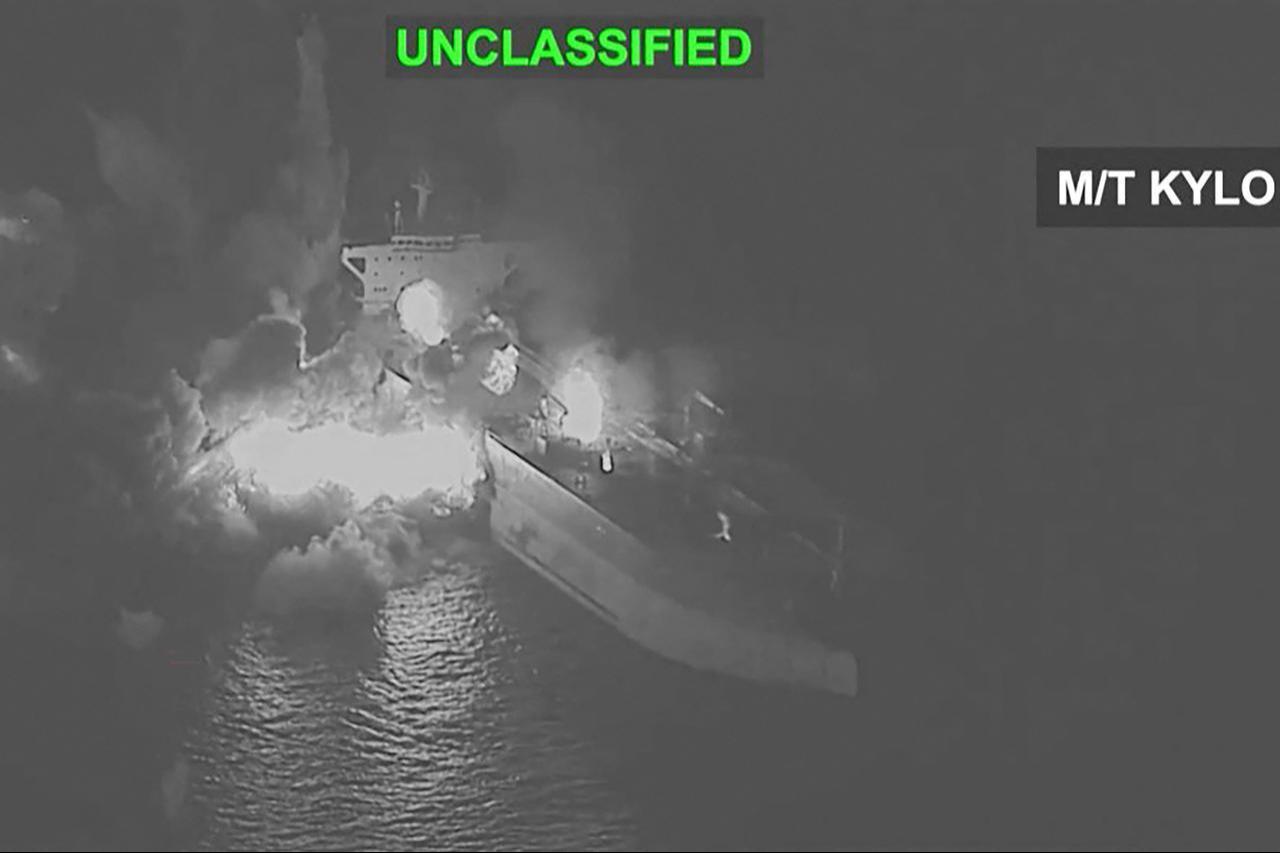
Russia, Ukraine, the U.S. and Iran have all struck civilian shipping targets during conflicts this year, while the vulnerability of maritime chokepoints has been underscored by Iran's efforts to establish a fee-paying regime in the Strait of Hormuz.
Iran said Monday that a deal with Oman to manage shipping through the strait, through which about a fifth of the world's oil and gas previously flowed, was close to being finalized, though it remains unclear whether a toll would be charged.
Shipowners and maritime organizations have warned that charging such a fee would set a dangerous precedent, potentially prompting other countries bordering critical chokepoints to follow suit.
The CSG called on maritime nations to "actively support and uphold the core principles governing shipping," urging enforcement of existing international rules across jurisdictions and political backing for developing and maintaining common standards.
"Strong international cooperation is not a constraint on sovereignty; it is a prerequisite for effective governance in an interconnected world," the group said.
"Allowing fragmentation to deepen, undermines the global rules-based maritime framework and increases the risk of disruptions at key maritime chokepoints. As the closure of the Strait of Hormuz demonstrates: When shipping supply chains fragment, the global economy fragments with it."
The group also warned that "discriminatory trade measures" compound the effects of disruptions already impacting maritime navigation, noting, "Global shipping works best when rules are clear and consistent around the world."
"Uncertainty about future access to ports or routes can affect long-term commercial planning. When countries begin to pursue diverging approaches, regional initiatives or stalled multilateral processes weaken the coherence of the system. Fragmentation in rules leads directly to fragmentation in markets and ultimately to higher costs for businesses and consumers," the statement added.
Separately, data released Monday showed maritime traffic trends diverging sharply across the world's two most critical chokepoints.
According to shipping data platform MarineTraffic, crossings through the Strait of Hormuz fell 28% to 77, with laden voyages declining from 45 to 33, and sanctioned or shadow fleet crossings dropping from 50 to 23.
A total of 40 transits had undetermined routes, while 32 used a unilateral scheme established by Iran.
Traffic through the Bab el-Mandeb Strait moved in the opposite direction, recovering 9.7% to 248 crossings, with laden traffic in the Red Sea route rising from 103 to 109. Dark transits held near 23, while adherence to the traffic separation scheme remained around 91%.
The data pointed to growing pressure on Gulf shipping routes even as Red Sea traffic showed greater operational resilience.


 Set as preferred source
 Set as preferred source


 2 min read
 1 min read