Newsletters


Iran's Foreign Ministry stated Monday that the U.S. economic campaign against Tehran, including its naval blockade of the Strait of Hormuz, targets not just Iran but global free trade and the international system as a whole, as spokesman Esmail Baghaei addressed a wide range of topics during the ministry's weekly press briefing.
"The U.S. economic war constitutes a new wave of coercive and illegal measures that are not directed solely against Iran, but against the international community as a whole, the principles of the U.N. Charter, countries' sovereignty and free trade," he said.
Baghaei said the U.S. must be held accountable for its "aggression" against Iran and "crimes" against the Iranian people.
"Over the past few days, the country has been facing continuous military aggression and illegal actions by the United States, which began on February 28 in cooperation with the Zionist regime," he noted.
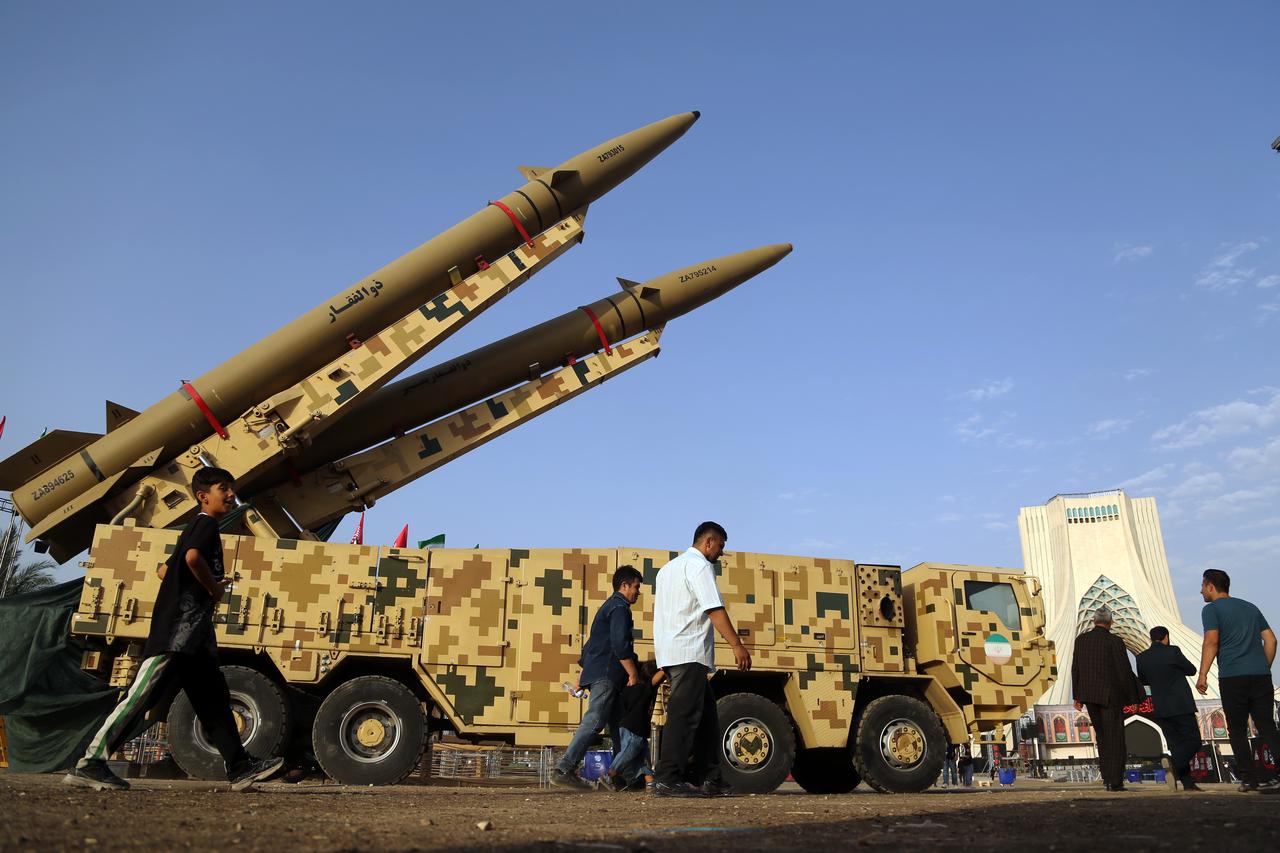
The Iranian official said Iran considers its defensive actions, including strikes against U.S. military bases in the Middle East, to be entirely lawful.
"The Islamic Republic of Iran is in a position of legitimate self-defense and defense of national interests because of the continuation of the naval blockade and full-scale economic war," he said, adding that Tehran considers its actions legal "within the framework of the inherent right of self-defense based on Article 51 of the United Nations Charter."
Baghaei said U.S. conduct undermined its own position.
"The United States' resort to attacks against civilians and the killing of children in an attempt to pressure the Islamic Republic of Iran completely invalidates their claims," he said.
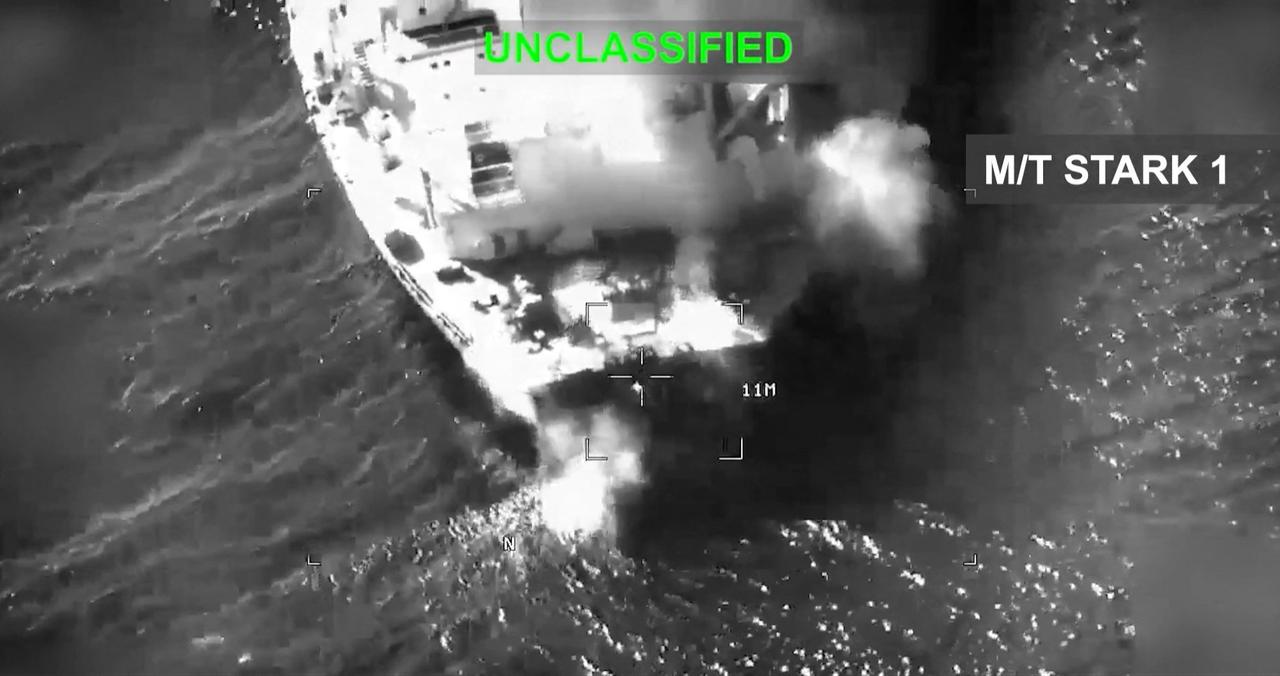
Asked directly whether Iran fired on two U.S. Navy vessels and whether the strikes on Iranian oil tankers were retaliation, as the U.S. has claimed, Baghaei rejected the American account.
"That a country calling itself the greatest superpower in history would resort to such threats, striking commercial vessels in retaliation for what they themselves admitted was Iran's attack on their warship, brings them no honor," Baghaei said.
"For such a power to resort to attacking civilians, killing children at a wedding celebration, to pressure the Islamic Republic of Iran, brings them no honor. Their narrative is completely false. The Islamic Republic of Iran is in a position of self-defense due to the continuation of the naval blockade and the ongoing economic war, and in these circumstances, the defensive strikes Iran carried out against American military bases or against their warship fall squarely within the inherent right of legitimate self-defense enshrined in Article 51 of the U.N. Charter," he added.

Asked about U.S. President Donald Trump calling the conflict "small potatoes" and Vice President JD Vance previously saying it should not be called a war, Baghaei rejected both characterizations.
"It is not a war, it is overt military aggression against Iran's national sovereignty and territorial integrity. Mere statements cannot conceal their defeats, nor can they hide the severity and depth of the crimes committed. The whole world saw that on Feb. 28, the United States and the Zionist regime, in flagrant violation of the UN Charter, imposed a war on the Islamic Republic of Iran, the region and the world. They cannot conceal the nature of their action with this rhetoric," Baghaei said.
"This was overt military aggression, contrary to all principles and norms of international law. Even in American media, they themselves have called it an 'unlawful war of choice.' But what is evident is that this is an act of aggression, and the United States must certainly be held accountable, both for imposing an illegal war on the Islamic Republic of Iran and committing military aggression against Iran, and for each of the war crimes committed against the Iranian people during these six months," he added.
Asked about a reported U.S., U.K., French and German push at the International Atomic Energy Agency's (IAEA) board to refer Iran's nuclear file to the U.N. Security Council, Baghaei dismissed the effort as legally void and politically motivated.
He said the three European states were "irrational" to pursue a U.N. resolution against Iran when the "imposed war" by the U.S. and Israel had itself made Iran's nuclear facilities inaccessible, arguing that the push contradicts the Europeans' own prior claims about the legality of the "snapback" mechanism reviving Security Council resolutions.
"This action by the three European countries and the United States to raise Iran's nuclear issue again at the U.N. Security Council violates the very claim they made, and proves the correctness of the position held by Iran, China and Russia, that the snapback was fundamentally illegal and inapplicable," Baghaei said.
"The three European countries are once again discrediting themselves. They tried this path before and saw what reward they got from the United States: they were humiliated, sidelined, and at the same time complicated matters related to Iran's nuclear issue," the Iranian official added.
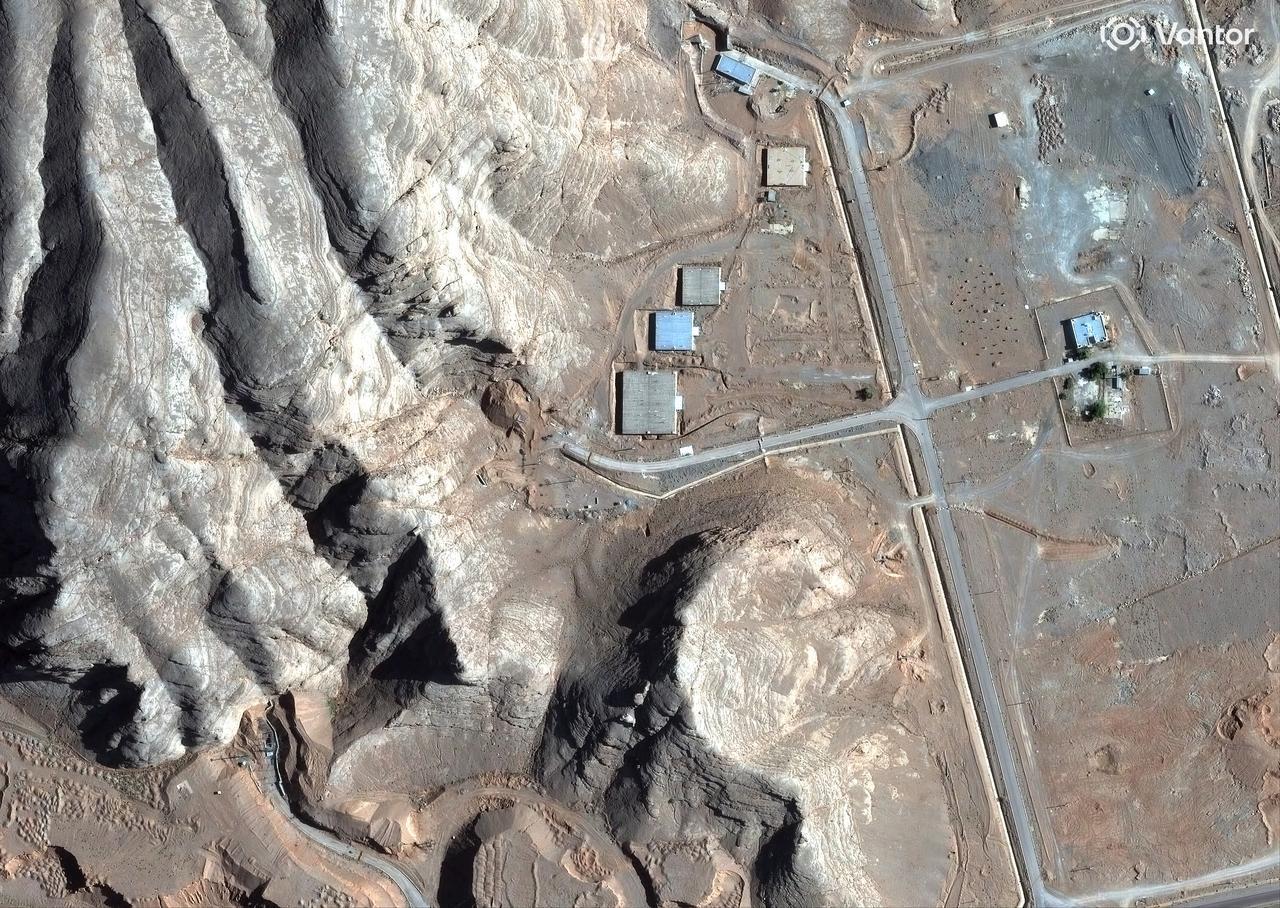
He said the demand was unreasonable given that U.S. and Israeli strikes on Iranian nuclear facilities were themselves responsible for blocking IAEA access.
"They blocked the path themselves, and now they reproach Iran for the agency's inability to access Iran's nuclear facilities. This action is self-contradictory. The action of the three European countries and the United States is certainly a sign of bad faith, a sign that they are seeking to escalate the situation," Baghaei said, adding that Tehran would take "necessary measures" in response to any resolution and had repeatedly warned the Europeans that "tasting what has already been tasted is a mistake."
Asked about what some have called a "tanker war" in the Strait of Hormuz and whether recent regional diplomatic consultations had reduced tensions, Baghaei said the term itself was misleading.
"'Tanker war' is perhaps not an accurate term for what we are witnessing in the region. Let's always keep the actual situation in mind. Since late February, we have faced military aggression by the United States and the Zionist regime, and from that time the Strait of Hormuz and the Persian Gulf became unsafe, not because of any Iranian action, but because of the aggressive actions of the United States and the Zionist regime, which have continued in various forms to this day, including through the naval blockade," Baghaei said.
He said attacks on ships, both in the region and on the high seas, were initiated by the U.S., and that Iran's defensive measures against American warships became a pretext for U.S. attacks on Iranian commercial vessels.
"Attacking commercial vessels is both a violation of international law and an act of terrorism. That the U.S. Secretary of Defense, or Secretary of War, as they call him, takes pride in this action is an admission of committing a war crime against commercial ships," Baghaei said.
"As long as this situation continues, meaning the economic war and the maritime embargo against Iran, it will constitute a continuation of American military aggression against Iran, and this authorizes Iran, both legally and operationally, to take the necessary measures to defend itself. Therefore, Iran's actions are entirely defensive against the continuation of military aggression by the United States and the Zionist regime," the Iranian official added.
Asked about the status of talks with Oman on managing traffic through the Strait of Hormuz, Baghaei said negotiations had progressed significantly.
"Iran and Oman, as two coastal states, seriously began negotiations to determine safe routes in the Strait of Hormuz. The negotiations have made very good progress. If you have seen some ups and downs at certain points, attribute a major part of that to the influence exerted by certain third parties, which typically disrupted the negotiation process. But we can now say that the Iran-Oman negotiations have reached their final stage," he said.
"It is likely that within the coming days, the Iran-Oman understanding on a temporary safe route in the Strait of Hormuz will be registered with the International Maritime Organization," Baghaei noted.
Responding to a question referencing the collapsed June 17 Memorandum of Understanding (MoU), Baghaei defended the agreement as "having served Iran's national interests despite the U.S. failing to honor it."
"The issue of negotiation is not an absolute matter where we can say it is definitely bad or definitely good. Negotiation is a tool, and as long as we can secure national interests through negotiation and diplomacy, we must certainly use this tool. Analyses of the understanding vary widely. What is clear is that the June 17 understanding was reached taking into account all the circumstances we were in at the time; we believe that understanding served our national interests," Baghaei said.
"We should keep in mind that the enemy's bad faith, their breach of commitments and violation of the agreement by the United States should not lead us to question our own achievements. We responsibly entered the diplomatic battle to secure Iran's rights, which resulted in the June 17 understanding, an understanding whose first clause concerned halting the Zionist regime's aggression against Lebanon," he said, adding that Hezbollah's own position on that clause was well known.
"Therefore, the fact that the US subsequently violated the agreement should not lead us to reproach ourselves for something that was done well. All reproach is deserved by the party that violated the agreement, and that is none other than the American side," the Iranian official said.


 Set as preferred source
 Set as preferred source


 1 min read
 1 min read