Newsletters


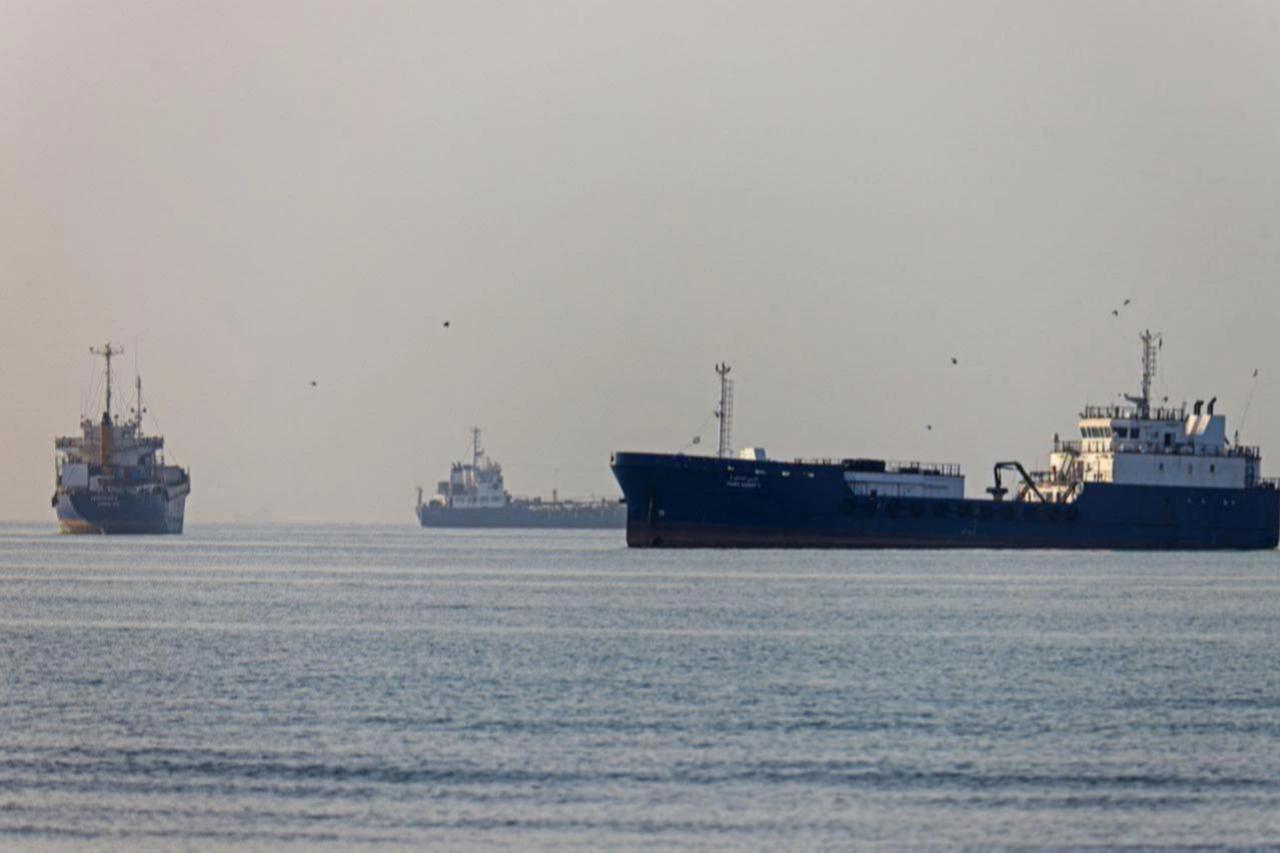


Iran’s Foreign Ministry spokesperson Baqaei slammed the U.S. for disruptions to commercial shipping through the Strait of Hormuz on Sunday, arguing that Washington started the war and is now trying to make the world pay for its consequences.
In a post on X, Baqaei rejected what he described as Washington’s attempt to reverse the narrative over the cause of insecurity in the strategic waterway and the disruption of international commercial shipping.
Baqaei said the Strait of Hormuz had been fully open until Feb. 28, when the United States and Israel launched attacks on Iran.
"The Strait of Hormuz was wide open until 28 February, when the U.S, Israel attacked Iran," Baqaei said. He accused Washington of triggering a wider regional conflict that has disrupted commercial shipping, left tankers halted and pushed energy prices higher.
Baqaei also accused the United States of shifting responsibility for the disruption onto Iran, despite what he described as Washington’s role in creating the insecurity around the strategic waterway.
"The U.S. is now trying to present the world with the bill for a disruption of its own making —and put Iran’s name on it," Baqaei wrote. He further argued that Washington was attempting to recast the economic fallout from the conflict as a consequence of Iran’s actions.
"America started the war but expects the whole world to pay the bill, while portraying Iran as the one that caused this chaos," Baqaei argued, dismissing the portrayal as "utterly preposterous."
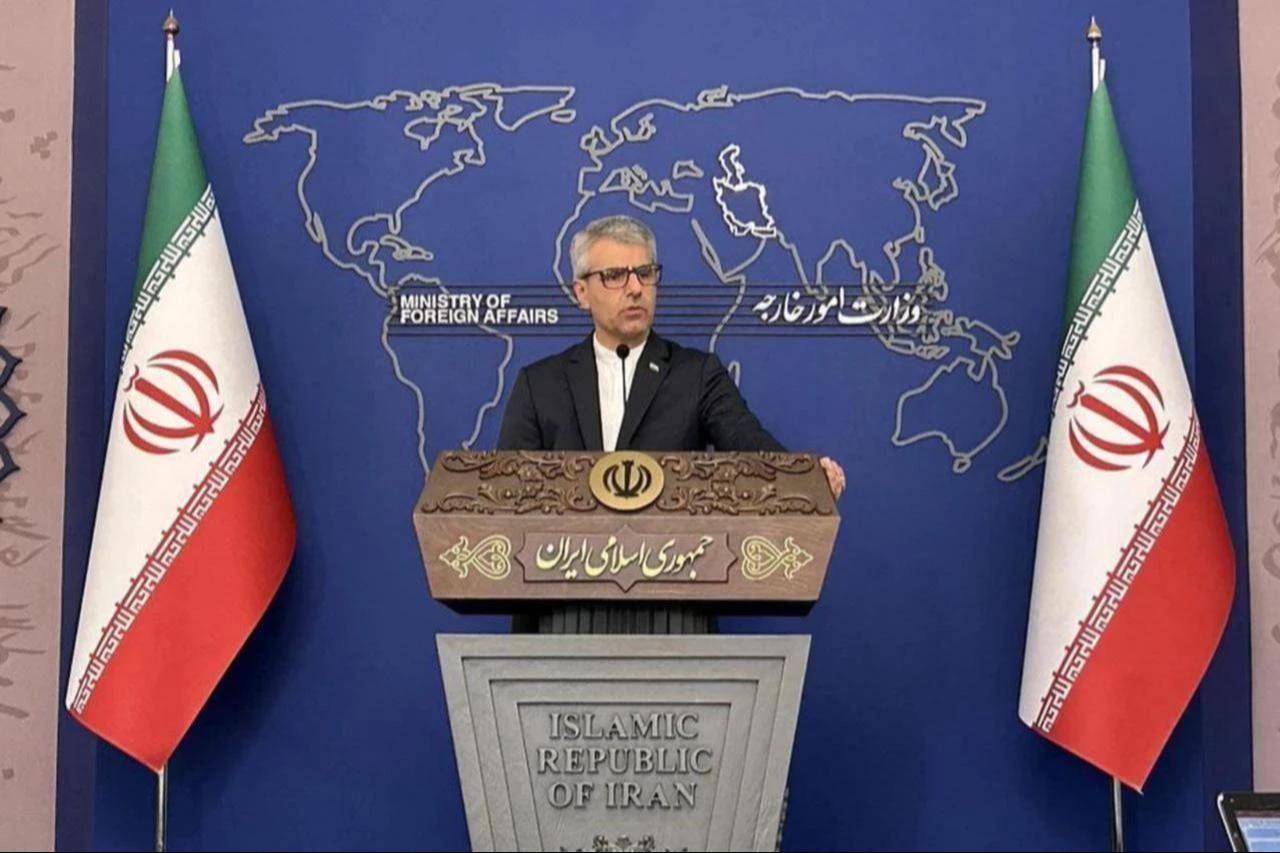

The remarks came as Iran and Oman continued efforts to establish a temporary shipping corridor through the Strait of Hormuz following months of severely reduced commercial traffic.
Iran’s Supreme National Security Council Secretary Mohsen Rezaei said Sunday that Tehran and Muscat would sign an agreement on the new corridor in the coming days, with Iran controlling its entry and exit points.
The planned corridor is intended to provide a controlled route for commercial vessels while the broader dispute over navigation through the Strait of Hormuz remains unresolved.
Rezaei also said Iran would declare a new “restricted” maritime zone near the strait, starting at the line of the U.S. naval blockade and extending into parts of the Gulf. Vessels entering the zone would be placed on an Iranian sanctions list, he said.
Meanwhile, Iran’s top negotiator Mohammad Bagher Ghalibaf warned that Tehran would respond to U.S. attacks more quickly and with greater force following a recent exchange of fire involving American warships and Iranian tankers.
"The Americans must have understood that the era of proportionate responses has come to an end," Ghalibaf said, according to a statement carried by state media. He added that "any aggression against Iran's interests and security will receive a faster, more intense and more painful response."
The new Iran-Oman corridor would allow limited commercial traffic through the waterway but would not restore normal shipping, according to Iranian officials.
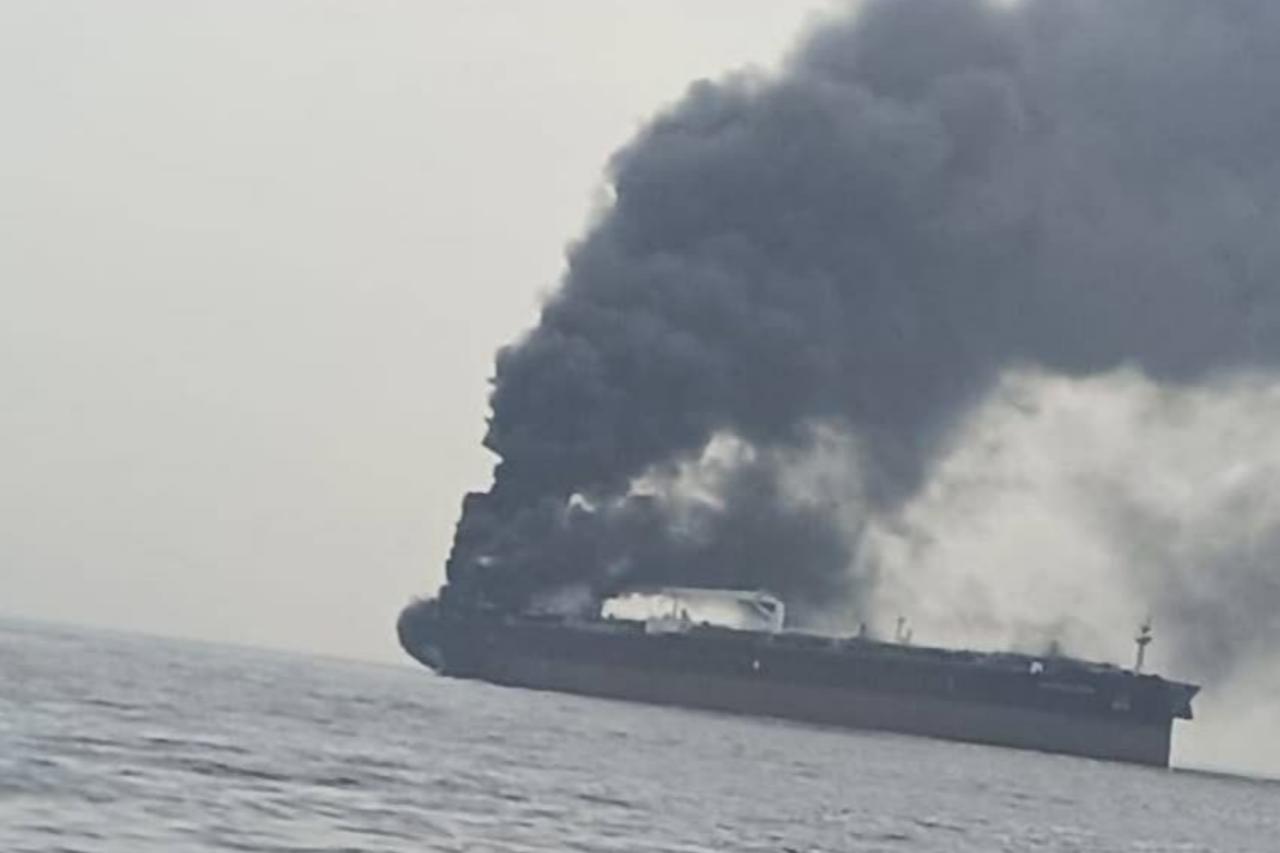
Traffic has fallen to an average of 10 commodity vessels a day over the 10 days through Sept. 6, the lowest level since May. More than 15 vessels crossed on Friday, but just two did so on Saturday after U.S. and Iranian forces exchanged attacks involving commercial tankers.
Iran has also tied any broader restoration of navigation to U.S. actions. Under the June memorandum, Washington was expected to lift its naval blockade while Tehran would facilitate safe commercial shipping, but the deal later stalled over implementation and guarantees.


 Set as preferred source
 Set as preferred source


 1 min read
 1 min read