Newsletters


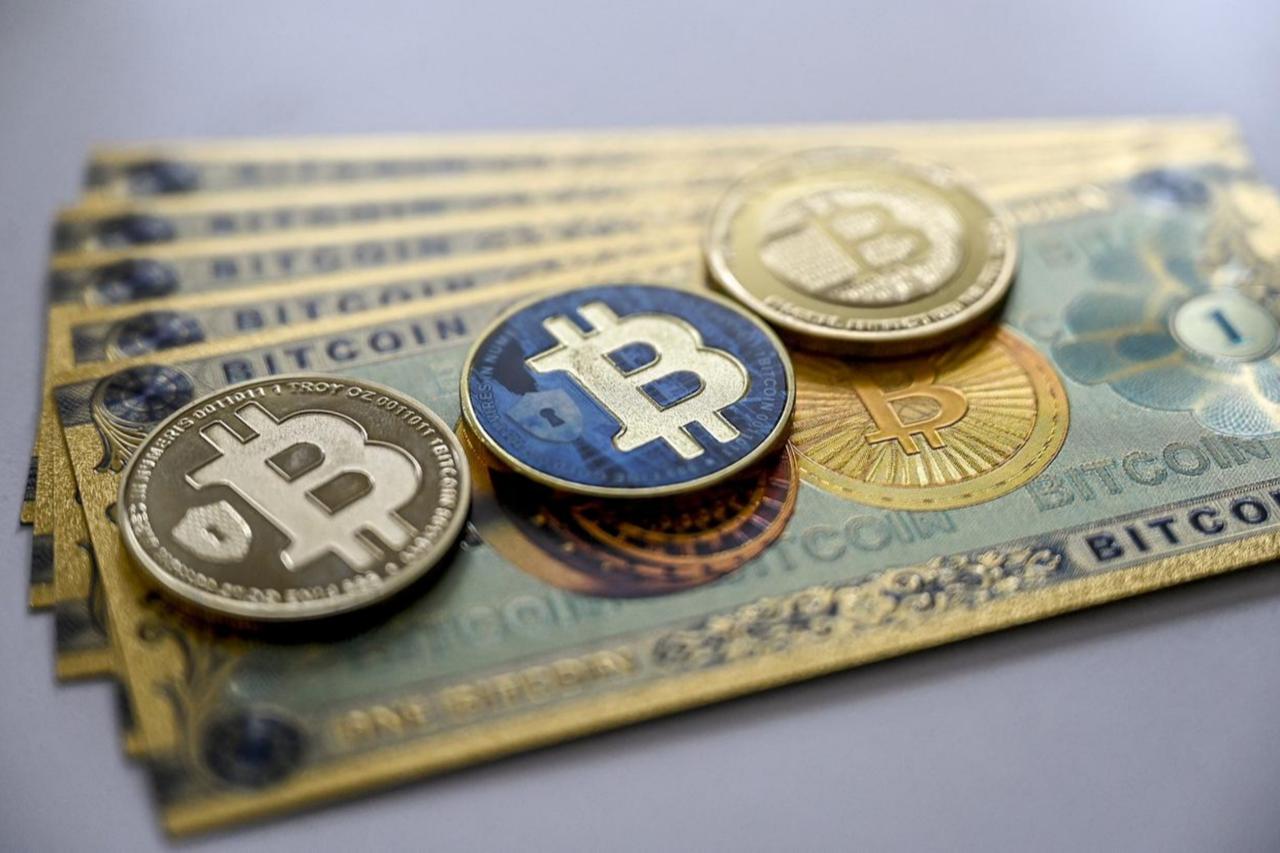


The global cryptocurrency market shed nearly $70 billion on Saturday, falling more than 3% after the United States and Israel carried out military strikes on Iran, as digital assets became the first major instruments to react to the geopolitical shock.
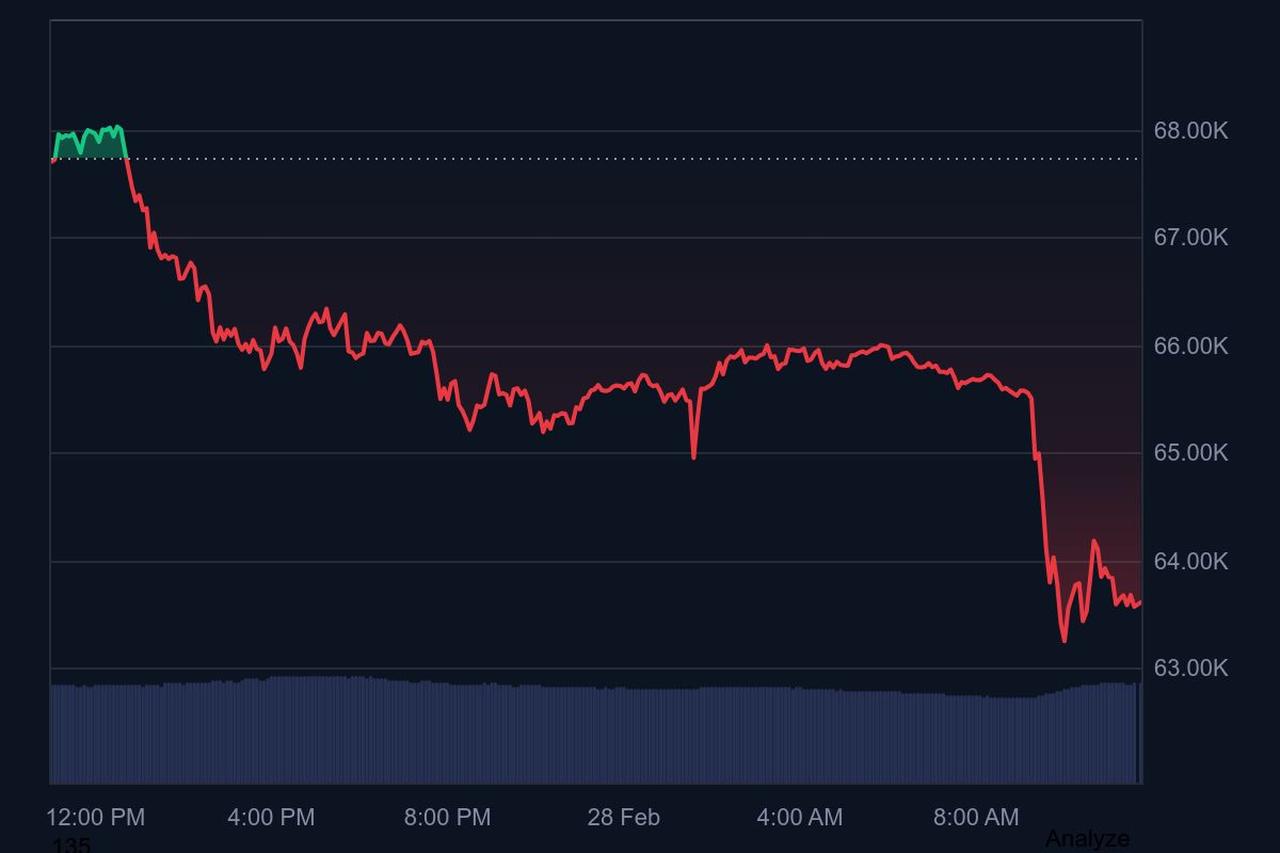
With traditional financial markets closed, crypto bore the brunt of the initial risk-off move. Bitcoin, the largest cryptocurrency by market capitalization, slid toward $63,000, down about 3.5% within hours of the strikes and extending its daily loss to 6.3%.
As a result, losses across the broader market approached 6%, bringing total capitalization down to $2.2 trillion.
Other cryptocurrencies also came under pressure, with Ethereum trading at $1,858.51, down 8.75% on the day, while XRP fell 8.76% and Solana dropped 10.59%.
In contrast, as demand for safe-haven assets picked up, Tether Gold and Pax Gold extended gains beyond 3%, trading at $5,329.05 and $5,397.02, respectively.
Spot gold closed Friday at $5,278.51, up 1.8%, as earlier comments by U.S. President Donald Trump signaled rising tensions between the two sides.

Major U.S. stock indices closed sharply lower on Friday, with the Dow Jones and Nasdaq each losing about 1% and the broader S&P 500 down 0.4%, as investors weighed fears of military strikes on Iran alongside concerns over AI valuations and the latest U.S. producer inflation report.
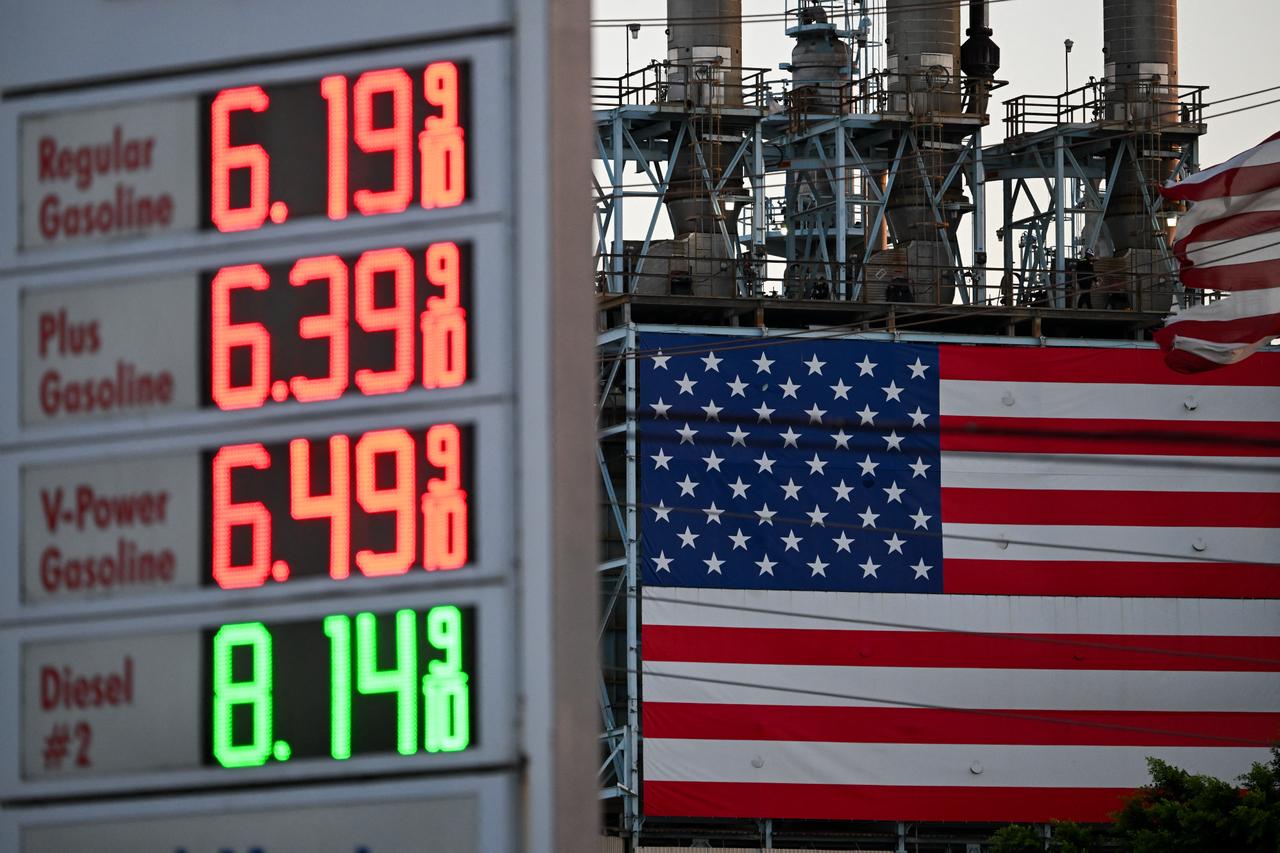
Oil prices, on the other hand, climbed more than 3% at one stage as expectations for a diplomatic breakthrough faded following Thursday’s talks, which had been seen as a last attempt to avert war. U.S. benchmark West Texas Intermediate closed 2.8% higher at $67.02 per barrel, marking its highest level in seven months and lifting its year-to-date gain to about 13%.
Fresh volatility is expected when markets reopen, as a "war premium" gets priced in. The Strait of Hormuz, which handles about 20% of global oil supply, is now viewed as a conflict zone, raising the risk of further swings.


 Set as preferred source
 Set as preferred source


 1 min read

 1 min read