Newsletters


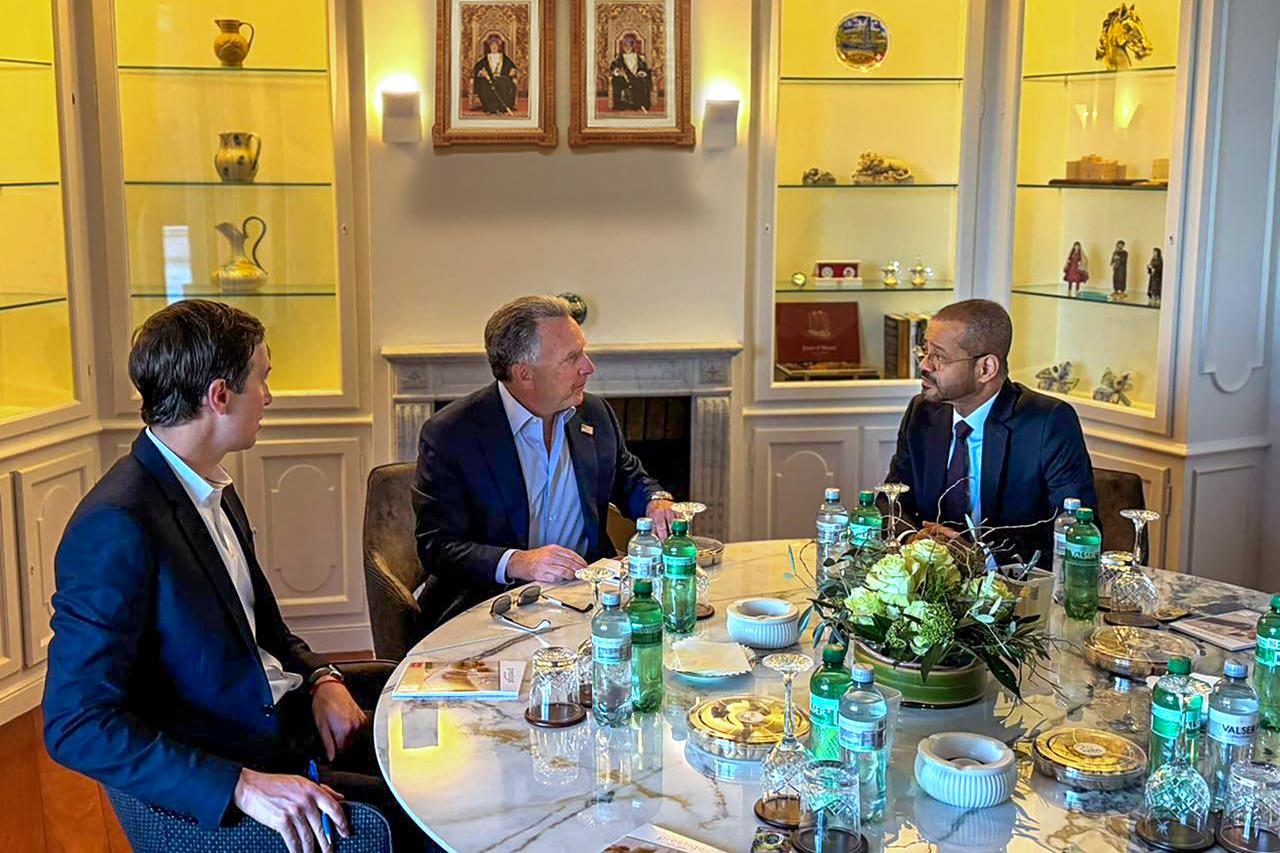


The U.S. and Iran held indirect talks in Geneva on Thursday over Tehran’s nuclear program, in negotiations described as a crucial opportunity to avoid military confrontation.
U.S. special envoy Steve Witkoff and Jared Kushner entered the talks under pressure from administration hawks and Republican lawmakers not to agree to a deal seen as too lenient.
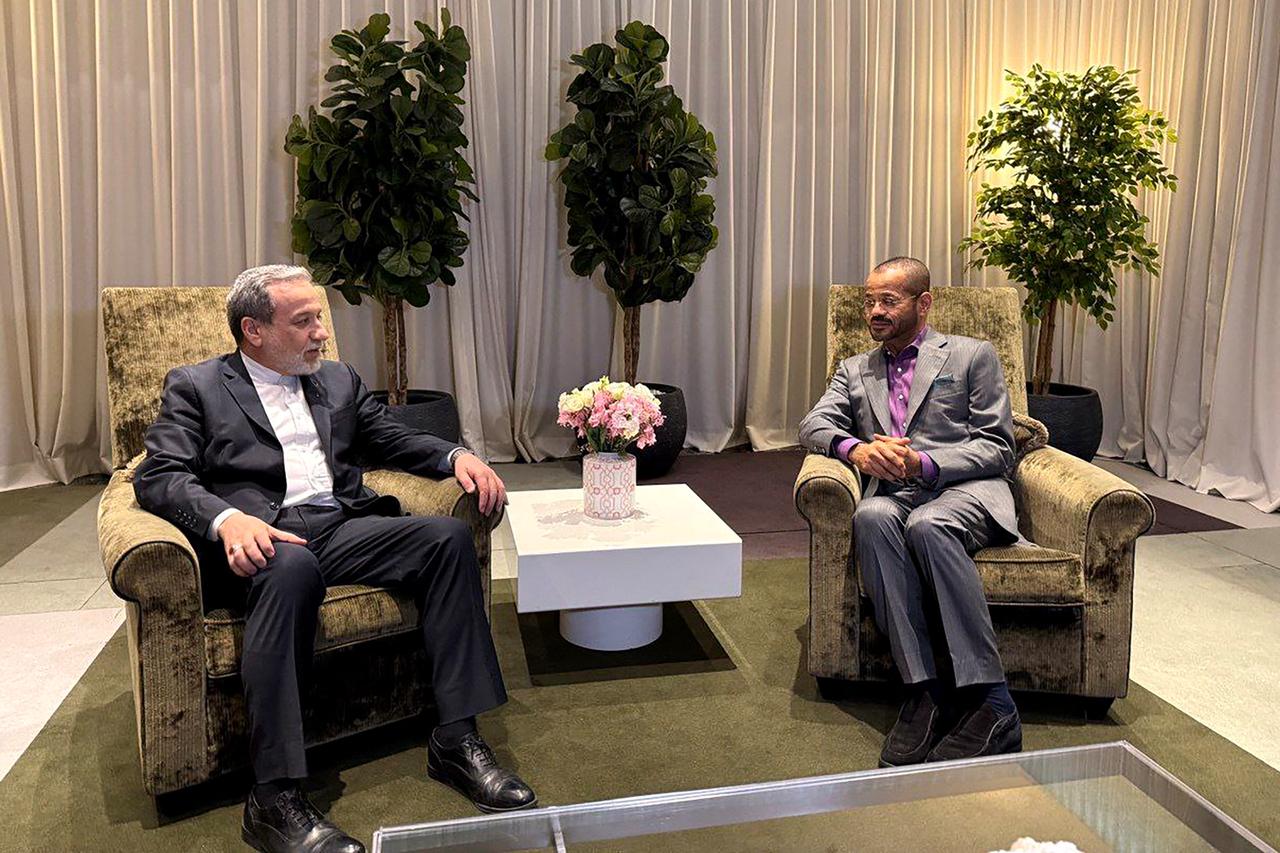
The discussions were conducted indirectly, with Witkoff passing messages to Iranian Foreign Minister Abbas Araghchi.
The talks lasted around three hours before the American delegation left the site, with Iranian state television reporting that negotiations would resume after a break.
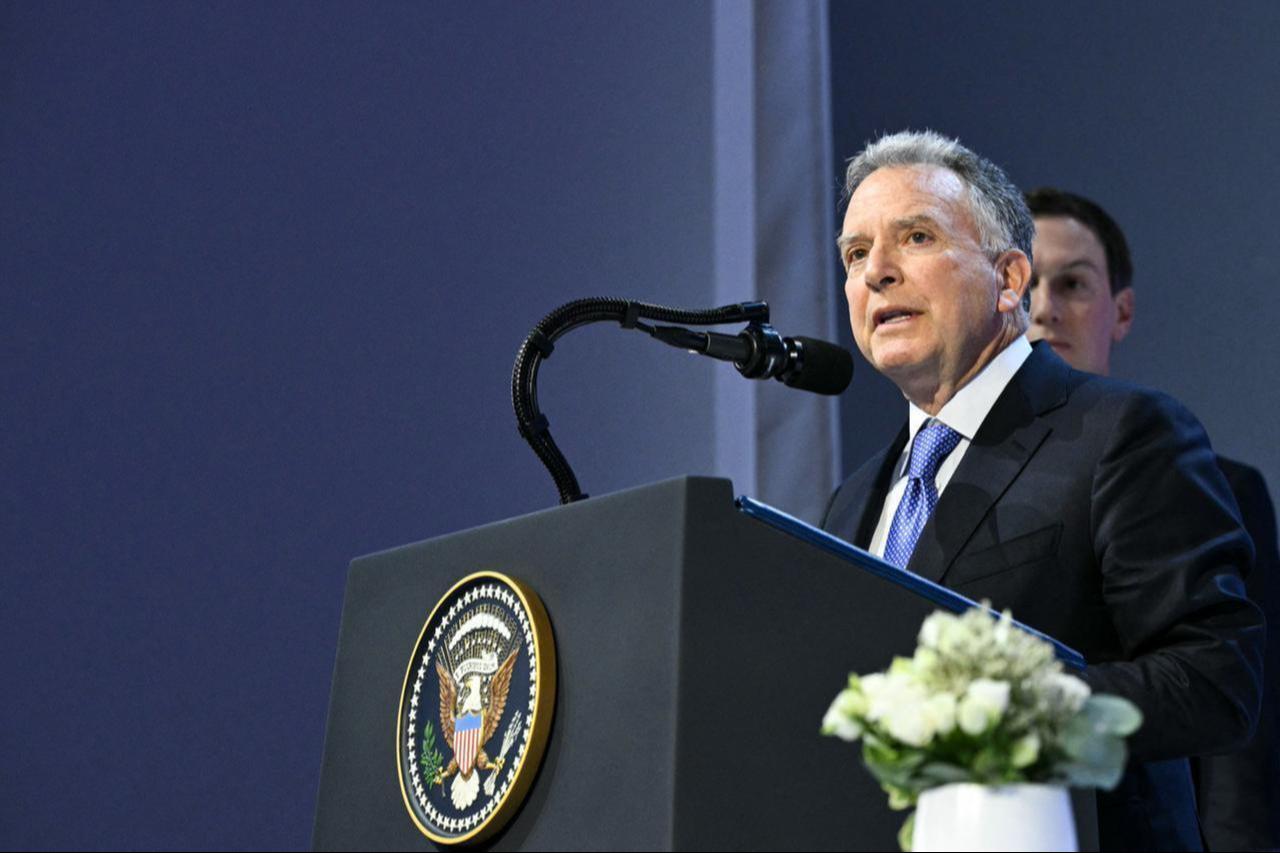

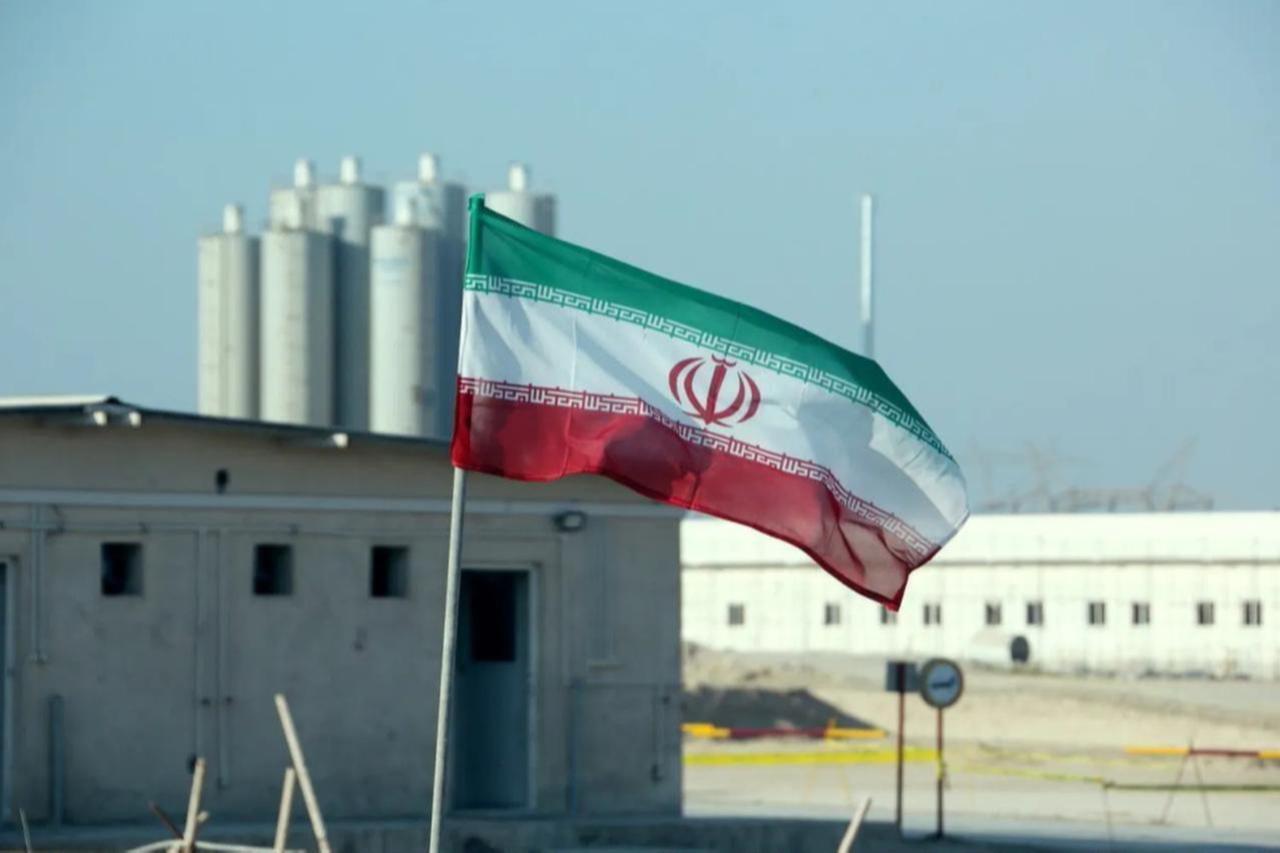
U.S. negotiators were expected to insist that Iran dismantle its three main nuclear sites at Fordow, Natanz, and Isfahan and transfer all remaining enriched uranium to the U.S., officials said.
Washington is also seeking a deal with no expiration clauses, unlike the 2015 Joint Comprehensive Plan of Action (JCPOA) negotiated under former President Barack Obama, which included sunset provisions. President Donald Trump withdrew from that agreement during his first term and reimposed sanctions on Iran.
In his State of the Union address, Trump warned that Iran continues to pursue nuclear weapons and ballistic missiles capable of reaching the U.S., allegations Tehran denies.
The U.S. has massed military assets near Iran, including two aircraft carriers, advanced warplanes, destroyers, and missile defense systems. Trump has threatened military action if no agreement is reached. Iran has warned that any attack would trigger a full-scale response.
Iran insists on its right to enrich uranium but has floated proposals aimed at easing tensions, including reducing enrichment levels from up to 60% to as low as 1.5%, pausing enrichment for several years, or processing enrichment through an Arab-Iranian consortium based in Iran.
U.S. Secretary of State Marco Rubio said Wednesday that Iran is currently not enriching uranium, noting that its two main enrichment facilities were severely damaged by Israeli and U.S. strikes during a 12-day war last June.
Washington is demanding zero enrichment but may consider allowing Iran to restart a Tehran-based reactor capable of processing very low-level enrichment for medical purposes, according to U.S. officials.
Some Republican lawmakers oppose even limited enrichment. Sen. Lindsey Graham said Wednesday that allowing Iran small-scale enrichment for “face-saving purposes” should be rejected.
The U.S. is offering limited sanctions relief as part of a potential deal, while Iran seeks broader relief for its struggling economy. U.S. officials said further sanctions easing could be considered over time if Iran complies with the agreement.
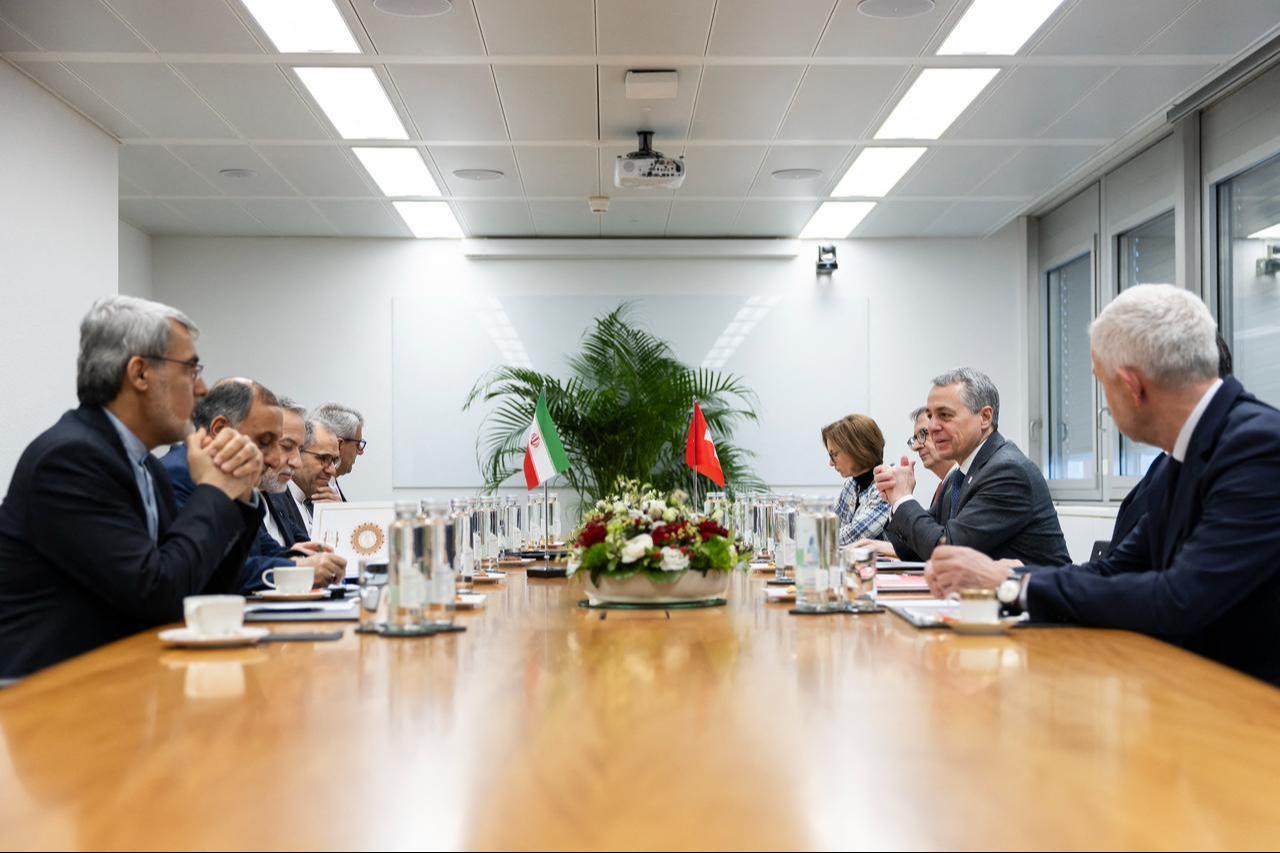
Although the Geneva talks focus primarily on Iran’s nuclear program, Washington has also raised concerns about Tehran’s ballistic missile development and support for regional proxies.
Senior U.S. officials have warned that Iran is seeking longer-range missile capabilities. Rubio said Iran’s refusal to discuss ballistic missiles presents “a big, big problem.”
Some officials suggest that missile and militia issues could be addressed by U.S. regional partners with American input, while others argue for a broader agreement covering nuclear activities, missiles and regional actions.
The talks are seen by some analysts as a potential last opportunity for diplomacy before the risk of military escalation increases.


 Set as preferred source
 Set as preferred source


 1 min read
 1 min read