Newsletters


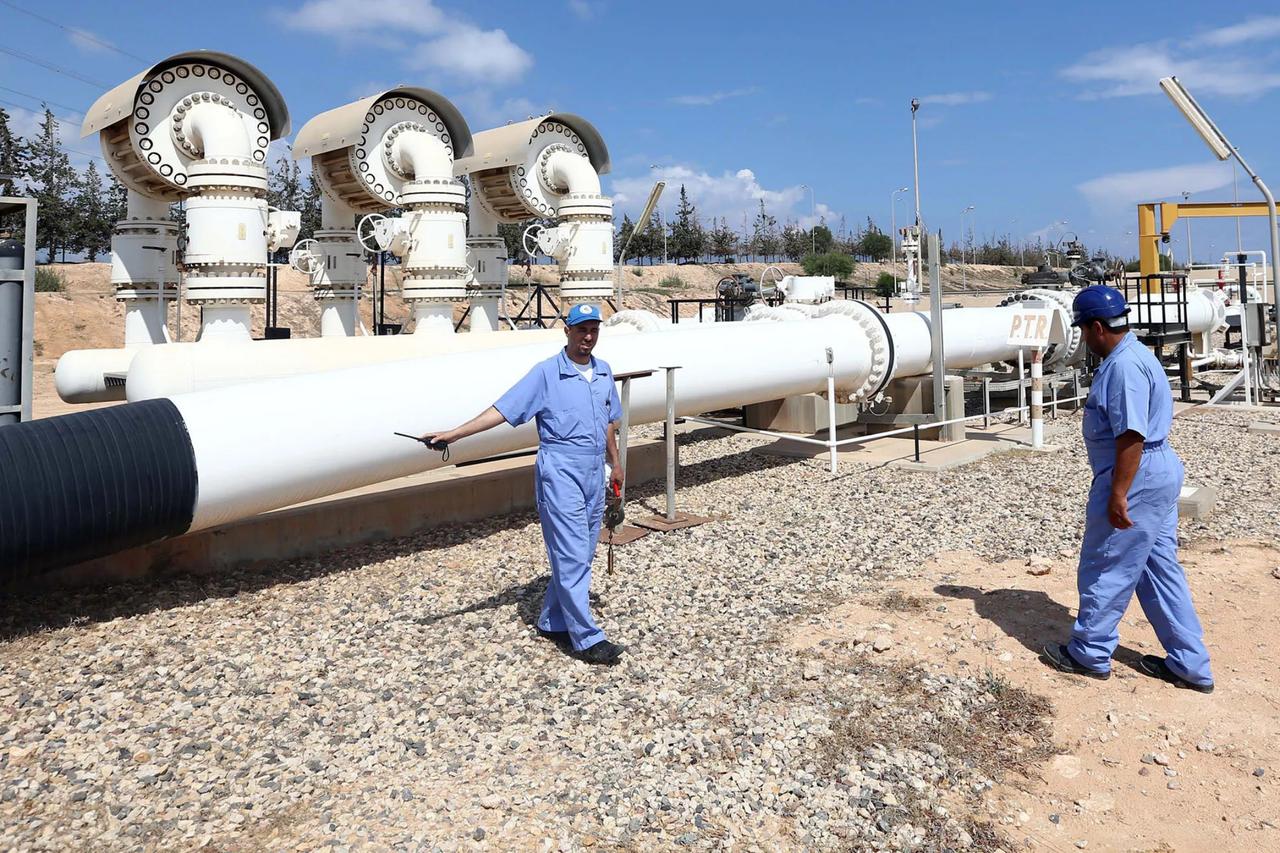


Libya’s state-run National Oil Corporation said Saturday that an armed group’s closure of a valve on the Sharara crude pipeline is disrupting operations at the country’s largest operating refinery, forcing one unit at the Zawiya facility to shut down as crude supplies run short.
The group, along with personnel from the Petroleum Facilities Guard and the Western Military Region, continues to keep Valve No. 7 on the Sharara-Zawiya pipeline closed, the company said.
The move comes amid protests and broader factional demands involving Petroleum Facilities Guard personnel, though the NOC has not identified a specific demand as the direct cause of the closure.
The closure cut crude flows from the Sharara oil field to Zawiya and forced one refinery unit to shut down completely.
The NOC was working to arrange crude shipments from the Milite or Sidre ports to cover the shortfall.
The valve was closed on Sept. 21, sharply reducing output at Sharara. The NOC was unable to restore flows, while technical teams faced difficulties accessing the affected area.
The disruption followed the closure of the Zawiya refinery’s main gate earlier in the week by Petroleum Facilities Guard personnel.
The NOC warned that the blockade posed operational and security risks and could paralyze activity at the complex.
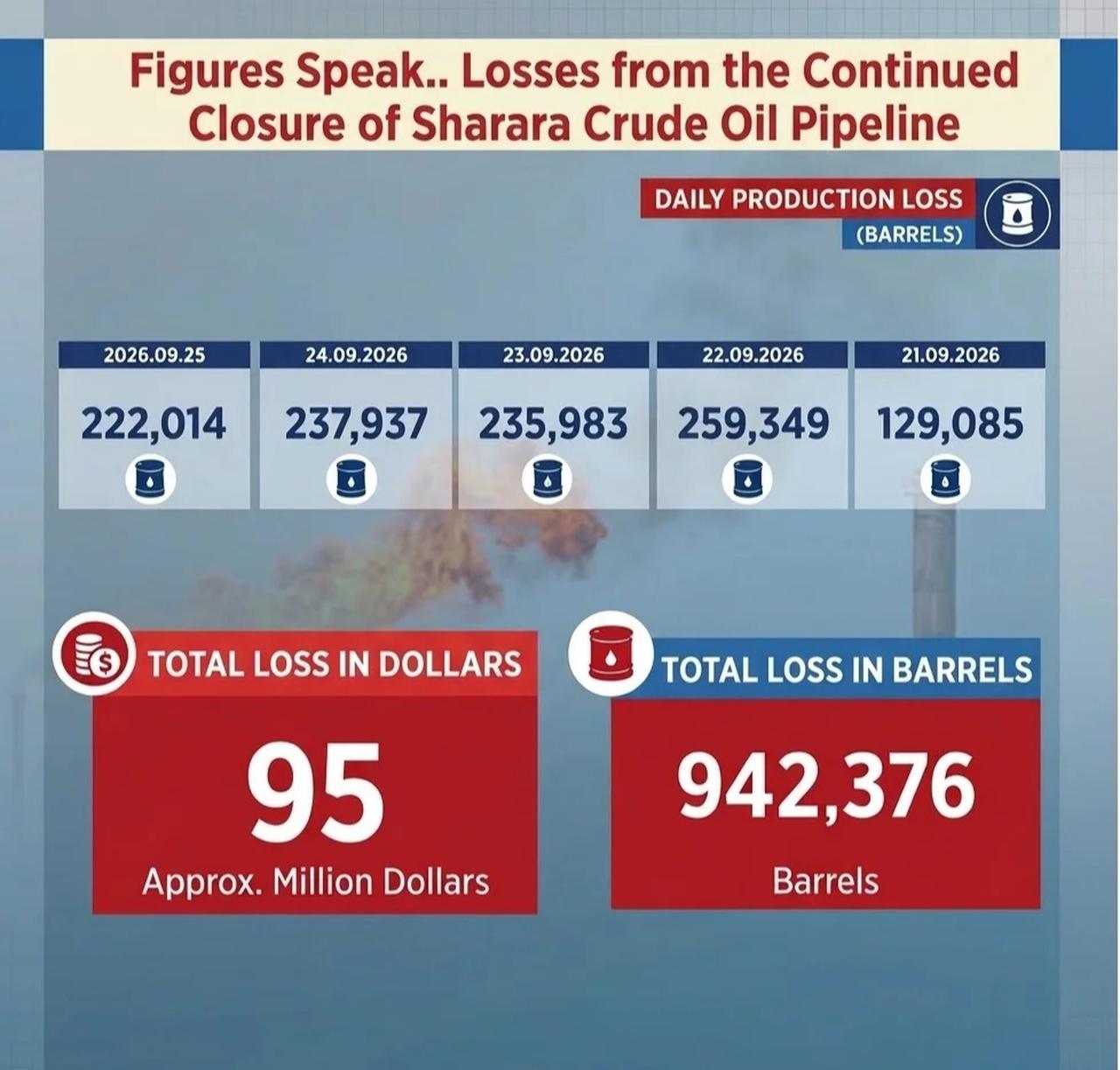

The shutdown had cut Sharara production by 942,376 barrels as of Sept. 25, according to the NOC. The cumulative production loss was valued at approximately $95 million.
The NOC warned that losses would continue to mount if the valve remained closed. It also expected the refinery’s disruption to deepen as crude stocks ran down, potentially forcing additional units to shut in succession.
Located about 40 kilometers (24.8 miles) west of Tripoli, the Zawiya refinery has a crude-processing capacity of 120,000 barrels per day, making it Libya’s largest operating refinery.
It is supplied by the Sharara oil field and produces petrol, diesel, jet fuel and LPG for the domestic market.
The refinery has faced other disruptions this year. Fighting near the facility forced a temporary shutdown in May, while drone strikes in August raised further concerns over the security of the site and Libya’s fuel supplies.


 Set as preferred source
 Set as preferred source


 1 min read
 1 min read