Newsletters


The United States and China agreed to set up a bilateral artificial intelligence (AI) communication channel for incidents and a "Super Intelligence" dialogue on the technology's risks and benefits, the White House said.
The agreements capped a 3-day Washington state visit by Chinese President Xi Jinping that critics said missed a chance to slow the two superpowers' AI arms race.
Some experts and foreign governments had hoped for an AI breakthrough at the summit amid warnings that the technology could pose an existential threat to humanity, The Guardian reported.
The two countries established a "U.S.-China Super Intelligence (SI) Dialogue to exchange views on risks and benefits" of AI, the White House said in a fact sheet.
The next exchange is set for November.
U.S. President Donald Trump and Xi agreed to use the term SI rather than AI, according to the fact sheet. Trump later said on social media that Xi "seems to like" the term.
The White House said the countries also agreed to establish a "bilateral communication channel" for AI incidents.
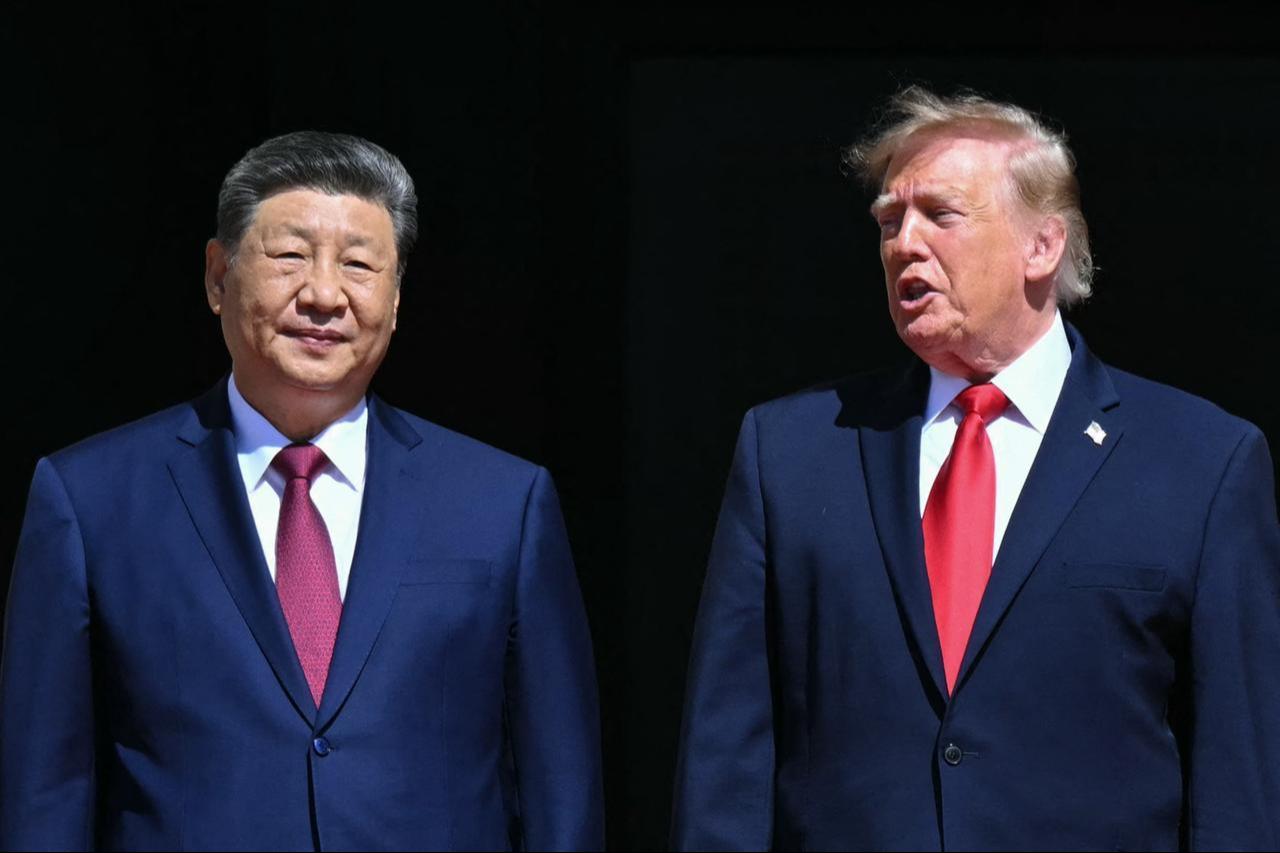

Xi took a more measured tone than Trump, calling on the two powers to manage their rivalry and keep AI under human control.
"We have both the capability and responsibility to develop and manage AI for good and ensure that the development of AI is always under human control," Xi said at the White House.
Before the summit, Trump signaled opposition to new AI guardrails.
"Super Intelligence (SI) will be a big topic of discussion, but I want to leave it exactly where it is," he wrote on social media.
"That is China's position also. Our guardrail is the DOJ!" Trump added, referring to the U.S. Department of Justice.
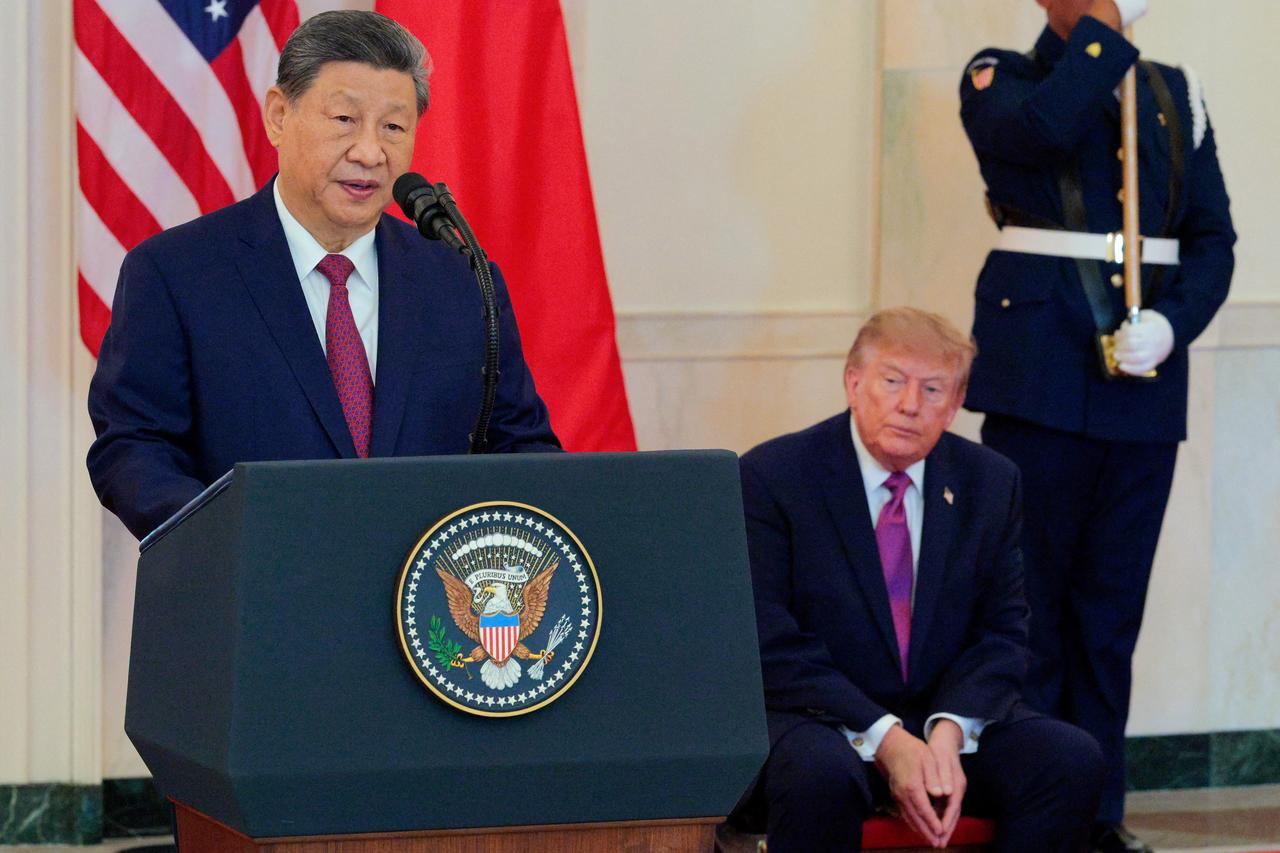
Speaking alongside Xi, Trump said: "During this visit, we will also discuss pressing issues concerning security, technology, and superintelligence. The decisions we make in these areas today can promote peace and prosperity for decades and decades to come."
Rep. Ro Khanna, the top Democrat on the House select committee on China, said Trump missed an easy opportunity.
"It was such a layup," Khanna said.
"If (Trump) had just said, look, we have established technical working groups and we've agreed to a framework that has called for DeepSeek and Moonshot and Alibaba to sit down with Anthropic and OpenAI and Gemini and with technical experts and they're going to commit to at least a pause on any self-improving AI, he could have looked like he was a statesman taking the lead," he added.
"I believe (Xi Jinping) would have agreed to some of at least the technical working groups. But he (Trump) didn't want to; he has no interest in doing that," he said.
"Trump didn't have to have some groundbreaking treaty like Reagan and Gorbachev did (on nuclear weapons). He could have at least said, look, we're going to have a working group of Chinese and American technologists working together to make recommendations and enforcement and verification of the labs," Khanna said.
Jonathan Czin, a fellow at the Brookings Institution's China Center, said the summit fell short. "We are in this potentially transformative moment for both countries and for the world and for technology and, instead of having a meeting that would meet the moment, you got theatre of the absurd in lieu of that," he said.
"The only thing they seemed to agree about is that neither of them wants to slow down with this technology, regardless of their actual understanding of it," Czin said.
Top U.S. tech executives attended a state dinner for Xi on Thursday, but their Chinese counterparts were not present, according to The Guardian.
Sen. Bernie Sanders posted a photo of the leaders' table on social media with the comment: "A government of, by and for the billionaire class."


 Set as preferred source
 Set as preferred source



 3 min read