Newsletters


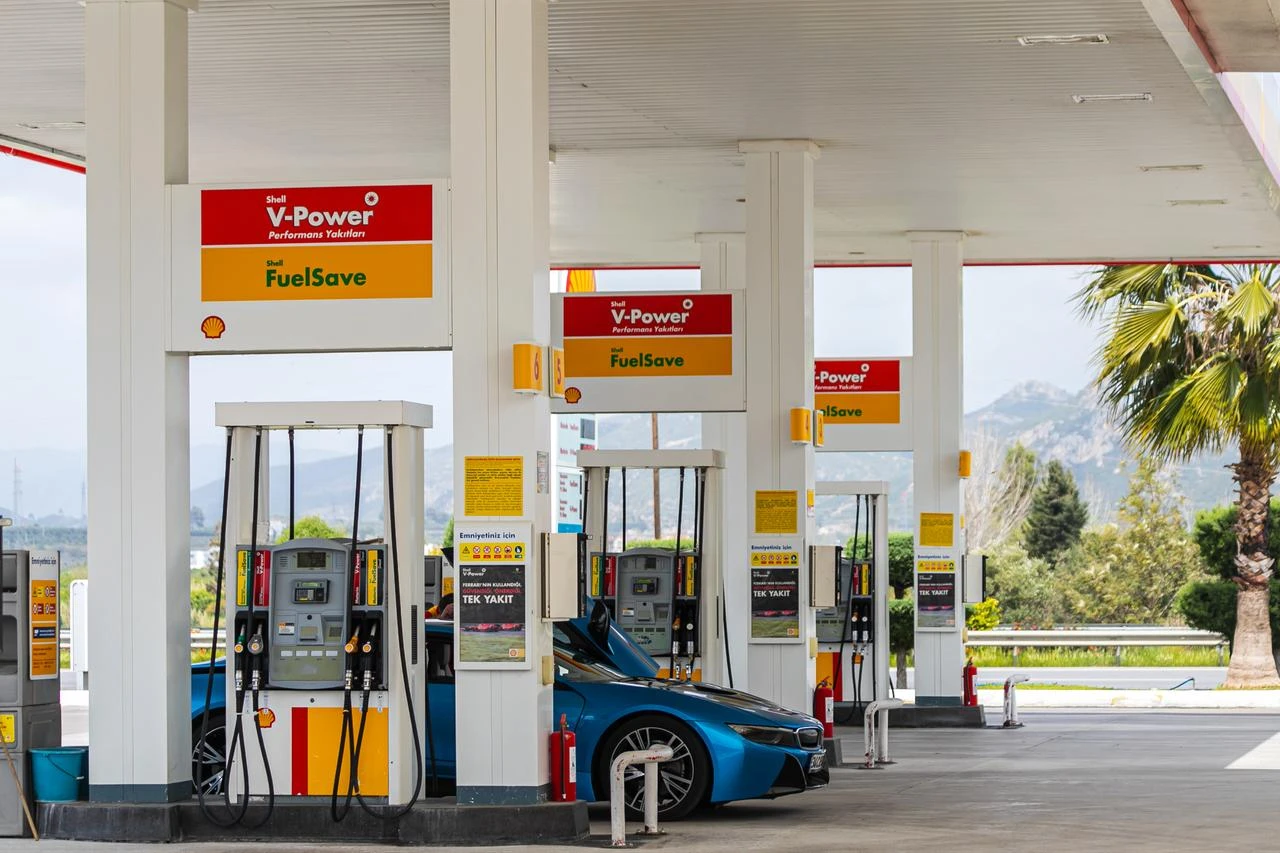
Asian equity markets moved higher on Wednesday while oil prices stabilized after reports that the International Energy Agency (IEA) was considering releasing a record volume of strategic reserves to ease surging energy prices.
Crude benchmarks fell sharply earlier in the session before trimming losses. Brent crude dropped about 5% at its intraday low to around $84 per barrel, while U.S. West Texas Intermediate (WTI) touched $81.8. Prices later recovered part of those losses, with WTI rising to $84.5 and Brent reaching $85.3 as of 06:15 GMT.
Investors remained cautious as the geopolitical crisis that disrupted energy markets shows little sign of ending, despite comments from U.S. President Donald Trump aimed at calming concerns.
Stock markets across Asia responded positively to the initial drop in oil prices.
Japan’s Nikkei 225 and South Korea’s Kospi both climbed more than 2% before reducing gains as crude prices rebounded slightly. China’s Shanghai Composite edged up 0.2%, while Hong Kong’s Hang Seng index traded largely unchanged.
In the United States, futures linked to the S&P 500 rose around 0.2% after the benchmark index posted mild losses a day earlier. Meanwhile, futures tied to the pan-European Stoxx 600 slipped 0.3%.


Energy markets have been highly volatile since the United States and Israel launched strikes on Iran late last month. Tehran responded by targeting sites across the Gulf region and effectively shutting down the Strait of Hormuz, a key global oil transit route.
Fears that the conflict could disrupt supply for an extended period pushed oil prices close to $120 per barrel earlier this week, their highest level since 2022. European natural gas prices also surged, with contracts at the Dutch TTF hub climbing above €60 ($69.82) per megawatt hour.
A report by The Wall Street Journal said the IEA discussed releasing emergency reserves exceeding the 182 million barrels that member countries deployed after Russia’s 2022 invasion of Ukraine. The proposal was reportedly circulated during an emergency meeting of officials from the agency’s 32 member states on Tuesday, with a decision expected Wednesday.

Some stabilization in oil prices eased pressure on financial markets and helped the U.S. dollar steady as concerns about an immediate energy shock moderated.
Gold rose 0.2% to trade above $5,200 per ounce, while silver hovered around $88. Palladium gained 0.3% to $1,640, and platinum slipped 0.8% to $2,175.
In cryptocurrency markets, Bitcoin gave back part of its previous session’s gains and fell below the $70,000 level, while the broader crypto market remained mostly flat.
Investors are also watching for U.S. inflation data due later Wednesday, which could shape expectations for monetary policy and influence market sentiment.


 Set as preferred source
 Set as preferred source


 1 min read

 1 min read