Newsletters


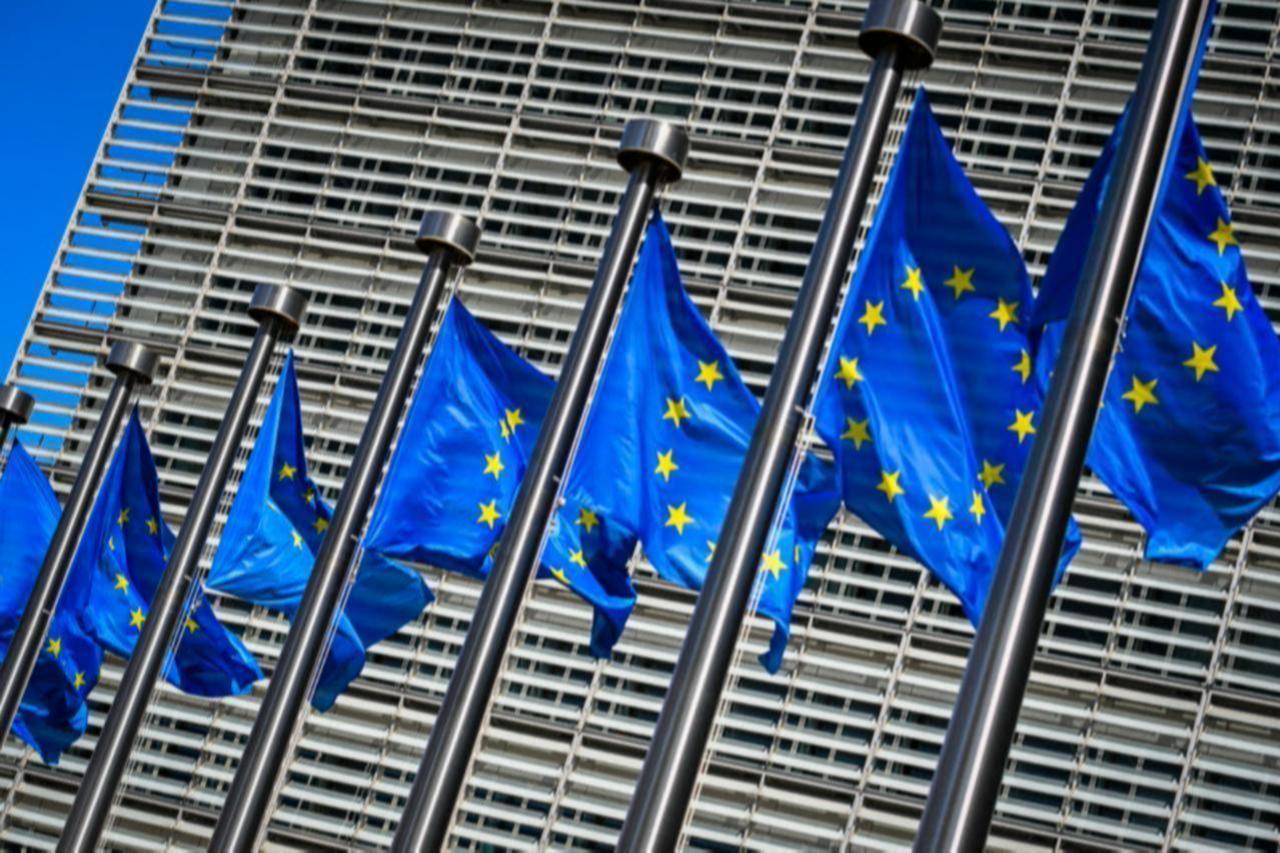


The European Union's energy commissioner has called on member states to reduce taxes on energy, particularly electricity, as the war between the United States, Israel and Iran continues to roil global oil and gas markets and squeeze households and businesses across the bloc.
Dan Jorgensen made the appeal at a press conference in the EU Parliament in Strasbourg, where the European Commission unveiled a package of recommendations aimed at bringing down energy costs for consumers and companies alike. "If you are at all able to lower taxes on energy, especially on electricity, there is a huge potential" to reduce bills, Jorgensen told reporters.
The urgency behind Brussels' push stems in large part from the escalating conflict in the Middle East. US-Israeli strikes on Iran and Tehran's retaliatory attacks across the Gulf region have upended global energy and transport sectors, with activity in the Strait of Hormuz, one of the world's most critical shipping chokepoints, virtually grinding to a halt. Roughly a fifth of the world's crude oil supply and a significant volume of natural gas normally transit the narrow waterway.
The disruption has sent oil and gas prices surging, compounding a longstanding grievance among European businesses and consumers over high energy costs. Companies across the continent have argued for years that elevated prices put them at a competitive disadvantage relative to rivals in Asia and North America.
According to the Commission, electricity taxes and levies currently account for about 25 percent of household energy bills and around 15 percent of business energy costs across the 27-member bloc on average. Reducing those levies could save a typical household approximately 200 euros annually, Brussels estimated.
Jorgensen was careful to frame the proposed relief as a short-term fix rather than a structural overhaul. "It needs to be temporary and targeted measures, so we're not talking about changing fundamentally the structure of price setting," he said. The Commission noted that lowering taxation had proved an effective tool for containing bills during previous energy crises.
Beyond tax relief, the Commission's recommendations addressed the retail energy market more broadly. Member states were urged to ensure that energy suppliers offer customers tailored "best tariff advice" based on individual usage patterns.
The package also called for the removal of unnecessary technical barriers to switching providers and for improvements in the transparency and comparability of supply offers, measures designed to inject greater competition into markets that consumers have long found difficult to navigate.


 Set as preferred source
 Set as preferred source


 1 min read
 1 min read