Newsletters


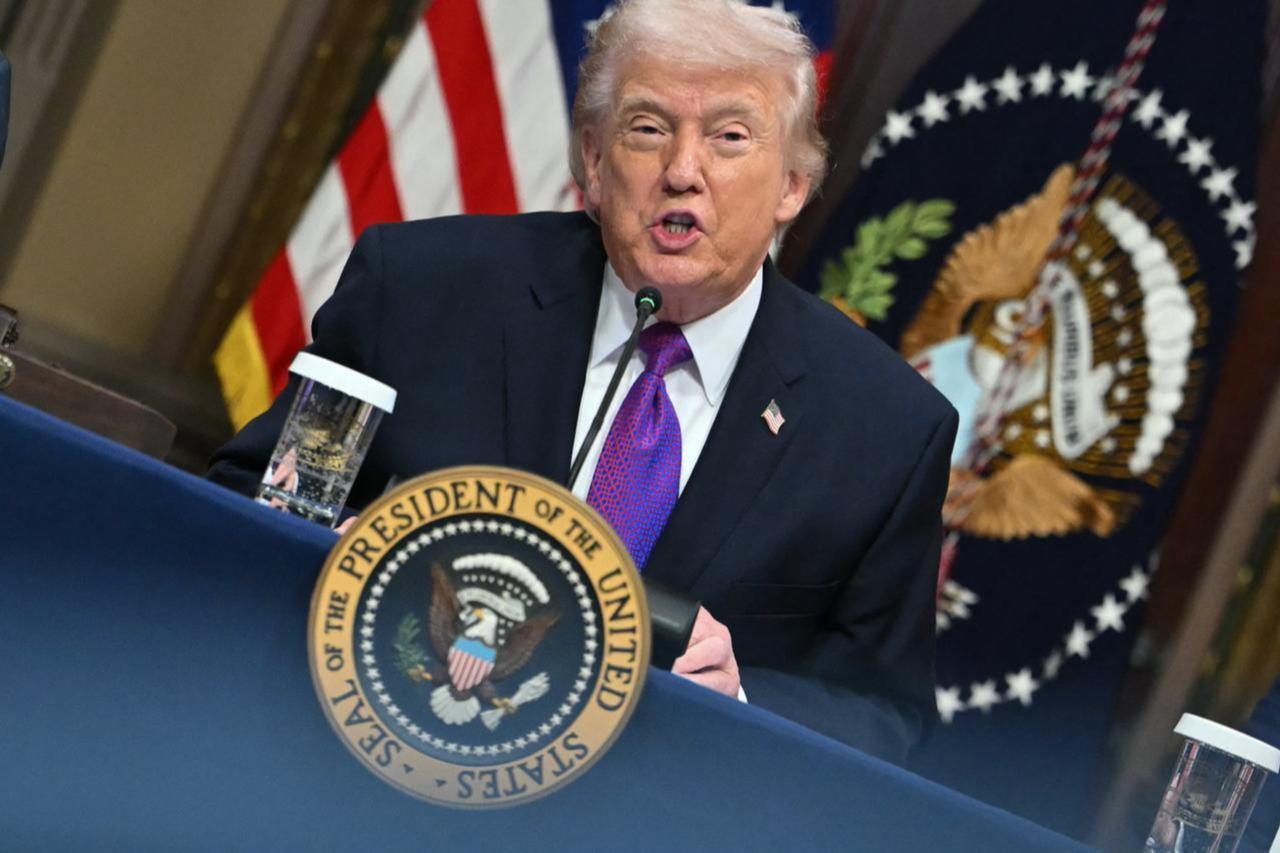


US President Donald Trump issued back-to-back warnings to Iran over the Strait of Hormuz, demanding the immediate removal of any naval mines placed in the waterway and threatening consequences that would render the country unable to rebuild, as US intelligence detected small Iranian craft moving mines into the world's most critical energy chokepoint.
In a post published roughly 19 hours before his message, Trump warned that any Iranian action blocking oil flow through the strait would be met with force "twenty times harder" than previous strikes.
Trump subsequently claimed a direct strike on the mine-laying capability, posting on Truth Social that US forces had "hit, and completely destroyed, 10 inactive mine laying boats and/or ships, with more to follow," though his use of the word "inactive" left unclear whether the vessels were operational at the time of the strikes or had already been neutralized.
"We will take out easily destroyable targets that will make it virtually impossible for Iran to ever be built back, as a Nation, again," Trump wrote, describing the potential response as "Death, Fire, and Fury." He framed the warning as a "gift" to China and other nations dependent on the waterway.
His follow-up post addressed the mine threat directly, stating, "If Iran has put out any mines in the Hormuz Strait, and we have no reports of them doing so, we want them removed, IMMEDIATELY!" Trump added that failure to comply would bring "Military consequences to Iran will be at a level never seen before."
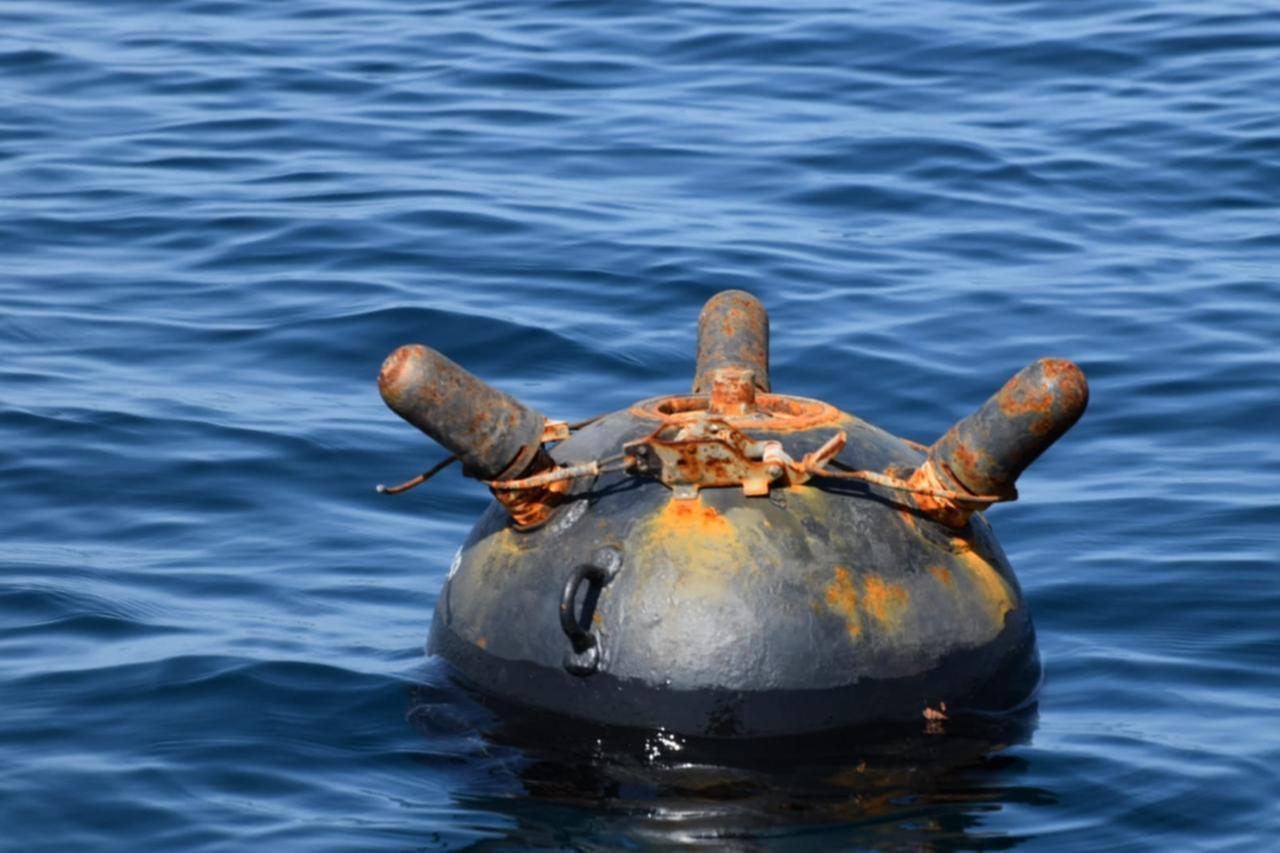
The warnings came as US intelligence identified small Iranian vessels capable of carrying two to three mines each moving into the strait's shipping lanes, according to CBS News, citing reporting by Jim LaPorta.

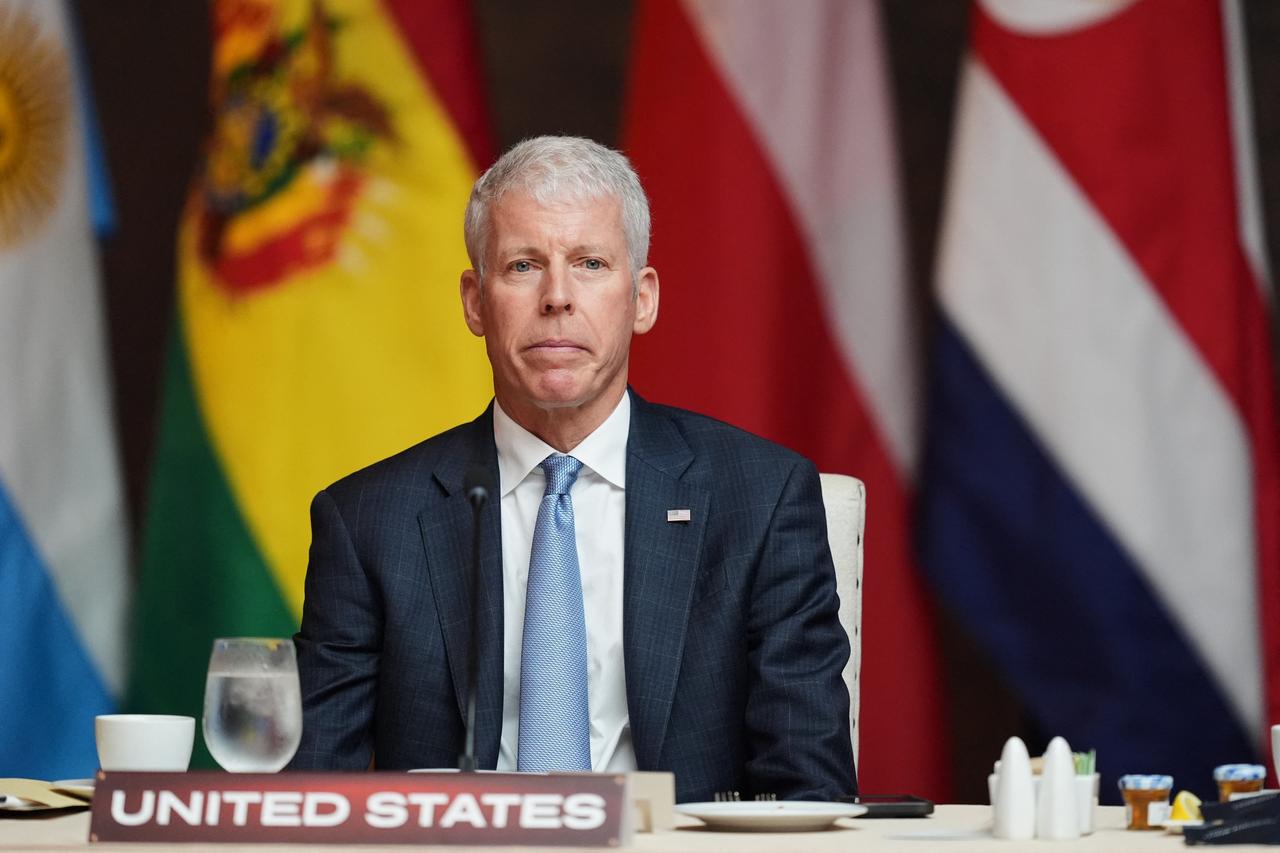
The mine intelligence surfaced on the same day the administration suffered an embarrassing public stumble over its messaging on the strait. US Energy Secretary Chris Wright posted that the Navy had successfully escorted an oil tanker through the Hormuz to ensure continued global oil flow, crediting Trump with maintaining energy stability during military operations.
The claim unraveled within hours. A senior source in the IRGC's naval force told Iranian outlet Iran Now that Wright's statement had "no basis in truth" and that no US-escorted vessel had transited the strait. The source characterized the announcement as part of a "media war and attempts to mislead public opinion," adding that the waterway remains under constant Iranian surveillance.
Wright deleted the post without explanation. White House Press Secretary Karoline Leavitt then confirmed that no escort had taken place, saying the Navy "has not escorted a tanker or vessel at this time," though she noted it remained an option the president would use "if and when necessary."
The reported mine deployment marks a potentially pivotal shift in Iran's strategy. Unlike the missiles and drones that have struck multiple vessels since Operation Epic Fury began on Feb. 28, mines are concealed, inexpensive, and disproportionately disruptive. Even the suspicion of a minefield can halt commercial shipping indefinitely, as a single device beneath a supertanker could trigger a catastrophic explosion and environmental disaster in the narrow waterway.
Iran's total mine stockpile is not publicly known, but estimates over the years have ranged from roughly 2,000 to 6,000 devices of Iranian, Chinese, and Russian-made variants. Defense analysts have noted that Iran's approach does not depend on building a perfect minefield but rather on generating doubt, using mines alongside drones, fast boats, and coastal missiles to create what one assessment described as "sustained friction" designed to keep the strait unusable for as long as Tehran chooses.
The historical record underscores the risk. During the Iran-Iraq War in 1988, Iran laid approximately 150 mines in the strait. A single World War I-era device struck the USS Samuel B. Roberts and nearly sank the frigate, triggering a major US retaliatory operation that destroyed several Iranian warships. Naval mines have accounted for 77 percent of US ship casualties since 1950, according to research by the Strauss Center at the University of Texas.
General Dan Caine, chairman of the Joint Chiefs of Staff, said US Central Command continues to target mine-laying vessels and storage facilities and that the military had sunk or destroyed more than 50 Iranian naval ships in the first 10 days of the campaign.


 Set as preferred source
 Set as preferred source


 2 min read

 1 min read