Newsletters


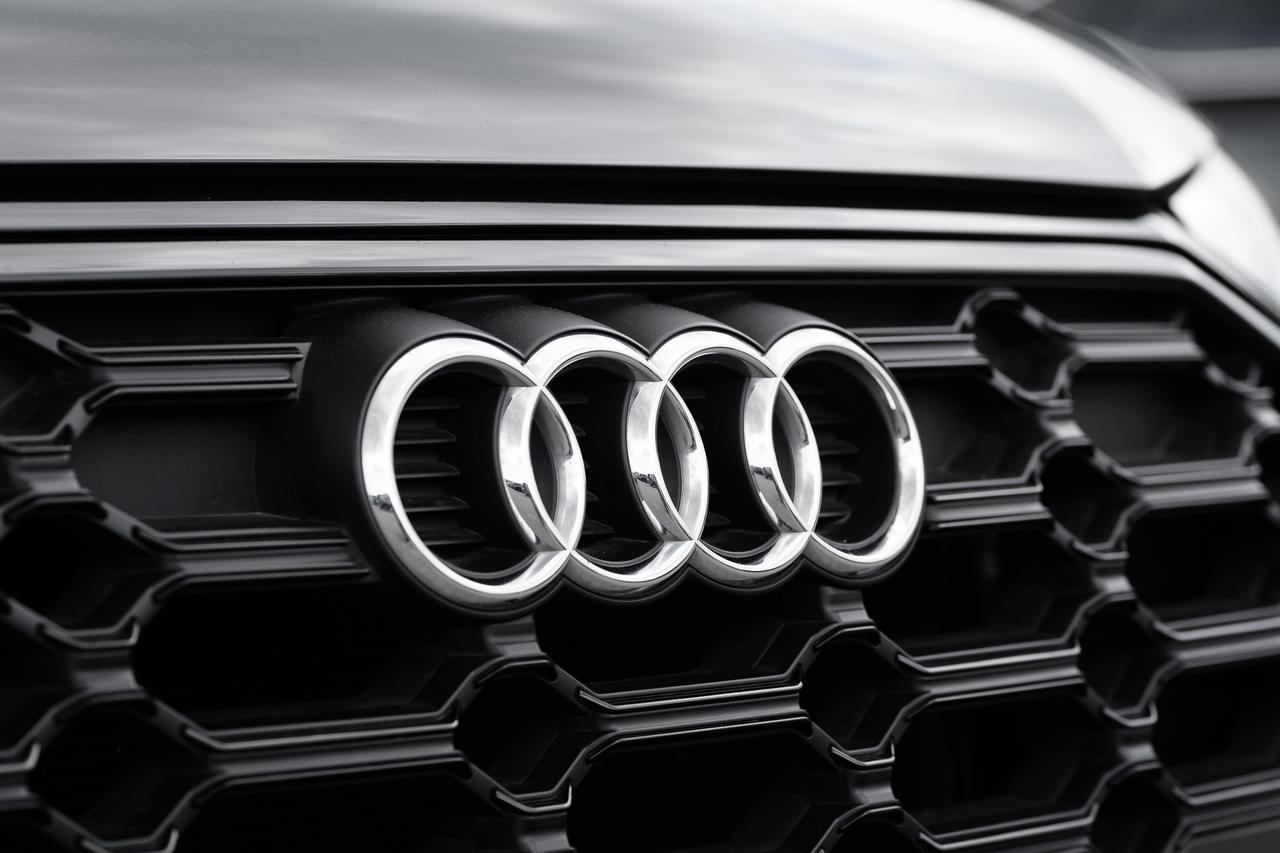


German automaker Audi plans to invest $4.2 billion in its first U.S. factory, which President Donald Trump announced Saturday, 10 days before the midterm elections. Audi confirmed the investment in a release, saying the plant would create about 4,500 jobs.
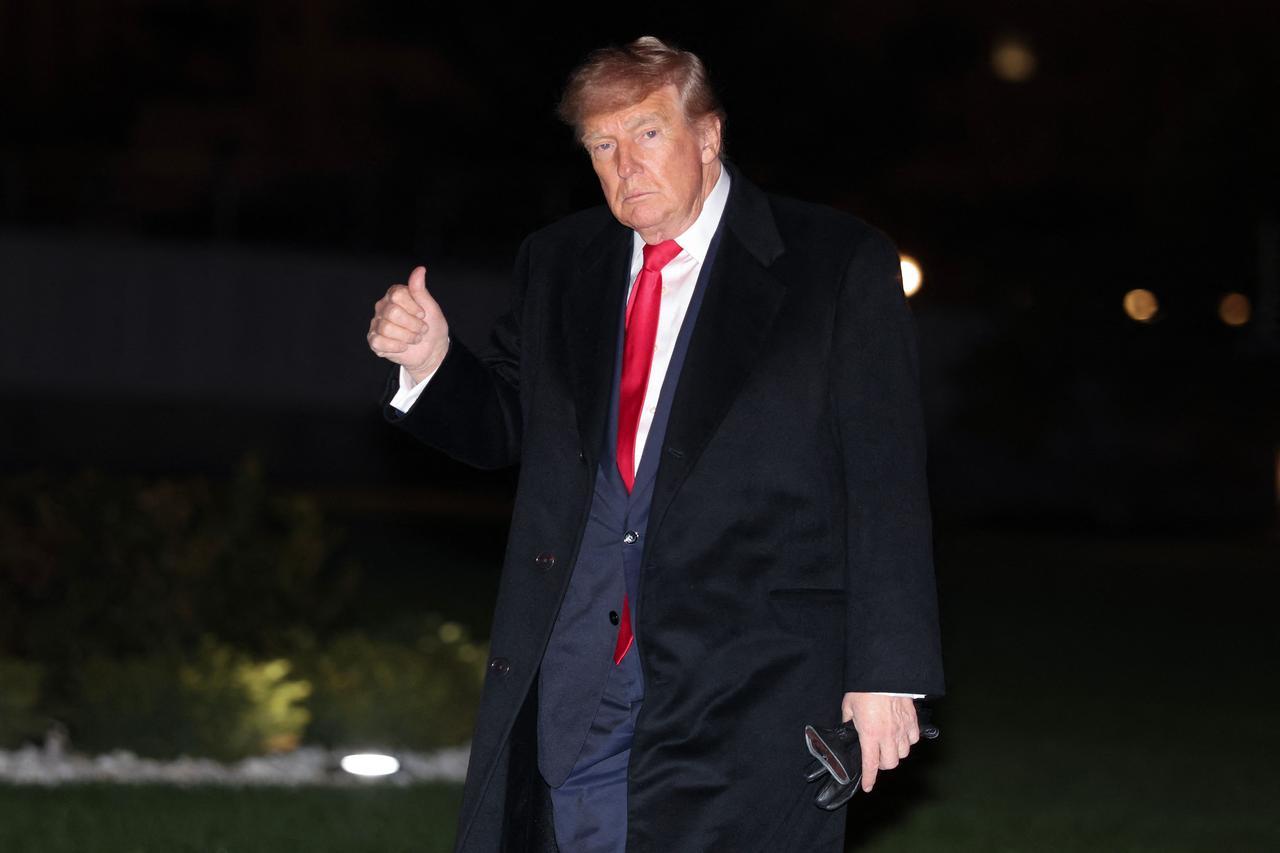
“I’m thrilled to announce a massive auto manufacturing investment in the great state of Georgia by a fantastic company,” Trump said at a campaign rally ahead of the Nov. 3 vote that will determine control of the U.S. Congress.
“Audi has just committed to invest $4.2 billion in nearby Macon, Georgia, to begin the construction next month on a massive plant that will produce 200,000 cars a year,” Trump continued.
Audi, a Volkswagen unit, said in its release that construction was scheduled to begin next year and production in the early 2030s.
“The planned investment intends to mark a long-term commitment to the United States and to establish North America as a third major pillar of Audi’s global production network alongside Europe and China,” it said.

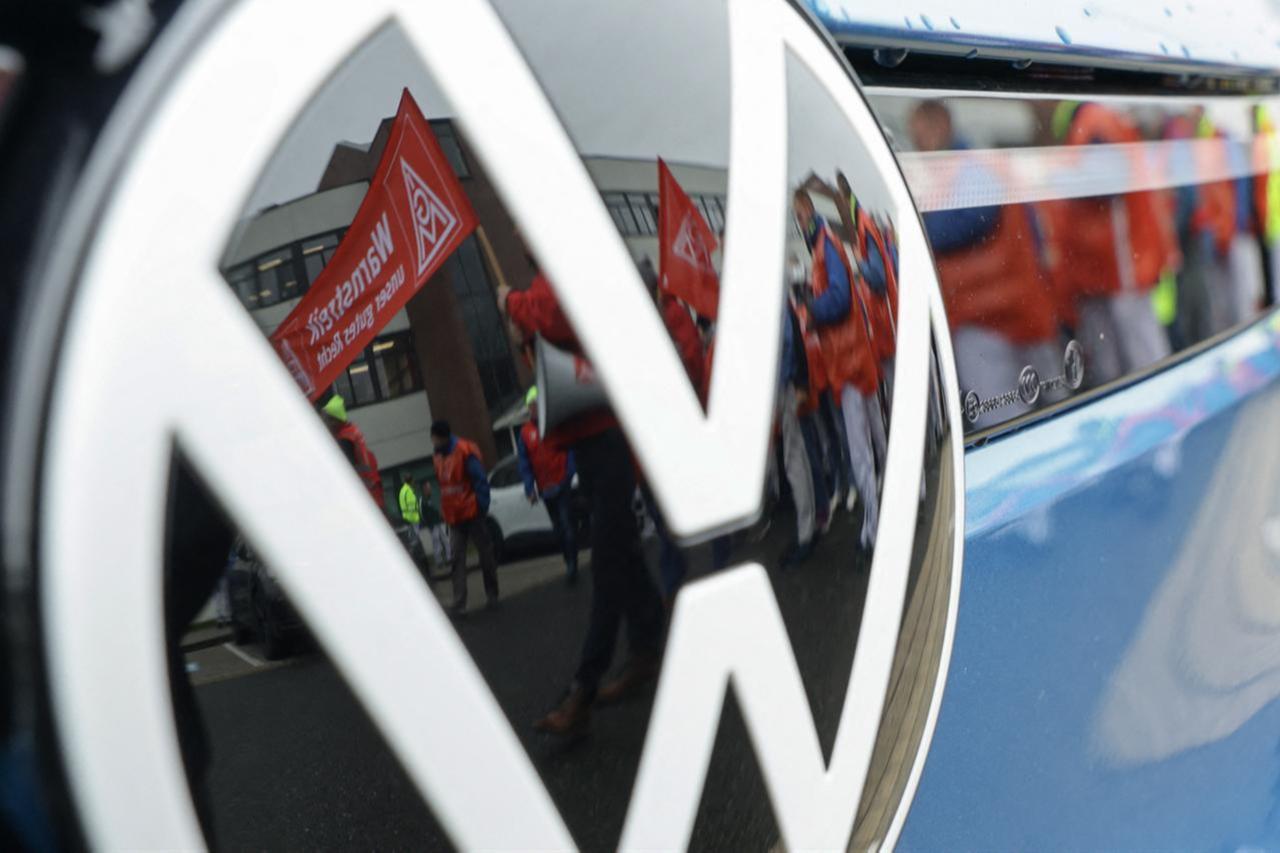
VW, long a titan of German industry, has struggled with U.S. tariffs, Chinese competition and patchy demand in Europe.
In September, the 10-brand Volkswagen Group struck a deal with unions to axe up to 100,000 jobs by 2030, increasing by 50,000 the number of expected cuts across the group. The cuts will be the largest restructuring ever carried out in the global automotive industry.
Trump has claimed a “roaring comeback” in American auto manufacturing in response to his aggressive trade policy.
Since returning to the White House in Jan. 2025, Trump has wielded executive authority to slap tariffs on various products, including autos, and on countries.
In response, carmakers, including General Motors, Toyota, and Ford, have announced plans to expand U.S. plants or shift production from overseas.
Grievances over Trump’s trade policies are among fault lines that Democrats hope will work in their favor in the midterm elections.
Trump is putting all his efforts into campaigning ahead of the elections as he faces dismal polls and unexpectedly tight races in Republican strongholds.


 Set as preferred source
 Set as preferred source


 1 min read
 1 min read