Newsletters


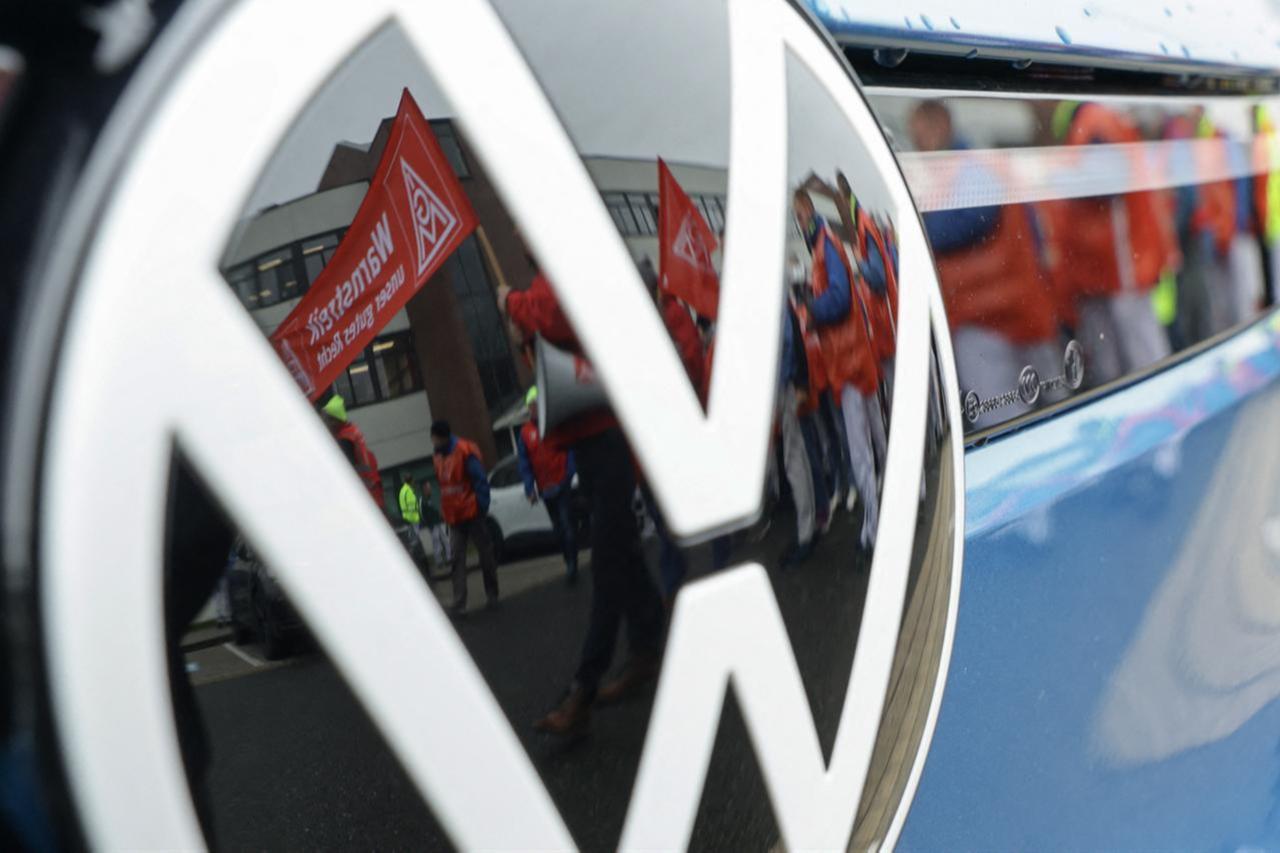


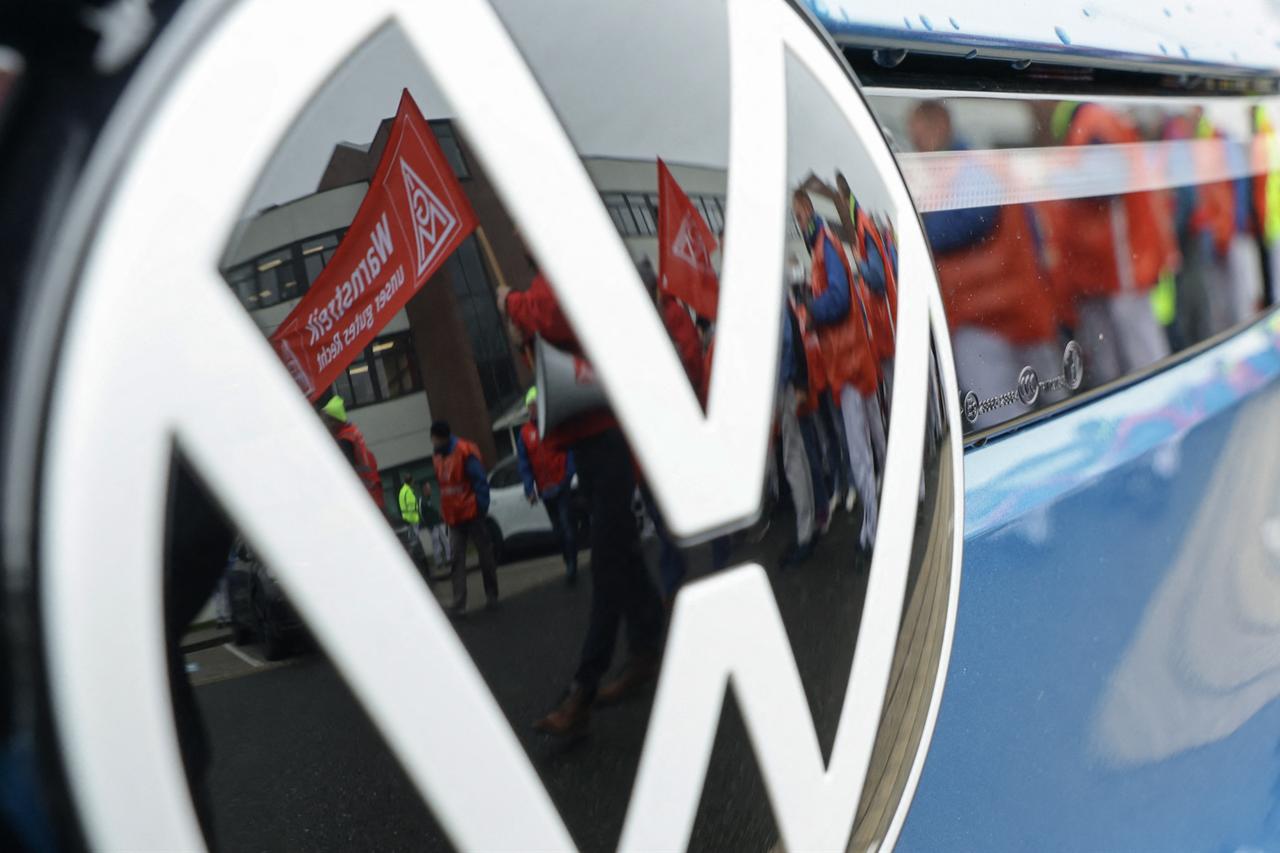
Volkswagen is considering a wage freeze for 660,000 employees worldwide through 2030, a proposal that could leave workers facing real pay losses of 10% or more as inflation drives up living costs, according to Germany's IG Metall union.
The automaker's executive board has instructed human resources managers worldwide to keep pay at 2026 levels through the end of the decade, according to internal information received by Volkswagen's European and Global Works Council last week.
The union said the directive has been in force since the beginning of October.
Under the proposal, Volkswagen would freeze wages for four consecutive years, abandoning its previous practice of factoring inflation adjustments and collectively negotiated pay rises into global staff cost budgets.
The change would also scrap the flexibility that allowed local and regional wage agreements to be reflected in those budgets.
Although the plan remains a proposal, the European and Global Works Council expects fierce resistance and has called on the executive board to explain its intentions to employees as soon as possible.
The council called the plan "absurd," questioning how Volkswagen could impose years of real wage losses on hundreds of thousands of workers through a centralized directive from its headquarters in Wolfsburg. It stressed that collective bargaining remains the responsibility of local negotiating parties and cannot be replaced by a single global policy.
Workers would continue to push for higher wages, the council added, pointing to Mexico as an example where the new directive appears to have little effect.
IG Metall also questioned the potential savings from holding down wages, arguing that staff costs account for only a small share of Volkswagen's overall expenses. The union estimates that even halving wages under Volkswagen's in-house pay scale would cut vehicle costs by just 5%.
Instead, the union urged management to focus on developing competitive products, improving customer satisfaction, maintaining technological leadership and finding efficiencies across the group.
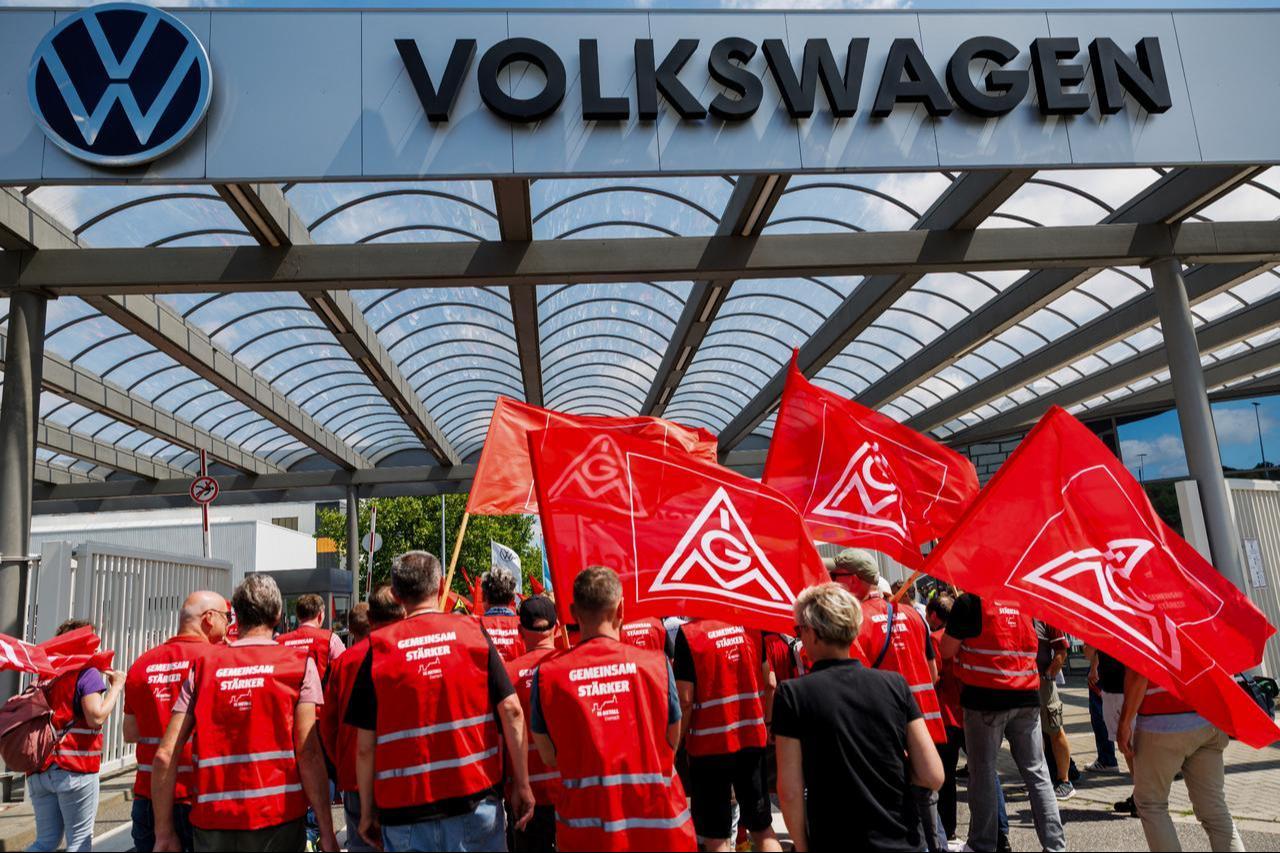

The dispute comes as collective bargaining negotiations get underway in Germany, where Volkswagen employs 275,000 people, including 130,000 covered by the company's in-house agreement.
Separate talks under the regional collective agreement for the metal and electronics industry also cover major domestic companies including Audi, MAN, part of the TRATON Group, and Porsche. Employers have yet to formally submit their demands, while IG Metall is seeking a 5% pay rise over 12 months.
The union described the proposed freeze as an early indication of management's position ahead of the upcoming wage negotiations.
Volkswagen, Europe's largest automaker, faces mounting pressure from Chinese rivals and rising restructuring costs as it pushes ahead with a major cost-cutting program.
Under its Future Plan 2030, the group is targeting a global workforce adjustment of around 50,000 positions, building on an earlier agreement to cut more than 35,000 jobs in Germany by 2030.
It also aims to save more than €6 billion ($6.7 billion) annually by 2030 by reducing factory capacity, cutting overheads and simplifying operations.
With European plants able to produce more than 500,000 vehicles above demand, the company plans to scale back production capacity, reduce its model lineup by up to 50% and cut the number of product variants by up to 75%.
Volkswagen Group reported 4,670 employees in Türkiye at the end of 2025, up from 4,334 a year earlier, according to its 2025 annual report.
The figure covers the group's reported workforce in the country and does not necessarily include employees at independently operated dealerships and service centers.


 Set as preferred source
 Set as preferred source


 1 min read
 1 min read