Newsletters


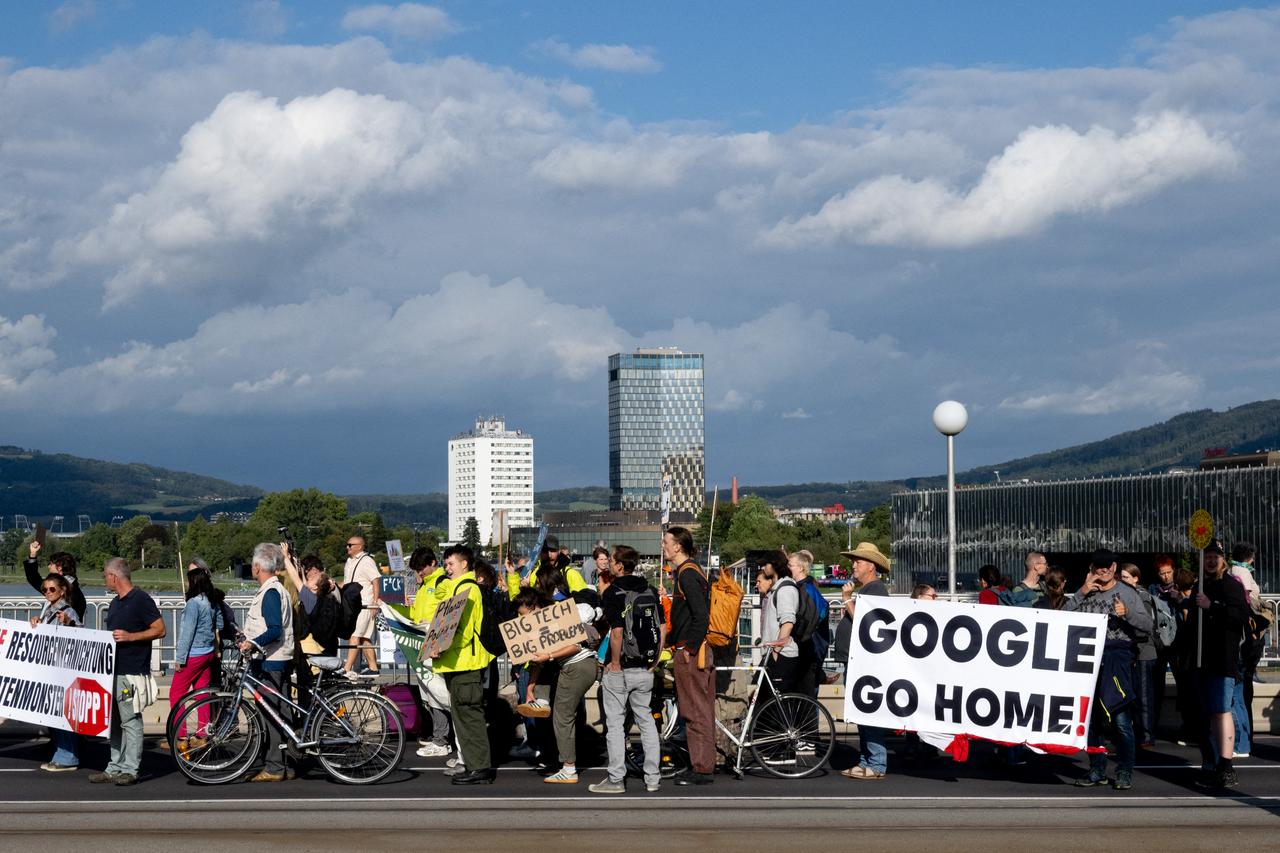


Residents of the Austrian town of Kronstorf have pushed back against a planned Google data center, arguing that the promised investment and jobs do not outweigh their worries about water use, energy consumption, and a lack of transparency surrounding the project.
Their demonstrations against the 50-hectare (123-acre) complex have turned the small town into a symbol of a wider international debate over the environmental and societal costs of the artificial intelligence boom.
"I believe we need a rethink when it comes to this endless growth and expansion," protest organizer Christina Gruber said, as around 400 people gathered outside the regional government headquarters in Linz.
Gruber, a 38-year-old freelance artist and aquatic ecologist who lives near Kronstorf in Upper Austria province, said she is concerned about the effects of AI on climate change and the amount of water used to cool data centers.
She also criticized a lack of transparency around the project, saying residents were never asked whether they wanted to "sacrifice" local water resources for the facility. Kronstorf has about 3,500 residents.
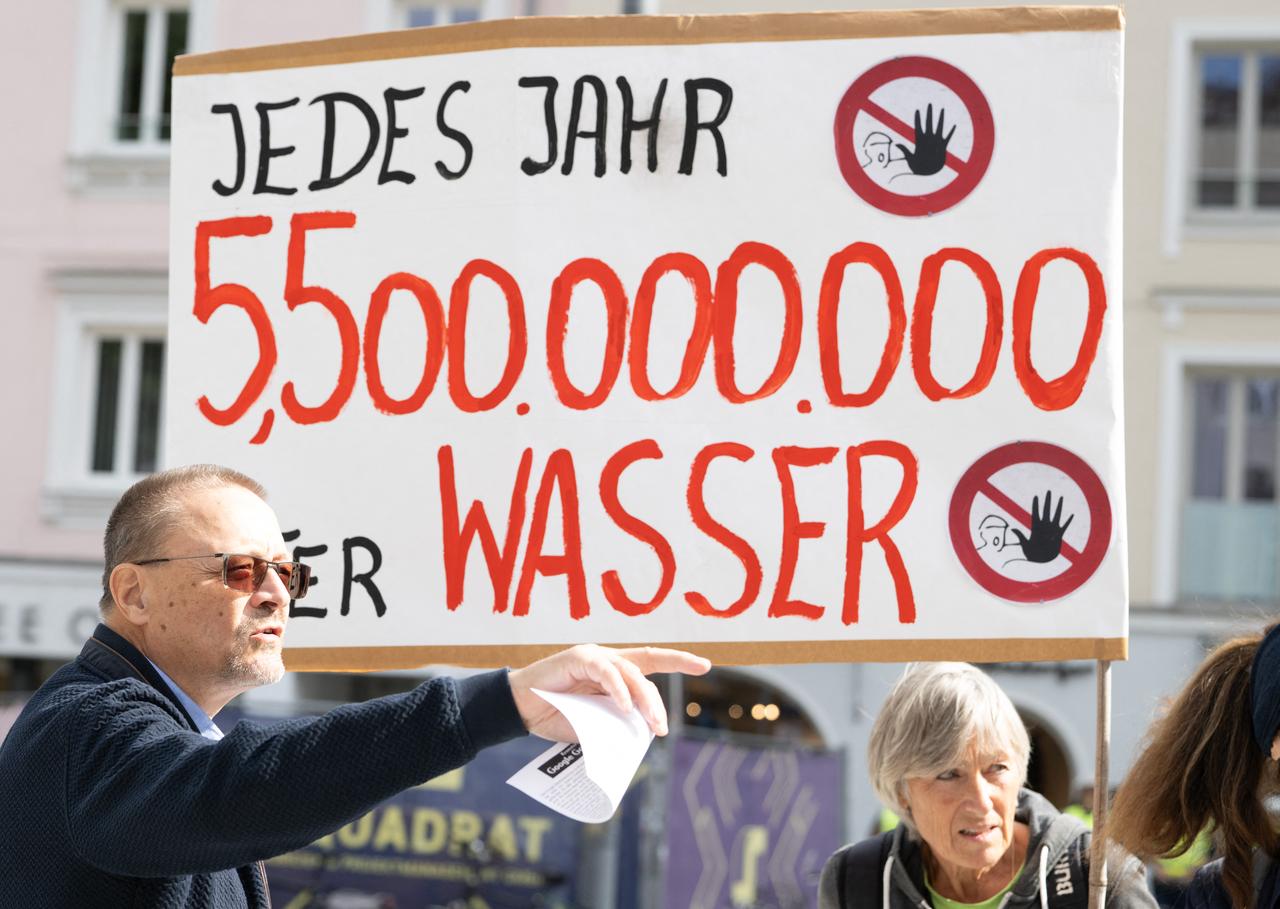

While Europe still lags far behind the United States in data center capacity, hundreds already operate across the continent, with many more planned as the region works to build out its AI and cloud infrastructure.
Opposition has grown alongside that expansion: in Spain, residents of the Aragon region have launched legal action against a large data center buildout by Amazon, while Amsterdam has imposed a moratorium on new data center construction over space and power concerns, and Denmark has deprioritized data centers for grid connections, citing strain on its power supply.
Francesca Musiani, an internet specialist at the French National Center for Scientific Research, said data centers make the physical costs of digital infrastructure newly visible to the public, exposing "tension between this rapid expansion of AI and climate objectives" and raising broader questions about digital governance in Europe.
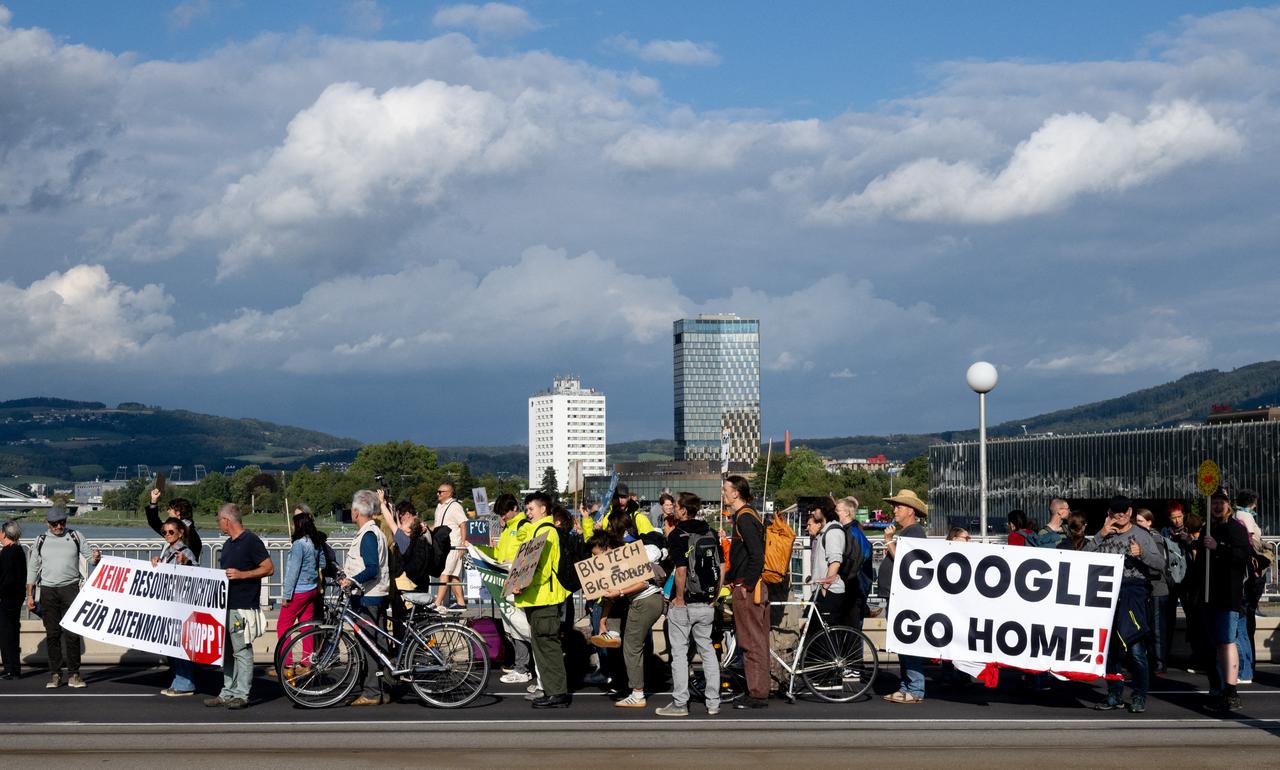
Construction on Google's first Austrian data center began in April on a site roughly the size of 70 football pitches, with the first phase expected to become operational in 2027.
Google has not disclosed the project's cost, describing it only as a "significant investment." The company says the facility will support growing demand for cloud and AI services, create about 100 direct jobs and thousands of indirect ones, and contribute to local infrastructure and sustainability efforts.
Upper Austria's governor, Thomas Stelzer, called the project a "strong signal" for the region as a business and innovation hub.
 1 min read

Critics counter that even highly efficient data centers consume vast amounts of electricity and water. According to media reports, the first phase in Kronstorf alone could use up to 1.31 terawatt-hours of electricity per year, roughly the annual consumption of 375,000 households. Opponents also point to unresolved questions about cooling systems, water use and potential effects on the nearby River Enns.
Andrea Kollmann, a lawyer who traveled from Vienna to attend the Linz protest, said the project had moved forward "much too quickly" with little transparency.
Filmmaker Alex Stockinger, who lives near Kronstorf, said Austria's record-breaking hot summer made the stakes feel immediate, calling the facility's energy use "the wrong direction" amid a worsening climate crisis.


 Set as preferred source
 Set as preferred source




 1 min read