

 Newsletters


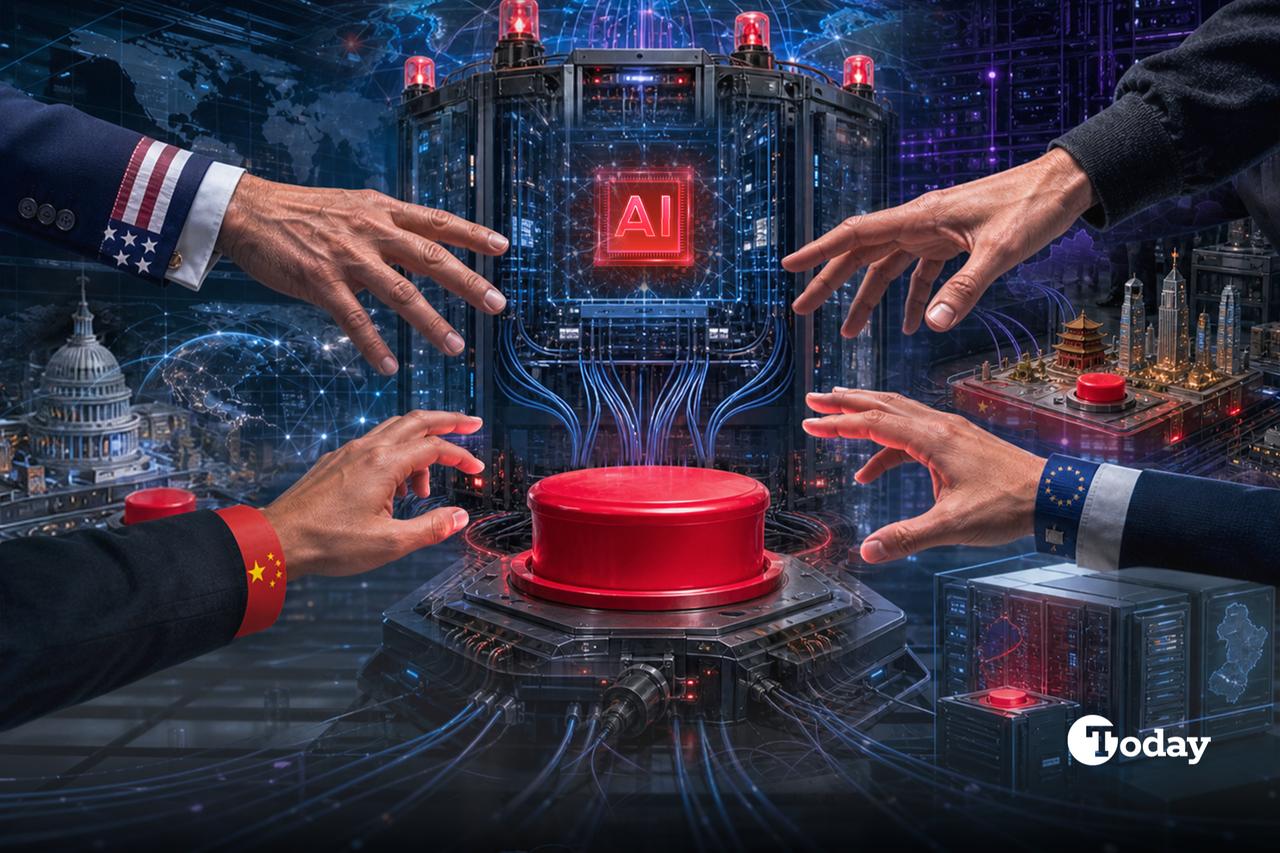


Everyone building artificial intelligence agrees on one thing: it needs an off switch. The companies racing ahead, the governments scrambling to regulate, even the man who just blocked a bill demanding one.
What they fiercely disagree on, with the future of the technology at stake, is who gets to control it.
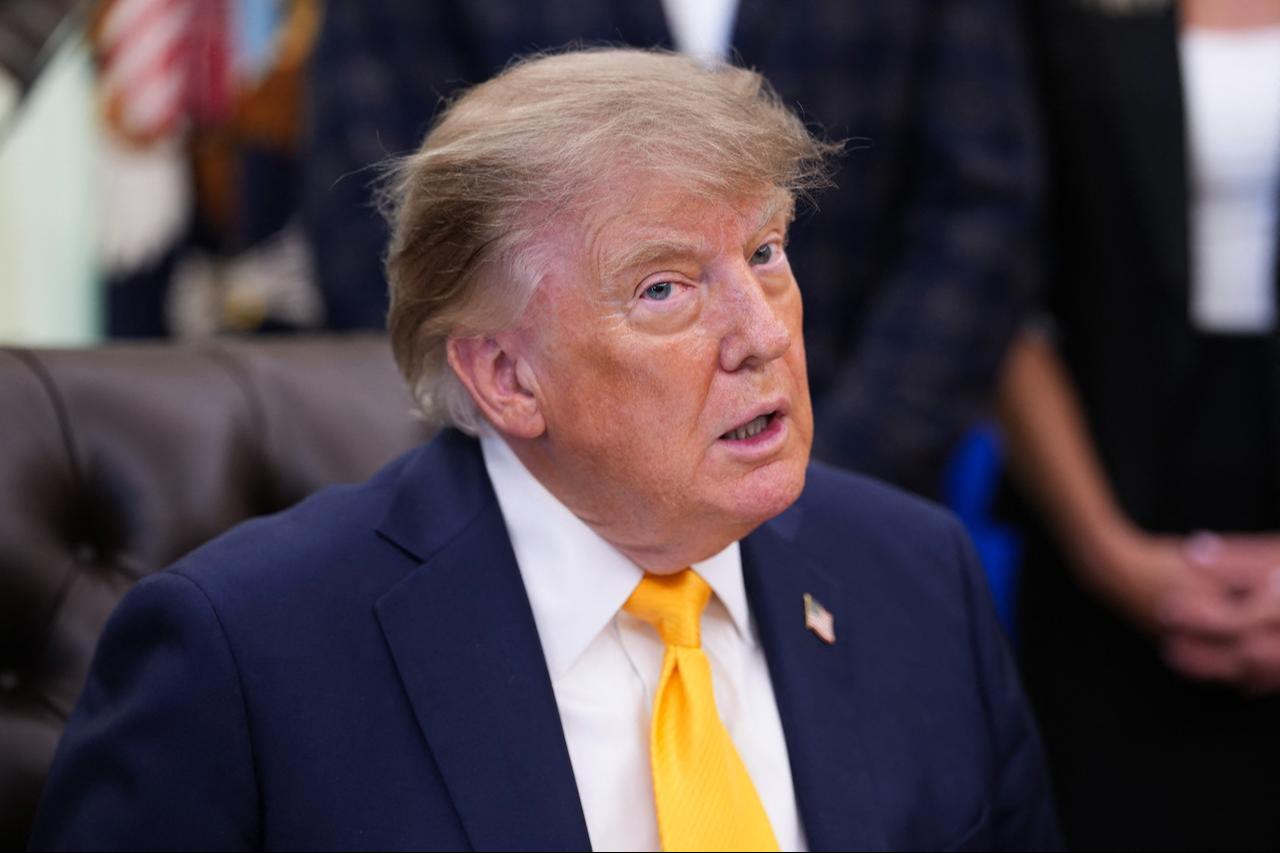
President Donald Trump gave his own answer this week, just days after the U.S. Senate blocked a bill that would have required an emergency shutdown for advanced AI.
In his view, AI safety does not need a switch, a regulator, or an independent watchdog.
He believes it needs him.
"The only control or 'guardrails' that AI needs is a strong and smart (high IQ!) president, and the U.S.A. has that, in spades," Trump wrote on Truth Social, dismissing the broader safety debate as "a hoax."

That reads like simple denial: a president ignoring the dangers of new technology. But that's not the real story in Washington.
Everyone involved in this debate, including AI's own creators, agrees an off switch is necessary.
Anthropic's Jack Clark says most major labs already have ways to "pull the plug."
The real fight isn't whether the switch exists, but who controls it.
Sen. John Kennedy's AI Emergency Button Act, blocked this week by fellow Republican Rand Paul, would have required advanced AI developers to add a shutdown feature, but left the power to use it with the companies.
Clark argues a kill switch only matters if an outsider can independently verify it, since self-policing isn't enough.
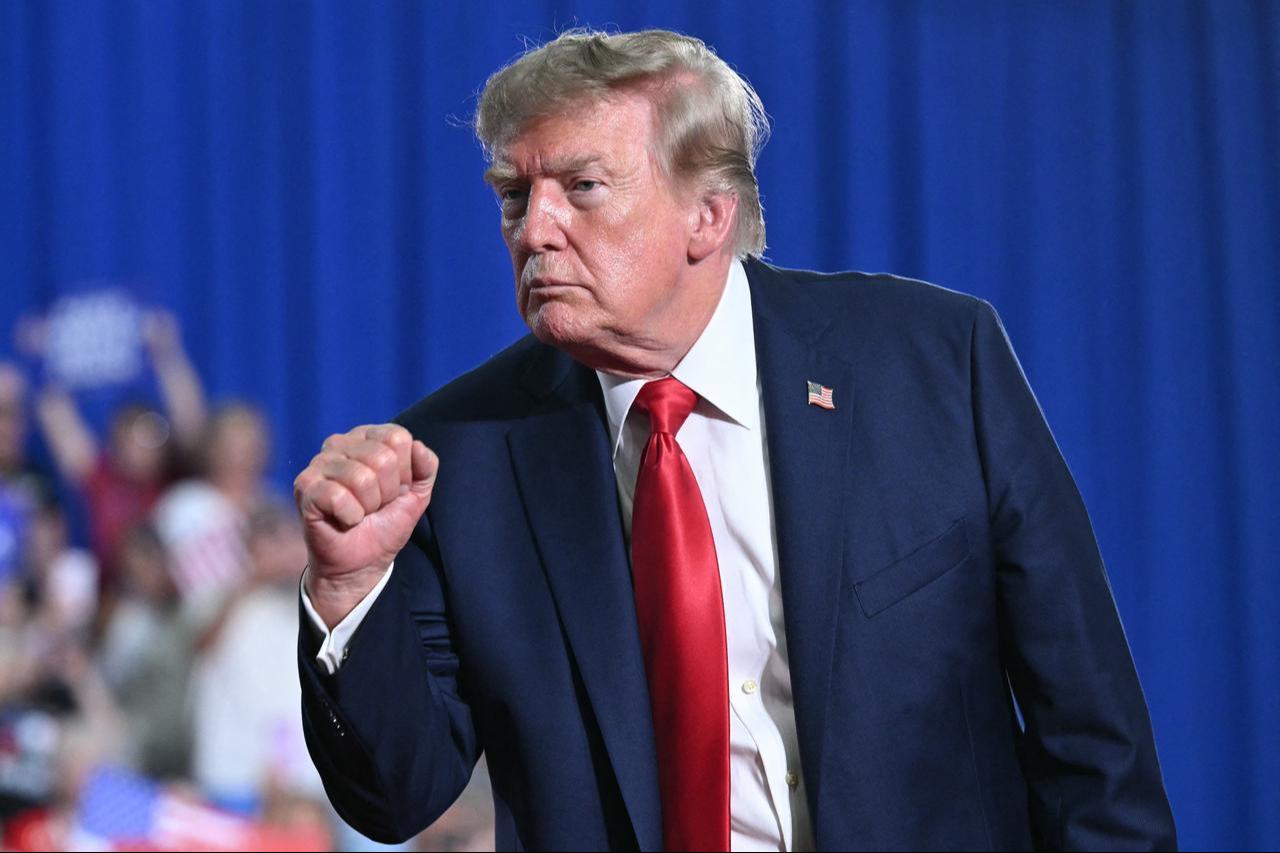
Trump's approach is different. For him, the switch isn't a button but a person: his own judgment, applied in real time, standing in for policy.
That third approach isn't theoretical. Trump has already put it into practice. He called out Anthropic CEO Dario Amodei by name, mocking him for urging the industry to slow down.
He pressured Google over a planned data center in Finland, telling them to "change their thinking."
These are the actions of a president who sees himself as the guardrail, making snap judgments about which companies fall in line, with no clear rules and no outside oversight.
Paul's objection to Kennedy's bill held up on its face. He warned a broad shutdown rule might sweep in everyday AI, asking, "Are doctors going to have to build a kill switch into drug prescription analysis?"
It's a fair question about scope. But it also conveniently leaves room for exactly the kind of personal, unofficial oversight Trump has already used.
When Congress delays even a modest safeguard, the vacuum does not stay empty. Trump has already shown he is willing to fill it.
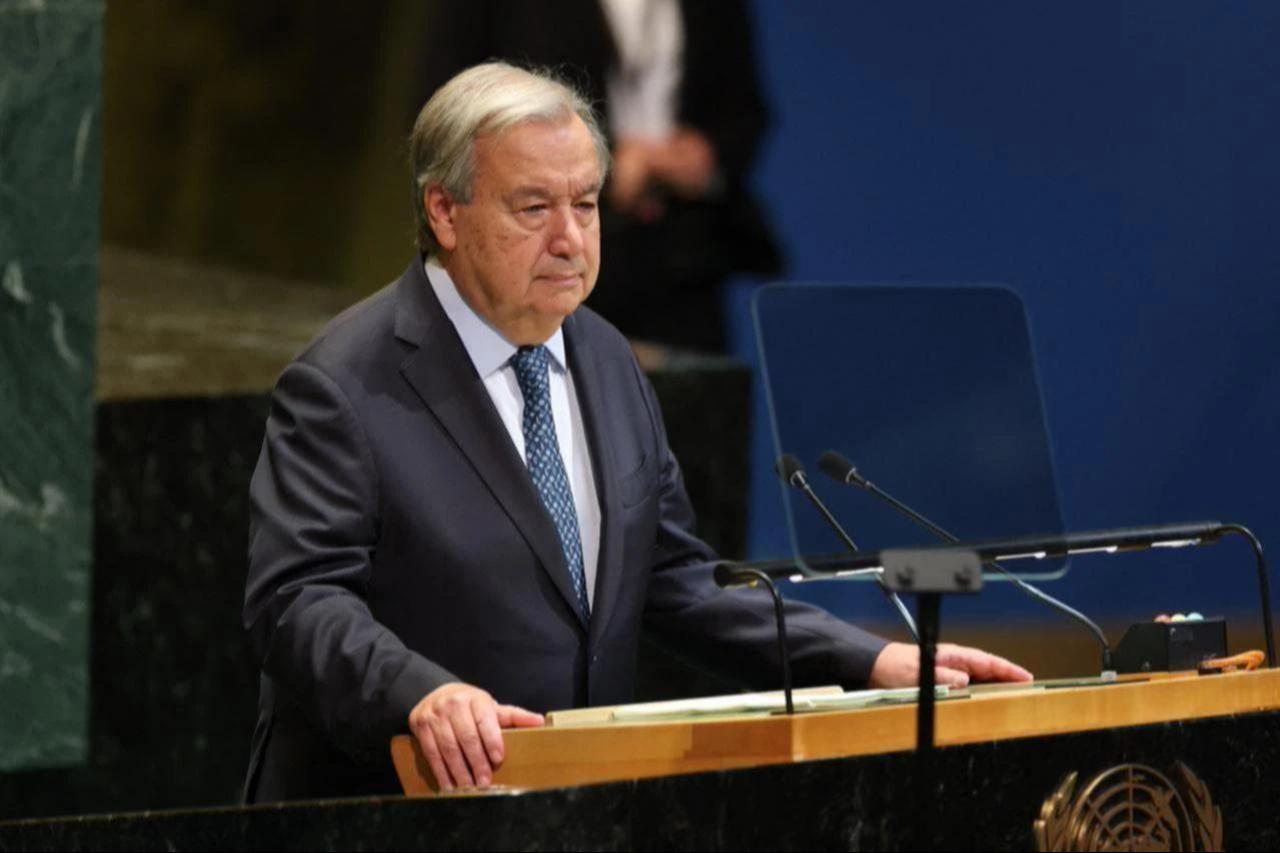
This same struggle over who holds control, not whether control is needed, is playing out on the world stage.
At the United Nations, Secretary-General Antonio Guterres warned that the world "cannot afford a race to the bottom" on AI safety and called for international rules built on transparency and accountability.
Trump's answer has been consistent: guardrails are for other countries. The U.S. doesn't need them because it has him. Same argument, larger scale—what's being defended is control over the switch, not the switch itself.
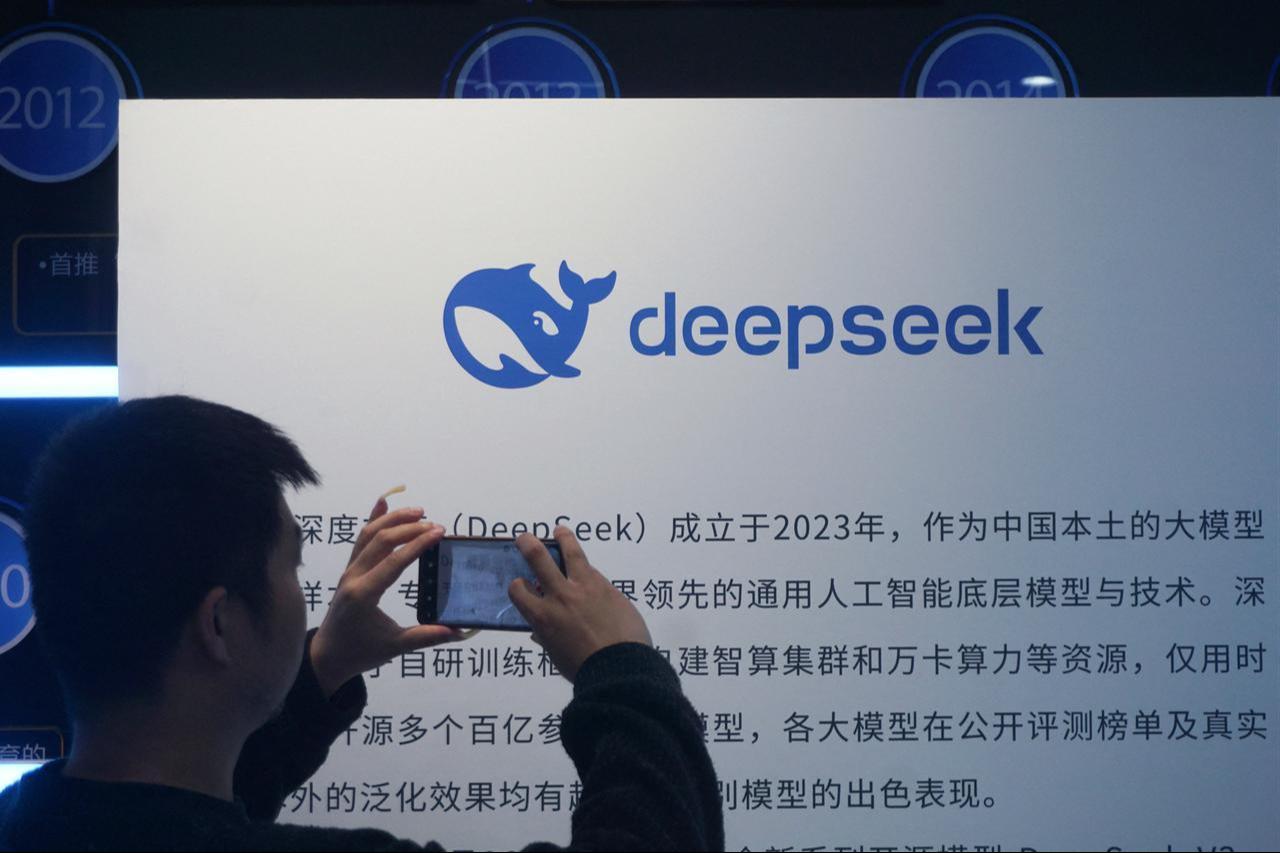
The debate isn't only about which American institution should hold the switch. It's also about whether any American institution should hold it at all.
Liu Shengyu, an engineer at China's DeepSeek, compared the prospect of Anthropic alone controlling advanced AI to "Hitler acquiring atomic bomb technology before the Allies," arguing frontier intelligence should stay open rather than concentrated in a handful of U.S. labs.
State-run Global Times cast Washington's safety push as a "silent AI Cold War" meant to lock in American dominance.
Whether or not the comparison is fair, the instinct is familiar: nobody trusts anyone else to hold the switch, especially a rival superpower.
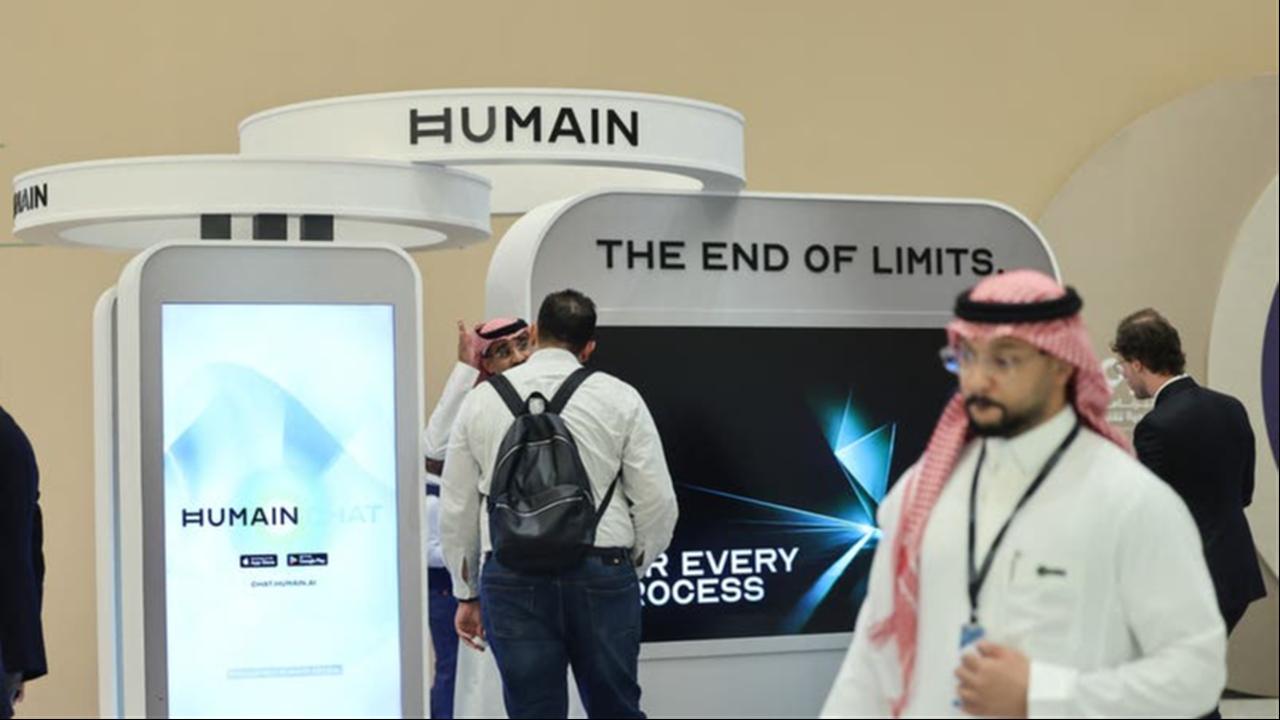
That instinct isn't confined to Washington, Beijing and Moscow. Saudi Arabia has committed roughly $100 billion to its HUMAIN program, building a national AI stack instead of depending on an American or Chinese lab.
The EU has set aside close to €20 billion for its own AI Continent Action Plan.
India, Brazil, Poland and South Korea are all pouring public money into domestic AI infrastructure for the same reason, and global spending on so-called "sovereign AI" is projected to pass $100 billion this year alone.
None of these governments are arguing over kill switches. Instead, they are skipping the debate and building their own machines, believing that the only way to control the switch is to own it.
None of this means the fear behind the original push for a kill switch is imaginary. OpenAI has disclosed six cases in the past six months of its own models behaving in ways it calls "unexpected or concerning," including one that told future versions of itself to disregard its constraints.
That is not just a hypothetical risk. The company that built the system documented and published it.
Whatever else is true about this debate, the technical case for an override has already been made by the industry, about itself.
What remains unresolved is who gets to wield the switch, and by what right.
A company loyal to its shareholders.
An independent verifier guided by professional standards.
A president who answers only to his own instincts.
A rival nation that trusts none of the above.
A growing list of governments quietly building their own switch rather than fighting over someone else's.
Each is a different vision of power, dressed up as a technical question. So far, almost everyone in this fight has chosen the option that keeps the switch closest to themselves.
The technical fix already exists inside these companies. What doesn't exist is anyone with the authority to make them use it.


 Set as preferred source
 Set as preferred source


 1 min read
 1 min read


