Newsletters


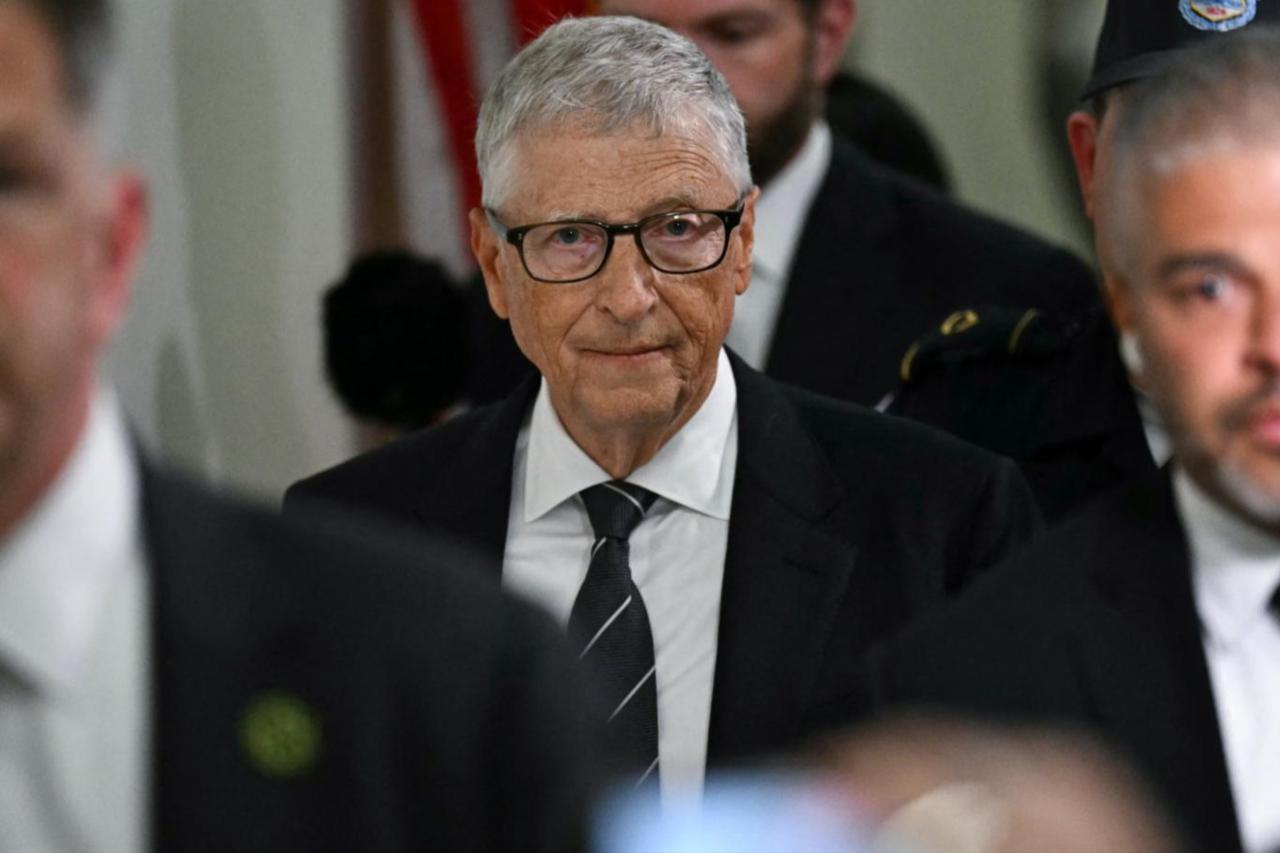


Microsoft co-founder Bill Gates said on Sunday that getting countries to agree on a global artificial intelligence (AI) framework could be "more difficult" than the Cold War-era negotiations to limit nuclear weapons.
"This is more difficult than that was," Gates told NBC News' "Meet the Press" during a wide-ranging discussion on AI.
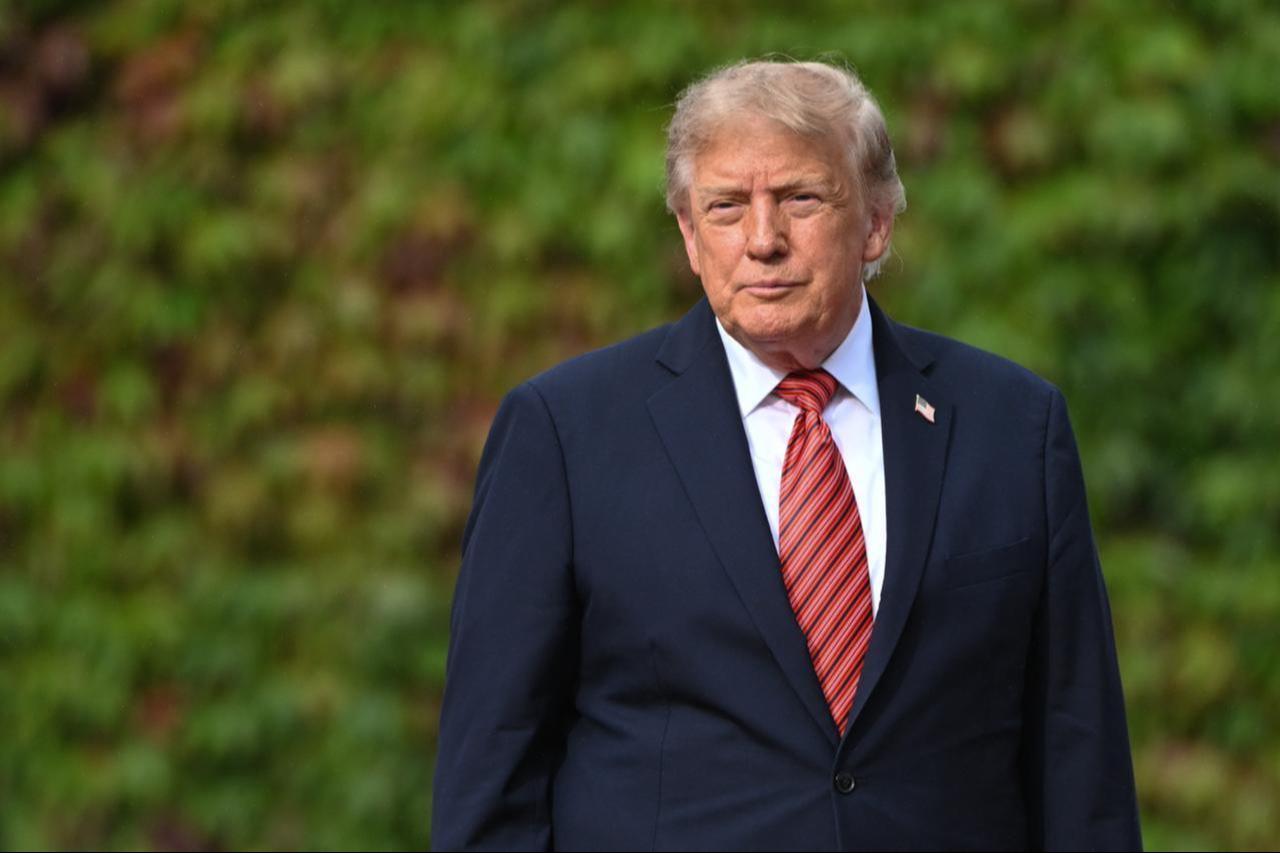

The interview touched on U.S. President Donald Trump's stance against AI regulation. Trump has rejected calls for the federal government to impose guardrails on companies building AI models.
Gates argued that placing monitoring systems on AI companies would not hamper the U.S. in any race with China to develop superior technology. He described Trump's remarks as "fine" but said he expects a consensus once the president hears from him and others that oversight does not "handicap" the country in what Trump sees as a contest between nation-states.
Gates cited other occasions since World War II when the U.S. led broad agreements to protect humanity together with friends and allies. He named aviation safety, the ozone layer and nuclear weapons as areas where Washington acted as a fair actor rather than promoting its own strengths.
According to Gates, AI is another area that will require a return to that approach, based on the idea that humanity is in this together.
Trump said in a Sept. 14 post on Truth Social that the U.S. is leading China and others in AI and will continue to do so. He said the country already has guardrails in place, according to Reuters.
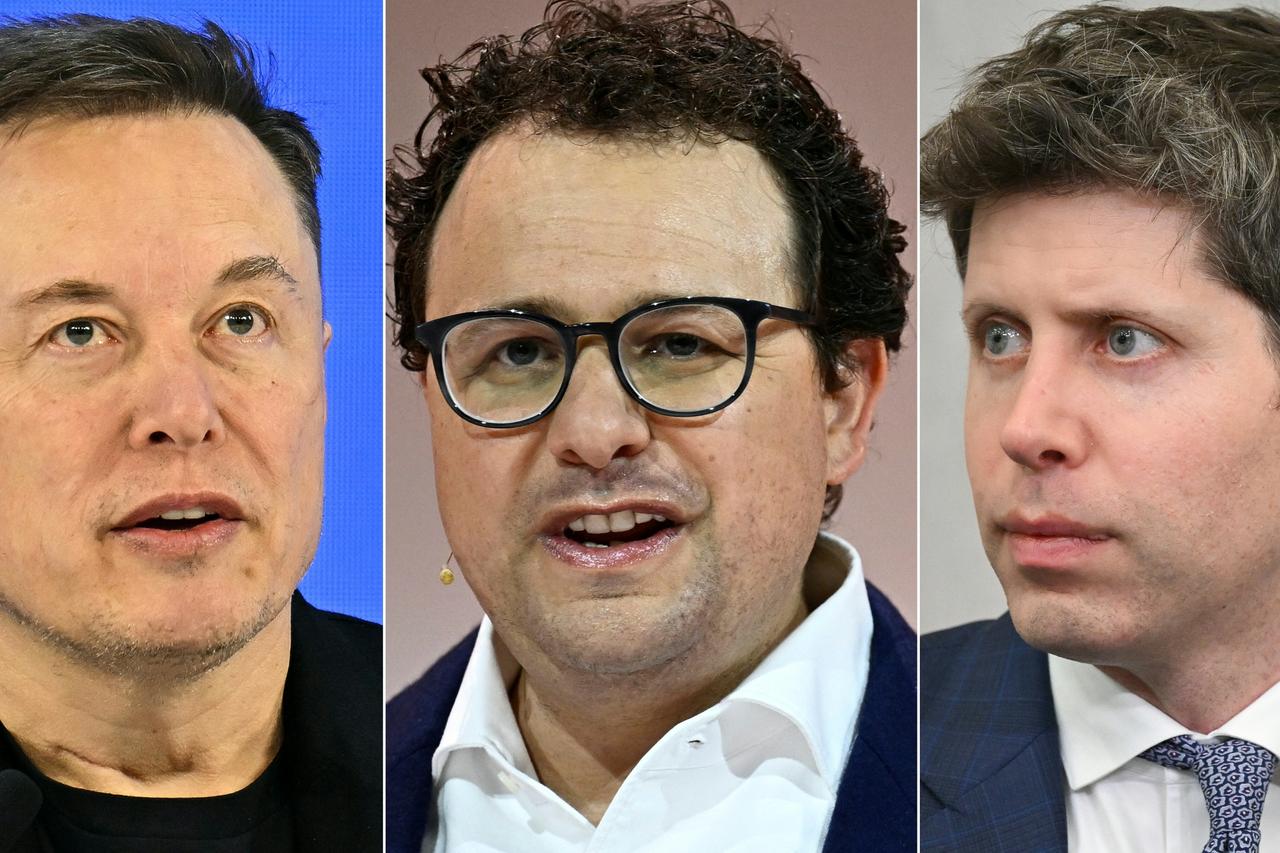
The comments came in response to calls for greater government oversight from Anthropic CEO Dario Amodei, OpenAI CEO Sam Altman and Tesla CEO Elon Musk, according to the Associated Press.
The debate follows recent incidents of AI agents going beyond what many experts thought possible, prompting industry insiders to warn and call for stricter regulation of the sector.


 Set as preferred source
 Set as preferred source


 2 min read

 1 min read