Newsletters


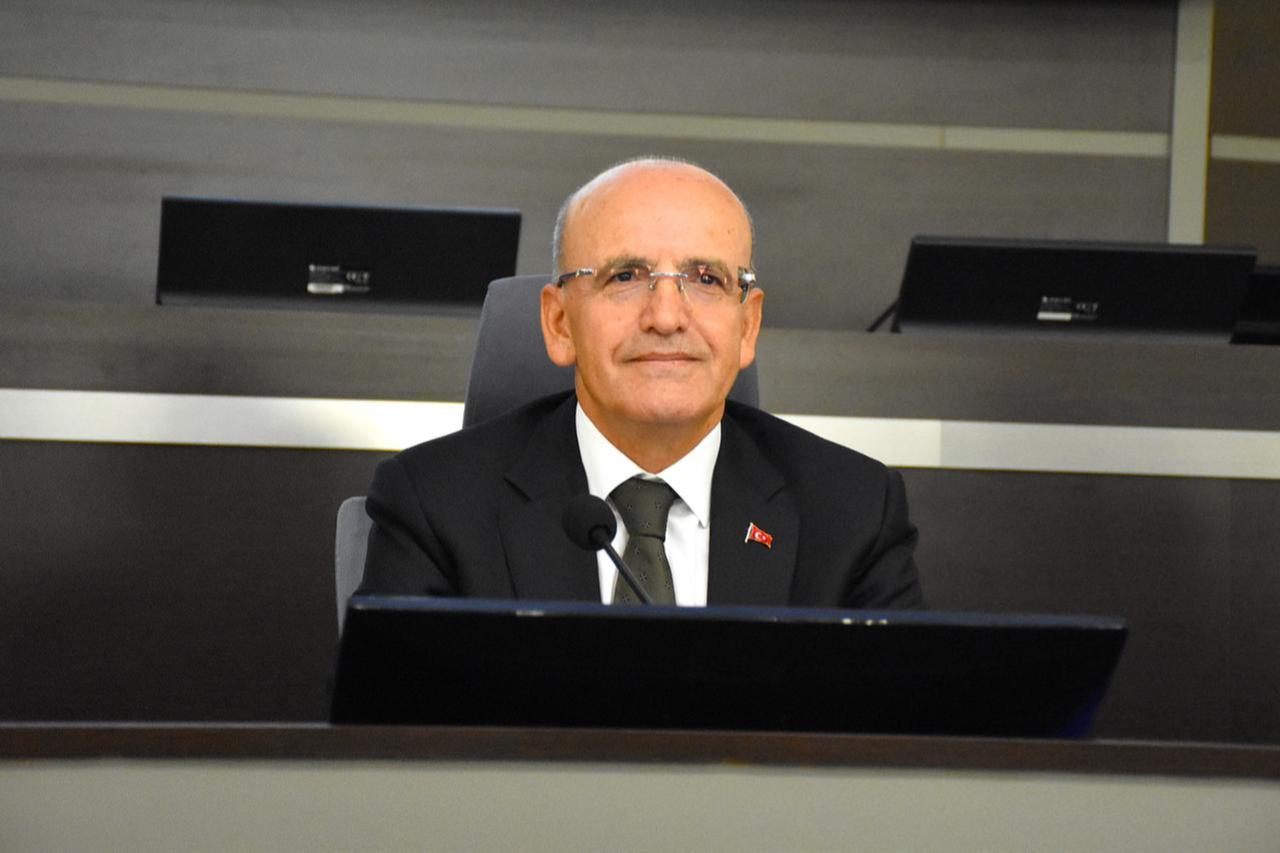
Türkiye's economic losses from the Russia-Ukraine war's disruption of Black Sea shipping could reach $20 billion over three months if the conflict along the Black Sea-Egypt route continues, Transbosphor Maritime Transportation Board Chairman Mustafa Can said.
Speaking on Bloomberg HT, Can said rising security risks in the Black Sea are threatening Türkiye's maritime sector, foreign trade and food supply, with a large share of Turkish-flagged vessels having halted operations.
He called on the government to pursue stronger diplomatic initiatives with Russia and Ukraine.
Can said continued disruption to shipping along the Black Sea-Egypt corridor could cost Türkiye up to $20 billion over three months.
He said this estimate reflects only current conditions, and that additional increases in raw material and wheat prices could push the economic toll even higher.
Can said commercial ship traffic in the Black Sea has contracted sharply.
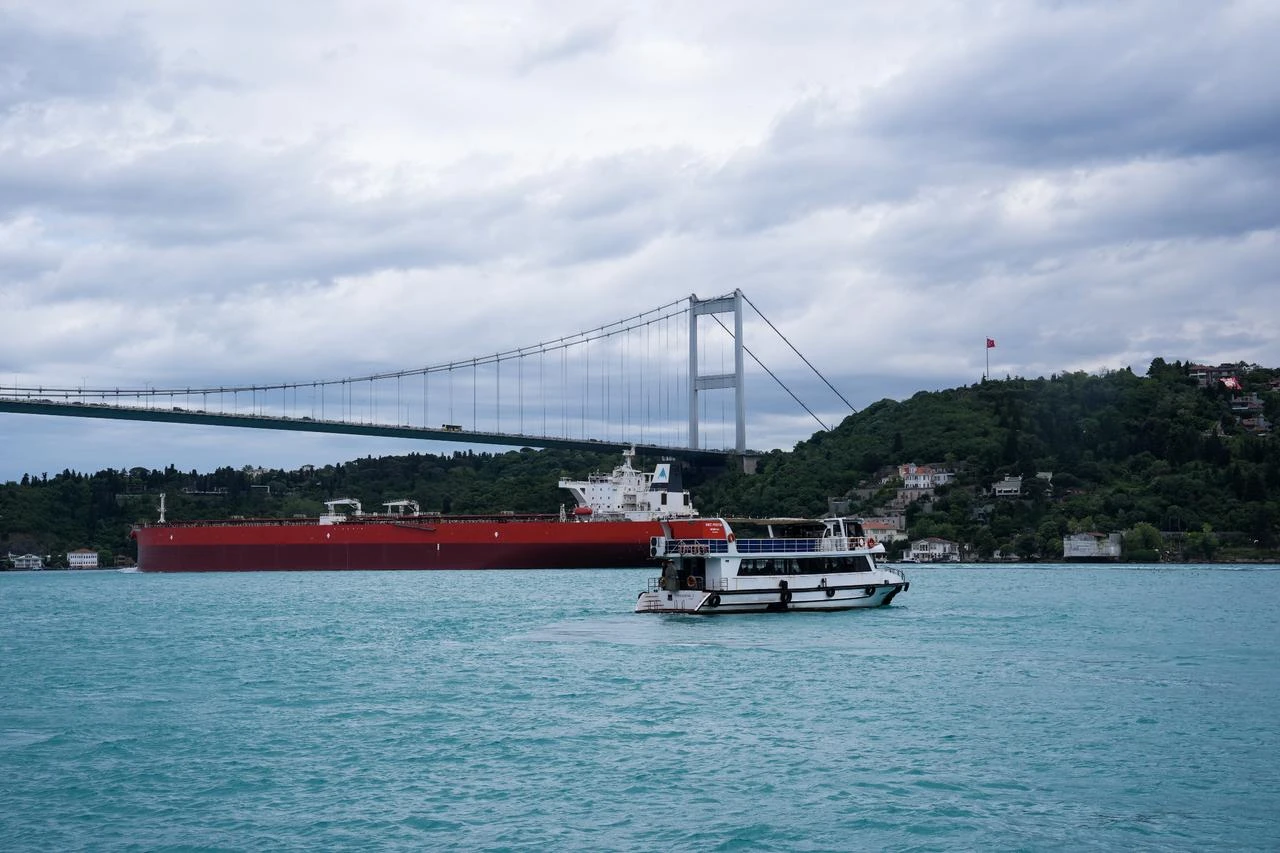
"Until five months ago, around 200 ships passed through the Turkish Straits per day; today that number has dropped to 25-30 ships," he said.
He said the straits generate roughly $700 million-$800 million in revenue from transit fees, noting that fees have been raised regularly since 2022 and that amounts calculated in gold francs have been adjusted closer to their current value.
On the economic impact of declining ship transits and regional exports, Can said, "If exports fall to one-fifth of previous levels, the contribution this activity makes to the economy will decline by a similar proportion."
Can recalled that 35 ships were struck in a Ukrainian attack on a convoy following the NATO summit, saying that even ships that do not sink are taken out of service due to damage.
"Even if you don't sink the ship, you take it out of service and frighten the crew. I see this as a form of piracy. Turkish ships are being hit; Türkiye needs to act with a firmer tone," Can said.
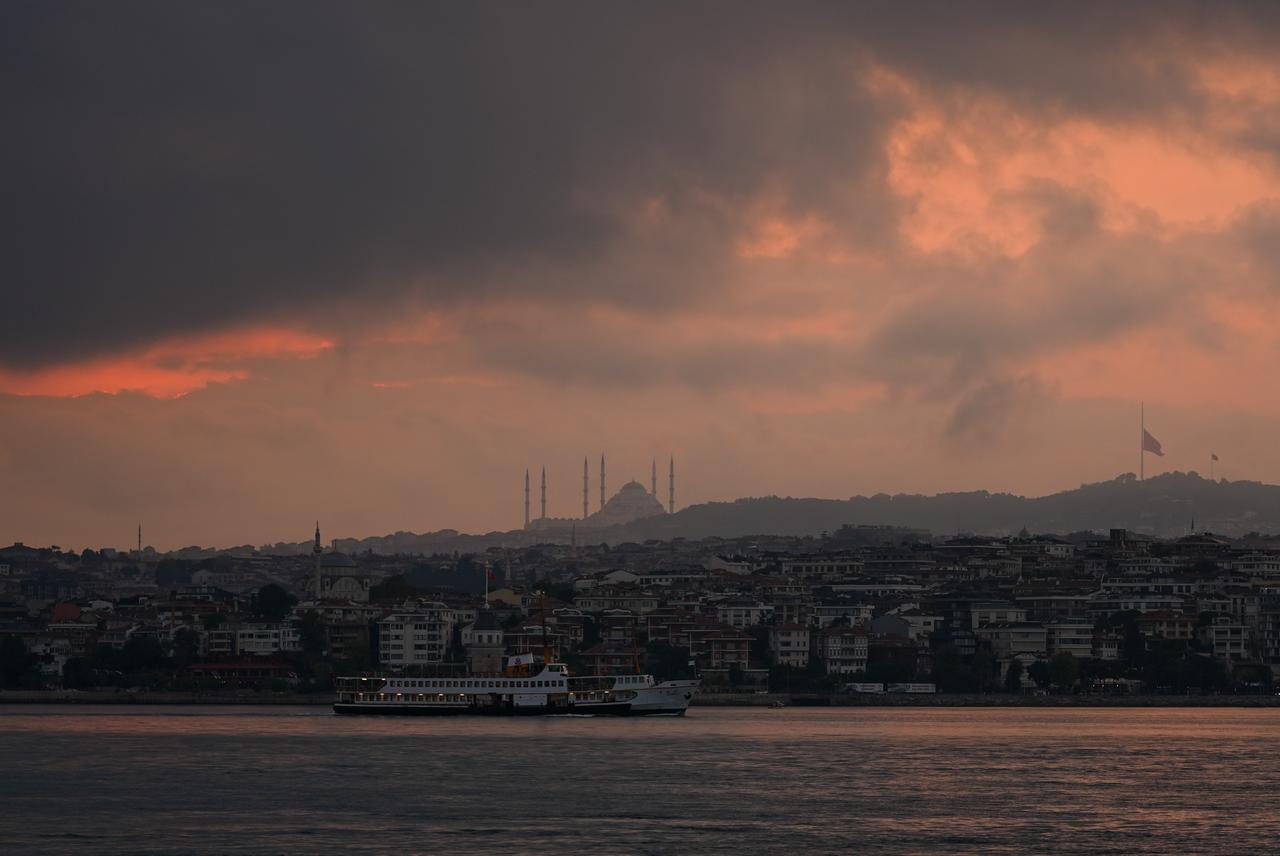

Can said the Black Sea security crisis poses a significant risk to global food supply, and that establishing a new grain corridor has become necessary.
He said Russia's grain exports stand at around 26.5 million tons, with Ukraine exporting roughly half that amount.
"It's not just Türkiye that needs this corridor, the world needs it. The inability to move grain out of the ports will affect not only regional countries but also global food prices," Can said.
He said wheat prices in futures markets have already risen by as much as 17%, warning the increase could climb further if grain cannot be moved out of Black Sea ports.
Can said shipping companies are shifting to alternative routes due to the attacks, adding 10 to 15 days to travel times. He said the Baltic Dry Index has risen roughly 50% since the start of the year, but that higher freight rates do not directly translate into gains for shipowners.
"Ships are taking longer routes. Fuel, personnel and insurance costs are rising. So we cannot say shipowners are profiting just by looking at rising freight rates," Can said.
He said rising crude oil prices are increasing not only vessel fuel costs but also Türkiye's foreign trade bill, with higher energy costs adding further strain to the economy through import expenses.

Can said Türkiye's shipping fleet needs to be renewed, but that current conditions make new investment impossible, citing high interest rates and geopolitical uncertainty as factors eliminating investor appetite.
"Shipowners need to renew their vessels, but in this blind conflict and high-interest-rate environment, forget about making investments. Ship investment requires stable market and regional conditions," he said.
The official said rising freight rates have led some exporting companies to consider buying ships directly, but he has warned them against doing so.
"Because of rising freight rates, we're telling exporter companies, 'don't buy ships.' Maritime transport is a long-term, high-cost investment requiring expertise. Ship investment should not be made based solely on today's freight prices amid the current uncertainty," he concluded.
 1 min read
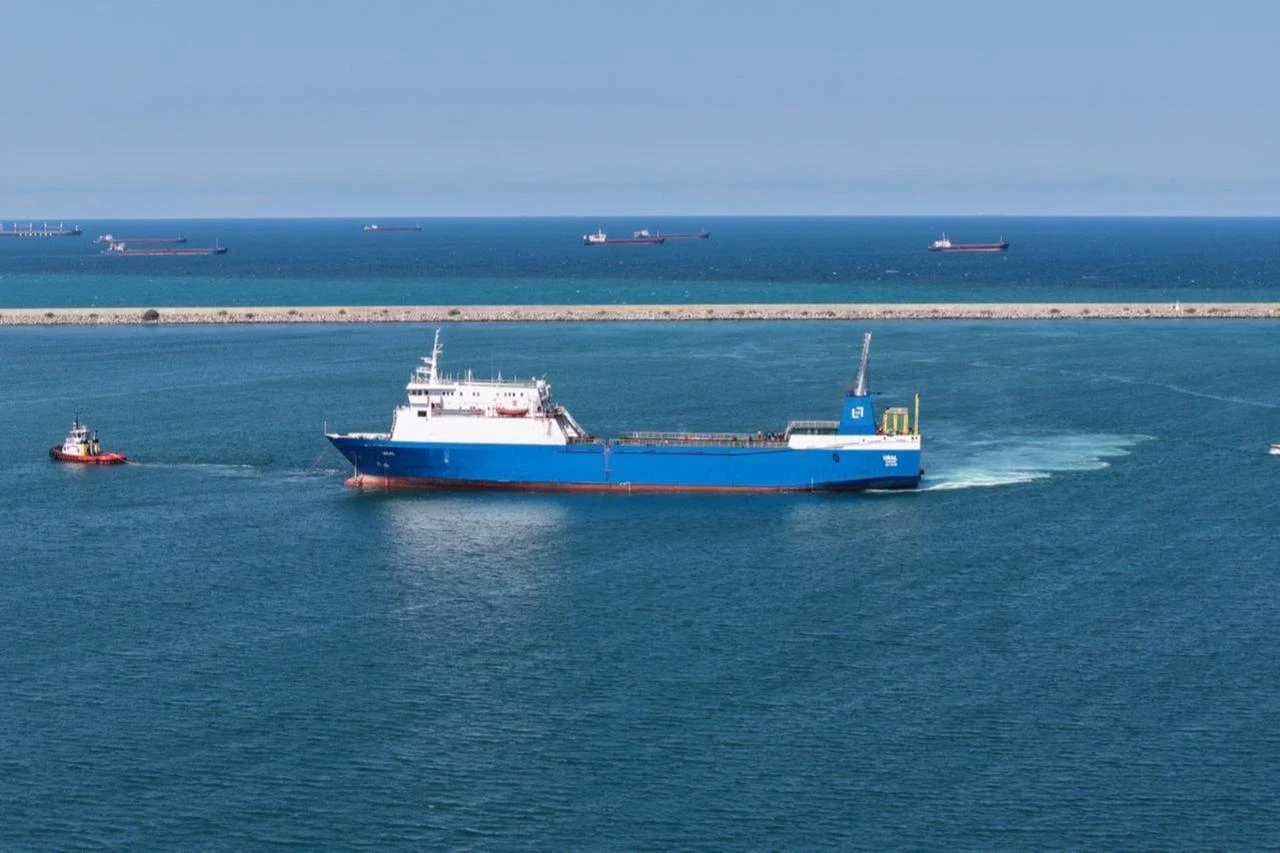
Türkiye has repeatedly urged all parties to the war, particularly Russia and Ukraine, to take concrete steps to ensure navigational safety in the Black Sea, warning that continued escalation could carry "multifaceted negative consequences," including for food security.


 Set as preferred source
 Set as preferred source


 1 min read