Newsletters


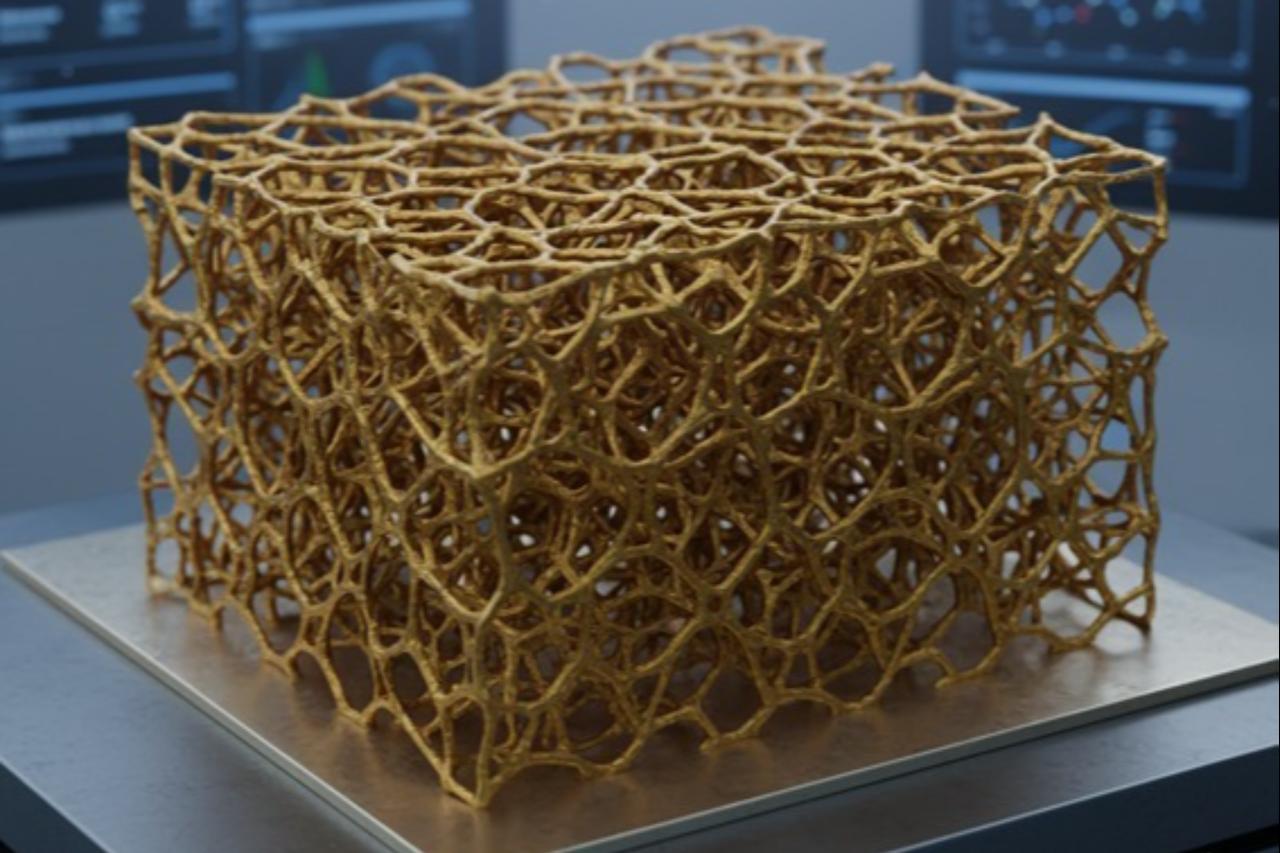


Bogazici University is developing hermetically sealed microbatteries smaller than the integrated circuit on a credit card for use in critical areas such as health care, defense and disaster technologies.
The Microbattery Design Project aims to create batteries that are hermetically sealed to prevent any interaction with the environment, addressing safety and stability requirements, particularly critical in medical applications.
Bogazici University Chemistry Department Associate Professor Mehmet Nurullah Ates said microbatteries offer an effective solution potential in areas where security, long-term operation and micro-scale integration needs are prominent.
"Through the hermetic sealing approach, we aim to support safety and stability goals that are critical, especially in medical applications, by controlling the battery's interaction with the environment," Ates said.
"This multi-layered R&D project is creating domestic infrastructure for a wide range of uses extending from medical technologies to disaster conditions and the defense industry," he added.


Ates was awarded the "Outstanding Successful Young Scientist (GEBIP) Award" by the Turkish Academy of Sciences (TUBA) for his work on micro battery design.
Ates said the award was "meaningful feedback underlining the scientific value of our ongoing research."
He noted that in interdisciplinary fields such as microbattery design, teams need to proceed in a long-term and meticulous manner, and the research environment at the university makes it possible to address challenging problems.
 2 min read

The micro batteries are designed for applications requiring:
The project addresses needs across medical technologies, including implantable devices, disaster response equipment requiring reliable power sources, and defense industry applications requiring miniaturized power solutions.


 Set as preferred source
 Set as preferred source


 1 min read