Newsletters


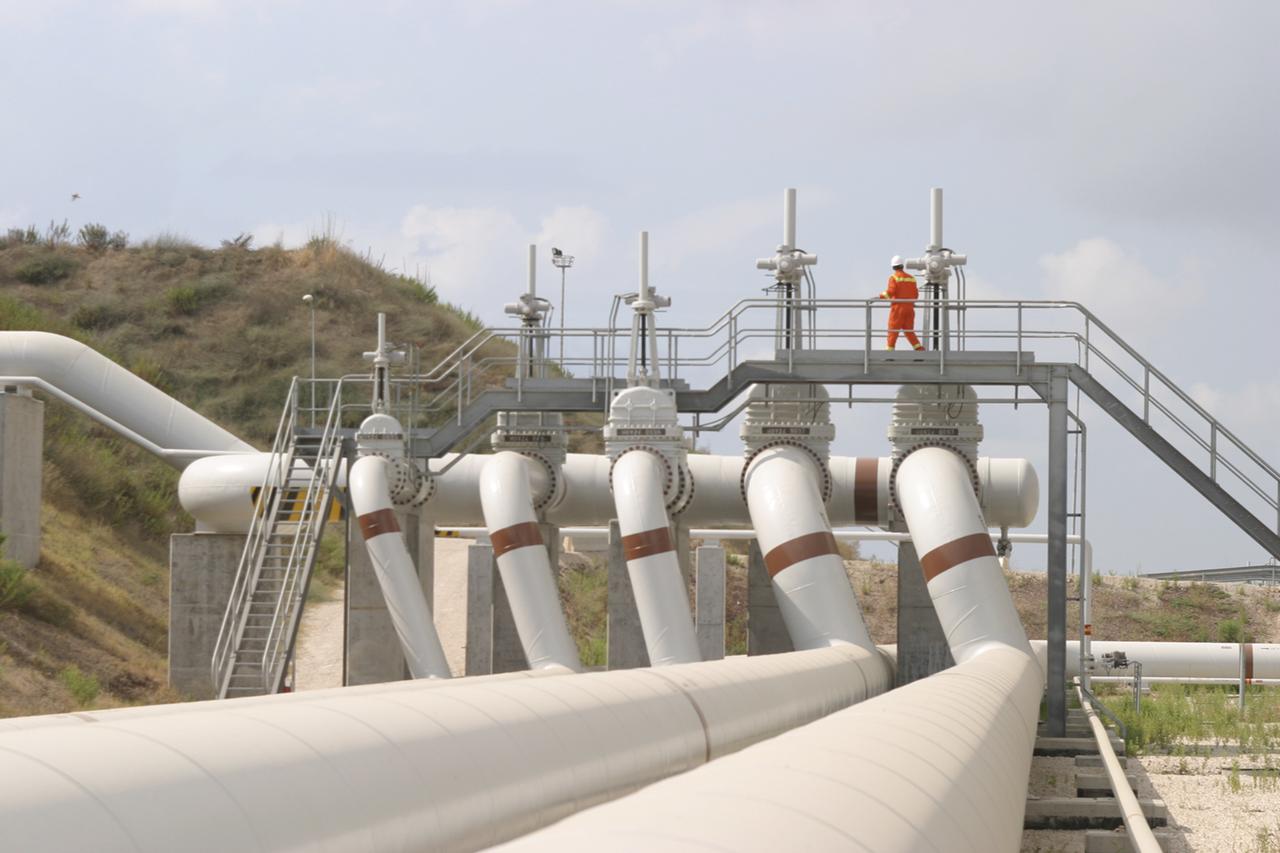


British energy major BP plans to transfer management of the Baku-Tbilisi-Ceyhan (BTC) oil pipeline to Azerbaijan's state-owned energy company SOCAR, while remaining involved in one of the region's most important export routes.
The transfer is expected to be completed by July under existing contractual commitments, Giovanni Cristofoli, BP's regional president for Azerbaijan, Georgia and Türkiye, told reporters on the sidelines of the Baku Energy Forum on Tuesday.
The BTC pipeline carries crude oil from Azerbaijan's Caspian Sea fields through Georgia to the Mediterranean port of Ceyhan in Türkiye. The export route entered service in 2006, with BP serving as the lead company during its construction and operation.
Designed to transport up to 1.2 million barrels of oil per day, the pipeline carried 27.2 million tons of crude oil, or roughly 200 million barrels, in 2025, down 7.8% from a year earlier.
BP holds a 30.1% stake in the BTC pipeline, followed by Azerbaijan's state oil company SOCAR through its AzBTC subsidiary with 33%. Other shareholders include Hungary's MOL (8.9%), Türkiye's TPAO (6.5%), Italy's ENI (5%), France's TotalEnergies (5%), Japan's ITOCHU (3.4%), India's ONGC (3.1%), U.S.-based ExxonMobil (2.5%) and Japan's INPEX (2.5%).
Cristofoli stressed that the handover does not signal BP's departure from the project and noted that the company will continue its involvement in the pipeline venture.
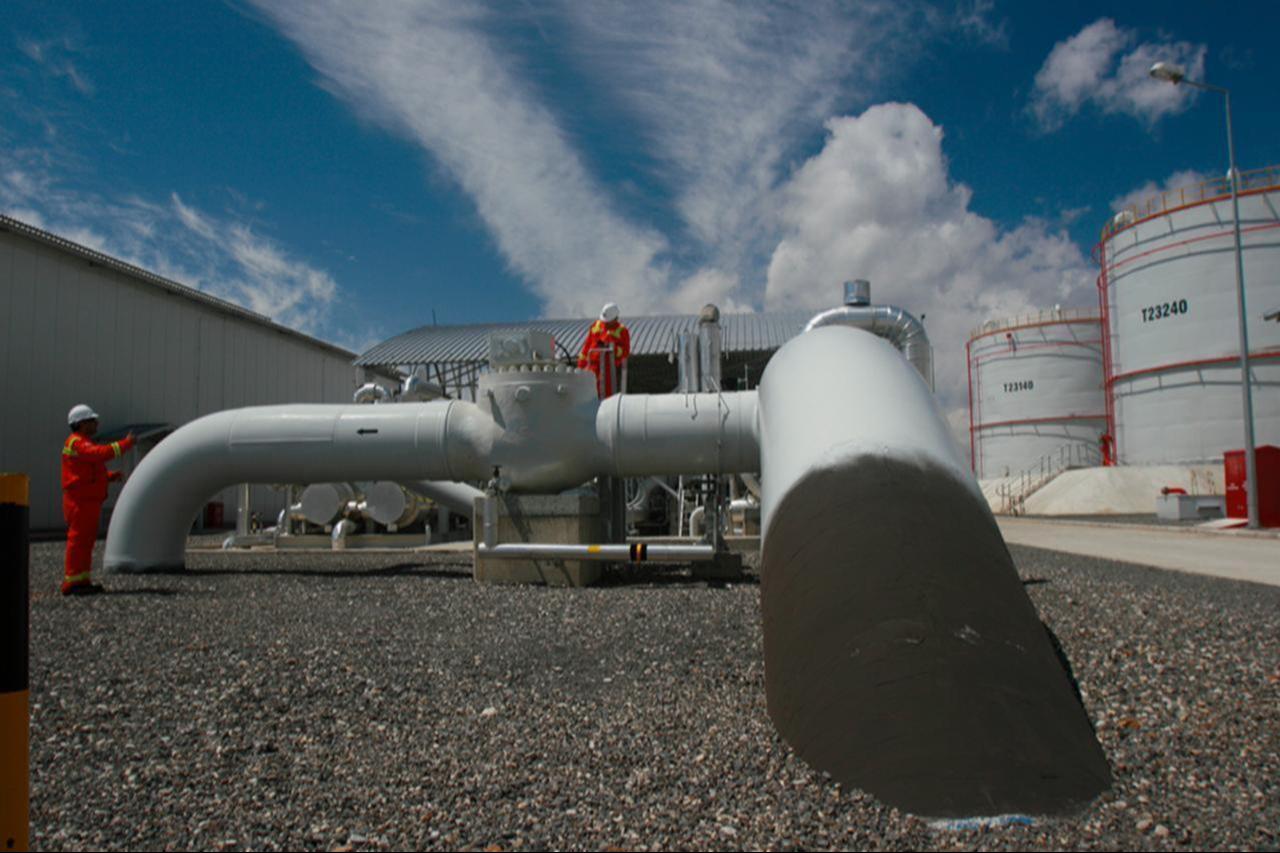

BP will also transfer management of the Baku-Supsa oil pipeline on July 8, Cristofoli announced. Under the arrangement, Azerbaijan will assume responsibility for the section crossing its territory, while Georgia's government will take over the portion running through Georgia.
The Baku-Supsa pipeline carries Azerbaijani crude oil from the Sangachal terminal near Baku to Georgia's Supsa export terminal on the Black Sea. Commissioned in 1999 as Azerbaijan's first western export route, it has been managed by BP since entering operation.
Throughput has remained below historical levels since the outbreak of the Ukraine war, with the pipeline transporting about 1 million tons of oil in 2024, compared with roughly 4 million tons annually before 2022.


 Set as preferred source
 Set as preferred source


 1 min read
 1 min read