Newsletters


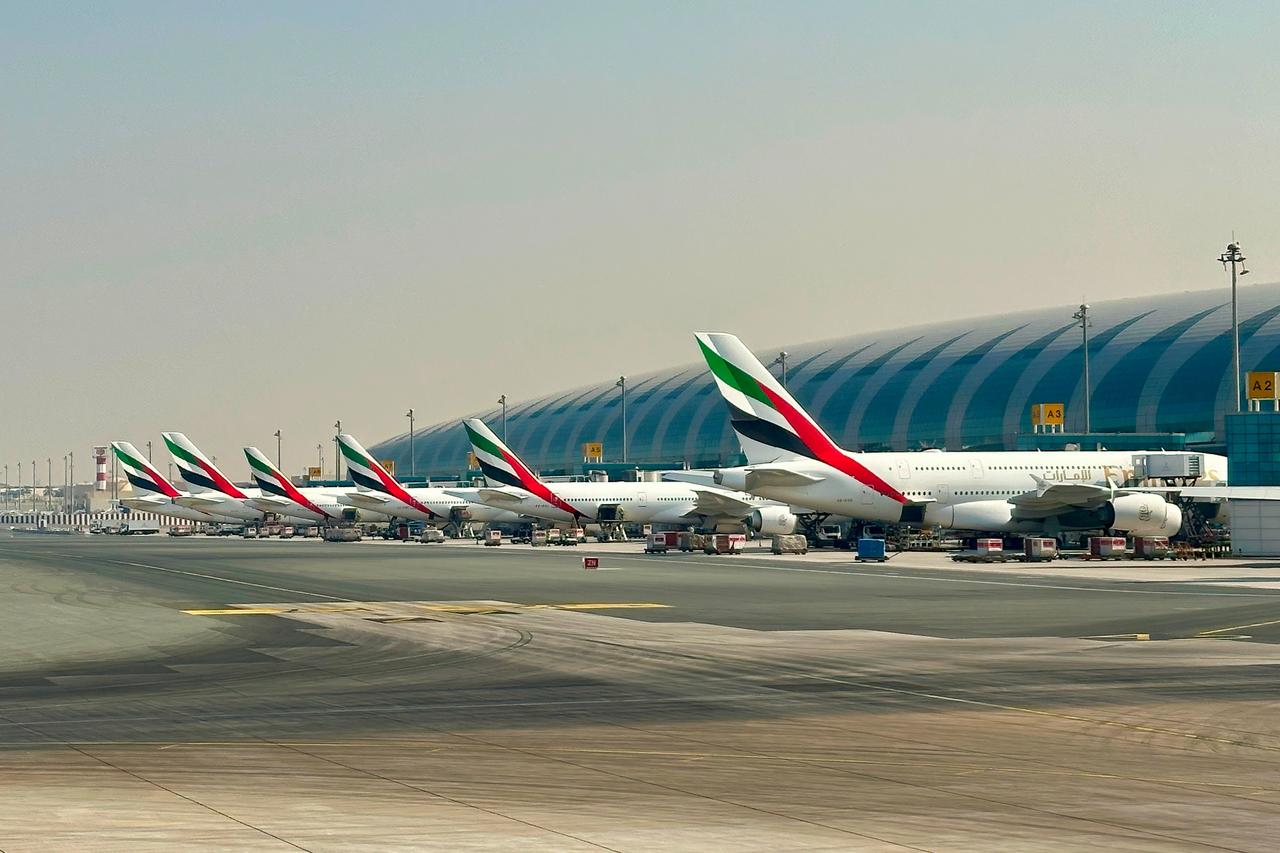


UAE flag carrier Emirates has removed nearly 500,000 seats from its June schedule as the airline adjusts operations disrupted amid the Iran war, according to a media report.
The Dubai-based carrier has cut its June capacity by nearly 16% from a year earlier, with daily outbound flights falling to 200 from 237 in June 2025. Emirates is currently operating about 200 daily departures from Dubai International Airport, roughly 80% of its pre-conflict schedule, and plans to add more capacity by mid-June.
Year-over-year comparisons do not fully reflect the airline's current operations, an Emirates spokesperson told AGBI, adding that the carrier has steadily restored capacity and rebuilt parts of its network despite regional disruptions. The airline now serves 138 destinations, four fewer than before the conflict.
The cuts come as airlines across the region contend with softer demand, higher operating costs and flight disruptions linked to the conflict.
Flights to London Heathrow, Gatwick and Stansted, as well as Amsterdam, Vienna, Beijing and Brisbane, are among the routes facing reductions, with some frequencies cut by more than half, according to aviation analytics firm Cirium.
The changes also come as the UAE enters its peak summer travel season, typically one of the busiest times of the year for the country's airports.
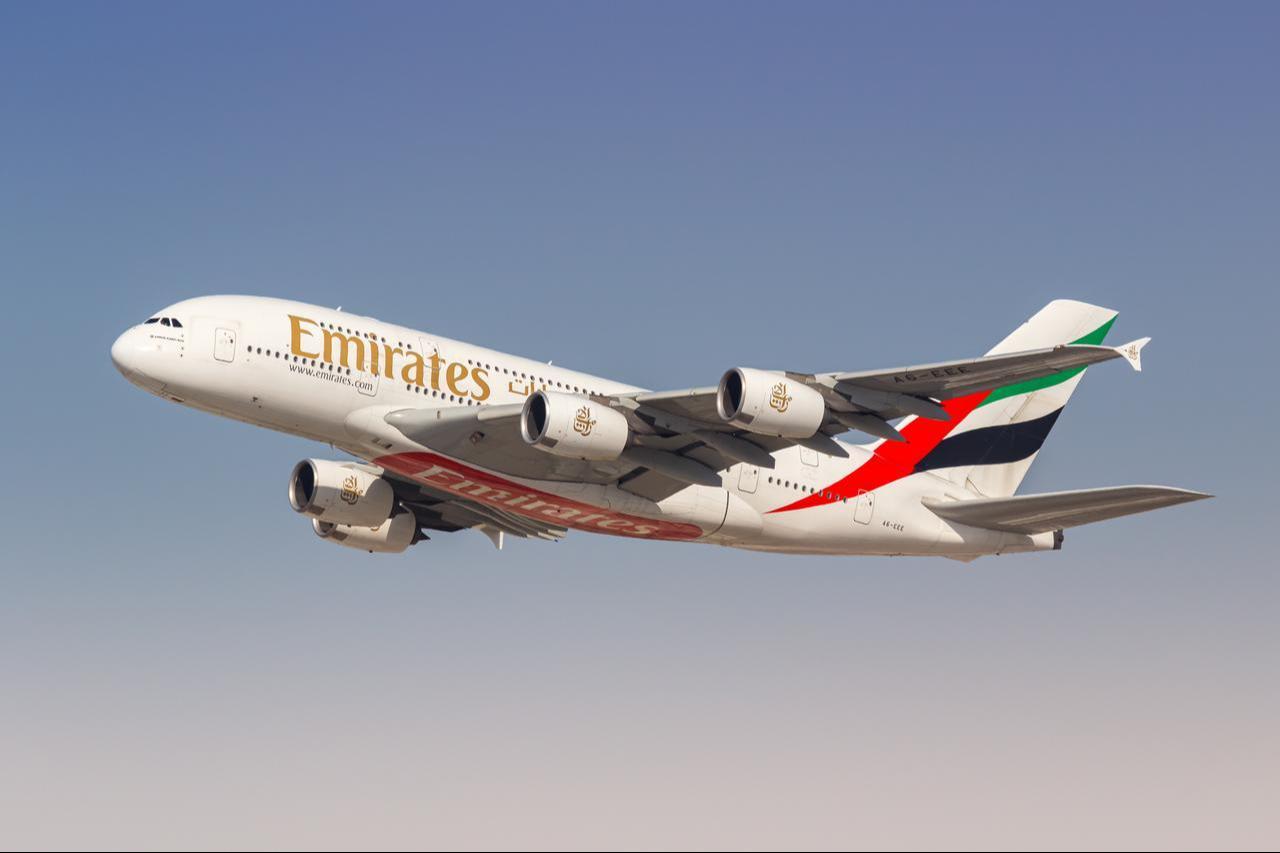

The impact of the conflict is being felt across the Middle East aviation market. According to Linus Bauer, founder of aviation consultancy BAA & Partners, Qatar Airways has scheduled 19% fewer flights this June than a year ago, while Etihad Airways has increased flights by 8% over the same period.
The disruption has also weighed on traffic through Dubai International Airport (DXB), Emirates' main hub. Dubai Airports reported that DXB handled 18.6 million passengers in the first quarter of 2026, down 20.6% from a year earlier as regional airspace disruptions intensified. March traffic fell 65.7% year-over-year to 2.5 million passengers.
Despite the decline, Dubai Airports said travel demand remains resilient and operations are gradually scaling up following the restoration of UAE airspace, allowing airlines to rebuild schedules and restore capacity.
The broader Middle East aviation market also remains under pressure, with passenger demand among regional airlines falling 48% in April from a year earlier, capacity dropping 38%, and average load factors sliding to 70%, according to the International Air Transport Association (IATA).


 Set as preferred source
 Set as preferred source


 1 min read

 1 min read