Newsletters


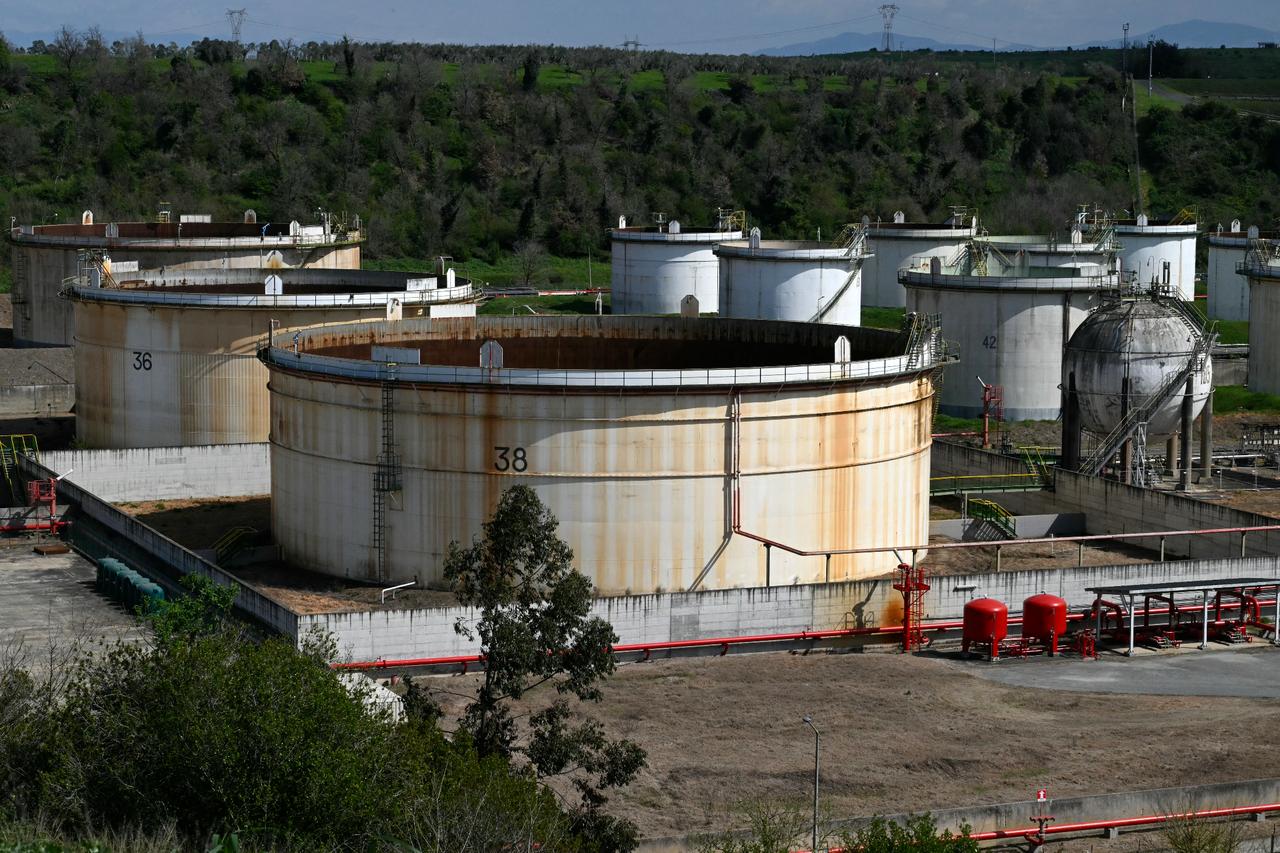


Brent crude retreated from a recent spike to $119, settling near $106 on Friday, as signals from the United States and Israel eased fears of further attacks on Iran’s energy infrastructure and potential escalation across the Gulf.
U.S. benchmark West Texas Intermediate (WTI) also declined to $93 per barrel, while equities and precious metals remained under pressure following Thursday’s steep losses.
The earlier surge in oil prices followed Iranian strikes on energy sites in the Gulf, launched in response to Israel’s attack on Iran’s South Pars gas field. Qatar, which accounts for around 20% of global liquefied natural gas (LNG) exports, reported damage to its infrastructure after missile strikes. Energy Minister Saad bin Sherida al-Kaabi said the attacks on Ras Laffan Industrial City reduced the country’s LNG export capacity by 17%, resulting in an estimated annual revenue loss of $20 billion.
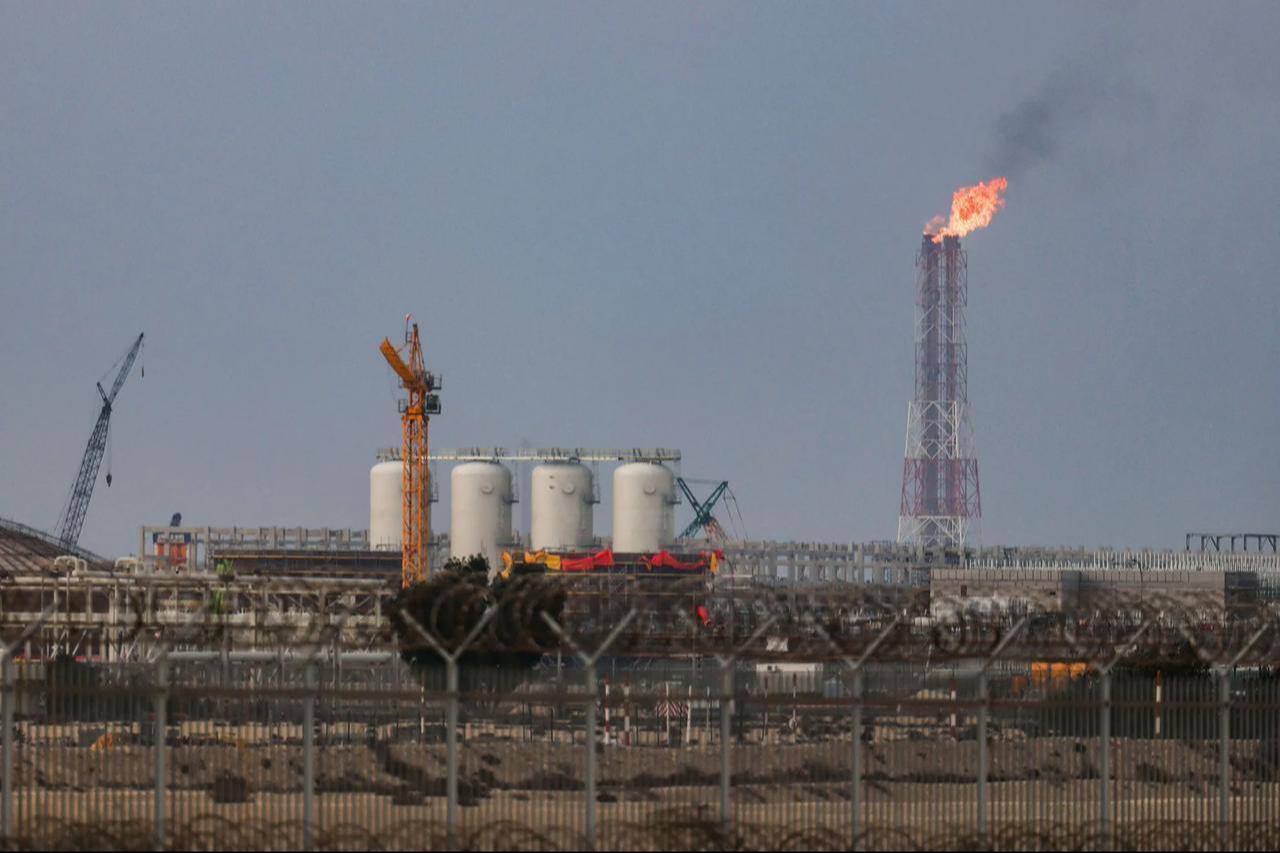

European gas prices, after surging above €70 ($80.15), remained elevated at €61.85 per megawatt-hour at the Dutch TTF hub at Thursday’s close.
U.S. President Donald Trump indicated that Israeli forces would avoid further strikes on Iran’s energy sector. He said he had advised Israeli Prime Minister Benjamin Netanyahu against targeting such facilities, adding, "I told him, don’t do that, and he won’t do that." Trump also warned Tehran earlier that U.S. forces would "massively blow up" the South Pars field if attacks on Qatar continued. Iran responded by saying it would show "zero restraint" if its own energy infrastructure were hit again.
Netanyahu stated that Iran’s capabilities had been significantly reduced and suggested the conflict could end sooner than expected. He also said Israel would support U.S. efforts to secure the Strait of Hormuz. In parallel, leaders from the United Kingdom, France, Germany, Italy, the Netherlands, and Japan signaled readiness to contribute to safeguarding maritime traffic through the strait.
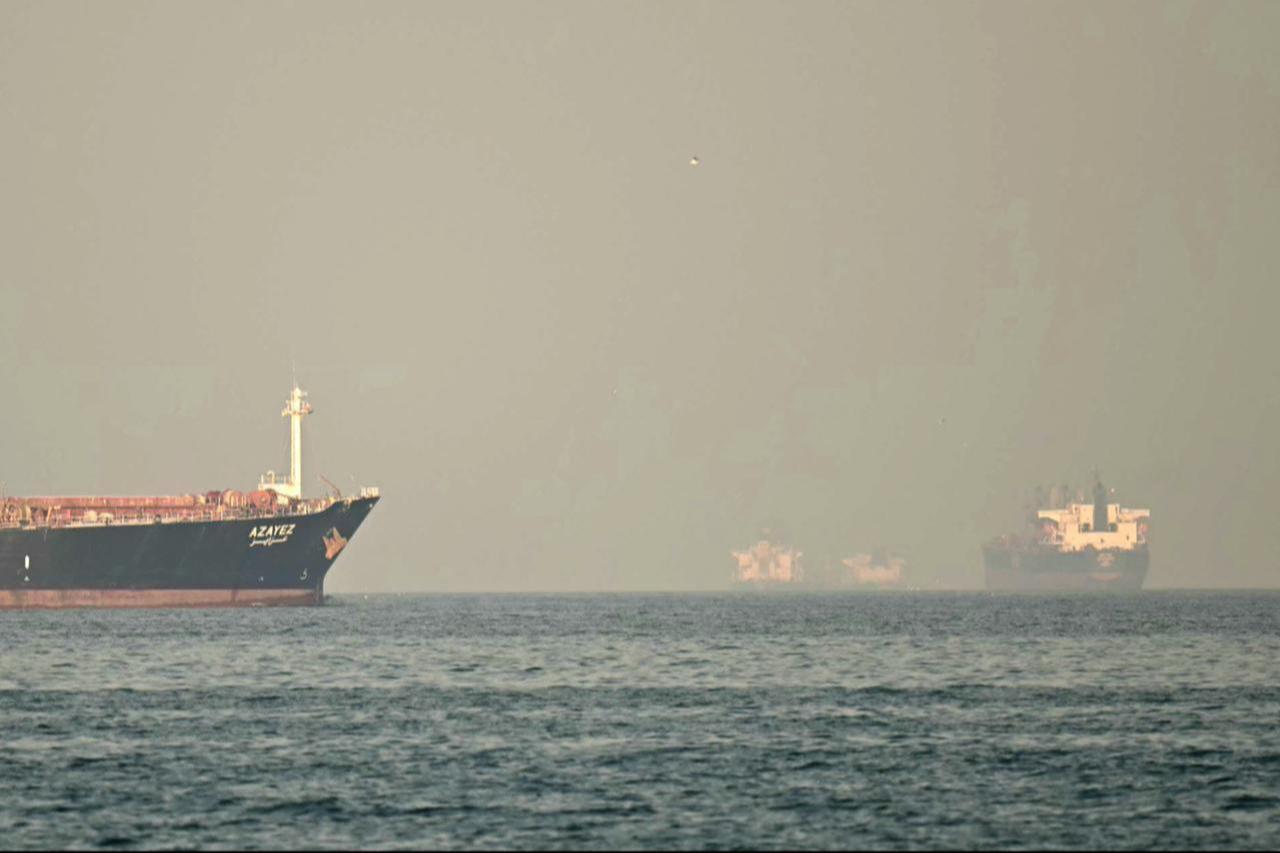
Despite the easing in oil prices, broader financial markets reflected ongoing uncertainty. Hong Kong’s Hang Seng fell 1%, and China’s Shanghai Composite declined 0.8%. South Korea’s Kospi edged up around 0.5%.
U.S. stock futures remained mostly flat, while Europe’s Stoxx 600 index rose 0.7% after sharp losses a day earlier. On Thursday, the index fell 2.4%, and the UK’s FTSE 100 also fell 2.4%, after the European Central Bank and the Bank of England held interest rates steady amid inflation concerns.
Precious metals showed mixed movement. Gold edged up 0.3% to $4,660 per ounce after a previous drop of up to 5%, while silver hovered around $71.3. Palladium and platinum stood at $1,430 and $1,961 per ounce, respectively.
Cryptocurrency markets v with Bitcoin slipping 0.3% to $70,460 and Ethereum falling 2.3% to $2,130.


 Set as preferred source
 Set as preferred source


 1 min read

 1 min read