Newsletters


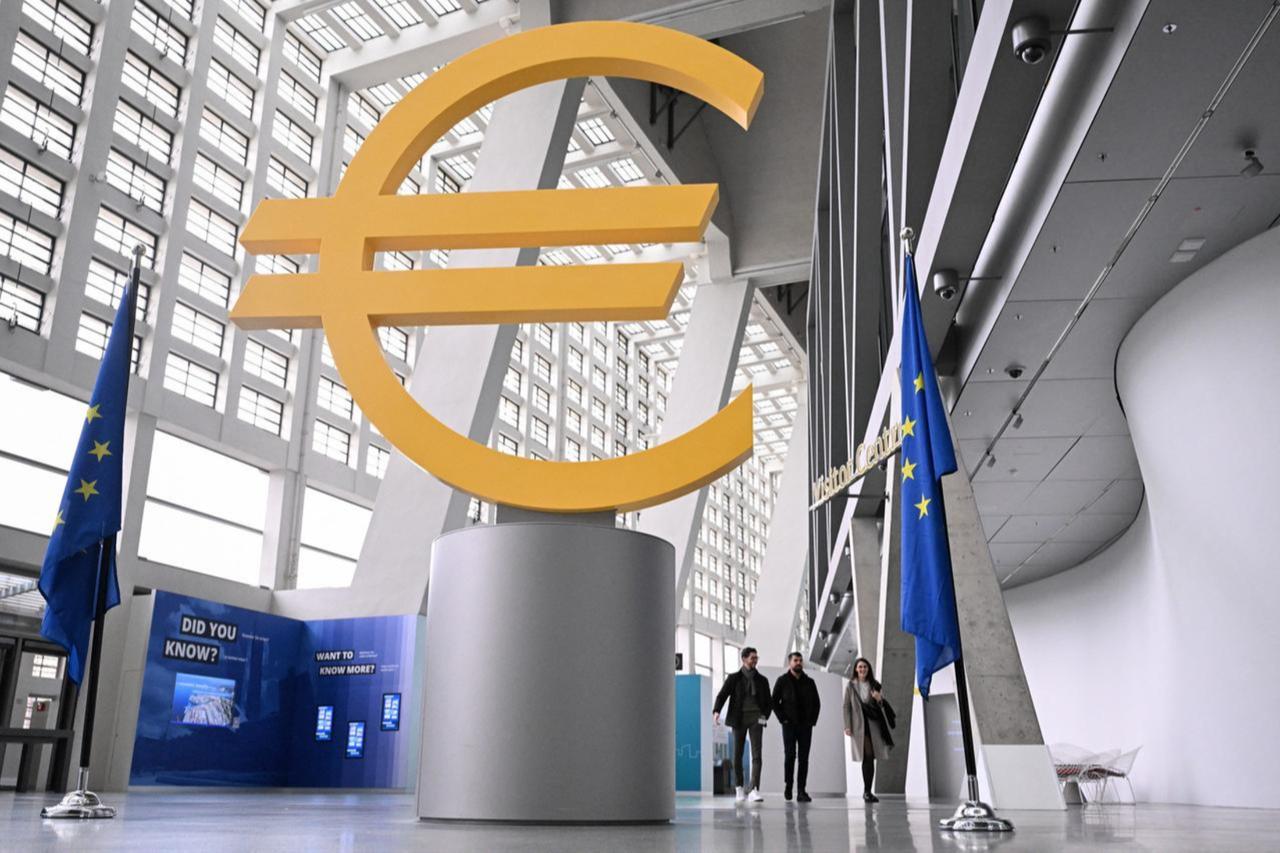


The European Central Bank (ECB) kept its benchmark deposit rate at 2% for a sixth consecutive meeting on Thursday, cautioning over increased inflationary pressure driven by rising energy costs.
The decision, widely expected by markets, mirrors similar moves by the Bank of Japan and the U.S. Federal Reserve, as policymakers weigh the economic impact of ongoing geopolitical tensions.
In its statement, the ECB said the ongoing conflict has “made the outlook significantly more uncertain,” pointing to upside risks to inflation and downside risks to growth. Higher energy costs are expected to feed directly into consumer prices in the near term.
Annual inflation in the eurozone rose to 1.9% in February, slightly below the ECB’s 2% target. However, market-based indicators signal a sharp shift in expectations. One-year euro inflation swaps climbed from below 2% earlier this year to 4% on Thursday, reflecting rising concerns over short-term price pressures.
ECB Chief Economist Philip Lane previously warned that sustained disruptions in energy supply could trigger a "substantial spike" in inflation alongside a "sharp drop in output."
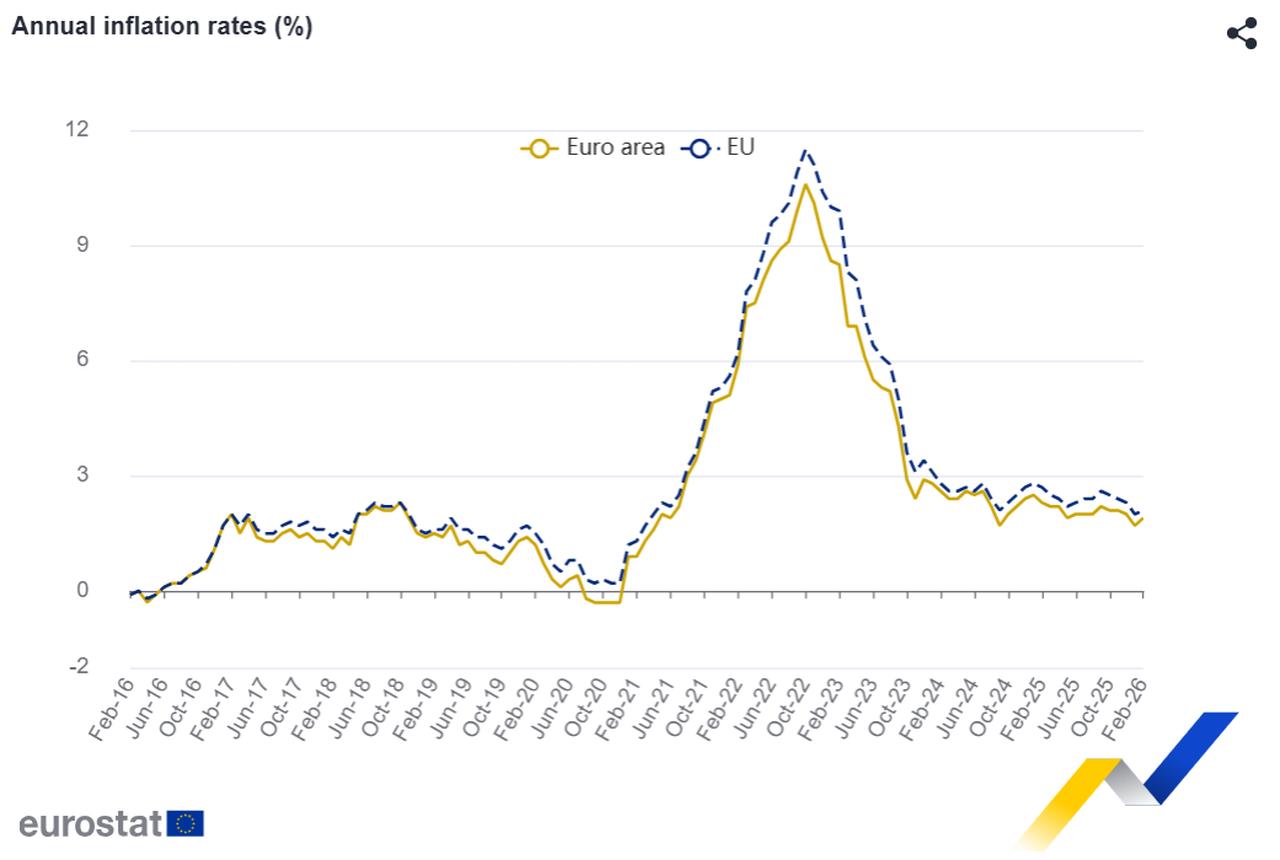

Updated ECB projections show inflation averaging 2.6% in 2026, before easing to 2.0% in 2027 and 2.1% in 2028. Inflation, excluding energy and food, is also revised higher, reaching 2.3% in 2026.
At the same time, economic growth is expected to slow. The eurozone economy is projected to expand by 0.9% in 2026, reflecting the war’s impact on commodity markets, real incomes, and business confidence. Growth is forecast at 1.3% in 2027 and 1.4% in 2028.
The central bank reiterated its commitment to a "data-dependent" and meeting-by-meeting approach, stating it is not pre-committing to a specific rate path. Policymakers said future decisions will depend on how the conflict affects inflation dynamics and broader economic conditions.
Financial markets have adjusted their outlook for ECB policy. Traders now expect two quarter-point rate increases by October, with the first likely in the summer.
Before the escalation in the Middle East, expectations had pointed to no rate changes this year.
The ECB has kept borrowing costs steady since June 2025.


 Set as preferred source
 Set as preferred source


 1 min read
 1 min read